Air Source Heat Pumps For Cold Climates
Air source heat pumps (ASHPs) are gaining popularity as efficient heating and cooling solutions. But can they truly handle the demands of cold climates? The answer is increasingly yes, thanks to advancements in technology. This guide will explain how ASHPs work, discuss their performance in cold weather, and help you determine if one is right for your home.
Understanding Air Source Heat Pumps
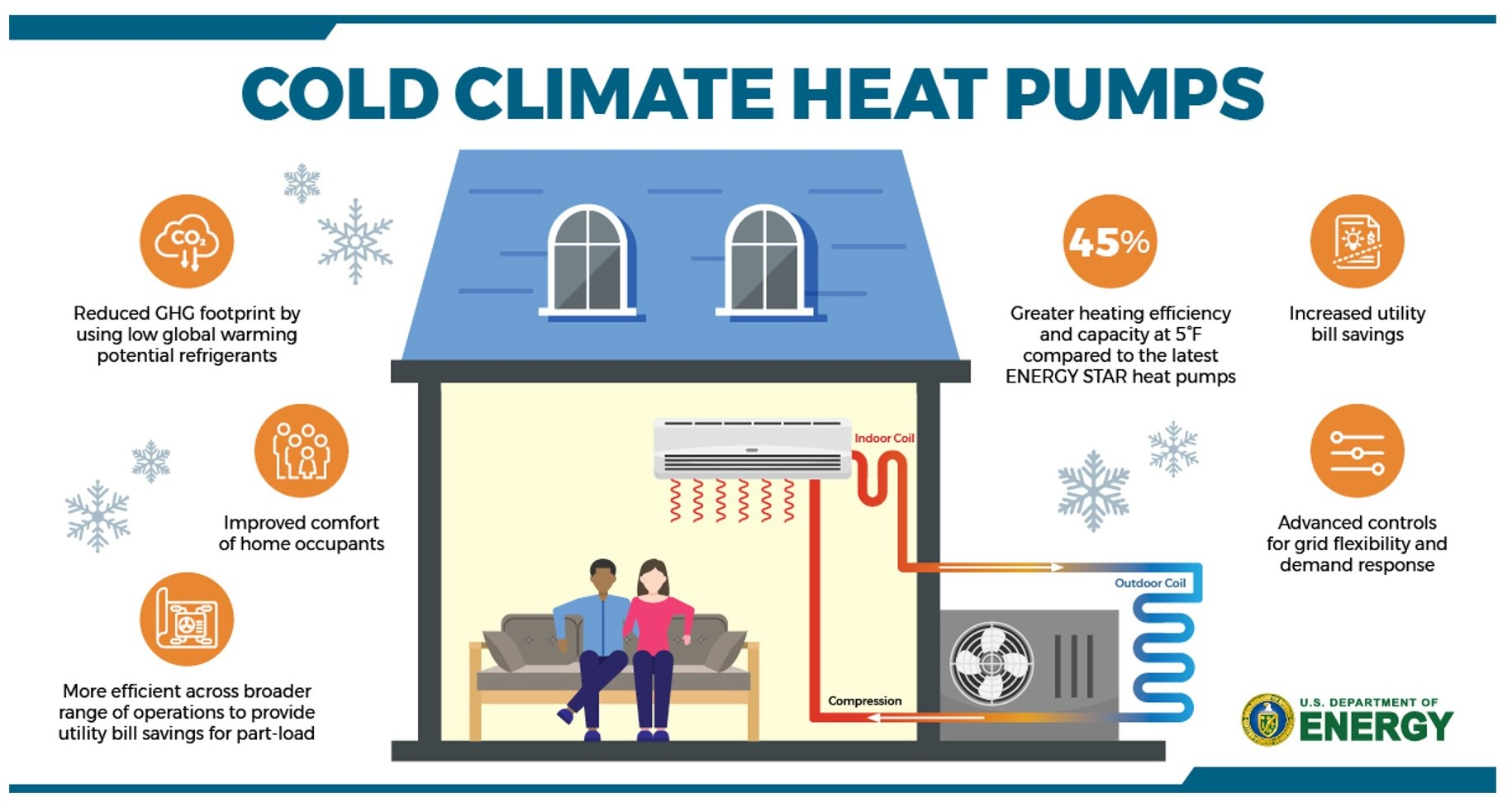
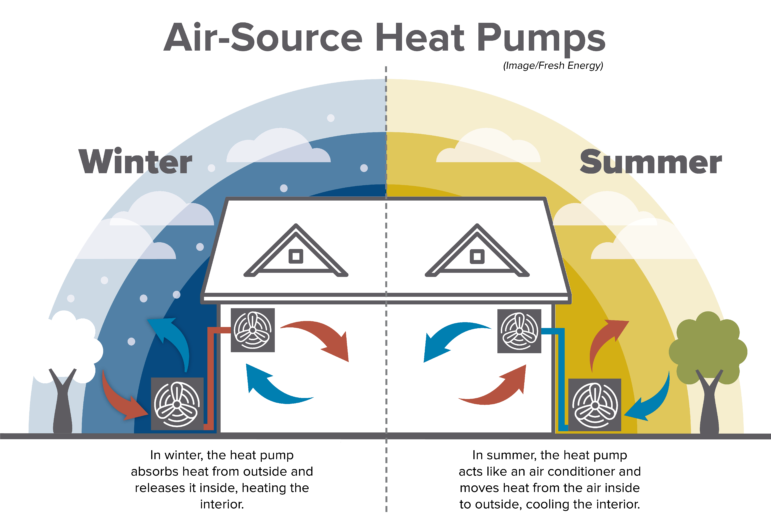
At its core, an ASHP is a device that transfers heat. Unlike furnaces that generate heat by burning fuel, heat pumps simply move existing heat from one place to another. Think of it like an air conditioner working in reverse. In the summer, an AC extracts heat from inside your home and releases it outside. An ASHP can do the same, but it can also reverse the process in the winter, extracting heat from the outside air and transferring it inside.
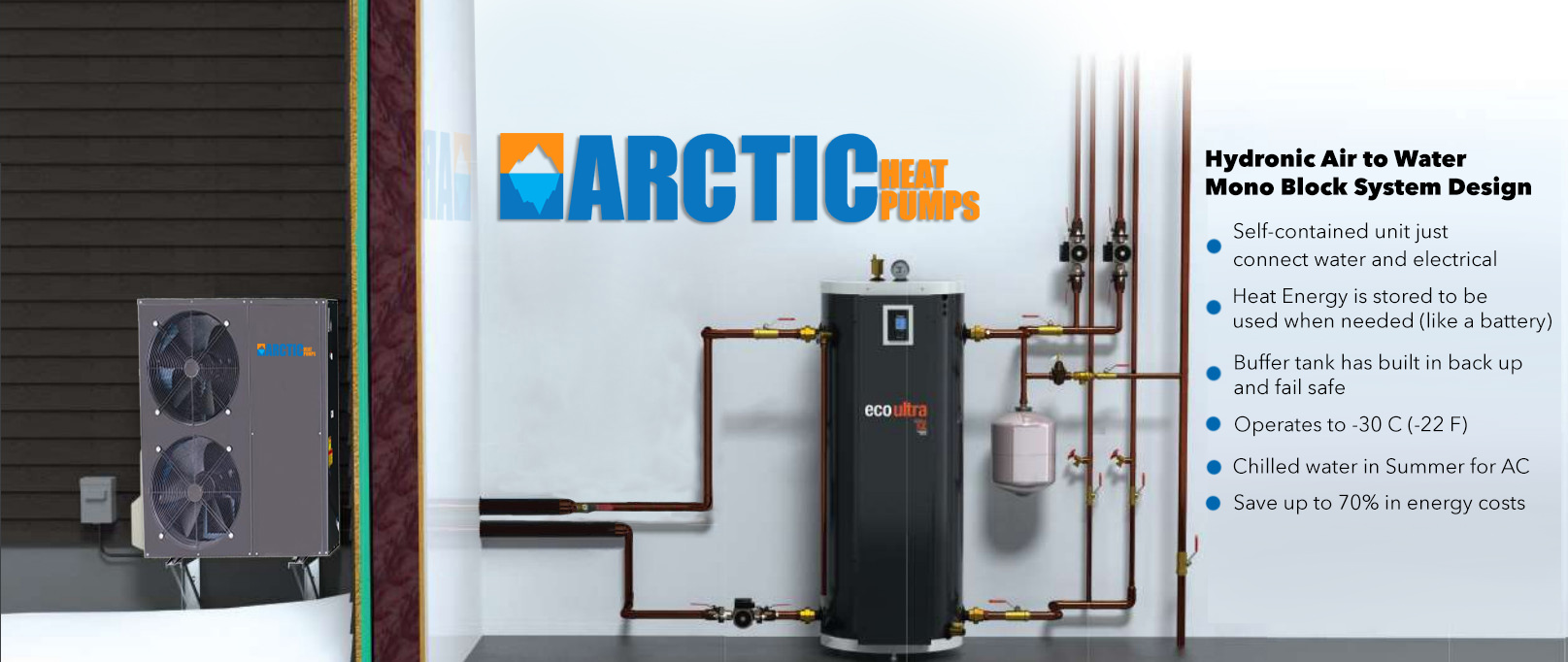
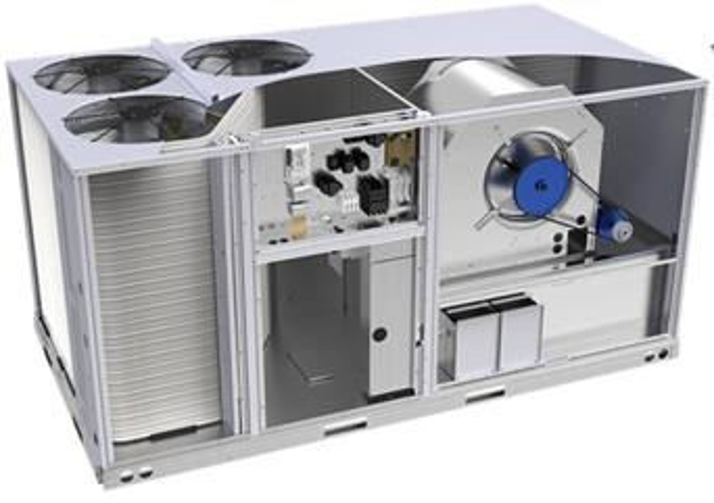
How does it work? The process involves a refrigerant, a compressor, and two heat exchangers (coils).
- Refrigerant: Think of refrigerant as the "blood" of the system. It's a special fluid that easily absorbs and releases heat.
- Compressor: This is the heart of the system. It increases the pressure and temperature of the refrigerant.
- Evaporator Coil (Outdoor): In heating mode, the refrigerant absorbs heat from the outdoor air (yes, even cold air contains some heat).
- Condenser Coil (Indoor): In heating mode, the refrigerant releases the heat it absorbed into your home.
The cycle repeats continuously, providing efficient heating and cooling.
Cold Climate Challenges and Solutions
Historically, ASHPs have faced challenges in cold climates. The primary issue is that as the outdoor temperature drops, the amount of heat available in the air decreases, reducing the heat pump's efficiency and heating capacity. In very cold conditions, a traditional ASHP might not be able to provide enough heat to keep a home comfortable.
However, modern ASHP technology has made significant strides in addressing these challenges. Here's how:
- Advanced Compressors: Newer compressors, often employing inverter technology, can operate more efficiently at lower speeds. This allows the heat pump to maintain a consistent temperature and provide heat even when it's very cold outside.
- Improved Refrigerants: New refrigerants have been developed that can operate more effectively at lower temperatures, improving the heat pump's performance in cold weather.
- Larger Coils: Larger outdoor coils increase the surface area for heat absorption, allowing the heat pump to extract more heat from the air, even when it's cold.
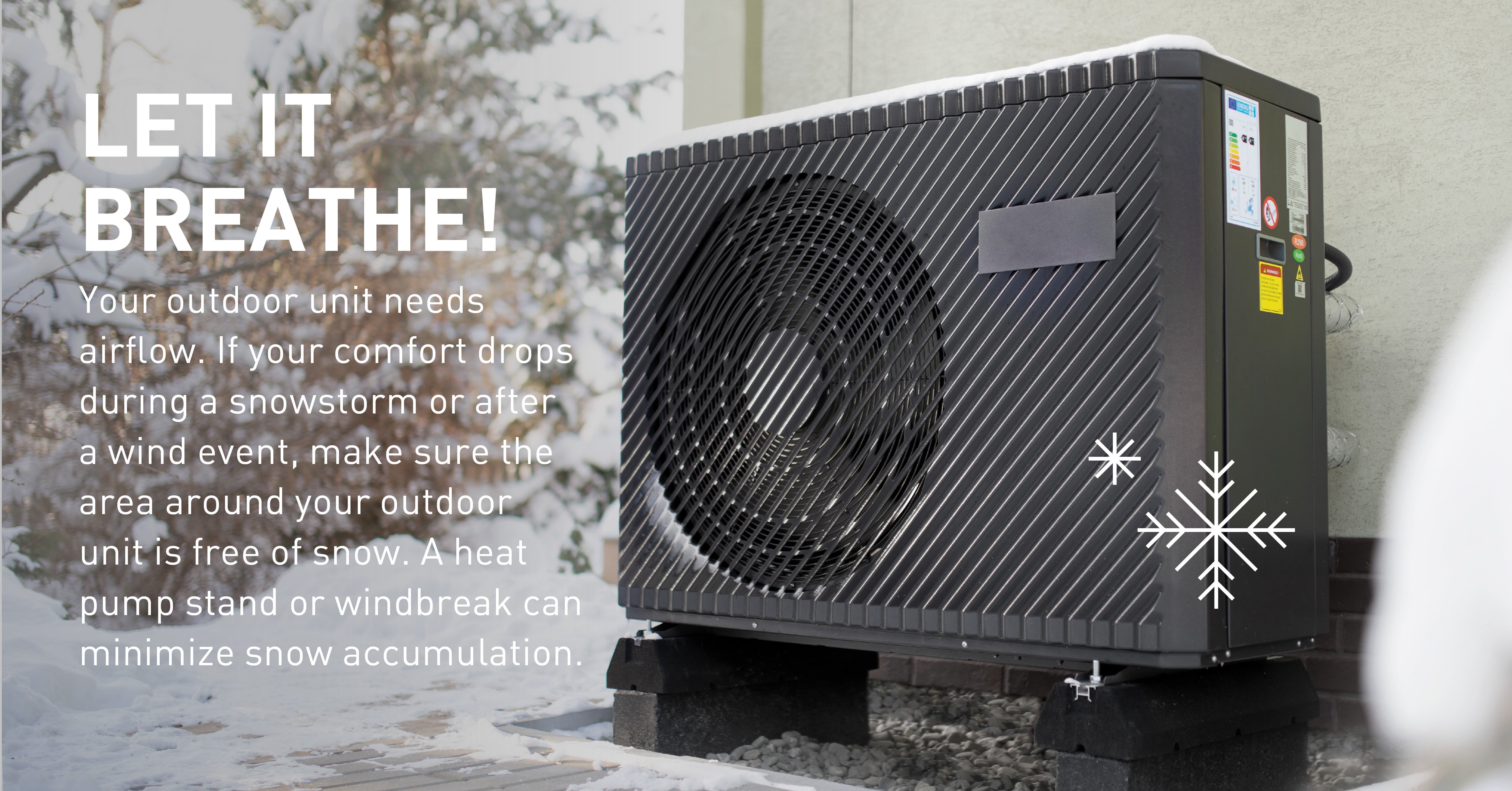
- Basepan Heaters: These heaters prevent ice from forming at the base of the outdoor unit, which could damage the system.
- Backup Heating: Most ASHP systems in cold climates incorporate a backup heating system, such as electric resistance heat or a gas furnace. This backup system kicks in when the heat pump can no longer provide sufficient heat.
Minimum Operating Temperatures and COP
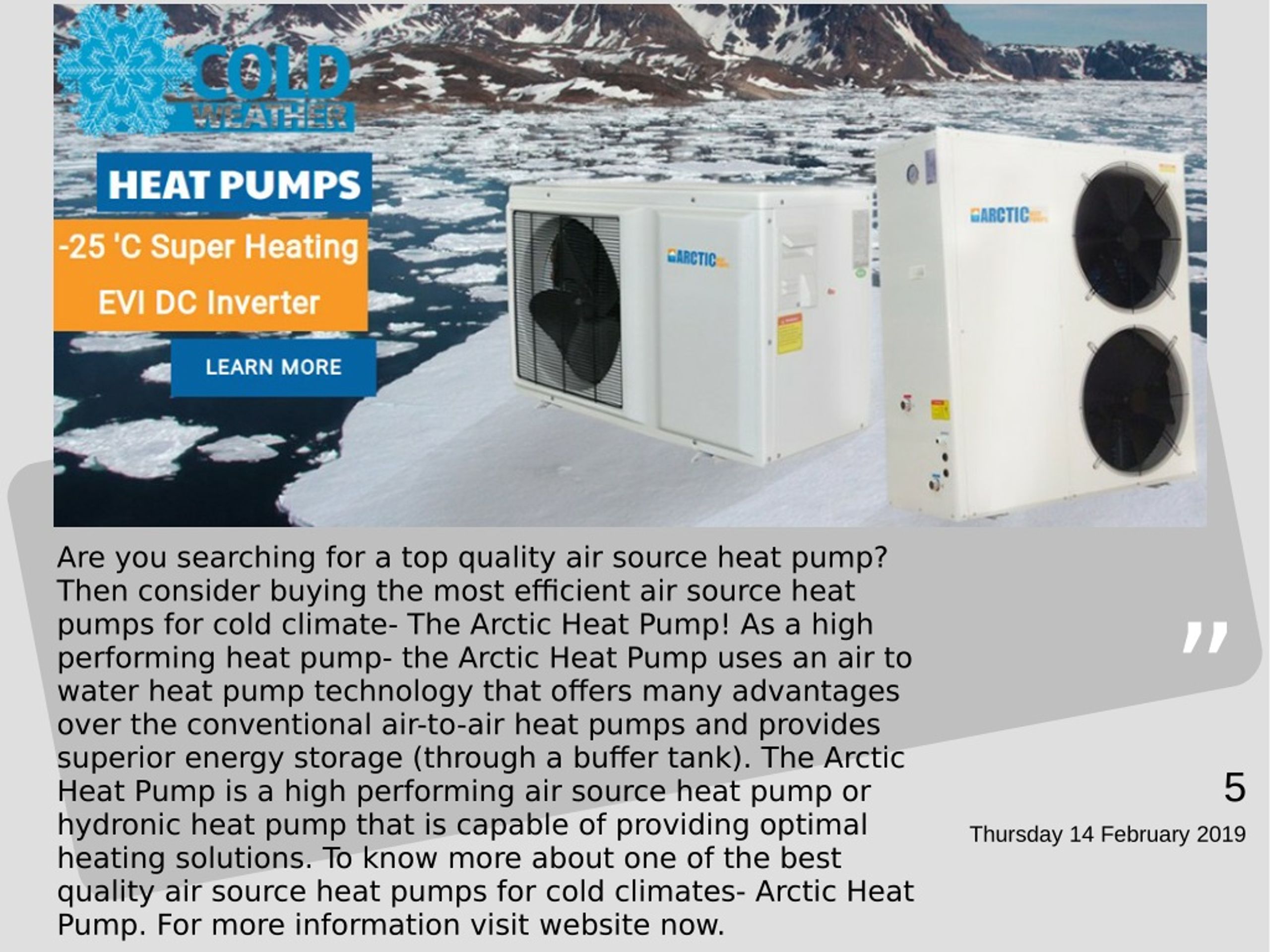
Minimum operating temperature is a key specification for cold-climate ASHPs. This indicates the lowest outdoor temperature at which the heat pump can still operate effectively. Look for models that can operate efficiently at temperatures as low as -15°F (-26°C) or even lower.
Coefficient of Performance (COP) is a measure of a heat pump's efficiency. It represents the ratio of heat output to energy input. A higher COP indicates greater efficiency. While COP varies with temperature, cold-climate ASHPs are designed to maintain a reasonable COP even at low temperatures.
Advantages of Cold Climate Air Source Heat Pumps
Despite the challenges, cold-climate ASHPs offer several compelling advantages:
- Energy Efficiency: Even in cold climates, ASHPs can be more energy-efficient than traditional heating systems like electric resistance heaters or oil furnaces. They move heat rather than generating it, using less energy to achieve the same level of warmth.
- Cost Savings: Lower energy consumption translates to lower utility bills. While the initial investment in an ASHP may be higher than that of a conventional furnace, the long-term savings can be significant.
- Heating and Cooling: ASHPs provide both heating and cooling, eliminating the need for separate systems. This simplifies installation and maintenance.
- Environmentally Friendly: By reducing reliance on fossil fuels, ASHPs contribute to a smaller carbon footprint.
- Improved Comfort: Inverter-driven ASHPs provide more consistent and even heating, eliminating the temperature swings often associated with traditional furnaces.
Disadvantages and Considerations
While cold-climate ASHPs offer many benefits, it's crucial to be aware of potential drawbacks:
- Higher Upfront Cost: ASHPs generally have a higher initial cost than traditional furnaces. However, rebates and incentives may be available to help offset the cost.
- Performance Depends on Climate: While cold-climate models are designed for colder regions, their performance can still be affected by extremely low temperatures. The backup heating system may be needed more frequently in very cold areas.
- Proper Installation is Crucial: Correct installation is essential for optimal performance and efficiency. It's vital to hire a qualified and experienced HVAC contractor.
- Defrost Cycles: Heat pumps may occasionally enter a defrost cycle to remove ice buildup on the outdoor coil. During this cycle, the heat pump may temporarily stop providing heat, which can result in a slight temperature drop inside the home.
Choosing the Right Air Source Heat Pump
Selecting the right ASHP for your home requires careful consideration of several factors:
- Climate Zone: Determine your climate zone and choose a heat pump specifically designed for that zone. Look for models with a low minimum operating temperature.
- Home Size and Insulation: The size of your home and its level of insulation will affect the size and capacity of the heat pump you need. An HVAC professional can perform a load calculation to determine the appropriate size.
- SEER and HSPF Ratings: SEER (Seasonal Energy Efficiency Ratio) measures cooling efficiency, while HSPF (Heating Seasonal Performance Factor) measures heating efficiency. Higher ratings indicate greater efficiency.
- Inverter Technology: Inverter-driven heat pumps offer more precise temperature control and improved efficiency compared to traditional single-speed models.
- Backup Heating System: Consider the type of backup heating system that will be used in conjunction with the heat pump. Electric resistance heat is the most common option, but gas furnaces or other alternatives may be more efficient in some cases.
- Rebates and Incentives: Check for available rebates and incentives from your utility company, state government, or federal government. These programs can significantly reduce the cost of installing an ASHP.
Installation and Maintenance
Proper installation is paramount for the efficient and reliable operation of your ASHP. Hire a qualified HVAC contractor with experience installing heat pumps in cold climates. They will ensure that the system is properly sized, installed, and configured for your home.
Regular maintenance is also essential. This includes:
- Changing Air Filters: Regularly changing air filters keeps the system running efficiently and improves indoor air quality.
- Cleaning Coils: Periodically cleaning the outdoor and indoor coils removes dirt and debris that can impede heat transfer.
- Checking Refrigerant Levels: Low refrigerant levels can reduce efficiency and damage the compressor. A qualified technician can check and recharge the refrigerant as needed.
- Inspecting Ductwork: Ensure that your ductwork is properly sealed and insulated to prevent air leaks and maximize efficiency.
Is a Cold Climate Air Source Heat Pump Right for You?
Deciding whether an ASHP is the right choice for your home depends on your specific circumstances. Consider the following:
- Your Climate: If you live in a region with consistently very cold winters, a cold-climate ASHP with a robust backup heating system is essential.
- Your Budget: Factor in the upfront cost of the ASHP, as well as potential long-term energy savings.
- Your Home's Insulation: A well-insulated home will maximize the efficiency of the heat pump.
- Your Energy Goals: If you're looking to reduce your carbon footprint and lower your energy bills, an ASHP can be a great option.
Consult with a qualified HVAC professional to assess your home's heating and cooling needs and determine if an ASHP is the right solution for you. They can provide expert advice and recommend the best system for your specific requirements.
In conclusion, cold-climate air source heat pumps have evolved significantly and can be a viable and efficient heating and cooling solution even in colder regions. By understanding the technology, considering the factors outlined above, and working with a qualified professional, you can make an informed decision about whether an ASHP is right for your home.