Air Source Heat Pumps For Commercial Buildings
Commercial buildings are notorious energy hogs, and a significant portion of that energy goes directly to heating and cooling. Traditional HVAC systems, while reliable, can be incredibly inefficient, leading to sky-high utility bills. But there's a solution gaining traction: air source heat pumps (ASHPs). These systems offer a compelling blend of energy efficiency, cost savings, and environmental responsibility, making them an increasingly attractive option for businesses of all sizes.
Understanding Air Source Heat Pumps
Unlike furnaces that burn fuel to generate heat, ASHPs work by transferring heat from one place to another. In the winter, they extract heat from the outside air (even surprisingly cold air) and transfer it inside. In the summer, they reverse the process, pulling heat from inside and releasing it outside. This transfer process is significantly more energy-efficient than generating heat from scratch.
Think of it like a refrigerator, but operating in reverse. Your fridge doesn't create cold; it removes heat from the inside, keeping your food chilled. An ASHP works similarly, just on a much larger scale and with the ability to heat as well as cool.
Key Components of an ASHP System
An ASHP system typically comprises two main units:
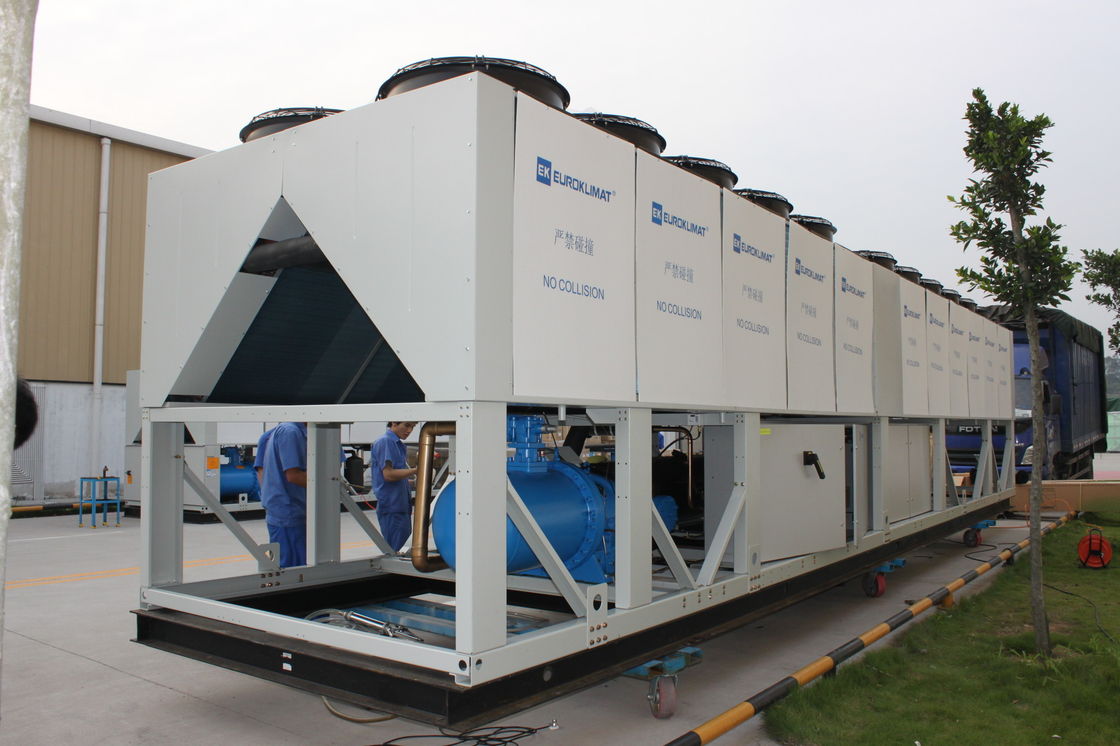
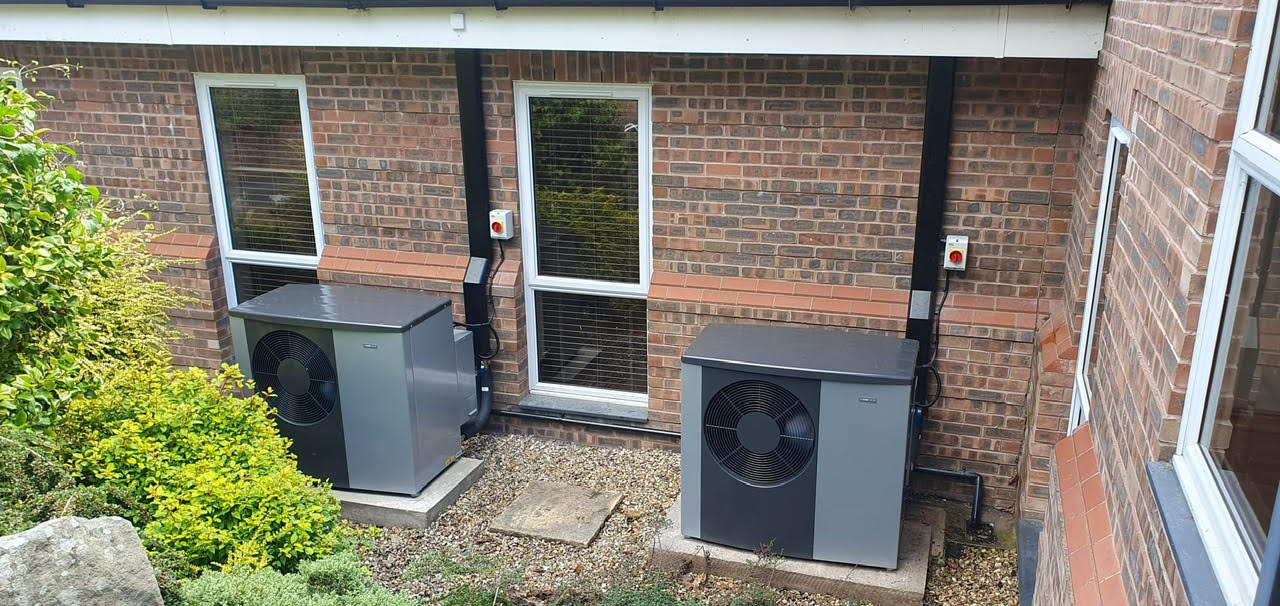
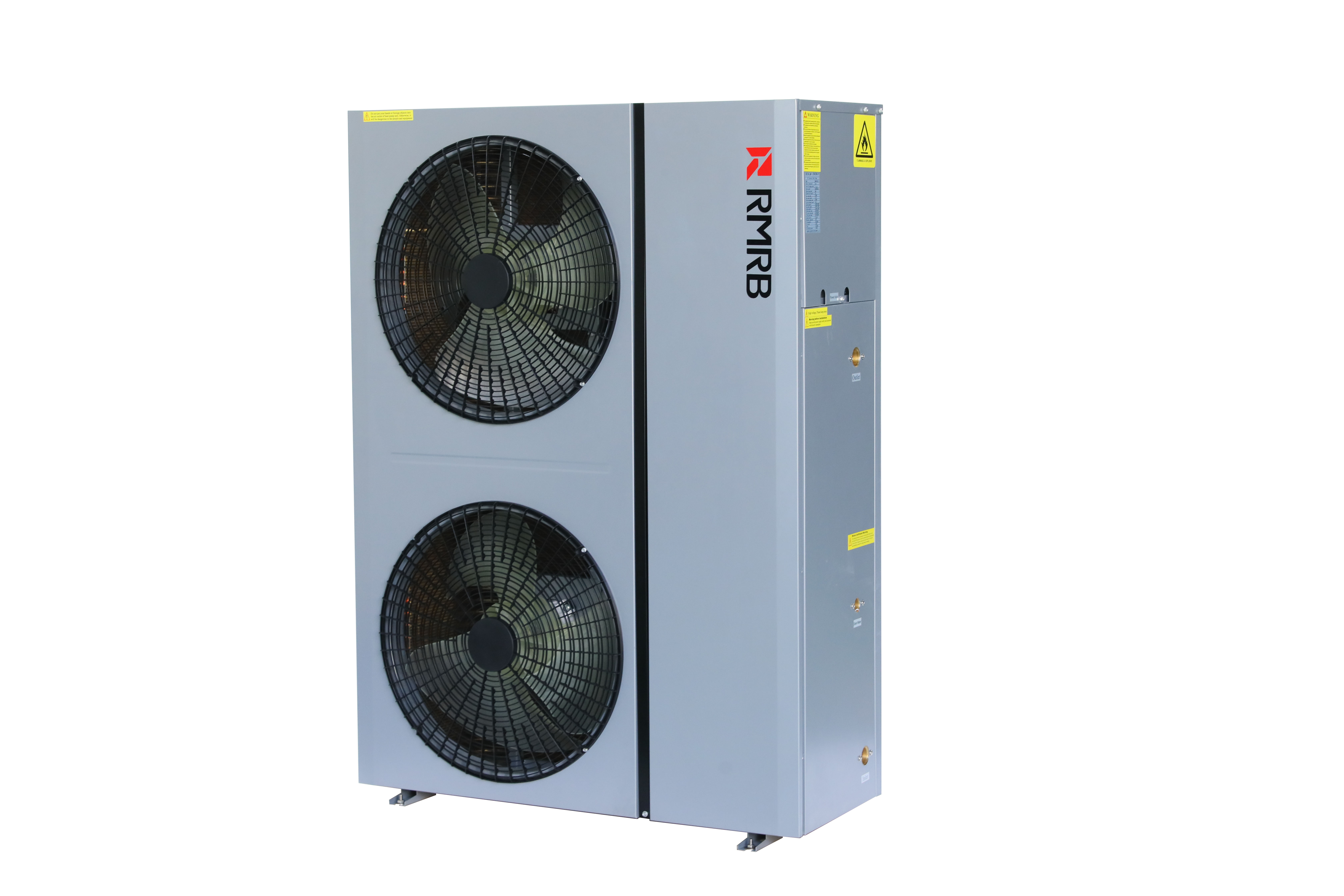
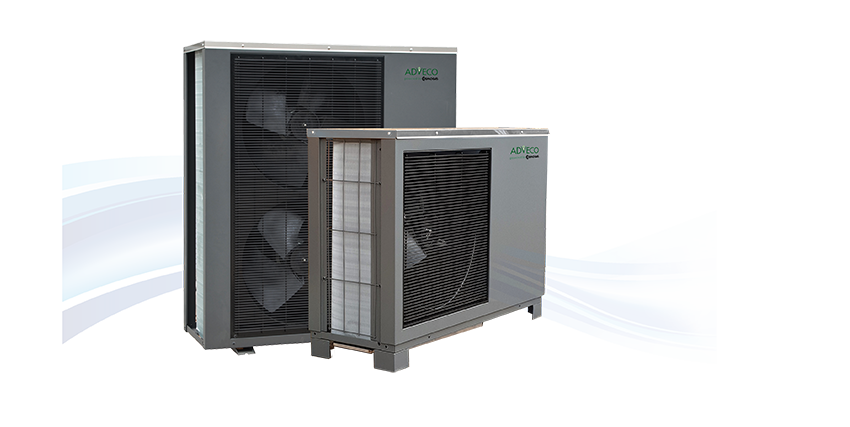
- Outdoor Unit: Contains the compressor, condenser, and evaporator coil. This unit is responsible for extracting or releasing heat from the outside air.
- Indoor Unit: Usually a fan coil unit or air handler that distributes the heated or cooled air throughout the building. Ductless mini-split systems are also an option, particularly for retrofits or spaces where ductwork is impractical.
The ROI of Commercial ASHP Systems: Beyond the Initial Cost
The upfront cost of installing an ASHP system can be higher than traditional HVAC systems. However, the long-term return on investment (ROI) is where ASHPs truly shine. Several factors contribute to this ROI:
- Energy Savings: ASHPs can be significantly more energy-efficient than traditional furnaces and air conditioners. Depending on the climate and building characteristics, you could see energy savings of 30-40% or even higher.
- Reduced Operating Costs: Lower energy consumption translates directly to lower monthly utility bills. Over the lifespan of the system, these savings can easily outweigh the initial investment.
- Government Rebates and Incentives: Many local, state, and federal governments offer rebates and tax credits for businesses that install energy-efficient HVAC systems like ASHPs. Check resources like the Energy Star website and the DSIRE database for available programs in your area.
- Increased Property Value: Buildings with energy-efficient features are becoming increasingly attractive to tenants and buyers, potentially increasing the property's value.
- Lower Maintenance Costs: ASHPs generally have fewer moving parts than traditional systems, potentially leading to lower maintenance costs over their lifespan.
To accurately estimate the ROI for your specific building, it's crucial to consult with a qualified HVAC contractor who can perform a load calculation and energy analysis. This will help determine the appropriate size and type of ASHP system and project potential energy savings.
Energy Efficiency and Environmental Benefits
Beyond the cost savings, ASHPs offer significant environmental benefits. By reducing reliance on fossil fuels for heating and cooling, ASHPs help lower carbon emissions and contribute to a more sustainable future.
Here's a breakdown of the environmental benefits:
- Reduced Carbon Footprint: ASHPs use electricity, which can be generated from renewable sources like solar and wind power. This allows you to significantly reduce your building's carbon footprint.
- Lower Greenhouse Gas Emissions: By using less energy overall, ASHPs help reduce greenhouse gas emissions associated with electricity generation.
- Improved Air Quality: ASHPs don't burn fuel, so they don't produce harmful pollutants that can contribute to air pollution.
Choosing an ASHP aligns with corporate social responsibility (CSR) goals and demonstrates a commitment to environmental stewardship. This can enhance your brand image and attract environmentally conscious customers and employees.
Integrating Smart Technology for Enhanced Control and Efficiency
Modern ASHP systems can be seamlessly integrated with smart thermostats, sensors, and building automation systems, taking energy efficiency to the next level. These smart features provide enhanced control and monitoring capabilities, allowing you to optimize energy consumption and create a more comfortable environment for occupants.
Here's how smart technology can enhance ASHP performance:
- Smart Thermostats: Learn your building's heating and cooling patterns and automatically adjust the temperature to optimize energy savings. They can also be controlled remotely via a smartphone app.
- Zone Control: Allows you to heat or cool specific areas of the building independently, reducing energy waste in unoccupied spaces.
- Occupancy Sensors: Detect when rooms are occupied and automatically adjust the temperature accordingly.
- Energy Monitoring Systems: Provide real-time data on energy consumption, allowing you to identify areas where you can further improve efficiency.
Smart HVAC integration empowers you to fine-tune your building's climate control system to maximize energy savings and occupant comfort. This level of control is simply not possible with traditional HVAC systems.
Choosing the Right ASHP System for Your Commercial Building
Selecting the right ASHP system for your commercial building requires careful consideration of several factors, including:
- Building Size and Layout: A larger building will require a more powerful system. The layout of the building will also influence the type of system that is most appropriate (e.g., ducted vs. ductless).
- Climate: ASHPs are generally more efficient in moderate climates. However, advances in technology have made them viable even in colder regions. Look for models with a high Heating Seasonal Performance Factor (HSPF) for cold climates.
- Insulation and Air Sealing: Proper insulation and air sealing are crucial for maximizing the efficiency of any HVAC system, including ASHPs.
- Building Usage: The type of business and the hours of operation will influence the heating and cooling requirements.
- Budget: Consider both the upfront cost and the long-term operating costs when making your decision.
It's essential to work with a qualified HVAC contractor who can assess your building's specific needs and recommend the most appropriate ASHP system. They can also help you navigate the complexities of installation and ensure that the system is properly sized and configured for optimal performance.
Installation Considerations
Proper installation is paramount for the performance and longevity of your ASHP system. Here are some key considerations:
- Professional Installation: Always hire a licensed and experienced HVAC contractor to install your ASHP system.
- Proper Sizing: An improperly sized system will not operate efficiently and may even damage the equipment.
- Refrigerant Handling: ASHPs use refrigerants that must be handled properly to avoid environmental damage.
- Ductwork Inspection and Sealing: If you're using a ducted system, ensure that the ductwork is properly sealed to prevent air leaks.
- Electrical Connections: Ensure that the electrical connections are properly installed and meet all applicable codes.
Maintenance for Optimal Performance
Regular maintenance is essential for keeping your ASHP system running efficiently and extending its lifespan. Key maintenance tasks include:
- Regular Filter Changes: Dirty filters restrict airflow and reduce efficiency. Change your filters every 1-3 months, depending on the type of filter and the level of dust and debris in the air.
- Coil Cleaning: Clean the outdoor and indoor coils regularly to remove dirt and debris that can impede heat transfer.
- Refrigerant Level Checks: Have a qualified technician check the refrigerant level periodically to ensure that the system is operating properly.
- Component Inspection: Have a qualified technician inspect the system annually to identify and address any potential problems before they become major issues.
ASHPs: A Smart Investment for the Future
Air source heat pumps represent a significant advancement in HVAC technology, offering a compelling combination of energy efficiency, cost savings, and environmental benefits. By embracing ASHPs, commercial building owners can reduce their operating costs, lower their carbon footprint, and create a more comfortable and sustainable environment for occupants. With the right system design, professional installation, and regular maintenance, an ASHP can be a smart and rewarding investment for years to come. Consider consulting with a qualified HVAC contractor to explore how an ASHP can benefit your specific commercial building and contribute to a greener future. Don't forget to explore available rebates and incentives from programs like Energy Star. Upgrading to a heat pump might be more affordable than you think.