Air To Air Heat Pumps For Sale

Air-to-Air Heat Pumps: A Comprehensive Guide to Buying, Installation, and Savings
Air-to-air heat pumps have become an increasingly popular choice for homeowners seeking energy-efficient heating and cooling solutions. Unlike traditional furnaces that burn fuel, heat pumps simply transfer heat from one place to another. In winter, they extract heat from the outside air and pump it inside. In summer, they reverse the process, removing heat from your home and releasing it outdoors. This guide provides a detailed overview of air-to-air heat pumps, covering their advantages, disadvantages, key features, pricing, and maintenance requirements to help you make an informed decision.
How Air-to-Air Heat Pumps Work
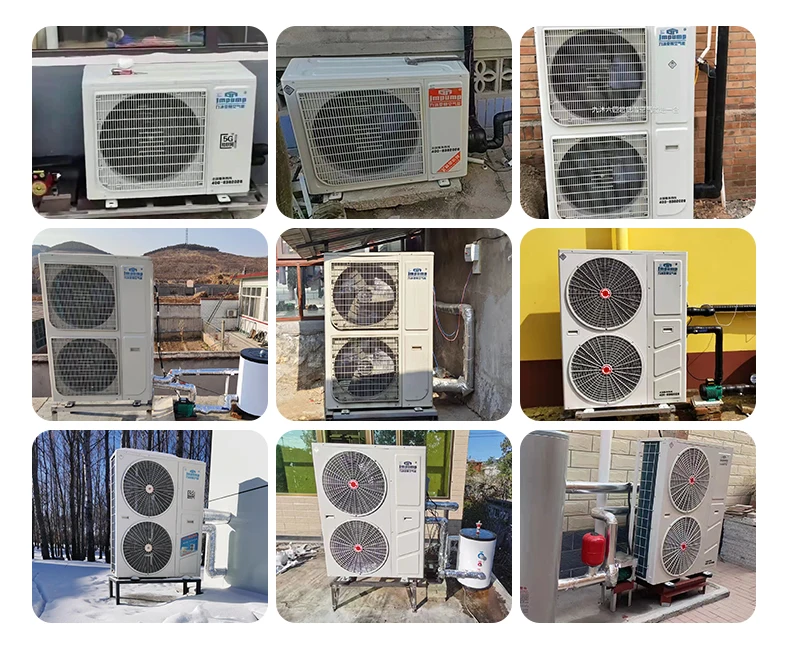
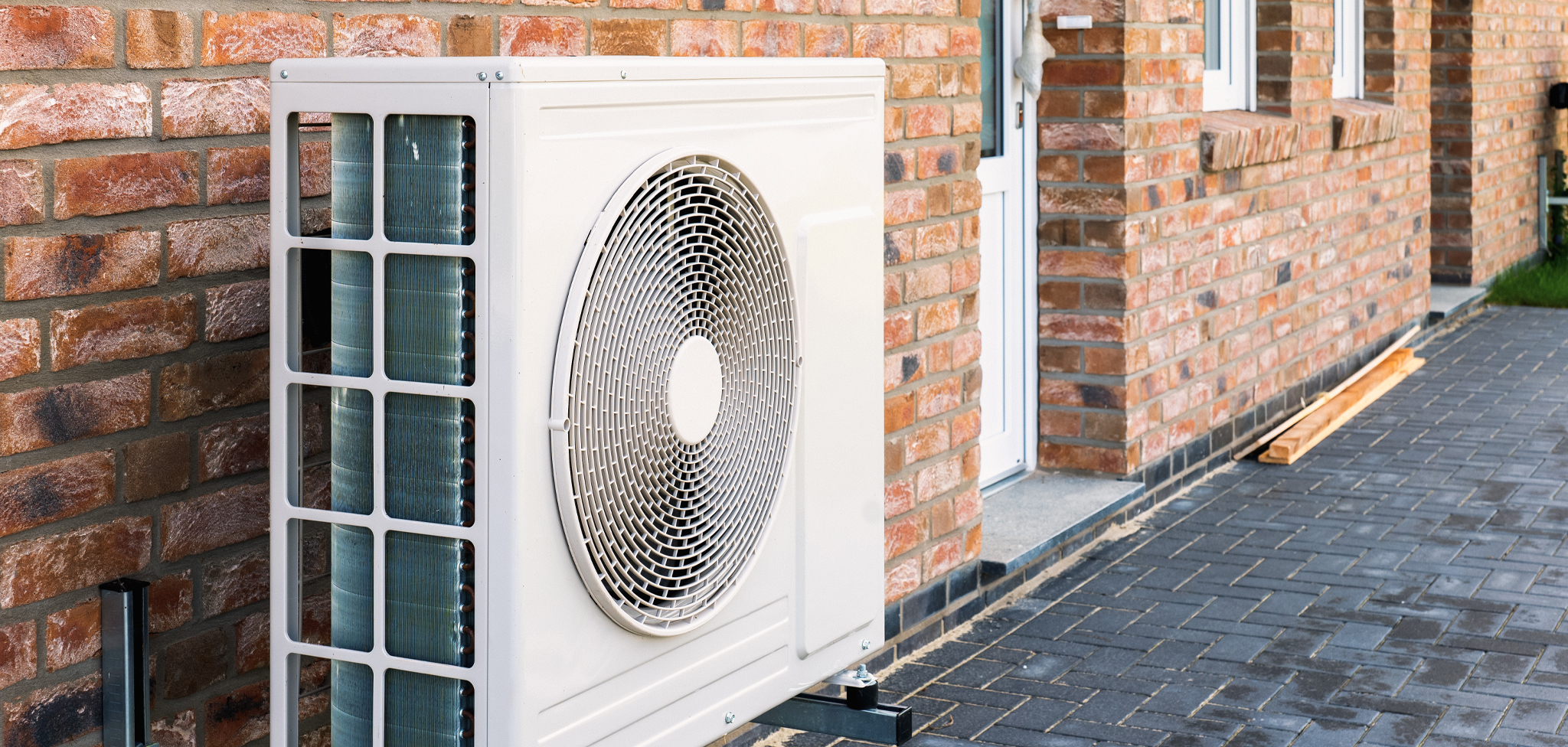
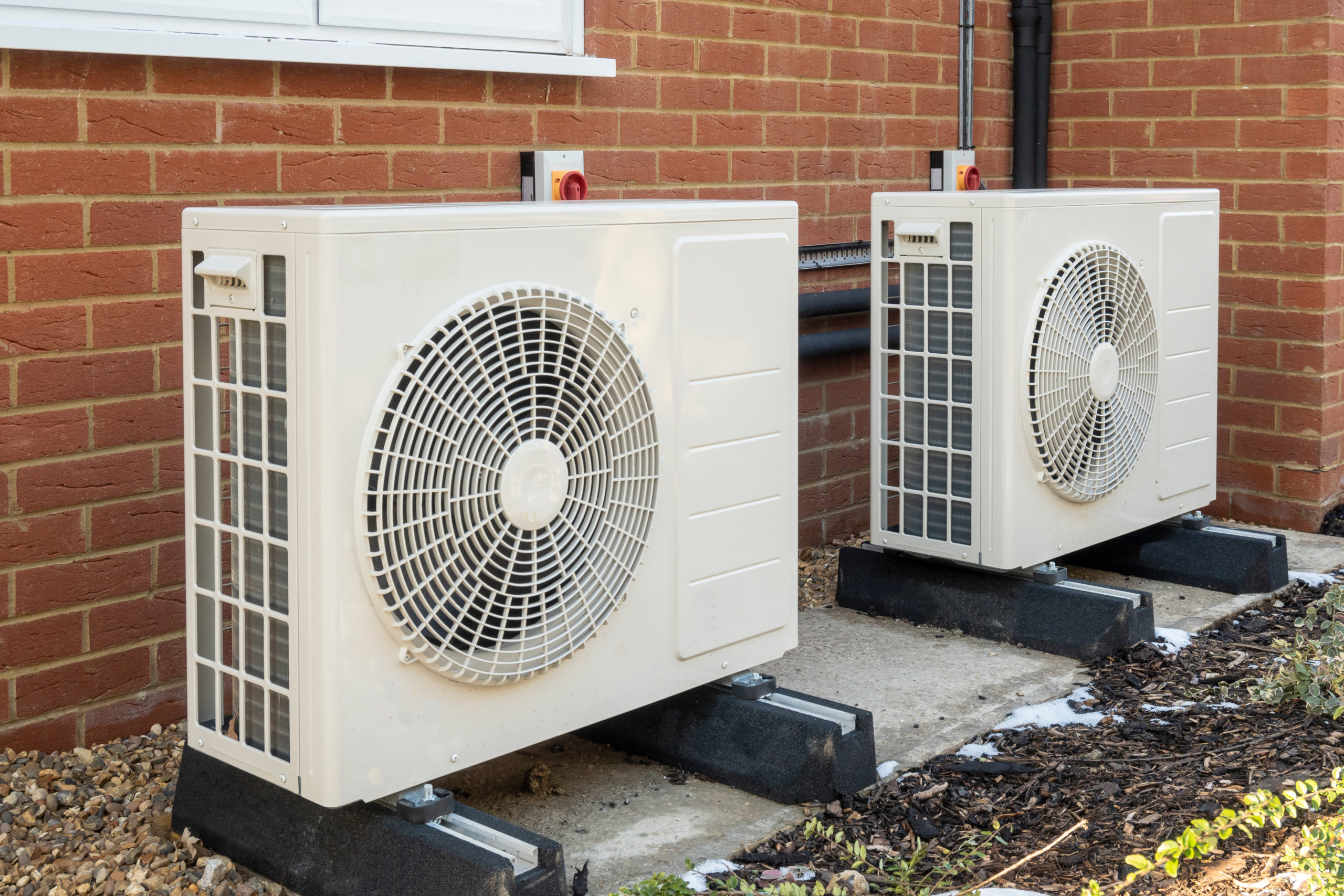
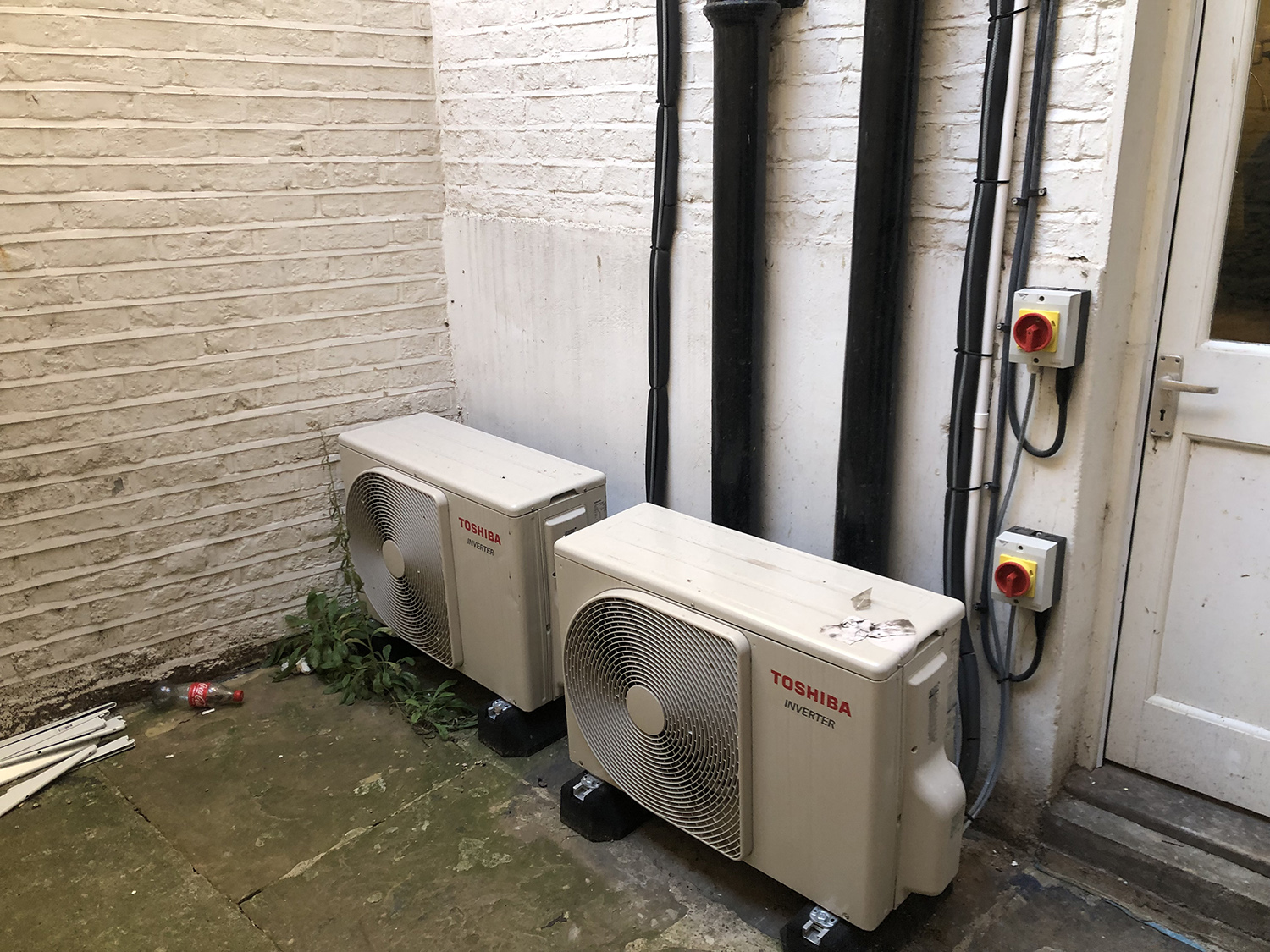
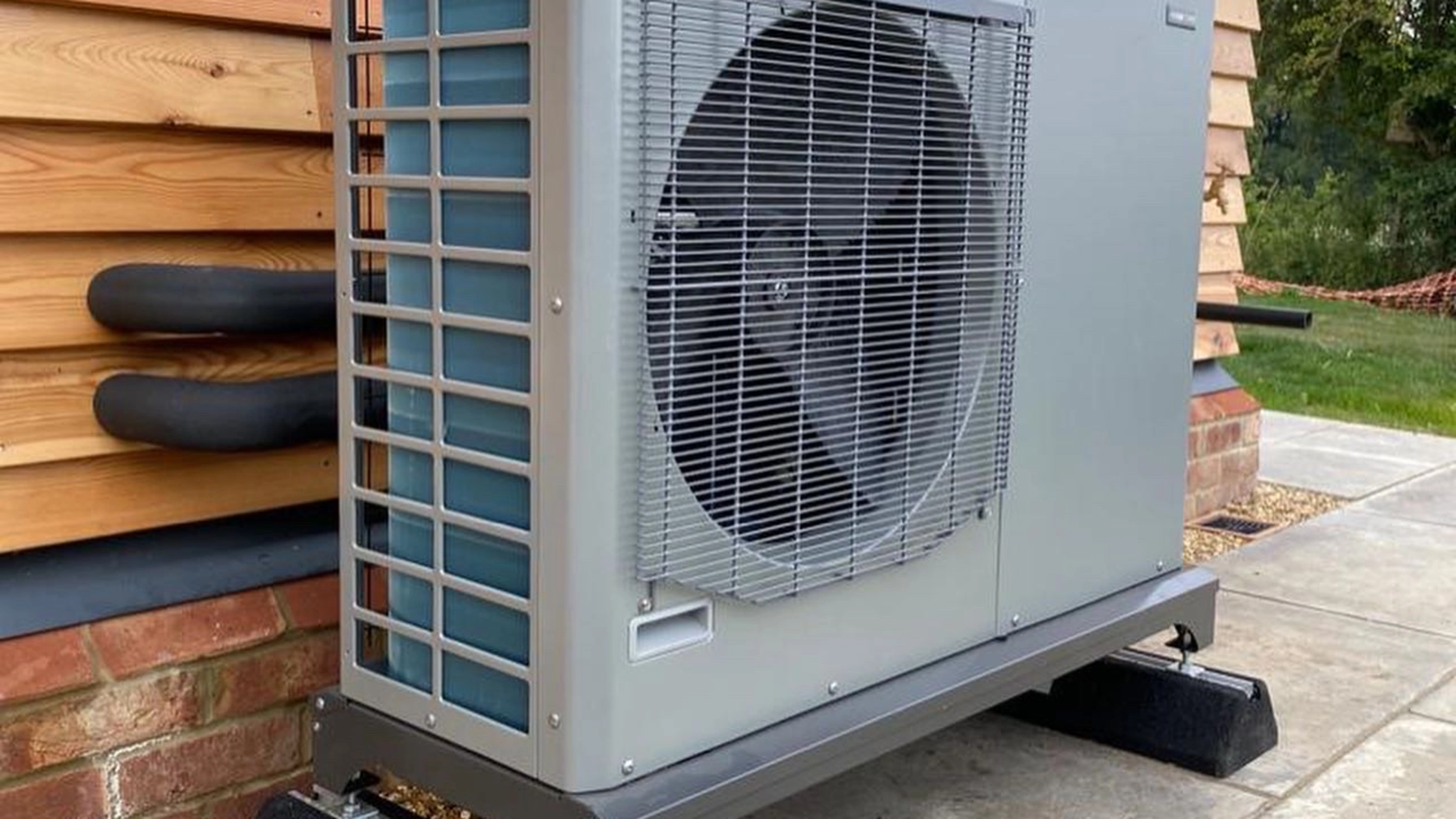
An air-to-air heat pump consists of two main components: an outdoor unit and an indoor unit. The outdoor unit contains a compressor, a condenser coil, and a reversing valve. The indoor unit contains an evaporator coil and a blower fan. A refrigerant circulates between the two units, absorbing and releasing heat as it changes state from liquid to gas and back again.
During the heating season, the refrigerant absorbs heat from the outside air (even in cold temperatures). The refrigerant then flows to the compressor, which increases its pressure and temperature. The hot, high-pressure refrigerant flows to the indoor coil, where it releases heat into your home. The cooled refrigerant then flows back to the outdoor unit to repeat the cycle. When cooling, this process is reversed.
The Pros and Cons of Air-to-Air Heat Pumps
Advantages
- Energy Efficiency: Heat pumps are significantly more energy-efficient than traditional furnaces and air conditioners. They can provide several times more heat energy than the electrical energy they consume, resulting in lower utility bills.
- Dual Functionality: A single heat pump system provides both heating and cooling, eliminating the need for separate furnaces and air conditioners.
- Reduced Carbon Footprint: By using electricity instead of fossil fuels for heating, heat pumps contribute to a lower carbon footprint.
- Quiet Operation: Modern heat pump systems are generally quieter than older furnaces and air conditioners.
- Improved Air Quality: Heat pumps circulate air through filters, helping to remove dust, pollen, and other allergens from your home.
Disadvantages
- Initial Cost: Heat pumps can have a higher upfront cost compared to traditional furnaces and air conditioners.
- Performance in Extreme Cold: In very cold climates, heat pumps may struggle to provide sufficient heat, requiring a backup heating system. This is less of a concern with newer cold-climate heat pumps.
- Refrigerant Leaks: Like any refrigerant-based system, heat pumps are susceptible to refrigerant leaks, which can reduce efficiency and require repairs.
- Maintenance: Regular maintenance is crucial to ensure optimal performance and longevity.
Key Features and Ratings to Consider
When selecting an air-to-air heat pump, it's essential to understand the key features and ratings that indicate its performance and efficiency.
SEER (Seasonal Energy Efficiency Ratio)
SEER measures the cooling efficiency of a heat pump. The higher the SEER rating, the more efficient the unit is at cooling. The minimum SEER rating currently required by the U.S. Department of Energy is 15. Most modern heat pumps have SEER ratings ranging from 15 to 21 or higher. Consider opting for a higher SEER rating if you live in a hot climate and use air conditioning frequently.
HSPF (Heating Seasonal Performance Factor)
HSPF measures the heating efficiency of a heat pump. The higher the HSPF rating, the more efficient the unit is at heating. The minimum HSPF rating currently required is 8.8. Heat pumps with HSPF ratings of 10 or higher are considered highly efficient. If you live in a colder climate, prioritize a heat pump with a higher HSPF rating.
AFUE (Annual Fuel Utilization Efficiency)
While AFUE primarily applies to furnaces, it's important to understand its relationship to heat pumps. Unlike furnaces, heat pumps don't burn fuel, so they don't have an AFUE rating. However, you can compare the overall energy efficiency of a heat pump (based on its SEER and HSPF ratings) to the AFUE of a furnace to determine which system is more cost-effective for your needs.
Variable-Speed Compressors
Heat pumps with variable-speed compressors offer improved efficiency and comfort compared to single-stage or two-stage models. Variable-speed compressors can adjust their output to match the heating or cooling demand, resulting in more consistent temperatures and reduced energy consumption.
Smart Thermostats
Integrating a smart thermostat with your heat pump system can further enhance energy efficiency and convenience. Smart thermostats allow you to remotely control your system, set schedules, and monitor energy usage. Some models even learn your preferences and automatically adjust the temperature to optimize comfort and savings.
Refrigerant Type
The type of refrigerant used in a heat pump can impact its environmental impact. Older systems often used R-22 refrigerant, which is being phased out due to its ozone-depleting properties. Modern heat pumps typically use R-410A refrigerant, which is more environmentally friendly. However, R-410A is also being phased down in favor of refrigerants with lower global warming potential (GWP), such as R-32 and R-454B. When choosing a heat pump, consider the refrigerant type and its environmental impact.
Popular Brands and Models
Several reputable manufacturers offer high-quality air-to-air heat pumps. Here are a few popular brands and models to consider:
- Carrier: Known for their reliable and efficient heat pump systems. Their Infinity series features advanced technology and high SEER and HSPF ratings.
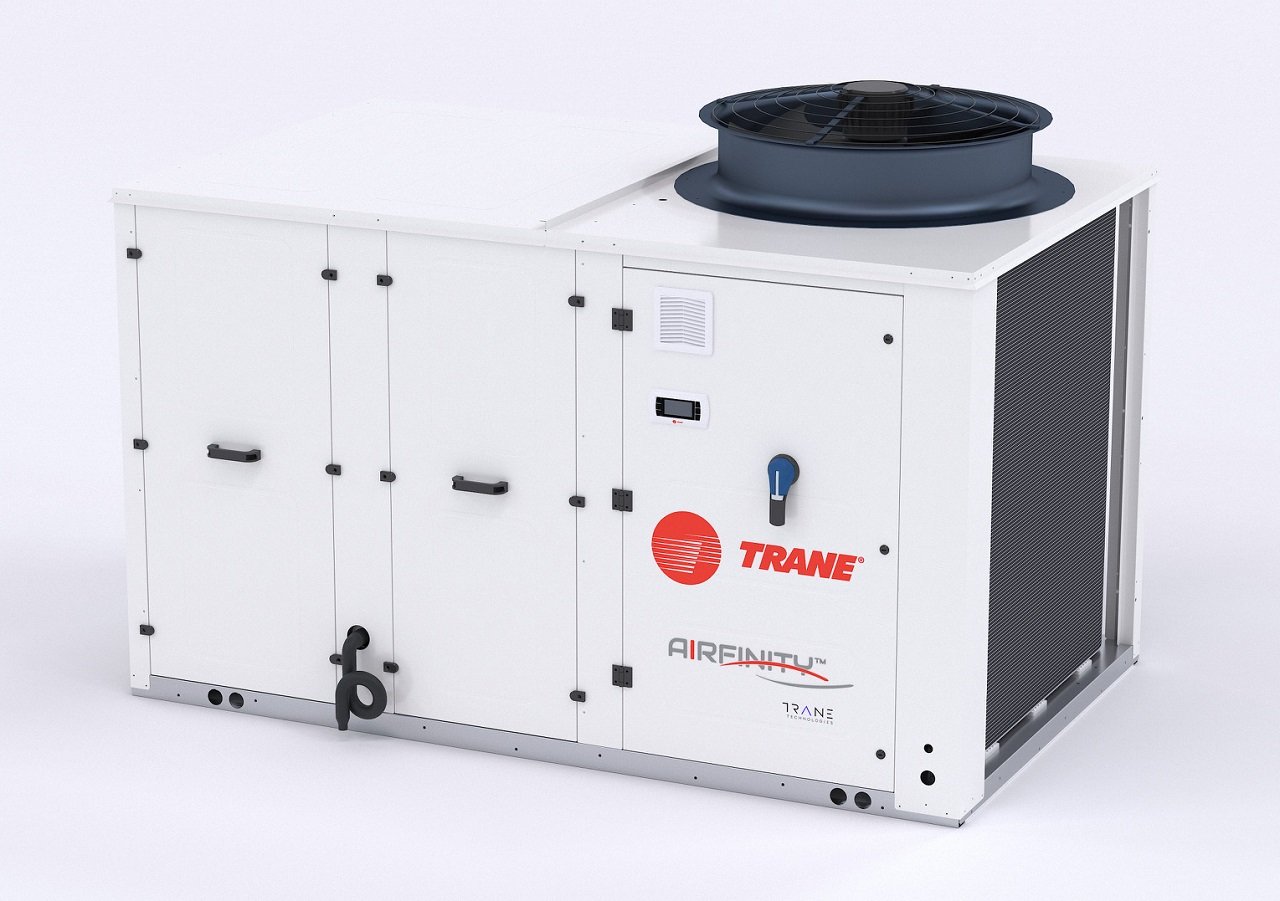
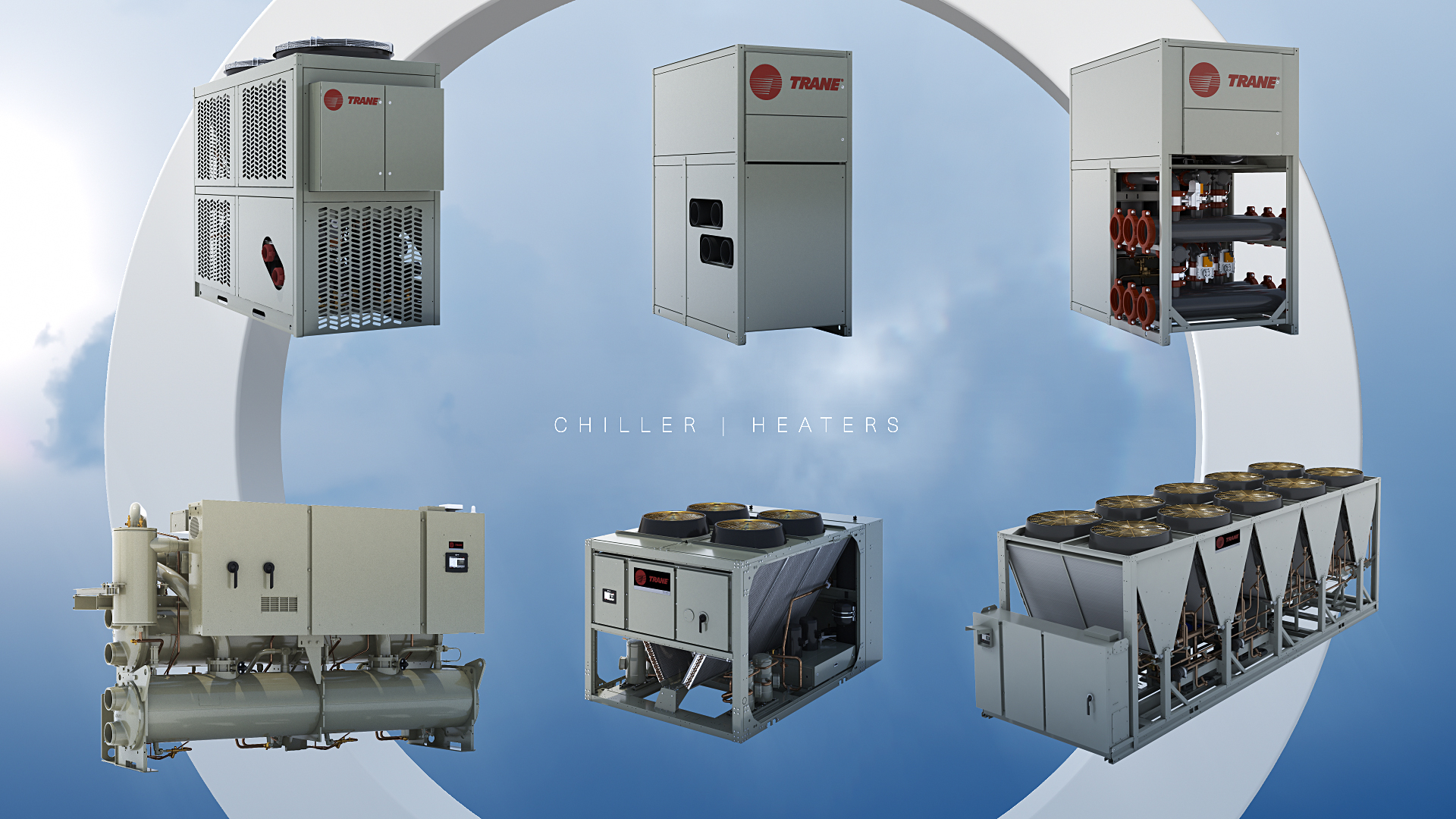
- Trane: Offers a wide range of heat pumps with varying features and price points. The XV20i model is a top-of-the-line option with variable-speed technology.
- Lennox: Focuses on energy-efficient and innovative heating and cooling solutions. Their SL28XCV heat pump is one of the quietest and most efficient models on the market.
- Mitsubishi Electric: Specializes in ductless mini-split heat pumps, which are ideal for homes without ductwork or for zoning specific areas. Their Hyper-Heating INVERTER® models are designed for cold climates.
- Daikin: Offers a range of heat pumps, including both ducted and ductless systems. They are known for their innovative technology and energy-efficient designs.
Pricing and Installation Costs
The cost of an air-to-air heat pump system can vary depending on the brand, model, size, and features. The initial cost is higher than traditional AC units or furnaces, however you should recoup the investment through long term energy savings.
On average, you can expect to pay between $4,000 and $8,000 for the unit itself. Installation costs can range from $1,500 to $5,000 or more, depending on the complexity of the installation and any ductwork modifications that may be required.
Factors that can influence the total cost include:
- System Size: Larger homes require larger heat pumps, which cost more.
- Efficiency Rating: Higher SEER and HSPF ratings typically mean a higher price.
- Features: Advanced features like variable-speed compressors and smart thermostats can add to the cost.
- Ductwork: If your existing ductwork needs to be modified or replaced, this will increase the installation cost.
- Location: Labor costs can vary depending on your geographic location.
It's crucial to get quotes from multiple HVAC contractors to compare pricing and services. Be sure to ask for a detailed breakdown of all costs involved, including the cost of the unit, installation, and any additional work that may be required.
Warranties and Maintenance
Most heat pump manufacturers offer warranties on their products. Standard warranties typically cover parts for 5 to 10 years. Some manufacturers also offer extended warranties that cover labor costs. It's important to read the warranty terms and conditions carefully to understand what is covered and what is not.
Regular maintenance is essential to ensure optimal performance and longevity of your heat pump system. It is crucial that you stick to a regular and ongoing maintanence schedule to ensure optimal performance and efficiency.
Recommended maintenance tasks include:
- Regular filter changes: Replace the air filter every 1-3 months to maintain proper airflow and prevent dust buildup.
- Coil cleaning: Clean the outdoor and indoor coils at least once a year to remove dirt and debris.
- Refrigerant checks: Have a qualified technician check the refrigerant levels annually to ensure proper operation.
- Ductwork inspection: Inspect the ductwork for leaks and damage, and seal any leaks to improve efficiency.
- Professional maintenance: Schedule a professional maintenance checkup at least once a year to ensure that all components are functioning properly.
Making the Right Choice
Choosing the right air-to-air heat pump involves careful consideration of your needs, budget, and climate. By understanding the key features, ratings, and benefits of different systems, you can make an informed decision that will provide years of comfortable and energy-efficient heating and cooling. Consult with qualified HVAC professionals to assess your home's specific requirements and recommend the best heat pump solution for your needs.
By investing in an energy-efficient heat pump, you can lower your utility bills, reduce your carbon footprint, and enjoy a comfortable indoor environment year-round.