Air To Air Heat Recovery Exchanger

In the ever-evolving world of HVAC (Heating, Ventilation, and Air Conditioning), efficiency and sustainability are no longer just buzzwords; they are essential components of modern building design and operation. Among the technologies driving this shift, the air-to-air heat recovery exchanger stands out as a particularly impactful solution. This article delves into the workings, benefits, career implications, and future trends surrounding this vital HVAC component.
What is an Air-to-Air Heat Recovery Exchanger?
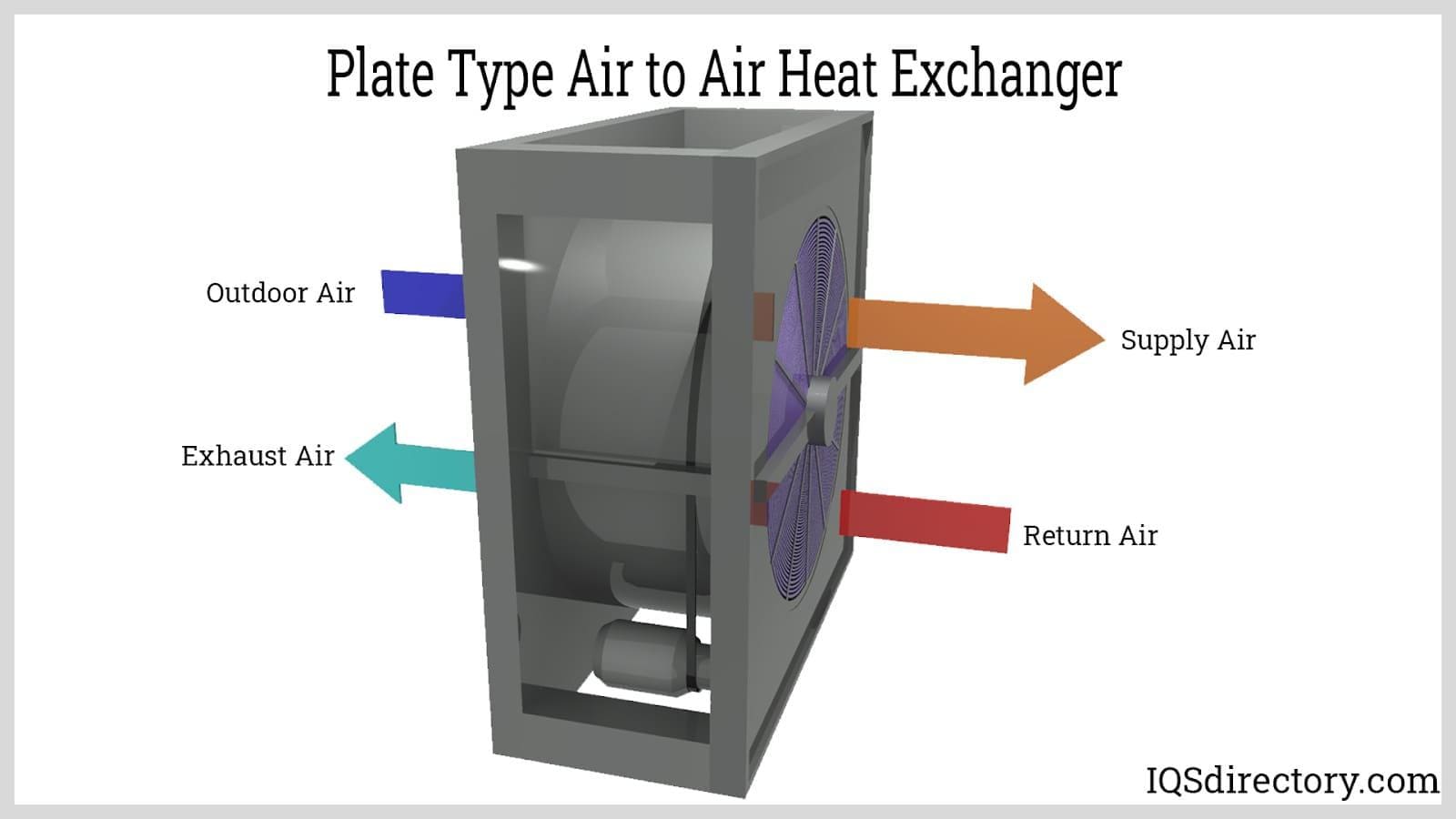
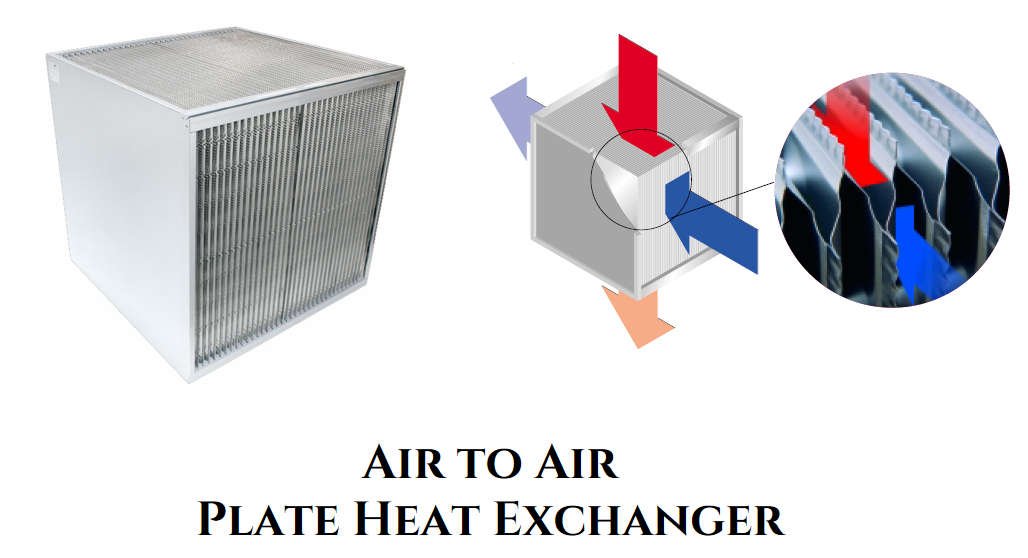
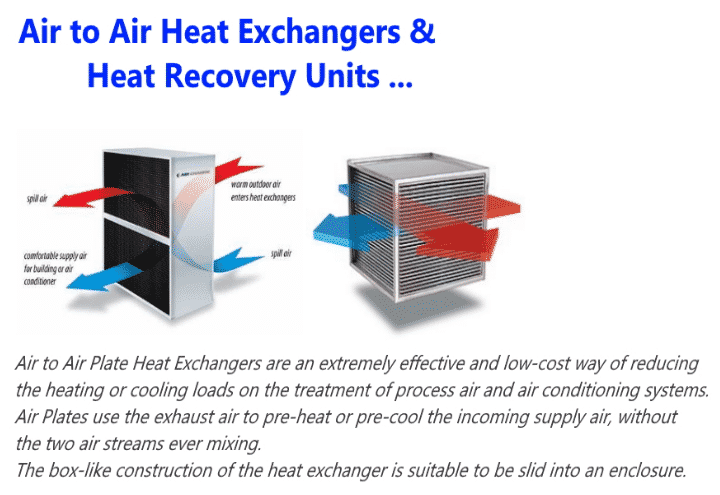
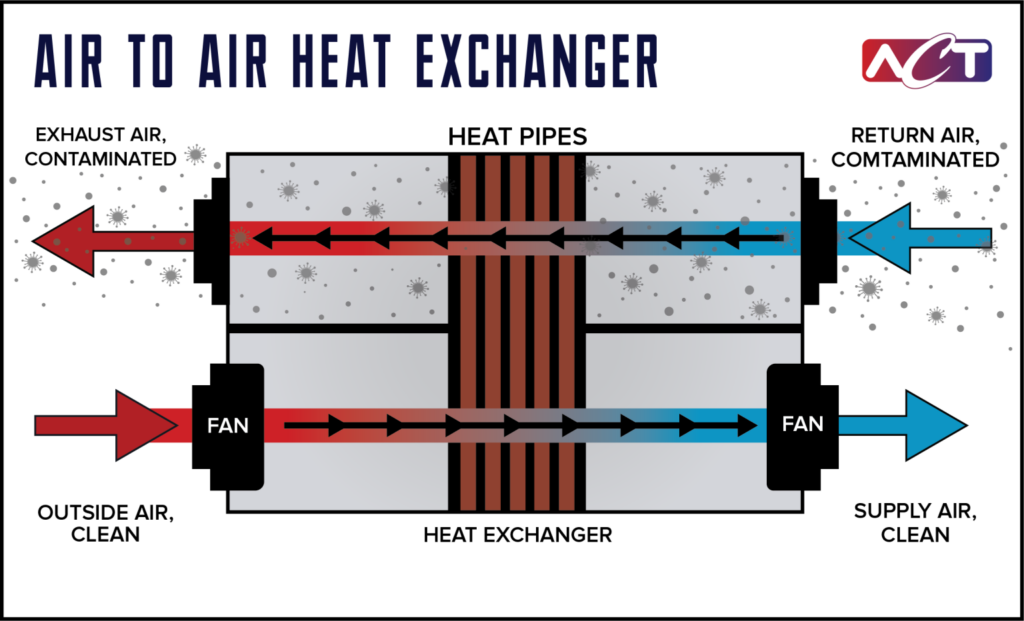
An air-to-air heat recovery exchanger, also known as a heat recovery ventilator (HRV) or energy recovery ventilator (ERV), is a mechanical system designed to recover energy from exhaust air and use it to pre-condition incoming fresh air. The core principle involves transferring heat or both heat and moisture between two air streams without mixing them. This process significantly reduces the energy required to heat or cool the incoming air, resulting in substantial energy savings and improved indoor air quality (IAQ).
There are several types of air-to-air heat recovery exchangers, including:
- Plate Heat Exchangers: These use a series of thin, corrugated plates to transfer heat between the two air streams. They are simple, efficient, and relatively inexpensive.
- Rotary Heat Exchangers (Energy Wheels): These utilize a rotating wheel with a heat-absorbing material to transfer heat and sometimes moisture between the air streams. They offer high efficiency but are more complex than plate exchangers.
- Heat Pipe Heat Exchangers: These employ sealed pipes filled with a refrigerant to transfer heat. They are effective for transferring heat over longer distances.
Why Are Heat Recovery Exchangers Important?
The increasing demand for energy-efficient and sustainable buildings has fueled the adoption of air-to-air heat recovery exchangers. Here's why they are so important:
- Energy Savings: By pre-conditioning incoming air, these systems significantly reduce the load on heating and cooling equipment, leading to substantial energy savings. Studies have shown that HRVs and ERVs can reduce heating and cooling energy consumption by 20% to 80%, depending on climate and application.
- Improved Indoor Air Quality: Heat recovery exchangers ensure a continuous supply of fresh, filtered air while exhausting stale, polluted indoor air. This is particularly crucial in tightly sealed buildings where pollutants can accumulate.
- Reduced Carbon Footprint: Lower energy consumption translates to reduced greenhouse gas emissions, contributing to a more sustainable built environment.
- Compliance with Building Codes: Many modern building codes and standards, such as LEED (Leadership in Energy and Environmental Design), require or incentivize the use of heat recovery ventilation systems.
Career Opportunities in Air-to-Air Heat Recovery Exchangers
The growing demand for energy-efficient HVAC systems has created a surge in career opportunities related to air-to-air heat recovery exchangers. These opportunities span various roles, from installation and maintenance to design and sales.
HVAC Technicians
HVAC technicians play a crucial role in installing, maintaining, and repairing air-to-air heat recovery exchangers. Their responsibilities include:
- Properly sizing and selecting the appropriate heat recovery exchanger for a given application.
- Installing the system according to manufacturer specifications and relevant codes.
- Performing routine maintenance, such as cleaning filters and inspecting components.
- Troubleshooting and repairing system malfunctions.
Job Outlook: The Bureau of Labor Statistics projects a 6% growth for HVAC mechanics and installers from 2022 to 2032, about as fast as the average for all occupations. This growth is driven by increasing demand for energy-efficient HVAC systems and the need to replace aging equipment.
Salary Range: The median annual wage for HVAC mechanics and installers was $59,620 in May 2023. The lowest 10 percent earned less than $36,830, and the highest 10 percent earned more than $97,780.
HVAC Engineers
HVAC engineers are responsible for designing and specifying air-to-air heat recovery exchangers in building projects. Their responsibilities include:
- Conducting energy audits and load calculations to determine the appropriate size and type of heat recovery exchanger.
- Integrating the heat recovery exchanger into the overall HVAC system design.
- Ensuring compliance with building codes and energy efficiency standards.
- Working with architects and other building professionals to optimize system performance.
Job Outlook: The Bureau of Labor Statistics projects a 4% growth for mechanical engineers from 2022 to 2032, about as fast as the average for all occupations. The demand for HVAC engineers with expertise in energy-efficient technologies is expected to be particularly strong.
Salary Range: The median annual wage for mechanical engineers was $99,290 in May 2023. The lowest 10 percent earned less than $64,380, and the highest 10 percent earned more than $141,030.
HVAC Sales and Marketing Professionals
Sales and marketing professionals play a critical role in promoting and selling air-to-air heat recovery exchangers to building owners, contractors, and engineers. Their responsibilities include:
- Educating customers about the benefits of heat recovery ventilation.
- Developing sales strategies and marketing materials.
- Building relationships with key decision-makers.
- Providing technical support and assistance to customers.
Salary Range: Salaries for HVAC sales and marketing professionals vary depending on experience, location, and the size of the company. However, earning potential is typically strong, with opportunities for commission and bonuses.
Essential Certifications and Training
Several certifications and training programs can enhance your career prospects in the field of air-to-air heat recovery exchangers:
- NATE (North American Technician Excellence): NATE certification is widely recognized as a mark of excellence in the HVAC industry. NATE offers certifications for various specialties, including installation, service, and efficiency.
- EPA Section 608 Certification: This certification is required for technicians who handle refrigerants, including those used in some heat pipe heat exchangers.
- LEED Accreditation: LEED accreditation demonstrates a commitment to sustainable building practices and can be beneficial for professionals involved in the design and specification of heat recovery ventilation systems.
- Manufacturer-Specific Training: Many manufacturers of air-to-air heat recovery exchangers offer training programs on their products. These programs can provide valuable knowledge and skills for installation, maintenance, and troubleshooting.
Real-World Career Paths
Here are a few examples of career paths you can pursue with expertise in air-to-air heat recovery exchangers:
- Entry-Level Technician -> Lead Technician -> HVAC Supervisor: Start by gaining hands-on experience installing and maintaining HVAC systems, including heat recovery exchangers. Pursue NATE certification and gradually take on more responsibility, eventually leading a team of technicians.
- HVAC Engineer -> Energy Efficiency Consultant: Specialize in the design and optimization of energy-efficient HVAC systems. Provide consulting services to building owners and developers, helping them to achieve their sustainability goals.
- Sales Representative -> Regional Sales Manager: Start by selling HVAC equipment and building relationships with customers. Develop your sales skills and product knowledge, eventually managing a team of sales representatives and expanding the company's market share.
Future Trends in Air-to-Air Heat Recovery Exchangers
The future of air-to-air heat recovery exchangers is bright, with several key trends shaping the industry:
- Increased Adoption in Residential Buildings: As building codes become stricter and homeowners become more aware of the benefits of energy efficiency and IAQ, the demand for HRVs and ERVs in residential buildings will continue to grow.
- Integration with Smart Home Technology: Air-to-air heat recovery exchangers are increasingly being integrated with smart home systems, allowing homeowners to control and monitor their ventilation systems remotely.
- Development of More Efficient and Compact Systems: Manufacturers are constantly working to improve the efficiency and reduce the size of heat recovery exchangers, making them easier to install in a wider range of buildings.
- Focus on Improved IAQ: Future systems will likely incorporate more advanced filtration and purification technologies to further enhance indoor air quality.
The Bottom Line
Air-to-air heat recovery exchangers are a critical component of modern energy-efficient buildings. As the demand for sustainable HVAC solutions continues to grow, skilled professionals with expertise in these systems will be in high demand. Whether you are an HVAC student, an experienced technician, or an employer looking to hire skilled workers, understanding the principles and applications of air-to-air heat recovery exchangers is essential for success in the HVAC industry. Embrace the opportunity to learn and grow in this exciting and rapidly evolving field. By investing in training, certifications, and continuous learning, you can position yourself for a rewarding and impactful career in the world of sustainable HVAC.
Investing in your knowledge and skills related to air-to-air heat recovery exchangers is an investment in your future. The HVAC industry is constantly evolving, and staying ahead of the curve is essential for long-term success.