Air To Air Source Heat Pumps
Air-to-air source heat pumps are becoming increasingly popular for home heating and cooling. They offer an energy-efficient alternative to traditional furnaces and air conditioners, but understanding how they work and whether they're suitable for your needs is crucial. This guide provides a comprehensive overview to help you make an informed decision.
What is an Air-to-Air Source Heat Pump?
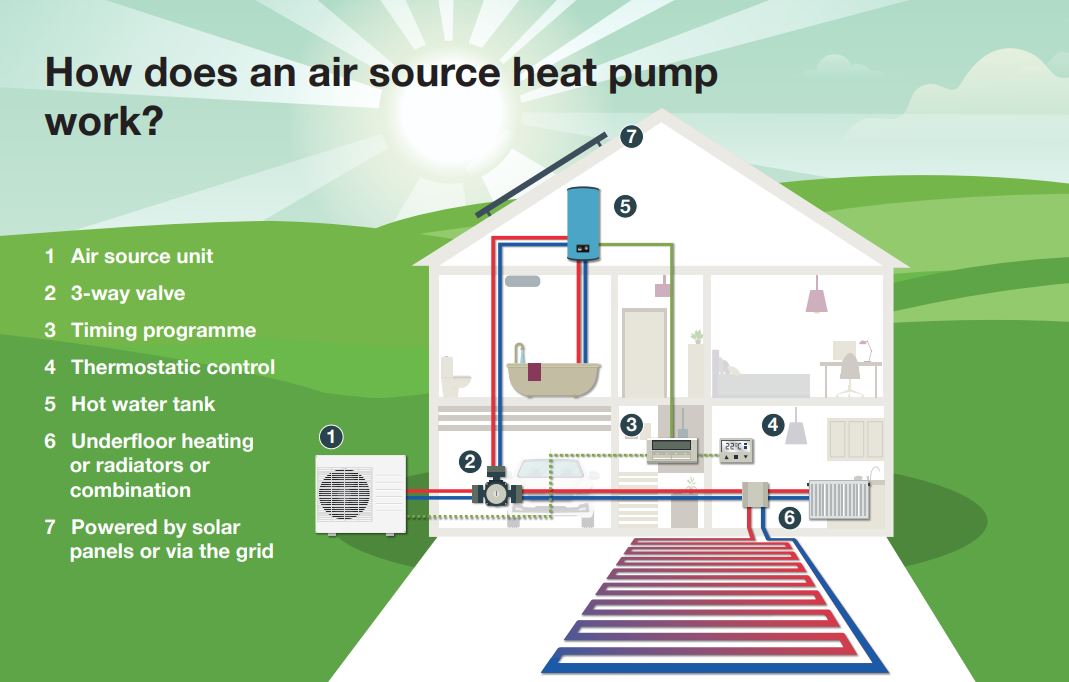
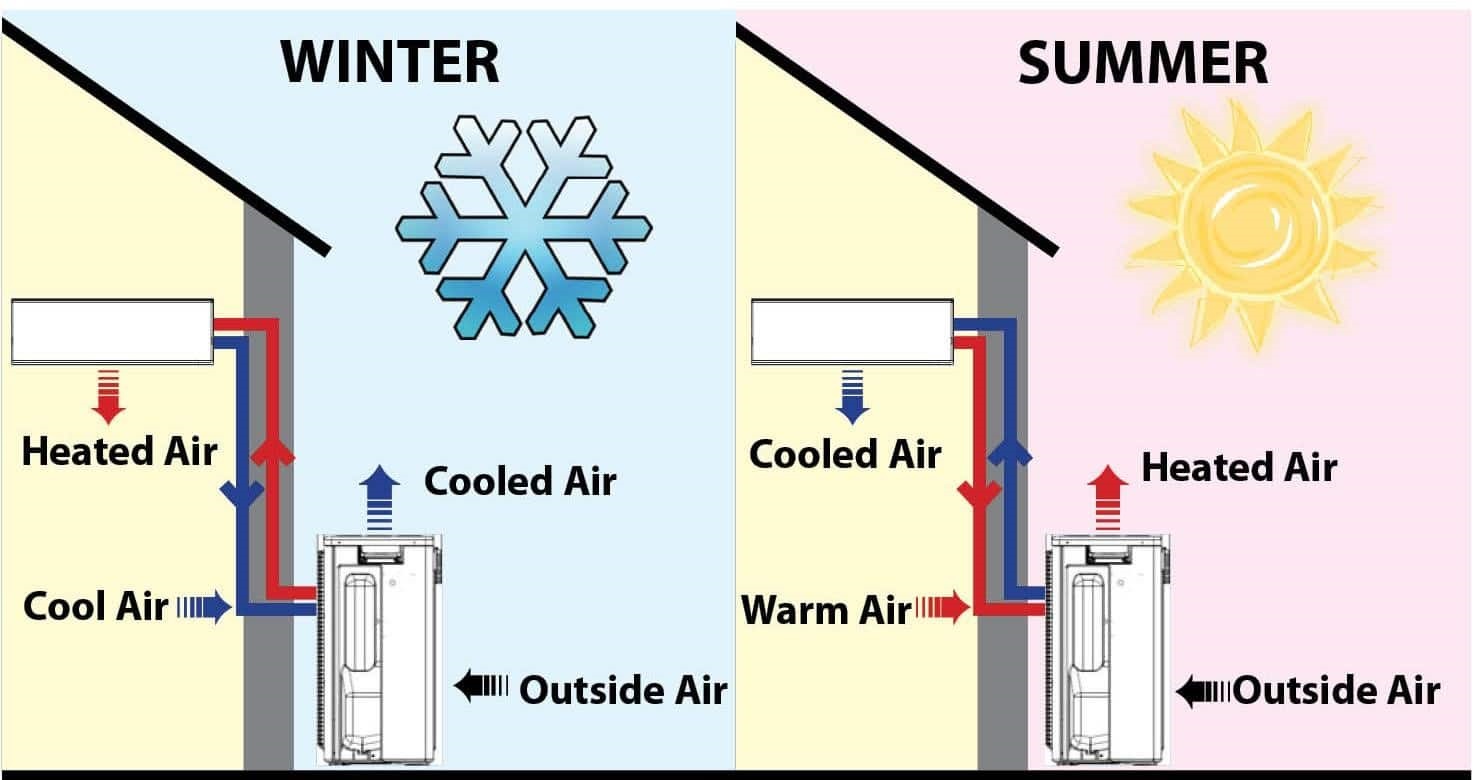
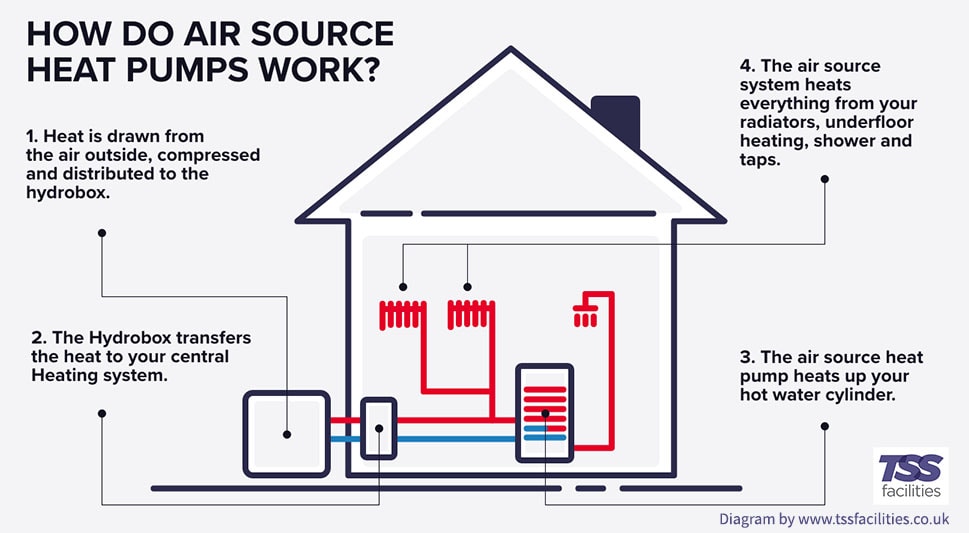
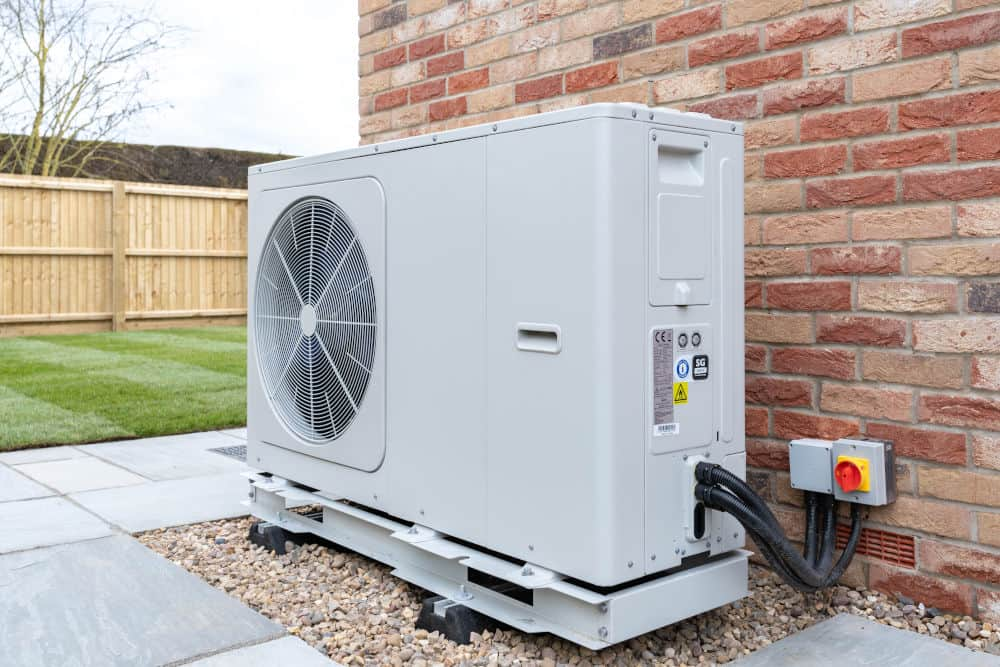
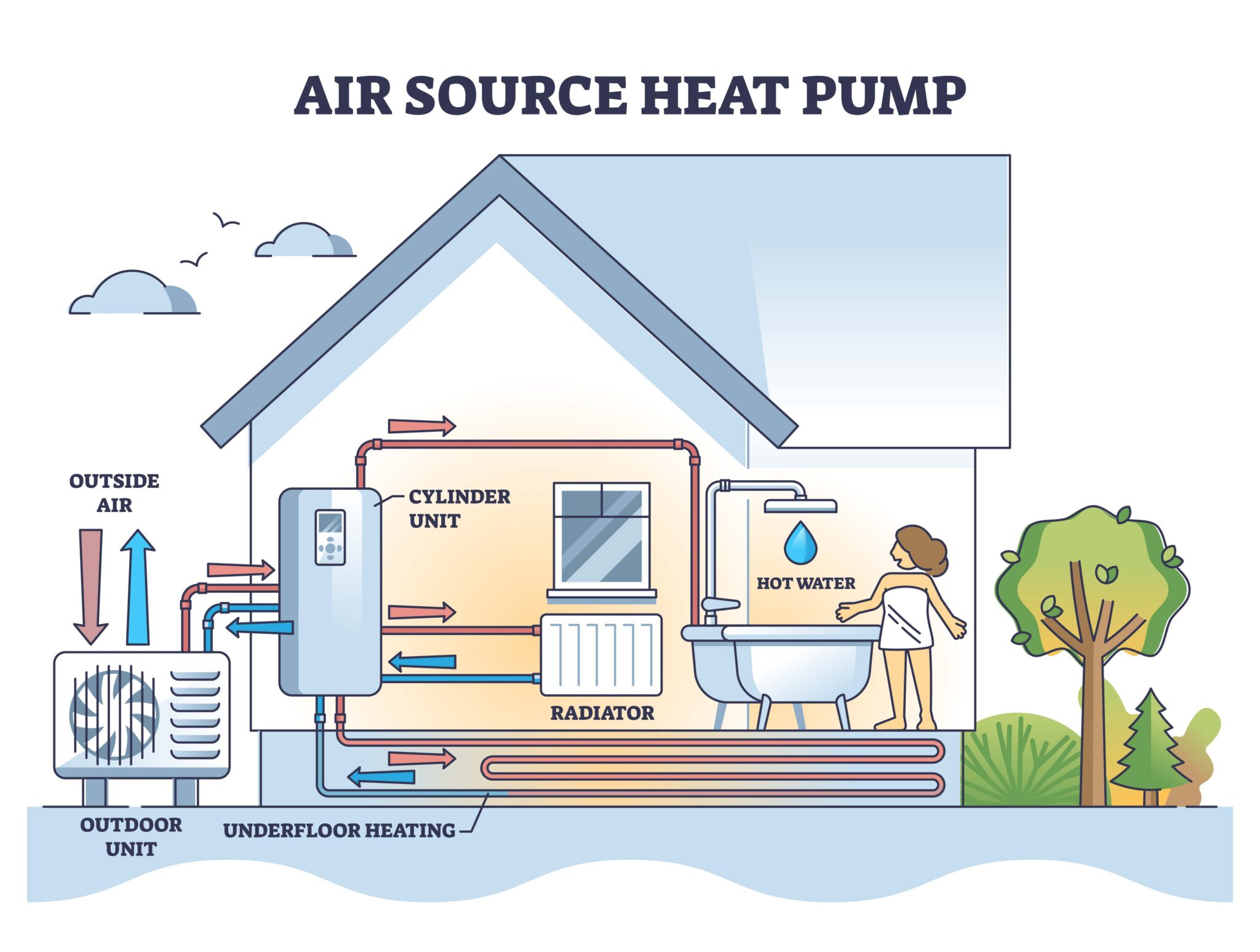
At its core, an air-to-air source heat pump is a device that transfers heat from one place to another. Unlike furnaces that burn fuel to create heat, heat pumps simply move existing heat. In the winter, they extract heat from the outside air and transfer it inside your home. In the summer, they reverse the process, removing heat from inside and releasing it outside. Think of it like an air conditioner that can also run in reverse.
The term "air-to-air" refers to the fact that the heat source and sink are both air. The pump extracts heat from the outside air (even when it's cold) and transfers it to the indoor air, or vice versa.
Key Components
Understanding the main components is essential to grasp how a heat pump operates:
- Refrigerant: This is the working fluid that circulates throughout the system, absorbing and releasing heat. Think of refrigerant as the "blood" of the heat pump, carrying heat from one place to another.
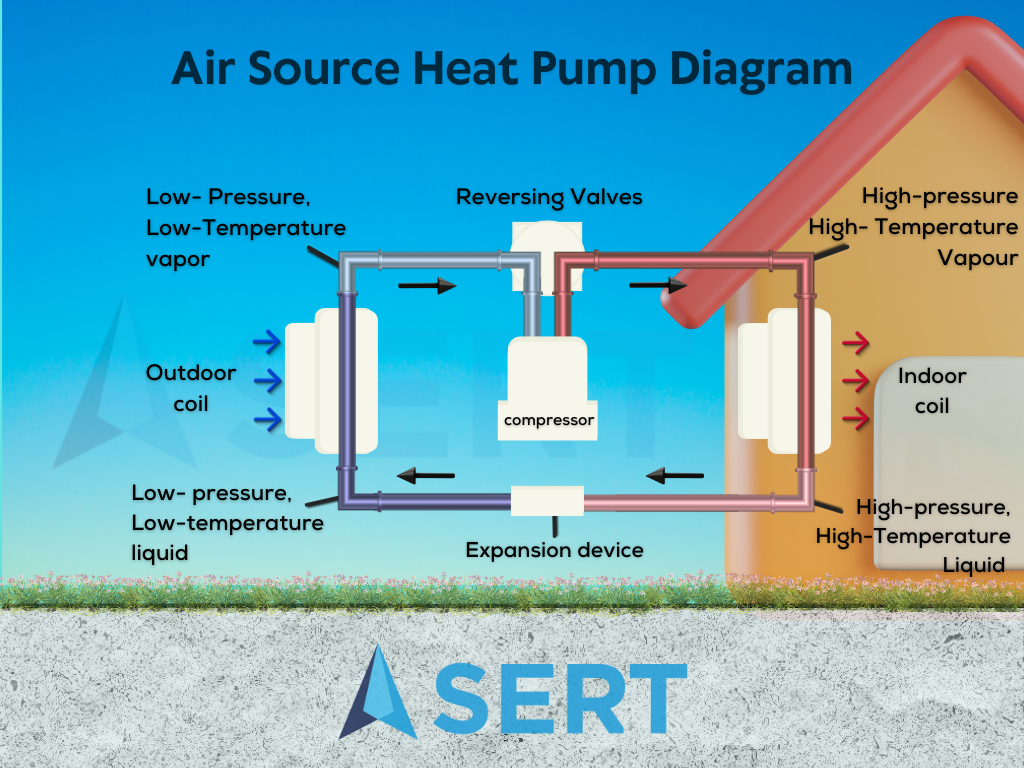
- Compressor: The compressor is the heart of the system, increasing the pressure and temperature of the refrigerant. This allows the refrigerant to efficiently release heat inside your home during the winter and outside during the summer.
- Evaporator Coil: Located outside in winter, the evaporator coil absorbs heat from the outside air, causing the refrigerant to evaporate from a liquid to a gas. In summer, it's inside, absorbing heat from indoor air.
- Condenser Coil: Located inside in winter, the condenser coil releases the heat absorbed by the refrigerant into your home, causing the refrigerant to condense from a gas to a liquid. In summer, it's outside, releasing heat to the outside air.
- Reversing Valve: This valve is critical for switching the heat pump between heating and cooling modes. It reverses the flow of refrigerant, changing the direction of heat transfer.
- Expansion Valve: Regulates the flow of refrigerant into the evaporator coil, reducing its pressure and temperature.
- Fan(s): One or more fans are used to blow air across the coils, facilitating heat transfer. There's typically an outdoor fan to blow air across the outside coil and an indoor fan (usually part of your existing air handler or furnace) to circulate air through your home.
How Does an Air-to-Air Heat Pump Work?
The operation of an air-to-air heat pump can be broken down into two modes: heating and cooling.
Heating Mode (Winter)
- Heat Absorption: The outdoor unit's evaporator coil absorbs heat from the outside air. Even when the air is cold, it still contains some heat energy. The refrigerant absorbs this heat and evaporates into a gas.
- Compression: The gaseous refrigerant is compressed by the compressor, increasing its temperature and pressure significantly.
- Heat Release: The hot, high-pressure refrigerant flows to the indoor unit's condenser coil. Here, it releases its heat into the indoor air, warming your home. As it releases heat, the refrigerant condenses back into a liquid.
- Expansion: The liquid refrigerant flows through an expansion valve, which reduces its pressure and temperature, preparing it to absorb more heat in the outdoor evaporator coil.
- Cycle Repeats: The cycle repeats continuously, transferring heat from the outside to the inside until your desired temperature is reached.
Cooling Mode (Summer)
In cooling mode, the process is reversed:
- Heat Absorption: The indoor unit's evaporator coil absorbs heat from the indoor air, cooling your home. The refrigerant evaporates into a gas.
- Compression: The gaseous refrigerant is compressed, increasing its temperature and pressure.
- Heat Release: The hot, high-pressure refrigerant flows to the outdoor unit's condenser coil. Here, it releases its heat into the outside air. As it releases heat, the refrigerant condenses back into a liquid.
- Expansion: The liquid refrigerant flows through an expansion valve, reducing its pressure and temperature, preparing it to absorb more heat in the indoor evaporator coil.
- Cycle Repeats: The cycle repeats continuously, transferring heat from the inside to the outside until your desired temperature is reached.
The reversing valve is what allows the heat pump to switch between these two modes.
Advantages of Air-to-Air Source Heat Pumps
Heat pumps offer several advantages over traditional heating and cooling systems:
- Energy Efficiency: Heat pumps are generally more energy-efficient than electric resistance heating (e.g., baseboard heaters) and can be more efficient than some gas furnaces. They move heat rather than generating it, consuming less energy.
- Dual Functionality: A single unit provides both heating and cooling, eliminating the need for separate furnace and air conditioner systems.
- Environmentally Friendly: By using electricity, heat pumps reduce reliance on fossil fuels, leading to lower carbon emissions, especially when powered by renewable energy sources.
- Quieter Operation: Heat pumps tend to be quieter than traditional furnaces and air conditioners.
- Improved Air Quality: Some heat pumps include air filtration systems, which can help improve indoor air quality.
Disadvantages of Air-to-Air Source Heat Pumps
While heat pumps offer many benefits, there are also some potential drawbacks to consider:
- Lower Heating Capacity in Extremely Cold Weather: Traditional air-to-air heat pumps can lose efficiency and heating capacity in very cold temperatures (below freezing). As the outside temperature drops, it becomes more difficult for the heat pump to extract heat from the air. Newer models with advanced technologies are better at handling cold temperatures.
- Auxiliary Heat: In extremely cold weather, a heat pump may require auxiliary heat (usually electric resistance heat) to maintain comfortable indoor temperatures. This can reduce energy efficiency.
- Higher Upfront Cost: The initial cost of purchasing and installing a heat pump can be higher than that of a traditional furnace or air conditioner. However, long-term energy savings can offset this cost.
- Not Suitable for All Climates: In regions with very harsh winters, heat pumps may not be the most cost-effective heating solution, unless they are specifically designed for cold climates.
- Maintenance: Like any HVAC system, heat pumps require regular maintenance to ensure optimal performance.
Factors to Consider When Choosing a Heat Pump
Several factors should be considered when choosing an air-to-air source heat pump:
- Climate: The climate you live in is a crucial factor. In mild climates, a heat pump can be an excellent choice. In colder climates, consider cold-climate heat pumps or pairing a heat pump with a backup heating system.
- Home Size and Insulation: The size of your home and its insulation levels will affect the size and type of heat pump you need. A properly sized heat pump will operate more efficiently and effectively.
- Energy Efficiency Ratings: Look for heat pumps with high energy efficiency ratings, such as SEER (Seasonal Energy Efficiency Ratio) for cooling and HSPF (Heating Seasonal Performance Factor) for heating. Higher ratings indicate greater efficiency.
- Noise Levels: Consider the noise levels of the heat pump, especially if it will be located near bedrooms or living areas.
- Refrigerant Type: Newer heat pumps use more environmentally friendly refrigerants with lower global warming potential.
- Installation and Maintenance: Choose a qualified HVAC contractor for installation and ensure that you understand the maintenance requirements of your heat pump.
- Budget: Determine your budget and compare different models and brands within your price range. Remember to factor in potential energy savings when making your decision.
Types of Air-to-Air Heat Pumps
There are primarily two types of air-to-air heat pumps:
- Traditional Heat Pumps: These are the most common type and are suitable for moderate climates. They are typically less efficient at lower temperatures and may require auxiliary heat.
- Cold-Climate Heat Pumps: These are designed to operate efficiently in colder climates. They incorporate advanced technologies, such as enhanced vapor injection (EVI) compressors, to maintain heating capacity at low temperatures.
Maintenance Tips for Air-to-Air Heat Pumps
Regular maintenance is essential to ensure the optimal performance and longevity of your heat pump:
- Clean Air Filters: Regularly clean or replace air filters to maintain proper airflow and prevent the heat pump from working harder than necessary. Dirty filters can reduce efficiency and damage the system.
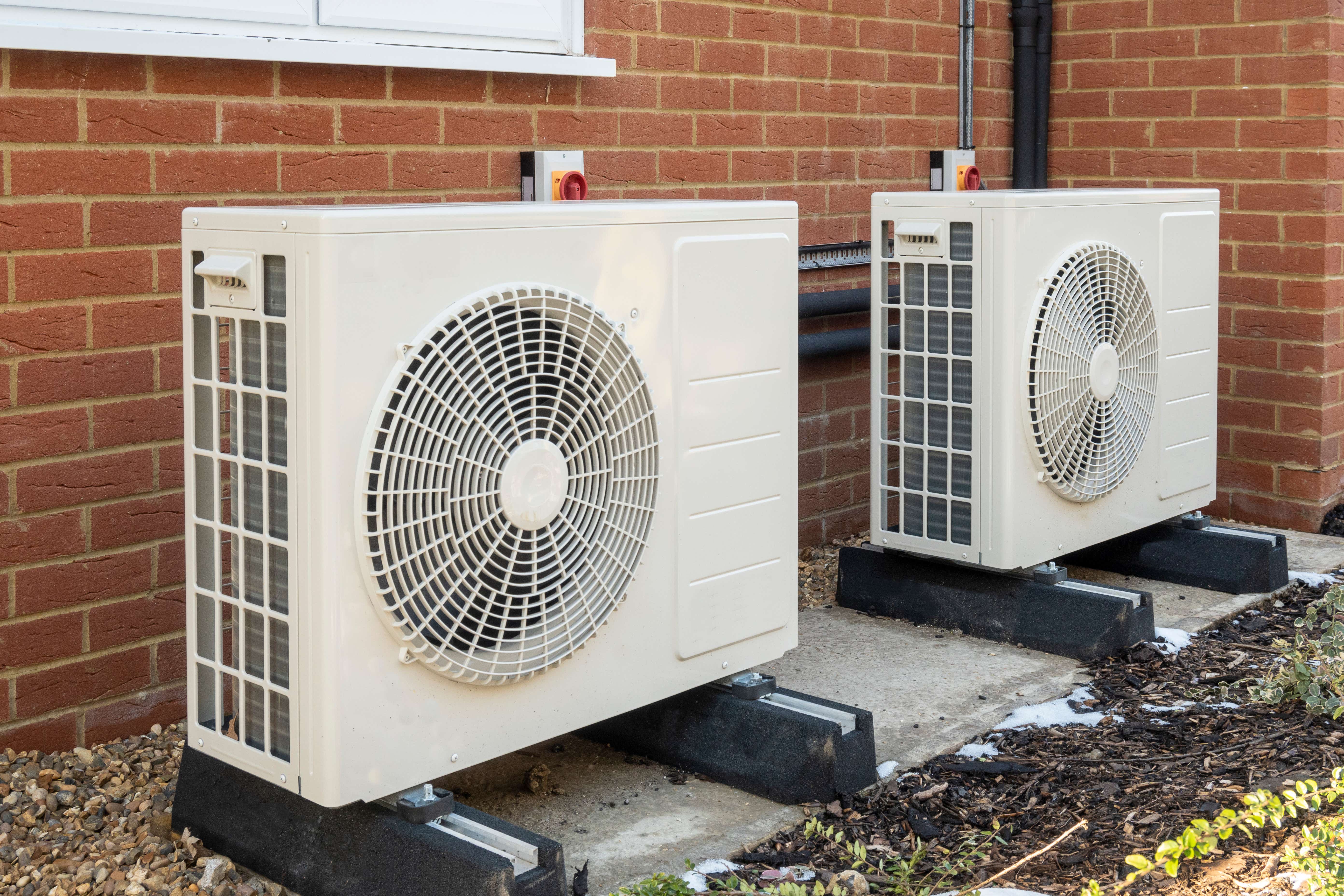
- Clean Outdoor Unit: Remove any debris, such as leaves, twigs, and grass, from around the outdoor unit. Keep the coils clean to allow for efficient heat transfer.
- Inspect Coils: Periodically inspect the indoor and outdoor coils for dirt and debris. Clean them if necessary.
- Check Refrigerant Levels: Have a qualified technician check the refrigerant levels periodically. Low refrigerant can reduce efficiency and damage the compressor.
- Inspect Ductwork: If your heat pump is connected to ductwork, inspect the ducts for leaks and seal them to improve efficiency.
- Schedule Professional Maintenance: Schedule annual maintenance with a qualified HVAC technician. They can perform a thorough inspection, clean the system, and identify any potential problems.
Conclusion
Air-to-air source heat pumps offer an energy-efficient and environmentally friendly alternative to traditional heating and cooling systems. While they may not be suitable for all climates or situations, they can be an excellent choice for many homeowners. By understanding how heat pumps work, considering the factors outlined in this guide, and performing regular maintenance, you can make an informed decision and enjoy the benefits of a comfortable and energy-efficient home.
Ultimately, consulting with a qualified HVAC professional is highly recommended to assess your specific needs and determine the best heat pump solution for your home. They can provide personalized recommendations based on your climate, home size, insulation levels, and budget.