Air To Water Heat Pump Cost

Air to Water Heat Pump Cost: A Comprehensive Guide for Homeowners
Air to water heat pumps are gaining popularity as energy-efficient alternatives to traditional heating and cooling systems. But what exactly is the air to water heat pump cost, and is it a worthwhile investment for your home? This guide breaks down the various cost factors, benefits, and drawbacks to help you make an informed decision.
Understanding Air to Water Heat Pumps
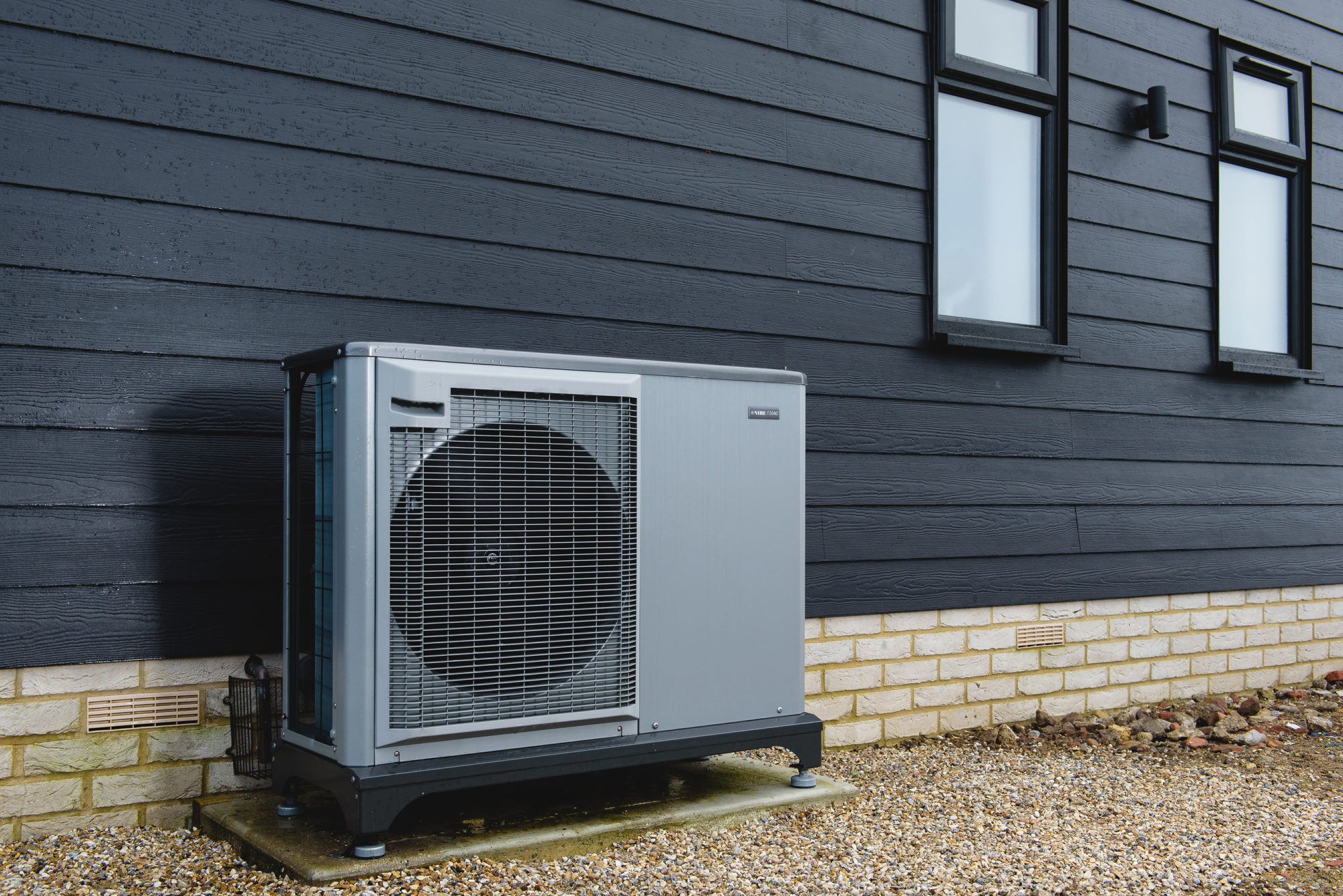
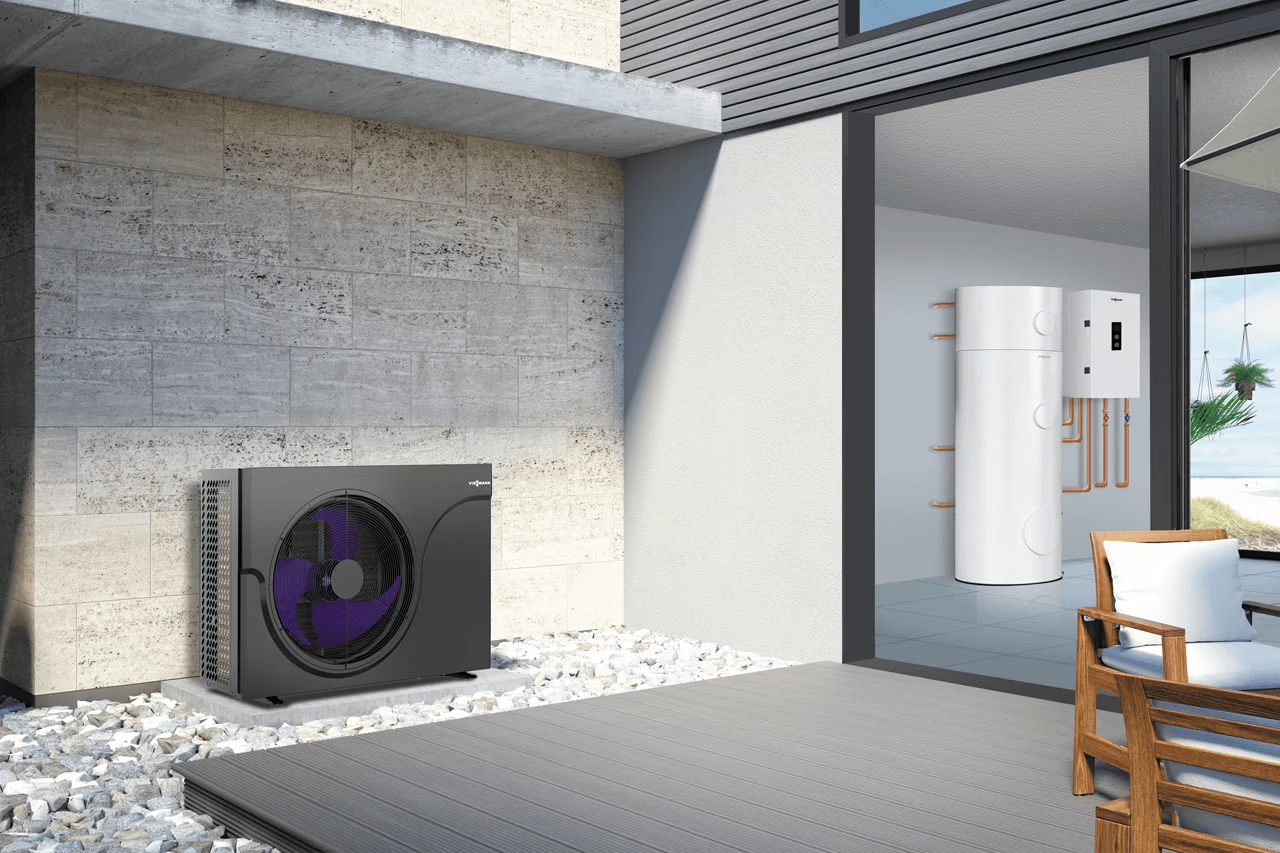
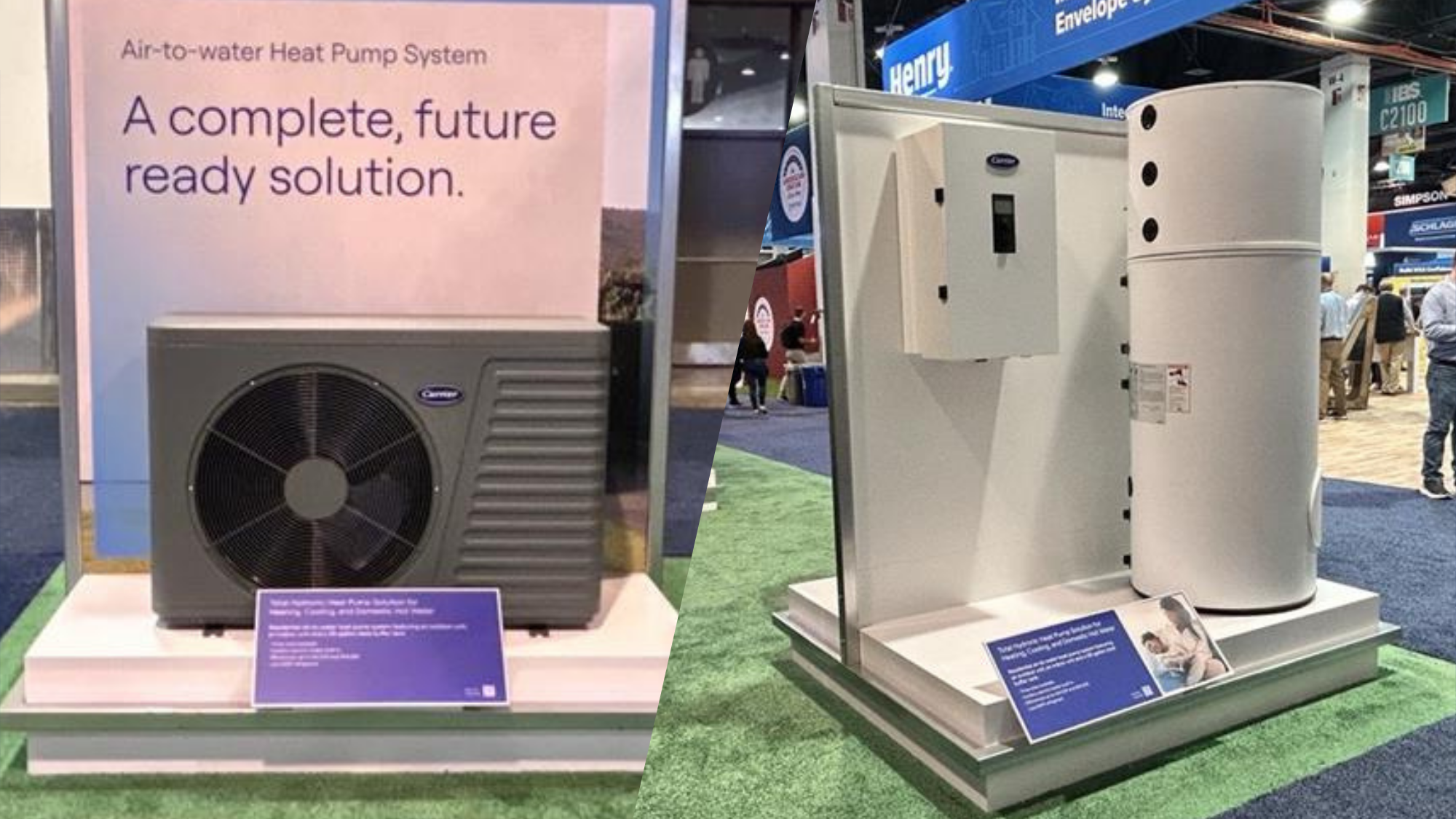
Unlike air to air heat pumps that circulate heated or cooled air directly, air to water heat pumps transfer thermal energy from the outside air into water. This heated water can then be used for radiant floor heating, domestic hot water, and even low-temperature radiators. They offer efficient heating and cooling by utilizing the thermal energy present in the outside air, even at low temperatures. As a heating source, they circulate warm water under floors and through radiators. As a cooling source, the pump circulates chilled water throughout the same system, absorbing the ambient temperature of the room, and transfers the heat into the air, thus providing cooled air.
Air to Water Heat Pump Cost Breakdown
The total cost of an air to water heat pump system involves several components, each contributing to the overall price tag:
- Equipment Cost: The heat pump unit itself is the primary expense. Prices vary significantly depending on the brand, capacity (measured in BTUs), and efficiency (COP or Coefficient of Performance). Expect to pay anywhere from $5,000 to $15,000 for the unit alone.
- Installation Costs: Professional installation is crucial for optimal performance and longevity. Installation involves connecting the heat pump to your existing plumbing and electrical systems, as well as setting up the water distribution network (radiant floors, radiators, etc.). Labor costs can range from $3,000 to $10,000, depending on the complexity of the installation and your location. The cost is largely determined by the amount of preparation needed, along with the amount of plumbing and duct work.
- Radiant Floor Heating or Radiator Installation (If Needed): If your home isn't already equipped with a water-based heating system, you'll need to factor in the cost of installing radiant floor heating or radiators. This can add a significant expense, ranging from $5 to $15 per square foot for radiant floor heating and $500 to $2,000 per radiator.
- Domestic Hot Water Integration: Integrating the heat pump with your domestic hot water system requires additional plumbing and components. Expect to pay an additional $500 to $2,000 for this integration.
- Permits and Inspections: Local building codes often require permits and inspections for HVAC installations. These fees can range from $100 to $500.
Therefore, the total air to water heat pump installation cost can easily range from $8,500 to $27,500 or even higher, depending on the specifics of your project.
Factors Affecting Air to Water Heat Pump Pricing
Several factors influence the final cost of an air to water heat pump system:
- Size and Capacity: Larger homes require heat pumps with higher BTU output, leading to higher prices.
- Efficiency (COP): Higher COP ratings indicate greater efficiency and lower operating costs, but typically come with a higher upfront price. The COP or Coefficient of Performance measures the efficiency of the heating process. The higher the COP rating, the better the efficiency, and the lower the operating cost.
- Brand Reputation: Established brands with a proven track record often command a premium price.
- Installation Complexity: Challenging installations, such as those requiring extensive plumbing modifications, will increase labor costs.
- Location: Labor rates and material costs vary significantly by region.
- Rebates and Incentives: Government rebates and utility incentives can significantly reduce the overall cost.
Air to Water Heat Pump Pros and Cons
Before investing in an air to water heat pump, consider the following advantages and disadvantages:
Pros:
- Energy Efficiency: Air to water heat pumps are highly efficient, often exceeding 300% efficiency (meaning they produce more than 3 units of heat for every unit of electricity consumed).
- Reduced Carbon Footprint: By utilizing renewable energy from the air, these systems reduce your reliance on fossil fuels.
- Comfortable Heating: Radiant floor heating provides consistent and comfortable warmth.
- Quiet Operation: Air to water heat pumps are generally quieter than traditional furnaces or air conditioners.
- Versatile Application: Can be used for heating, cooling, and domestic hot water.
Cons:
- High Upfront Cost: The initial investment is significantly higher than traditional HVAC systems.
- Installation Complexity: Requires specialized knowledge and expertise.
- Performance in Extreme Cold: Efficiency can decrease in very cold climates, potentially requiring a backup heating system.
- Space Requirements: The outdoor unit and indoor components require dedicated space.
Popular Air to Water Heat Pump Brands and Models
Several reputable manufacturers offer high-quality air to water heat pumps. Here are a few popular brands and models to consider:
- Daikin: Known for their high-efficiency and innovative technology.
- Mitsubishi Electric: Offers a range of heat pump systems suitable for various applications.
- LG: Provides cost-effective options with decent performance.
- Bosch: Renowned for their reliability and durability.
- NIBE: A leading brand in sustainable heating solutions, though it may not be as commonly available in all markets.
When comparing models, pay attention to the following specifications:
- COP (Coefficient of Performance): Measures heating efficiency. Higher is better.
- EER (Energy Efficiency Ratio): Measures cooling efficiency. Higher is better.
- Sound Level: Lower decibel ratings indicate quieter operation.
- Warranty: Look for comprehensive warranties covering parts and labor.
AFUE, SEER, and HSPF Ratings: Understanding Efficiency
While AFUE (Annual Fuel Utilization Efficiency) is primarily associated with furnaces, SEER (Seasonal Energy Efficiency Ratio) and HSPF (Heating Seasonal Performance Factor) are relevant to heat pumps. However, the more accurate measurement of efficiency is the COP, or Coefficient of Performance.
- SEER: Measures the cooling efficiency of an air conditioner or heat pump. A higher SEER rating indicates better cooling performance. Look for SEER ratings of 14 or higher.
- HSPF: Measures the heating efficiency of a heat pump. A higher HSPF rating indicates better heating performance. Look for HSPF ratings of 8 or higher.
These ratings help you compare the energy efficiency of different models and estimate your potential energy savings.
Warranties and Maintenance
A solid warranty is crucial for protecting your investment. Look for heat pumps with warranties covering at least 5 years on parts and 1-2 years on labor. Extended warranties are often available for an additional cost. This can be a good option to protect your unit for even longer.
Regular maintenance is essential for ensuring optimal performance and prolonging the lifespan of your air to water heat pump. Schedule annual professional maintenance checks to clean the coils, inspect the refrigerant levels, and ensure all components are functioning properly. Consider these maintenance steps:
- Clean the outdoor coils regularly to improve the efficiency of the heat transfer process.
- Check and replace the air filter regularly to keep the air flowing.
- Inspect and clean the condensate drain to prevent clogs.
Is an Air to Water Heat Pump Right for You?
Air to water heat pumps are an excellent choice for homeowners seeking energy-efficient heating and cooling solutions, especially if you are starting from scratch. However, the high upfront cost and installation complexity should be carefully considered. Evaluate your budget, heating and cooling needs, and local climate to determine if an air to water heat pump is the right investment for your home.
Before making a decision, obtain quotes from multiple qualified HVAC contractors. Discuss your specific needs and ask about available rebates and incentives to minimize the overall air to water heat pump cost. Be sure to compare brands, models, and installation quotes, and ask about system performance and long-term service expectations.