Air To Water Heat Pump For Hydronic Heating
Air to Water Heat Pumps for Hydronic Heating: A Comprehensive Guide
As homeowners increasingly seek energy-efficient and cost-effective heating solutions, air to water heat pumps are gaining significant traction. These systems offer a modern alternative to traditional boilers and furnaces, providing both space heating and domestic hot water. This guide will delve into the workings of air to water heat pumps, their benefits and drawbacks, key features, and popular brands to help you make an informed decision.
What is an Air to Water Heat Pump?
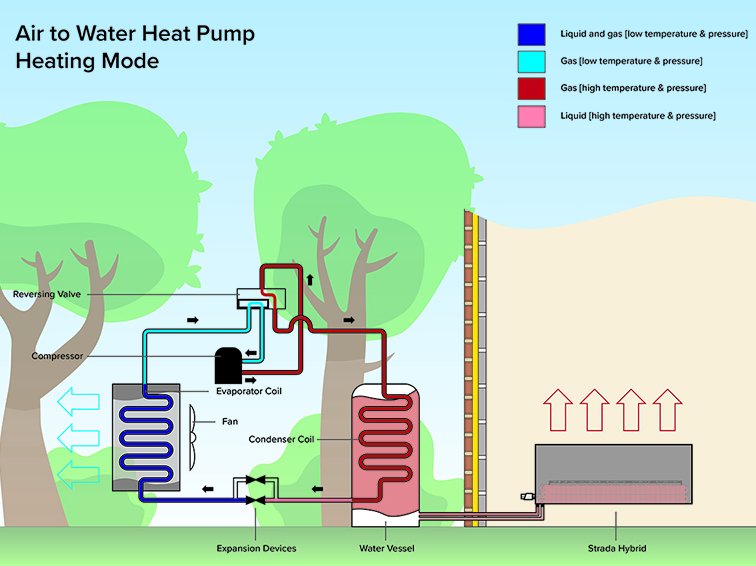
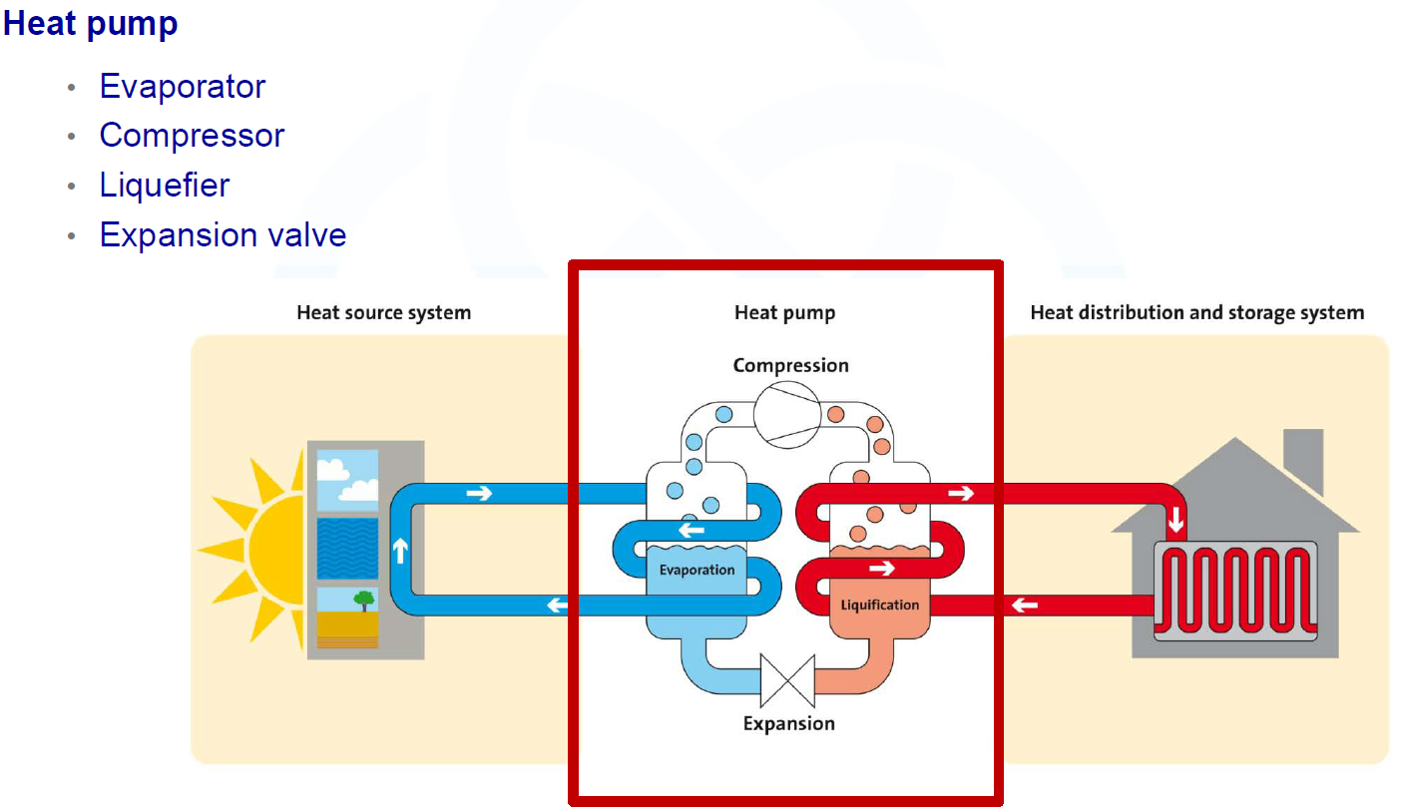
Unlike traditional heating systems that burn fuel to generate heat, air to water heat pumps utilize electricity to transfer heat from the outside air into your home's hydronic heating system. They work on the same principle as air conditioners, but in reverse. In heating mode, the heat pump absorbs heat from the outdoor air (even in cold temperatures) and transfers it to water. This heated water is then circulated through radiators, underfloor heating systems, or fan coil units to warm your home. The same process can also be used to heat domestic hot water.
How Air to Water Heat Pumps Work
The basic components of an air to water heat pump system include:
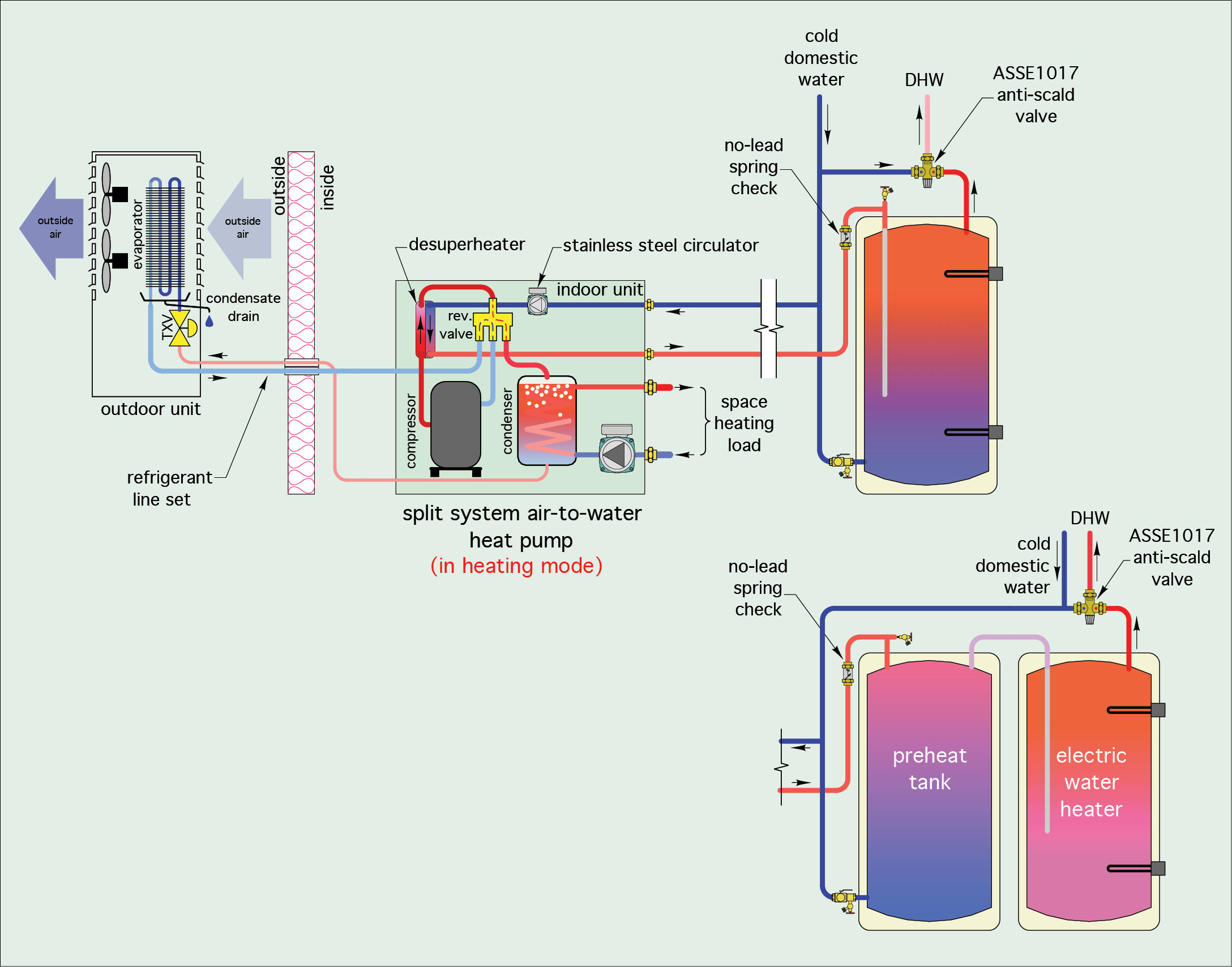
- Outdoor Unit: This unit contains a fan, evaporator coil, and compressor. The fan draws air across the evaporator coil, where a refrigerant absorbs heat from the outdoor air.
- Refrigerant: The refrigerant is a fluid that cycles between the outdoor and indoor units, absorbing and releasing heat as it changes state (liquid to gas and vice versa).
- Compressor: The compressor increases the pressure and temperature of the refrigerant.
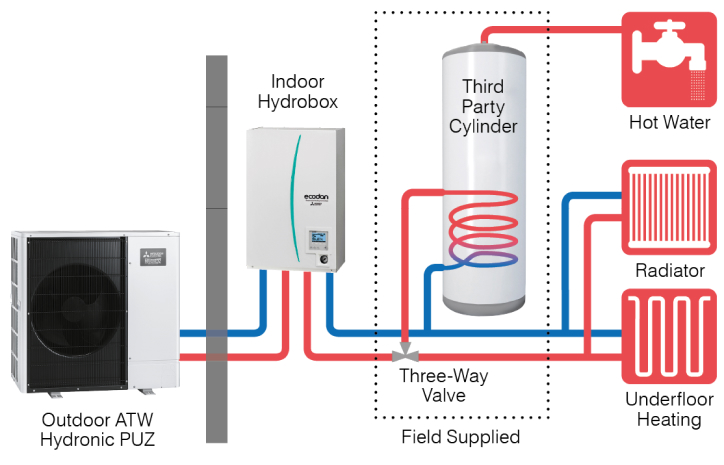
- Indoor Unit (Hydronic Module): This unit contains a heat exchanger. The hot refrigerant passes through the heat exchanger, transferring its heat to the water circulating through your hydronic system.
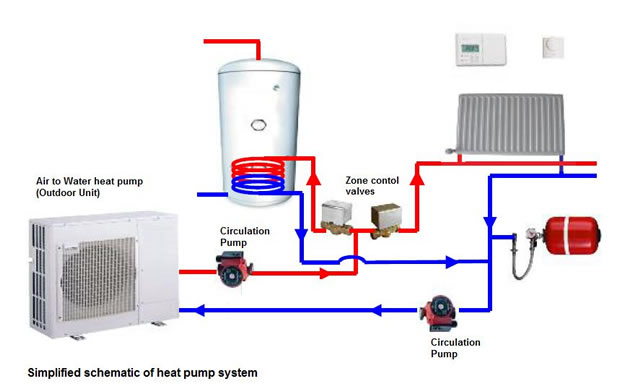
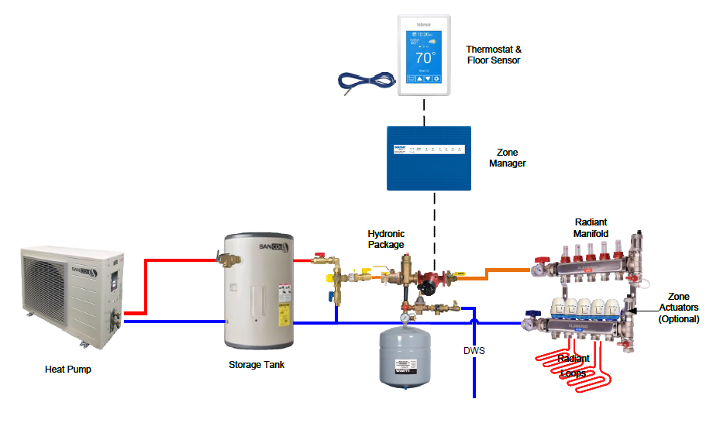
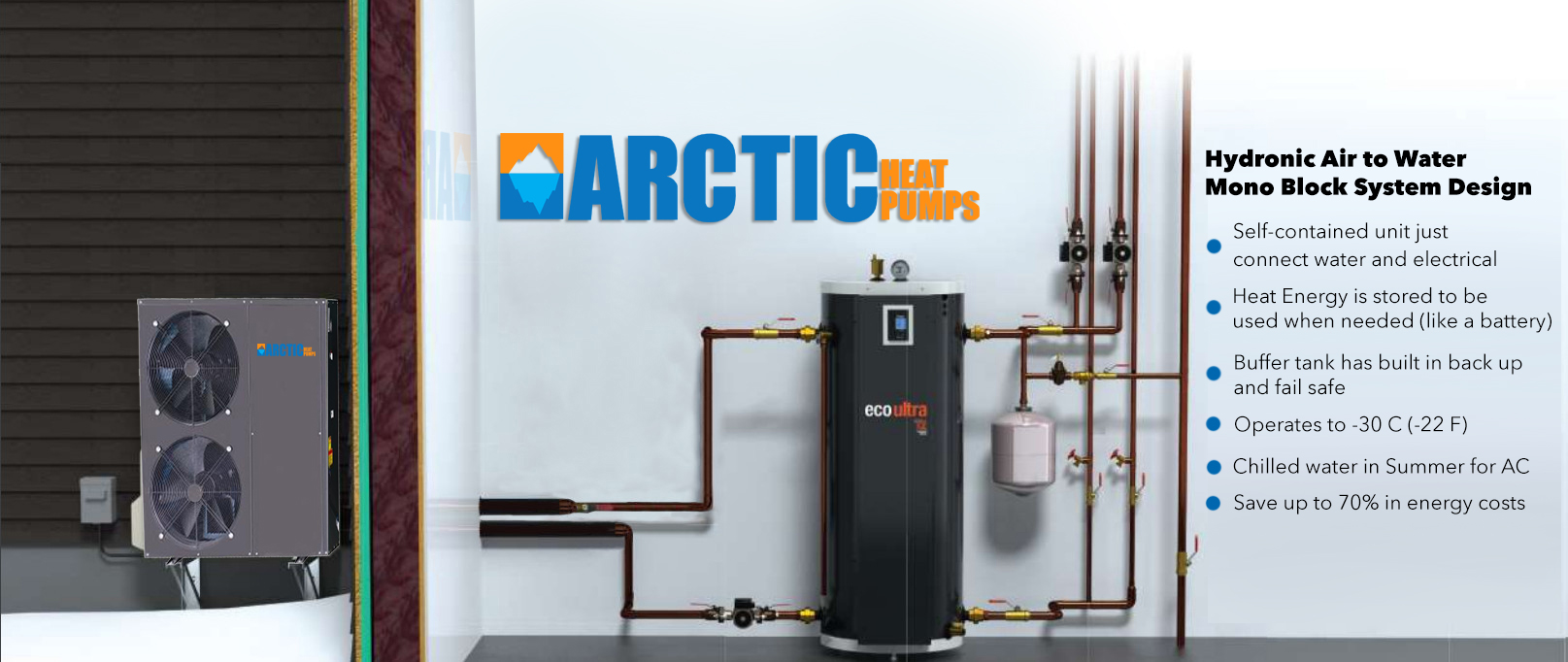
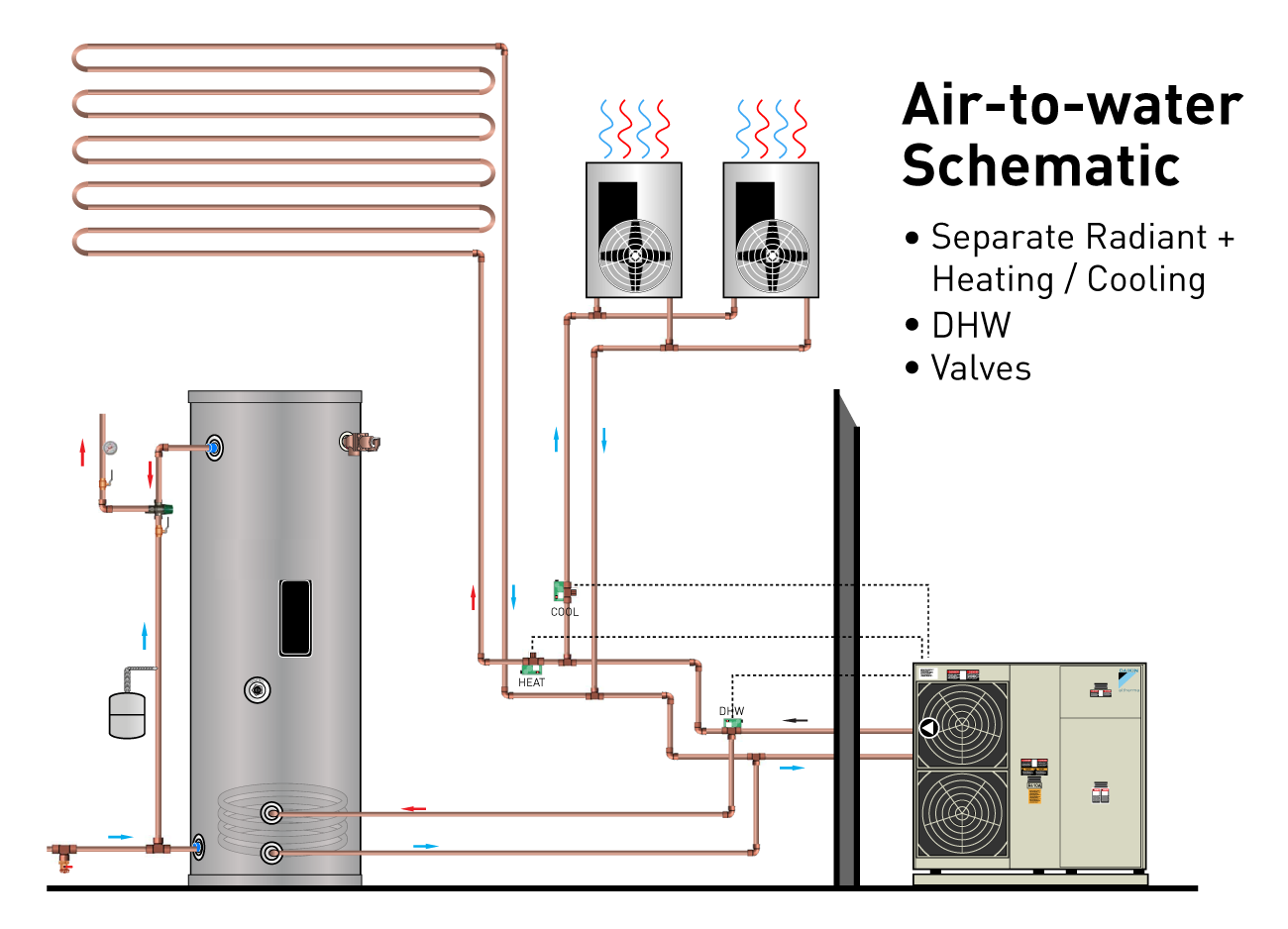
- Water Circulation System: This system consists of pipes, pumps, and distribution devices (radiators, underfloor heating loops, or fan coil units) that circulate the heated water throughout your home.
Benefits of Air to Water Heat Pumps
Air to water heat pumps offer several advantages over conventional heating systems:
- Energy Efficiency: Air to water heat pumps are highly efficient, often achieving COPs (Coefficient of Performance) of 3 or higher. This means that for every unit of electricity consumed, the system produces three or more units of heat. This translates to significant energy savings compared to oil or gas-fired boilers.
- Reduced Carbon Footprint: Because they primarily use electricity, air to water heat pumps can significantly reduce your carbon footprint, especially if you source your electricity from renewable sources like solar or wind.
- Quiet Operation: Air to water heat pumps are generally quieter than traditional furnaces or boilers.
- Zoning Capabilities: Hydronic systems allow for effective zoning, enabling you to heat different areas of your home to different temperatures, further enhancing energy efficiency and comfort.
- Potential for Cooling: Some air to water heat pumps can also provide cooling in the summer by reversing the heat transfer process. These are sometimes referred to as reversible heat pumps.
- Lower Running Costs: While initial investment may be higher, lower energy consumption translates into reduced running costs.
Drawbacks of Air to Water Heat Pumps
Despite their numerous benefits, air to water heat pumps also have some potential drawbacks:
- Higher Initial Cost: The initial investment for an air to water heat pump system can be higher than that of a traditional furnace or boiler.
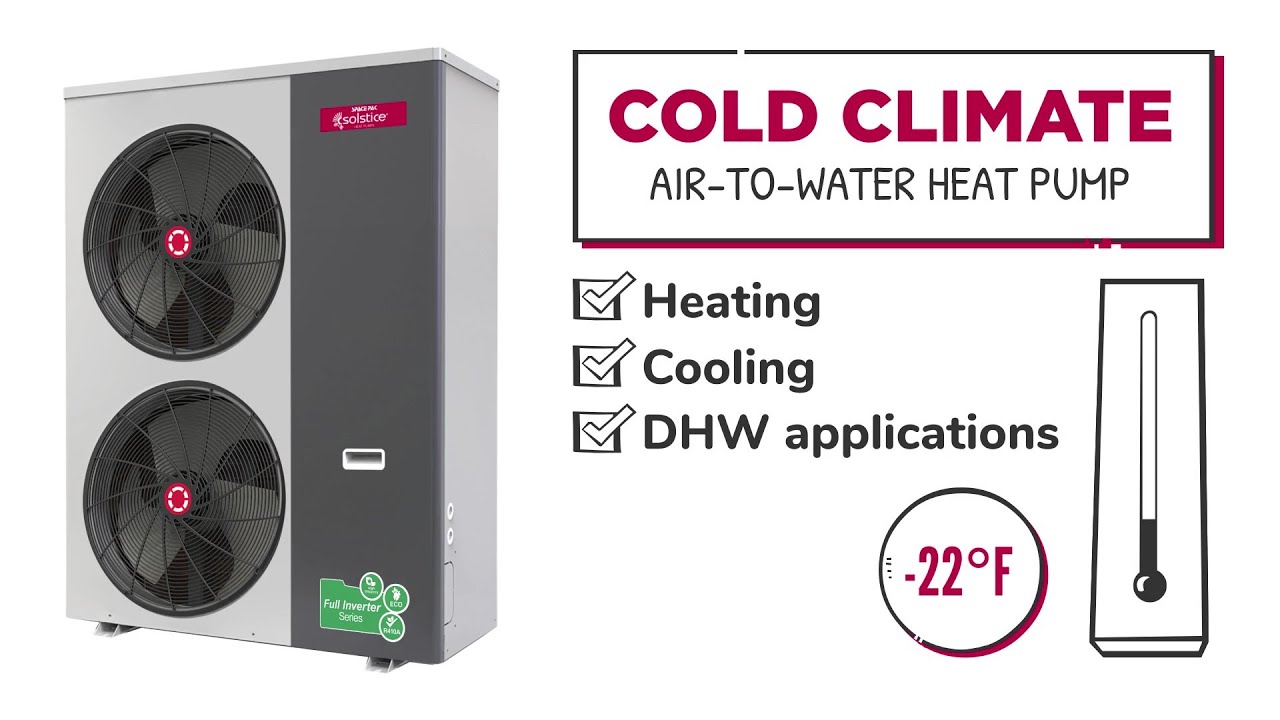
- Performance in Extremely Cold Climates: In very cold climates (below -15°C or 5°F), the efficiency of air to water heat pumps can decrease. Auxiliary heating, such as electric resistance heating, may be required to maintain comfortable temperatures. Choosing a cold climate heat pump can mitigate this issue.
- Installation Complexity: Installing an air to water heat pump system requires specialized knowledge and expertise. Proper sizing and installation are crucial for optimal performance.
- Dependence on Electricity: Air to water heat pumps rely on electricity to operate. Power outages can leave you without heating. Backup power solutions may be required.
Key Features to Consider
When selecting an air to water heat pump, consider the following features:
- Heating Capacity: Ensure the heat pump has sufficient heating capacity to meet your home's heating needs. A professional HVAC contractor can perform a heat load calculation to determine the appropriate size.
- Coefficient of Performance (COP): The COP indicates the heat pump's efficiency. A higher COP means greater efficiency.
- Energy Efficiency Rating (EER): If the system offers cooling capabilities, check the EER rating, which indicates cooling efficiency.
- Cold Climate Performance: If you live in a cold climate, look for models specifically designed for cold climate performance. These models are engineered to maintain high efficiency and heating capacity even in very low temperatures.
- Noise Level: Check the noise level of both the indoor and outdoor units to ensure quiet operation.
- Smart Features: Consider models with smart features like Wi-Fi connectivity, remote control, and energy monitoring capabilities.
- Warranty: Pay attention to the warranty offered by the manufacturer. A longer warranty provides greater peace of mind.
Popular Air to Water Heat Pump Brands and Models
Several reputable manufacturers offer high-quality air to water heat pumps. Here are a few popular brands and models:
- Daikin: Daikin is a leading manufacturer of heat pumps, known for their innovative technology and energy efficiency. The Daikin Altherma 3 is a popular model known for its cold climate performance and quiet operation.
- Mitsubishi Electric: Mitsubishi Electric offers a range of air to water heat pumps, including the Ecodan series. These systems are known for their reliability and efficiency.
- NIBE: NIBE is a Swedish manufacturer specializing in sustainable heating solutions, including air to water heat pumps. Their systems are designed for optimal performance in cold climates.
- LG: LG offers the Therma V line of air to water heat pumps, featuring advanced technologies for energy efficiency and comfort.
- Bosch: Bosch offers a variety of heating and cooling solutions, including air to water heat pumps. Known for their reliable performance and quality.
Understanding Efficiency Ratings: COP, SEER, and HSPF
Several key ratings help you compare the efficiency of different heat pump models:
- Coefficient of Performance (COP): COP measures the heating efficiency of a heat pump at a specific operating condition. It's the ratio of heat output to electrical energy input. A higher COP indicates better efficiency.
- Seasonal Energy Efficiency Ratio (SEER): SEER measures the cooling efficiency of a heat pump. It's the ratio of cooling output over a typical cooling season to the electrical energy input during that period. While primarily a cooling metric, it provides insights into overall system efficiency.
- Heating Seasonal Performance Factor (HSPF): HSPF measures the heating efficiency of a heat pump over an entire heating season. It's the ratio of heating output to electrical energy input. A higher HSPF indicates better heating efficiency. Look for an HSPF of at least 8.2, and ideally above 10 for significant savings.
Installation and Maintenance
Proper installation and regular maintenance are essential for ensuring the optimal performance and longevity of your air to water heat pump system.
Installation
It is highly recommended to hire a qualified HVAC contractor with experience in installing air to water heat pump systems. The installation process typically involves:
- Heat Load Calculation: Determining the appropriate size of the heat pump based on your home's heating needs.
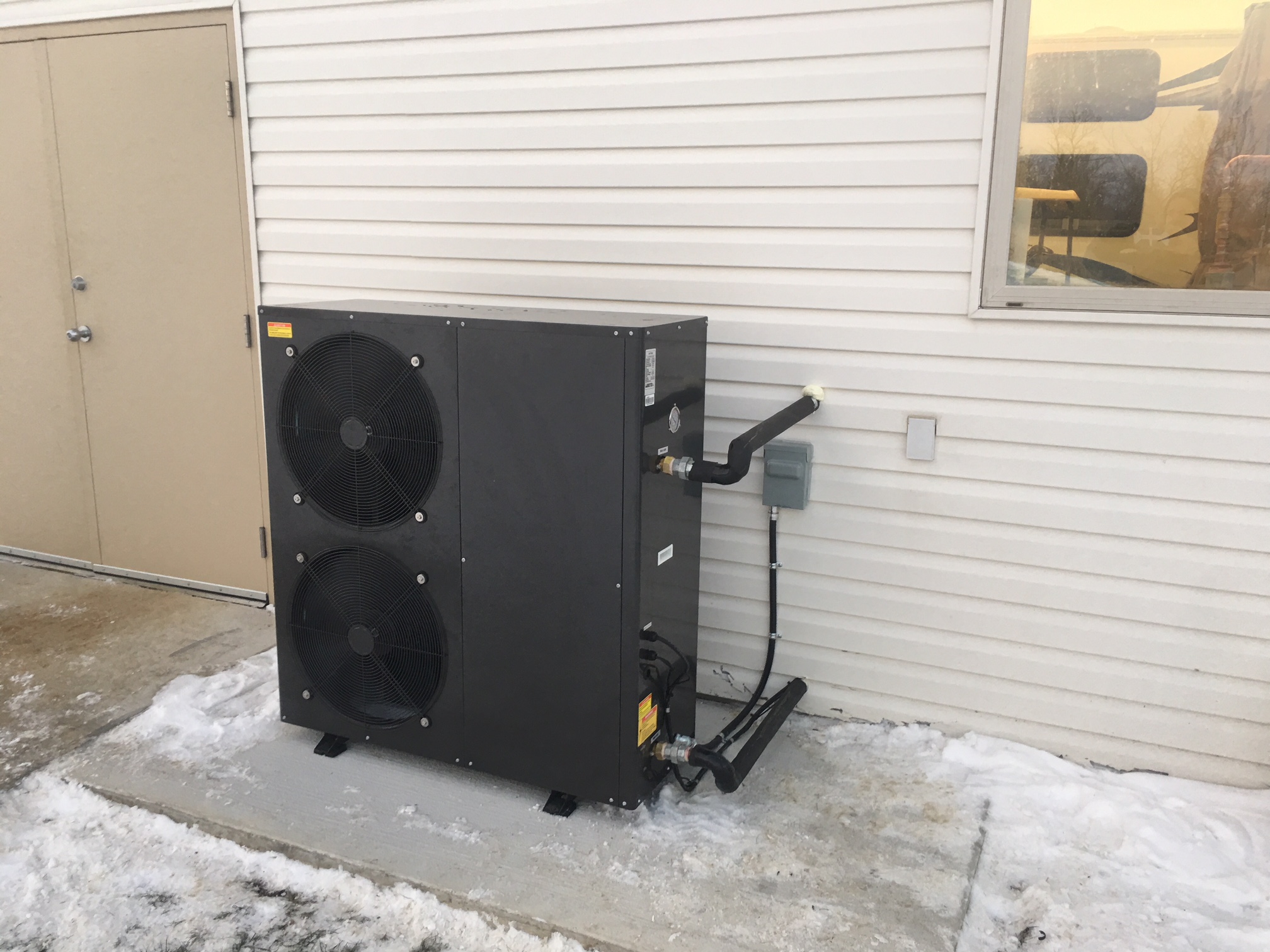
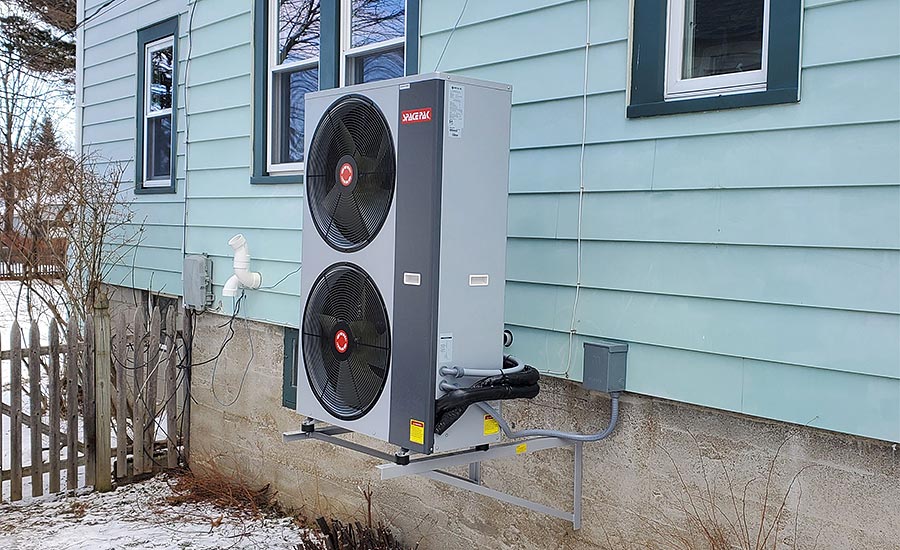
- Placement of Outdoor Unit: Selecting a suitable location for the outdoor unit, ensuring adequate clearance and protection from the elements.
- Installation of Indoor Unit (Hydronic Module): Connecting the hydronic module to your existing hydronic system.
- Refrigerant Piping: Installing and connecting the refrigerant piping between the outdoor and indoor units.
- Electrical Connections: Connecting the electrical wiring to the heat pump system.
- System Testing and Commissioning: Testing the system to ensure proper operation and efficiency.
Maintenance
Regular maintenance can help prevent problems and extend the lifespan of your air to water heat pump system. Recommended maintenance tasks include:
- Regularly inspect and clean the outdoor unit: Remove any debris that may be blocking airflow.
- Change air filters regularly: Clogged air filters can reduce efficiency and damage the system.
- Inspect refrigerant lines for leaks: Refrigerant leaks can significantly reduce efficiency and damage the compressor.
- Schedule annual professional maintenance: A qualified HVAC technician can inspect the system, clean coils, check refrigerant levels, and identify any potential problems.
Warranties
Air to water heat pump systems typically come with a manufacturer's warranty that covers parts and labor for a specified period. Warranty terms vary depending on the manufacturer and model. Be sure to carefully review the warranty details before making a purchase. Typical warranties range from 5 to 10 years on parts, with some manufacturers offering extended warranties on the compressor. Read the fine print regarding exclusions. Proper installation by a licensed professional is almost always required to keep the warranty valid.
Cost Considerations
The total cost of an air to water heat pump system includes the initial purchase price, installation costs, and ongoing operating costs. While the initial investment can be higher than that of a traditional furnace or boiler, the lower operating costs can result in significant savings over the long term.
Here is a breakdown of the typical costs:
- Purchase Price: The cost of the heat pump system itself can range from $5,000 to $15,000 or more, depending on the size, features, and brand.
- Installation Costs: Installation costs can range from $3,000 to $8,000 or more, depending on the complexity of the installation and the contractor's rates.
- Operating Costs: Operating costs will depend on your electricity rates, the efficiency of the heat pump, and your heating needs. However, in many cases, operating costs will be lower than those of a traditional furnace or boiler.
Conclusion
Air to water heat pumps offer a compelling alternative to traditional heating systems, providing energy-efficient, environmentally friendly, and cost-effective heating for your home. By carefully considering the features, benefits, and drawbacks of different models, and by working with a qualified HVAC contractor, you can choose the right air to water heat pump system to meet your specific needs and budget. Investing in an air to water heat pump is a smart choice for homeowners looking to reduce their carbon footprint and save money on their energy bills.