Air To Water Heat Pump Review
Air-to-water heat pumps are becoming increasingly popular as efficient and environmentally friendly heating and cooling solutions. They offer an alternative to traditional systems like furnaces and boilers, but understanding their operation, benefits, and drawbacks is crucial before making a purchase. This guide provides a comprehensive overview of air-to-water heat pumps to help you make an informed decision.
What is an Air-to-Water Heat Pump?
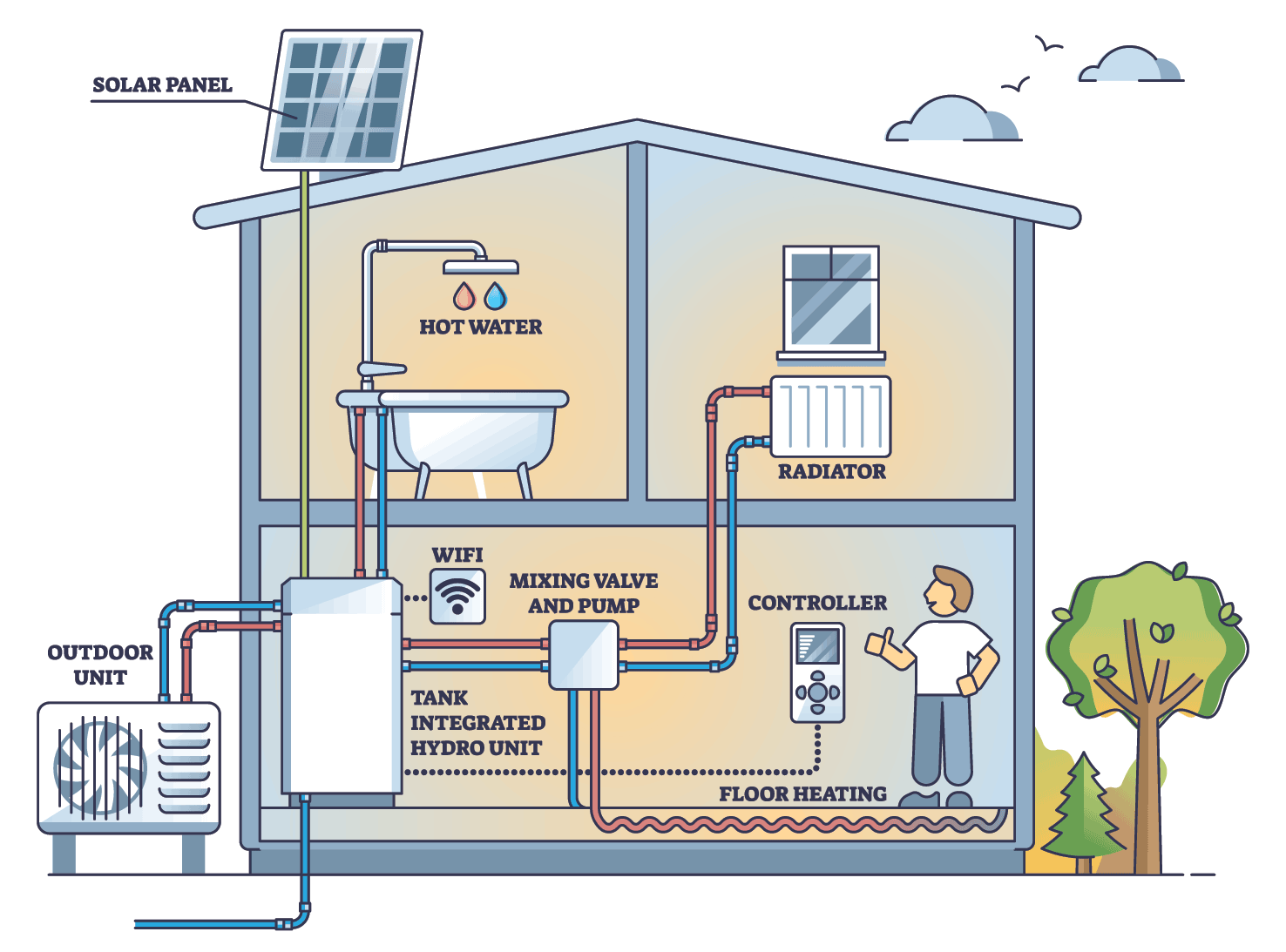
An air-to-water heat pump is a heating and cooling system that transfers heat between the outside air and a building's water-based heating system. Instead of burning fossil fuels like a furnace, it uses electricity to move heat. Think of it like a refrigerator in reverse; a refrigerator removes heat from its inside compartment and releases it into the kitchen, while an air-to-water heat pump extracts heat from the outside air and transfers it to your home's water system for heating. In summer, the process reverses, moving heat from your home to the outside air for cooling.
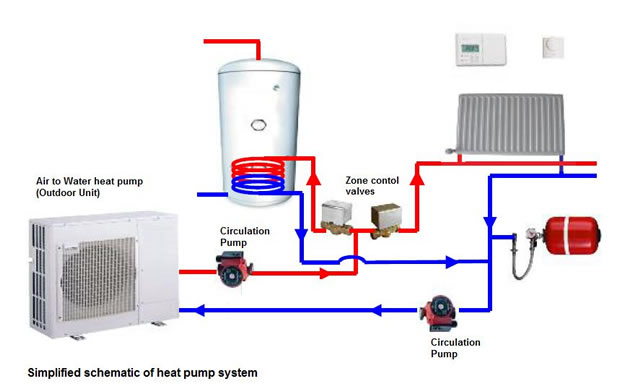
Unlike air-to-air heat pumps that distribute warm or cool air directly, air-to-water systems heat or cool water, which is then circulated through radiators, underfloor heating systems, or fan coil units. This makes them particularly well-suited for homes already equipped with a hydronic (water-based) heating system.
Key Components
Understanding the main components of an air-to-water heat pump will help you grasp how the entire system works:
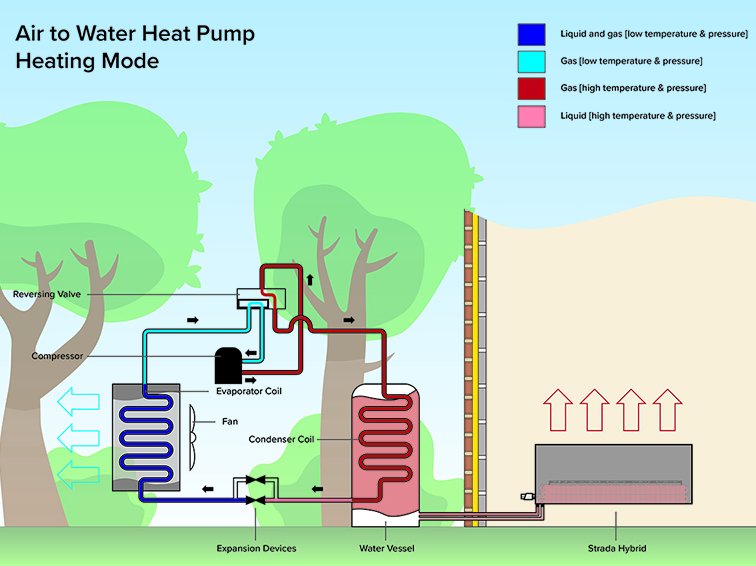
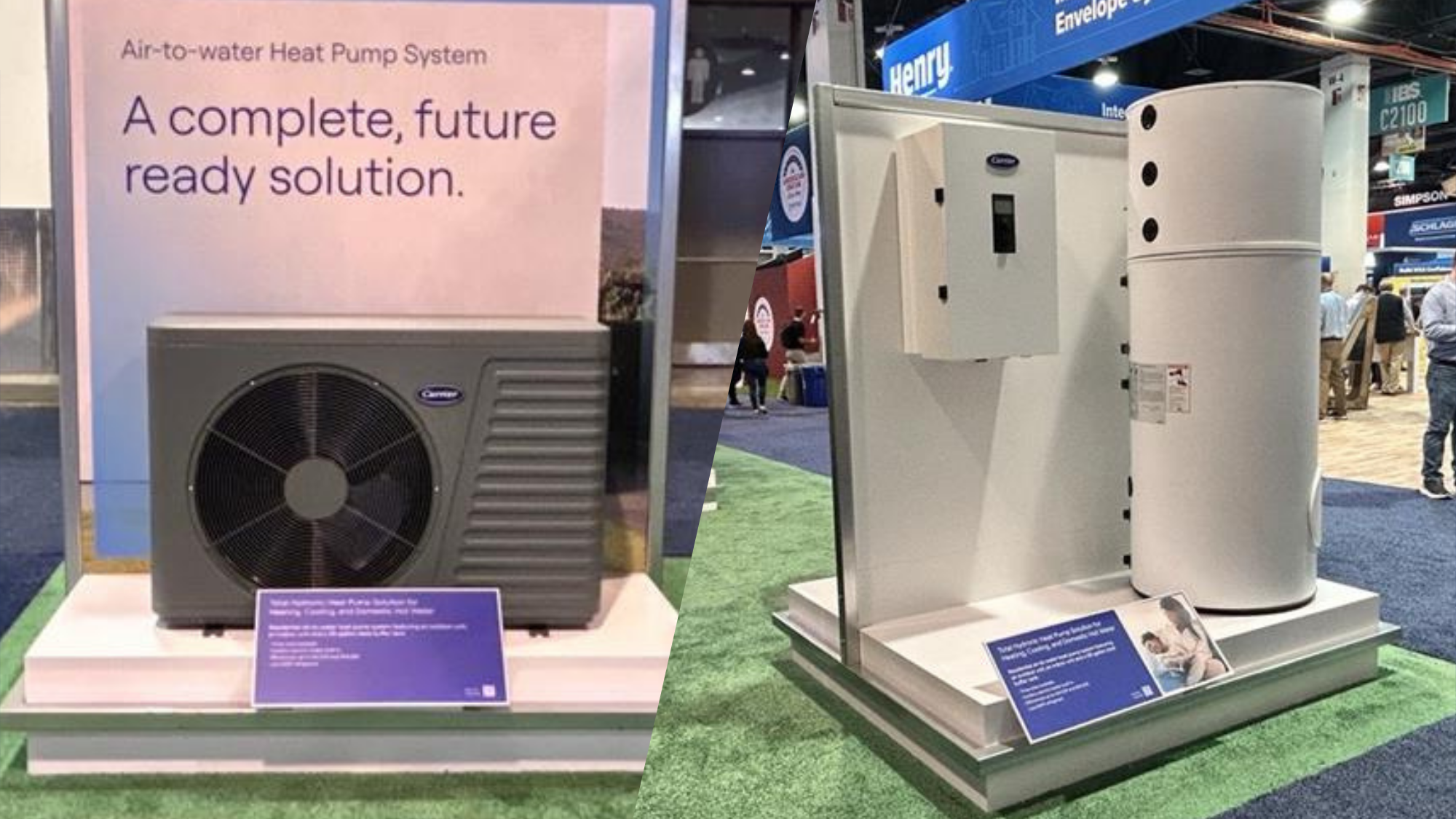
- Outdoor Unit: This unit contains a fan and a heat exchanger coil. The fan draws in outside air, and the heat exchanger absorbs heat from (or releases heat into) the air.
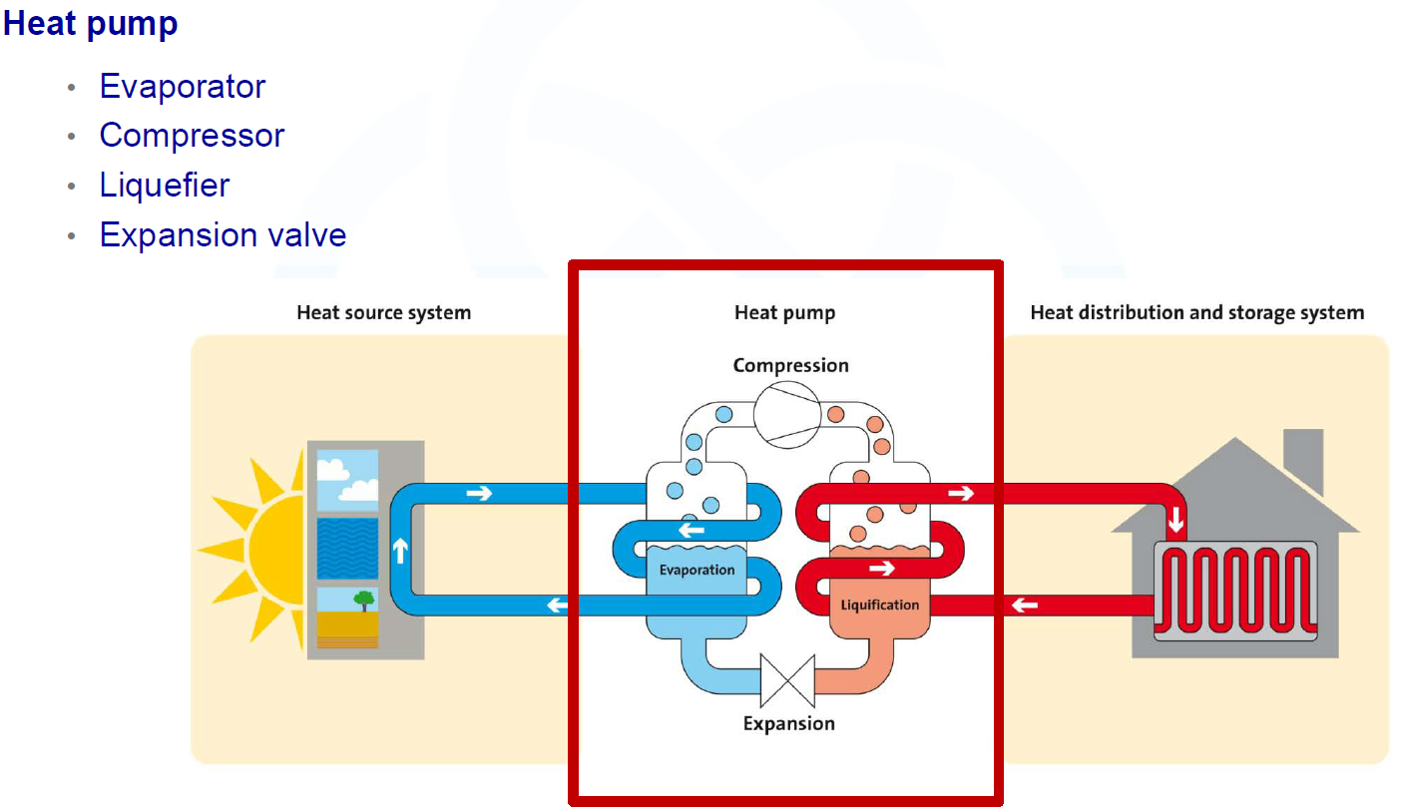
- Refrigerant: This is the working fluid that circulates through the system, absorbing and releasing heat. Think of refrigerant as the "blood" of the system, carrying heat from one place to another.
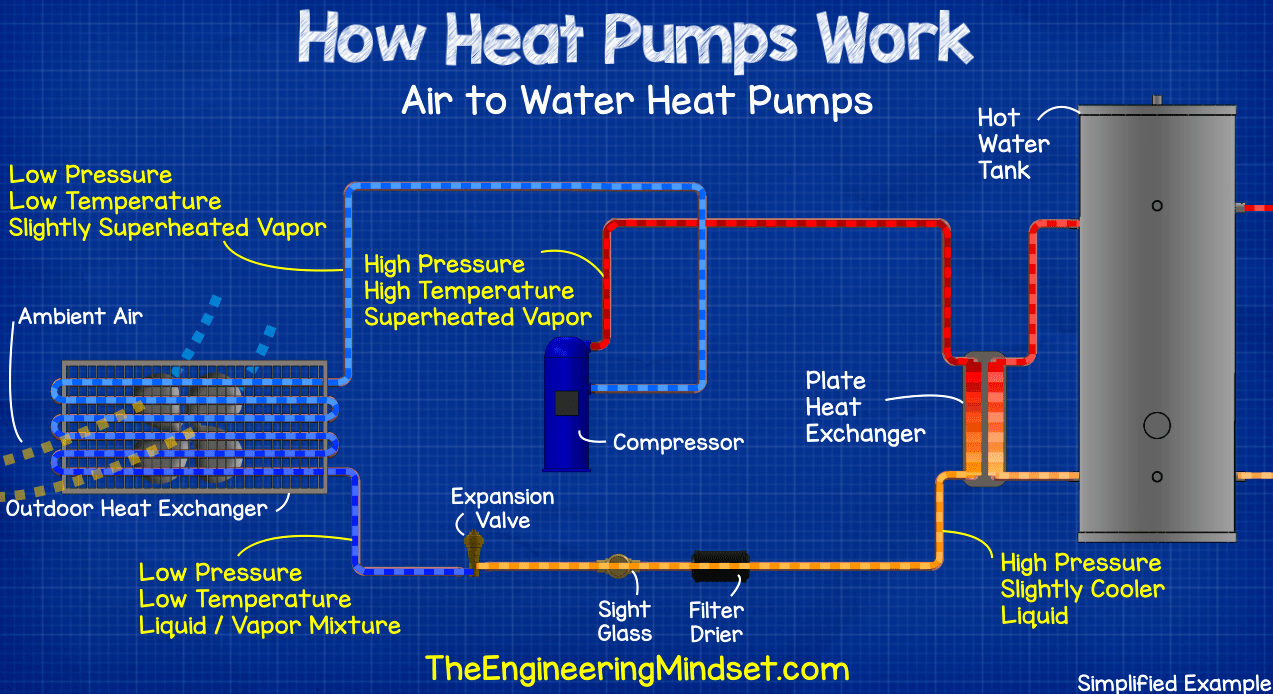
- Compressor: This component compresses the refrigerant, increasing its temperature and pressure. The compressor is powered by electricity.
- Indoor Unit (Heat Exchanger): This heat exchanger transfers the heat from the refrigerant to the water circulating through your home's heating system, or vice-versa during cooling.
- Water Circulation System: This includes pipes, radiators, underfloor heating loops, or fan coil units that distribute the heated or cooled water throughout the building.
- Expansion Valve: This valve reduces the pressure of the refrigerant before it enters the outdoor heat exchanger, allowing it to absorb heat more effectively.
- Control System: This system monitors and controls the operation of the heat pump, adjusting settings based on temperature and user preferences.
How Does it Work?
The operation of an air-to-water heat pump relies on the principles of thermodynamics and the properties of refrigerant. The process can be broken down into the following steps:
- Heating Mode:
- The outdoor unit's fan draws in outside air.
- The refrigerant in the outdoor heat exchanger absorbs heat from the air, even if the air is cold (down to surprisingly low temperatures). The refrigerant evaporates into a gas.
- The gaseous refrigerant enters the compressor, which increases its pressure and temperature.
- The high-temperature, high-pressure refrigerant flows to the indoor heat exchanger.
- In the indoor heat exchanger, the refrigerant releases its heat to the water circulating through the heating system. The refrigerant condenses back into a liquid.
- The liquid refrigerant flows through the expansion valve, reducing its pressure and temperature, and then returns to the outdoor heat exchanger to begin the cycle again.
- The heated water circulates through the building via radiators, underfloor heating, or fan coil units, providing warmth.
- Cooling Mode: The process is reversed.
- The refrigerant absorbs heat from the water circulating through the building, cooling the water.
- The heated refrigerant flows to the outdoor unit, where it releases heat into the outside air.
- The cooled water circulates through the building, providing cooling.
Advantages of Air-to-Water Heat Pumps
Air-to-water heat pumps offer several benefits over traditional heating and cooling systems:
- Energy Efficiency: Heat pumps are significantly more energy-efficient than traditional furnaces and boilers. They move heat rather than generate it, resulting in lower energy consumption and reduced utility bills. The Coefficient of Performance (COP) is a key metric indicating efficiency; a higher COP means more heat output for each unit of electricity consumed.
- Cost Savings: While the initial investment may be higher, the long-term operational costs are often lower due to reduced energy consumption. Government incentives and rebates may also be available to help offset the initial cost.
- Environmentally Friendly: By using electricity instead of fossil fuels, heat pumps reduce greenhouse gas emissions and contribute to a cleaner environment. This is especially true when the electricity is sourced from renewable energy sources.
- Heating and Cooling: Air-to-water heat pumps provide both heating and cooling, eliminating the need for separate systems.
- Precise Temperature Control: When paired with individual room thermostats, air-to-water systems offer precise temperature control in each zone, enhancing comfort and energy savings.
- Quiet Operation: Many modern air-to-water heat pumps operate very quietly, especially compared to older furnaces or boilers.
- Longevity: With proper maintenance, heat pumps can last for many years, providing reliable heating and cooling.
Disadvantages of Air-to-Water Heat Pumps
Despite their many benefits, air-to-water heat pumps also have some potential drawbacks:
- Higher Upfront Cost: The initial investment for an air-to-water heat pump can be higher than for traditional heating systems.
- Performance in Extremely Cold Climates: While modern heat pumps are designed to operate efficiently in cold weather, their performance may decrease in extremely cold temperatures (below freezing for extended periods). A backup heating system may be necessary in these climates.
- Complexity of Installation: Installation of an air-to-water heat pump can be more complex than installing a traditional furnace or boiler, requiring a qualified and experienced technician.
- Maintenance Requirements: Regular maintenance is essential to ensure optimal performance and longevity. This includes cleaning the coils, checking refrigerant levels, and inspecting the system for leaks.
- Dependence on Electricity: Heat pumps rely on electricity to operate, so a power outage will disable the system.
Factors to Consider When Choosing an Air-to-Water Heat Pump
Selecting the right air-to-water heat pump for your needs requires careful consideration of several factors:
- Climate: Consider your local climate and the average winter temperatures. If you live in a region with extremely cold winters, you may need a heat pump specifically designed for cold climates or a backup heating system.
- Home Size and Insulation: The size of your home and its insulation levels will affect the size of the heat pump you need. A well-insulated home will require a smaller heat pump.
- Existing Heating System: If you already have a hydronic heating system (radiators or underfloor heating), an air-to-water heat pump can be easily integrated.
- Budget: Consider your budget for both the initial investment and long-term operating costs. Factor in potential energy savings and government incentives.
- Energy Efficiency Ratings: Look for heat pumps with high energy efficiency ratings, such as the Seasonal Coefficient of Performance (SCOP) for heating and the Seasonal Energy Efficiency Ratio (SEER) for cooling. Higher ratings indicate better efficiency.
- Noise Levels: Check the noise levels of the outdoor unit, especially if it will be located near bedrooms or living areas.
- Warranty: Choose a heat pump with a comprehensive warranty to protect your investment.
- Professional Installation: Hire a qualified and experienced technician to install the heat pump properly.
Types of Air-to-Water Heat Pumps
While the basic principle remains the same, there are different types of air-to-water heat pumps:
- Monobloc Systems: These systems have all the components (compressor, heat exchangers, etc.) housed in a single outdoor unit. They are generally easier to install.
- Split Systems: These systems have the compressor and some other components in the outdoor unit, while the indoor unit houses the heat exchanger that transfers heat to the water.
- High-Temperature Heat Pumps: These are designed to provide higher water temperatures, suitable for older radiator systems that require hotter water to operate efficiently.
- Low-Temperature Heat Pumps: These are designed for use with underfloor heating systems or modern radiators that operate at lower water temperatures.
Maintenance Tips
Proper maintenance is essential to ensure the optimal performance and longevity of your air-to-water heat pump:
- Regular Inspections: Schedule regular inspections by a qualified technician to check for leaks, refrigerant levels, and other potential problems.
- Clean the Coils: Keep the outdoor unit's coils clean and free of debris, such as leaves and dirt. This will improve airflow and efficiency.
- Change Filters: If your system includes filters, change them regularly to maintain good air quality and prevent dust buildup.
- Monitor Performance: Pay attention to the system's performance and report any unusual noises or reduced heating/cooling capacity to a technician.
- Professional Servicing: Follow the manufacturer's recommendations for professional servicing and maintenance.
Conclusion
Air-to-water heat pumps offer a compelling alternative to traditional heating and cooling systems, providing energy efficiency, cost savings, and environmental benefits. By carefully considering your needs, climate, and budget, and by understanding the advantages and disadvantages of these systems, you can make an informed decision about whether an air-to-water heat pump is the right choice for your home. Remember to prioritize professional installation and regular maintenance to ensure optimal performance and longevity of your investment. Investing in a high-quality, properly installed, and well-maintained air-to-water heat pump can significantly improve your home's comfort, reduce your energy consumption, and contribute to a more sustainable future. The key is to research, plan, and choose a system that perfectly aligns with your specific needs and circumstances. By doing so, you can unlock the numerous benefits this innovative technology has to offer.