Alarm Went Off Meaning
An alarm going off in your home or car can be startling and concerning. Understanding what triggered the alarm is crucial for ensuring your safety and preventing future incidents. This guide will help you decipher the meaning behind common alarm sounds and provide steps you can take to address the situation.
Home Security Alarms
Home security systems are designed to detect various threats, from intruders to environmental hazards. Different alarm sounds often indicate different problems.
Intrusion Alarms
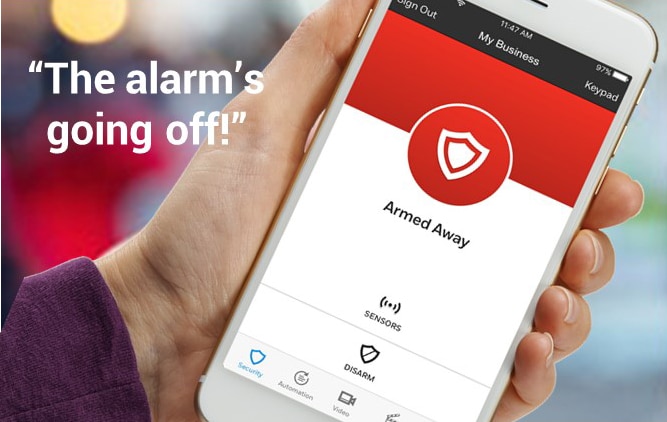
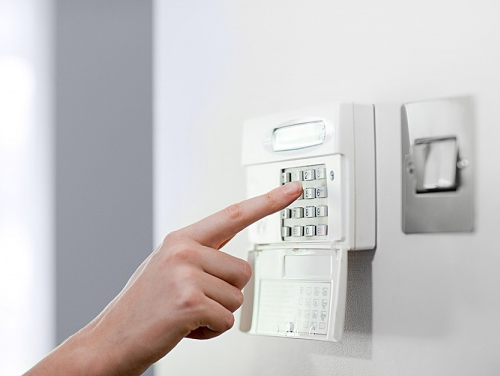
The most common type of home security alarm signals a potential break-in. These alarms are usually loud and continuous, designed to scare off intruders and alert neighbors.
What to do:
- First, assess the situation from a safe location. Look for any signs of forced entry, such as a broken window or a jimmied door.
- If you suspect a break-in is in progress, do not enter the house. Call the police immediately from a safe location.
- If you don't see any signs of forced entry, check all windows and doors to ensure they are securely closed and locked. It's possible a sensor malfunctioned or a door/window wasn't properly closed.
- If you have a security system with professional monitoring, the monitoring company will typically contact you to verify the alarm. Follow their instructions.
- If you cannot determine the cause of the alarm, it's always best to err on the side of caution and contact the authorities.
Smoke Detectors
Smoke detectors are critical for alerting you to the presence of fire. They emit a loud, piercing alarm that is designed to wake you up in an emergency.
What to do:
- If you hear a smoke detector alarm, immediately evacuate the building. Do not hesitate.
- Once outside, call the fire department from a safe location.
- If you are certain that the alarm is a false alarm (e.g., triggered by burnt toast), you can silence the alarm. However, ensure there is no actual fire risk before doing so.
- Regularly test your smoke detectors by pressing the test button. Replace the batteries at least once a year, or according to the manufacturer's recommendations. Many newer detectors have sealed 10-year batteries.
Carbon Monoxide (CO) Detectors
Carbon monoxide is a colorless, odorless, and deadly gas. CO detectors alert you to dangerous levels of CO in your home.
What to do:
- If the CO detector alarm sounds, evacuate the building immediately. Do not try to find the source of the gas.
- Call the fire department or emergency services from a safe location.
- Do not re-enter the building until the fire department has determined that it is safe to do so.
- CO detectors should be installed on every level of your home and near sleeping areas.
- Have your fuel-burning appliances (furnace, water heater, stove, fireplace) inspected annually by a qualified professional.
Water Leak Detectors
Water leak detectors can alert you to potential plumbing problems, preventing costly water damage.
What to do:
- If a water leak detector alarm sounds, immediately investigate the source of the leak.
- Turn off the water supply to the affected area to prevent further damage.
- Contact a plumber to repair the leak as soon as possible.
- Common locations for water leak detectors include near washing machines, dishwashers, water heaters, and under sinks.
Low Battery Alerts (Chirping)
Many alarms, including smoke detectors and CO detectors, will chirp intermittently to indicate a low battery. This is not an emergency, but it requires immediate attention.
What to do:
- Replace the batteries in the alarm immediately.
- If the chirping continues after replacing the batteries, consult the manufacturer's instructions for further troubleshooting.
Car Alarms
Car alarms are designed to deter theft and vandalism. They are typically triggered by unauthorized entry, movement, or impact.
Types of Car Alarm Triggers
- Door/Trunk/Hood Sensors: These sensors detect when a door, trunk, or hood is opened without the key.
- Shock Sensors: These sensors detect impacts to the vehicle, such as someone trying to break a window.
- Tilt Sensors: These sensors detect when the vehicle is being tilted, such as when someone is trying to tow it away.
- Motion Sensors: These sensors detect movement inside the vehicle.
What to do When Your Car Alarm Goes Off
Identify the Cause: If you are near your car when the alarm goes off, try to determine the cause. Was someone trying to break in? Did the car get bumped?
Deactivate the Alarm: Most car alarms can be deactivated using the key fob. Press the unlock button or the panic button to silence the alarm.
Check for Damage: Inspect your car for any signs of damage, such as broken windows, scratches, or dents.
Report Suspicious Activity: If you suspect that someone was trying to break into your car, report the incident to the police.
False Alarms
Car alarms can sometimes be triggered accidentally by loud noises, strong winds, or even a passing truck. If your car alarm is frequently going off for no apparent reason, you may need to adjust the sensitivity of the sensors or have the alarm system checked by a qualified technician.
Understanding Alarm Sounds
While the specific sounds may vary depending on the manufacturer, here are some general guidelines:
- Continuous, Loud Alarm: Typically indicates a serious threat, such as a break-in, fire, or high levels of carbon monoxide.
- Intermittent Chirping: Usually indicates a low battery.
- Pulsating Alarm: Might indicate a problem with the system itself, such as a malfunction or a loss of power.
Troubleshooting Common Alarm Problems
False Alarms
False alarms can be frustrating and disruptive. Here are some common causes and solutions:
- Loose Connections: Check the wiring connections to all sensors and the control panel.
- Dead Batteries: Replace the batteries in all wireless sensors.
- Faulty Sensors: Test each sensor individually to identify any malfunctioning units.
- Drafts: Secure windows and doors to prevent drafts from triggering motion sensors.
- Pets: Adjust the sensitivity of motion sensors or use pet-immune sensors.
- Sunlight: Direct sunlight can sometimes trigger motion sensors.
System Malfunctions
If your alarm system is not working properly, it may be due to a system malfunction.
Check the Power Supply: Ensure that the control panel is receiving power. Check the circuit breaker and the backup battery.
Consult the Manual: Refer to the manufacturer's instructions for troubleshooting specific problems.
Contact a Professional: If you are unable to resolve the problem yourself, contact a qualified alarm technician for assistance.
Preventing Alarm Problems
Regular maintenance and testing can help prevent alarm problems and ensure that your system is working properly.
- Test Your Alarms Regularly: Test all alarms at least once a month.
- Replace Batteries: Replace the batteries in all alarms and sensors at least once a year, or according to the manufacturer's recommendations.
- Clean Sensors: Clean the sensors regularly to remove dust and debris.
- Inspect Wiring: Inspect the wiring connections to all sensors and the control panel.
- Professional Maintenance: Consider having your alarm system professionally inspected and maintained on a regular basis.
Knowing When to Call for Help
It's crucial to know when to call for professional help. Here are some situations where you should contact the authorities or a qualified technician:
- Suspected Break-In: If you suspect that someone is trying to break into your home or car.
- Fire: If you smell smoke or see flames.
- Carbon Monoxide: If the CO detector alarm sounds.
- Water Leak: If you are unable to locate and stop a water leak.
- System Malfunction: If your alarm system is not working properly and you are unable to troubleshoot the problem yourself.
Understanding the meaning of different alarm sounds and taking prompt action can help you protect yourself, your family, and your property. Regular maintenance and testing are essential for ensuring that your alarm systems are working properly and providing you with the peace of mind you deserve.
Always prioritize your safety and err on the side of caution when dealing with alarms.