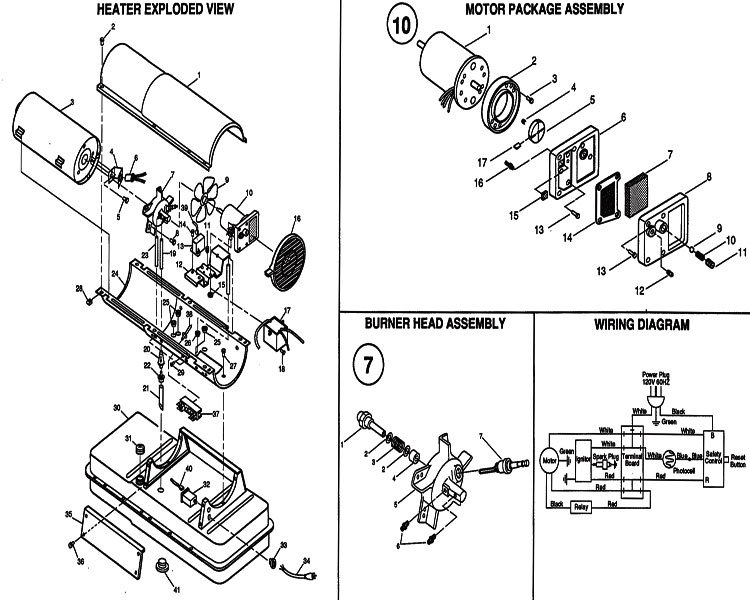
All-pro Heater Parts Diagram

Understanding your heater, whether it’s a furnace, heat pump, or boiler, is crucial for maintaining its efficiency and lifespan. A key element in this understanding is the heater parts diagram. This detailed schematic acts as a roadmap, helping homeowners, business owners, and HVAC professionals diagnose issues, perform maintenance, and even upgrade components for improved energy efficiency. This article dives deep into the anatomy of various heater types, explores the benefits of understanding their diagrams, and highlights how this knowledge translates into real-world energy savings.
Decoding the Heater Parts Diagram: A Breakdown by System
While specific components vary by manufacturer and model, the fundamental parts of most heating systems are consistent. Let's examine the diagrams for common types of heaters:
Furnaces: Gas, Oil, and Electric
A furnace's diagram typically illustrates the following:
- Burners (Gas/Oil): These ignite the fuel to generate heat. Gas furnaces are prevalent due to their relatively lower fuel costs and higher efficiency. An energy-efficient gas furnace can achieve AFUE (Annual Fuel Utilization Efficiency) ratings of 90% or higher, meaning 90% of the fuel is converted into usable heat.
- Heat Exchanger: This critical component transfers heat from the combustion chamber to the air circulated throughout your home. Cracks in the heat exchanger are a serious safety hazard and require immediate attention.
- Blower Motor: Circulates the heated air through ductwork. Variable-speed blower motors, often found in high-efficiency furnaces, offer improved comfort and energy savings by gradually adjusting airflow.
- Flue/Vent: Expels combustion gases safely outside the building. Ensure proper ventilation to prevent carbon monoxide buildup.
- Control Panel: Houses the electrical components, including the circuit board, transformer, and safety switches.
- Ignition System: Can be a pilot light (older models) or an electronic igniter (modern, more efficient models).
- Air Filter: Traps dust and debris, protecting the furnace components and improving indoor air quality. Regularly replacing your air filter is one of the simplest ways to improve your furnace's efficiency.
Electric furnaces operate differently, using heating elements to warm the air. Their diagrams will depict these elements, along with controls and a blower motor.
Heat Pumps: Air-Source and Geothermal
Heat pumps don't generate heat; they transfer it. The diagram shows:
- Compressor: The heart of the system, circulating refrigerant.
- Reversing Valve: Allows the heat pump to switch between heating and cooling modes.
- Evaporator Coil: Absorbs heat from the outside air (or ground in a geothermal system).
- Condenser Coil: Releases heat into the indoor air.
- Expansion Valve: Regulates refrigerant flow.
- Fan Motor(s): Circulate air over the coils.
Geothermal heat pumps, while more expensive to install, boast significantly higher energy efficiency than air-source models. Their diagrams will also include components related to the ground loop system, which extracts heat from the earth.
Boilers: Hot Water and Steam
Boilers heat water, which is then circulated through radiators or baseboard heaters. The diagram reveals:
- Burner: Heats the water.
- Heat Exchanger: Transfers heat from the burner to the water.
- Circulator Pump: Moves the hot water through the system.
- Expansion Tank: Accommodates changes in water volume due to temperature fluctuations.
- Pressure Relief Valve: Releases excess pressure to prevent damage.
- Water Feeder: Adds water to maintain the proper water level.
Understanding the interaction of these parts, as visualized in the heater parts diagram, is key for effective maintenance and troubleshooting.
Why Understanding the Heater Parts Diagram Matters: Benefits and ROI
Beyond simply identifying components, understanding the heater parts diagram offers several tangible benefits:
- Improved Troubleshooting: When your heater malfunctions, the diagram helps pinpoint the potential source of the problem, saving time and money on diagnostics.
- Effective Maintenance: Regular maintenance, guided by the diagram, ensures optimal performance and extends the lifespan of your system. This includes cleaning burners, inspecting connections, and replacing worn parts.
- Informed Repairs: Armed with knowledge from the diagram, you can better communicate with HVAC technicians, understand repair recommendations, and avoid unnecessary expenses.
- Strategic Upgrades: The diagram allows you to identify components that can be upgraded for improved efficiency, such as replacing a standard blower motor with a variable-speed model or installing a more efficient burner.
ROI Considerations: While upgrading to a high-efficiency system involves upfront costs, the long-term savings can be substantial. According to the Energy Star program, replacing an old furnace with an Energy Star certified model can save homeowners up to 15% on their heating bills. Smart thermostats, which can be integrated with any of these systems, offer further savings. Programmable thermostats, like the Nest Learning Thermostat, learn your habits and adjust temperatures automatically, saving up to 10-12% on heating costs.
Smart HVAC Integration: Enhancing Efficiency with Technology
Modern HVAC systems increasingly integrate with smart home technology. This integration allows for:
- Remote Control: Adjust your thermostat from anywhere using your smartphone or tablet.
- Zone Control: Control the temperature in different areas of your home independently, optimizing comfort and saving energy.
- Energy Monitoring: Track your energy consumption in real-time, identifying areas for improvement.
- Predictive Maintenance: Smart sensors can detect potential problems before they escalate, reducing the risk of costly repairs.
Integrating a smart thermostat with your existing heating system is a relatively inexpensive way to boost energy efficiency. Many utility companies offer rebates on smart thermostats, further reducing the upfront cost. Research local energy efficiency rebates to maximize your savings.
Safety First: Working with Your Heater Parts Diagram
While understanding your heater's anatomy is beneficial, safety should always be the top priority. Never attempt repairs or maintenance if you are not qualified. Always disconnect the power supply before working on any electrical components. If you are unsure about any aspect of the process, consult a qualified HVAC technician.
Finding Your Heater Parts Diagram: Resources and Tips
Here are several ways to locate the heater parts diagram for your specific system:
- Owner's Manual: The manual is the most reliable source of information. It usually includes a detailed diagram, along with troubleshooting tips and maintenance instructions.
- Manufacturer's Website: Most manufacturers have online databases of manuals and diagrams. Search by model number.
- HVAC Technician: A qualified technician can provide you with a diagram and explain its components.
- Online Parts Suppliers: Many online retailers that sell HVAC parts also provide diagrams.
When searching for a diagram, be sure to specify the make, model, and year of your heater. This ensures that you obtain the correct schematic for your system.
Conclusion: Empowering Energy Savings Through Knowledge
Understanding the heater parts diagram is a powerful tool for homeowners and business owners seeking to reduce energy costs and improve the performance of their heating systems. By familiarizing yourself with the components and their functions, you can troubleshoot issues more effectively, perform essential maintenance, and make informed decisions about upgrades. Combined with smart technology and professional expertise, this knowledge empowers you to take control of your energy consumption and create a more comfortable and efficient living environment. Remember to prioritize safety and consult with qualified professionals when necessary.