Amana Furnace Model Number

Your Amana furnace keeps your home comfortable during the cold months, and understanding its model number is the first step towards proper maintenance and troubleshooting. This guide will help you locate your furnace model number, understand its meaning, and use it for effective DIY repairs and professional service calls.
Finding Your Amana Furnace Model Number
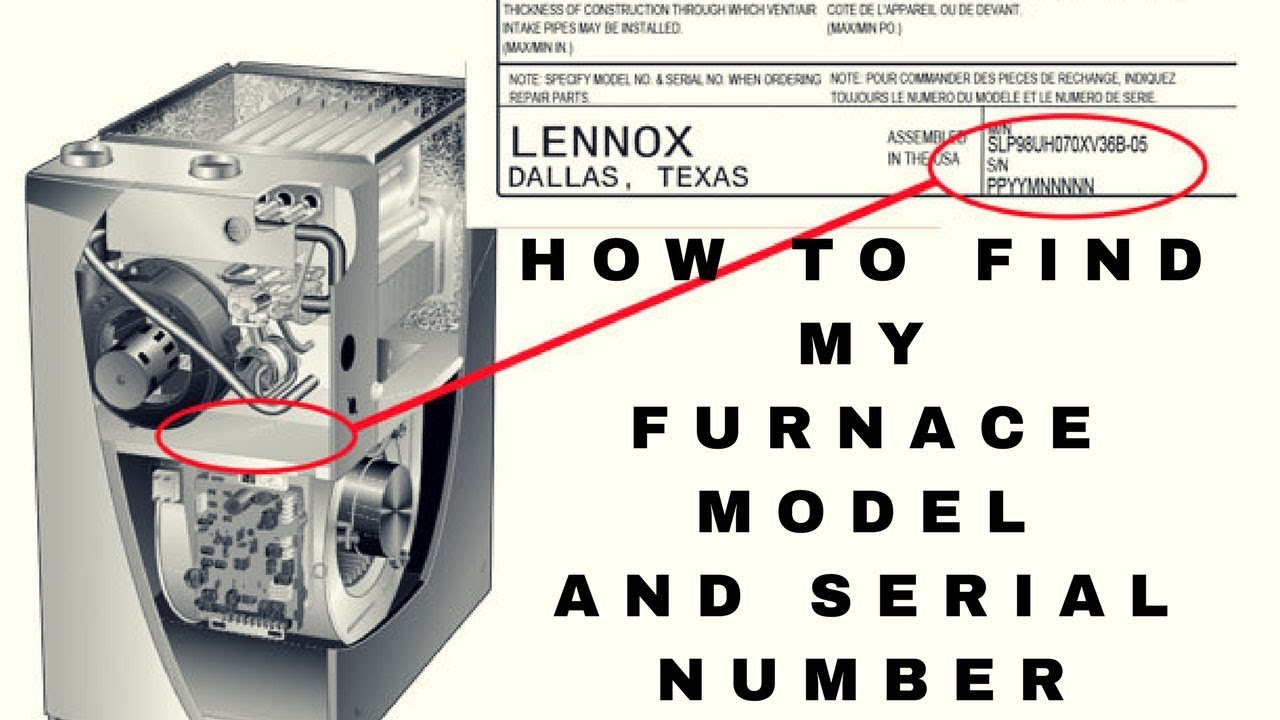
The model number is usually located on a rating plate or sticker affixed to the furnace itself. Here's where to look:
- Inside the blower compartment: This is the most common location. Turn off the furnace at the breaker before opening the access panel. Look for a metal plate or sticker on the inside wall of the compartment.
- On the exterior of the furnace cabinet: Check the sides or front of the unit, particularly near the top or bottom.
- Behind the access panel to the burners: Similar to the blower compartment, but be extra cautious due to the gas connections. Always turn off the gas supply before removing this panel.
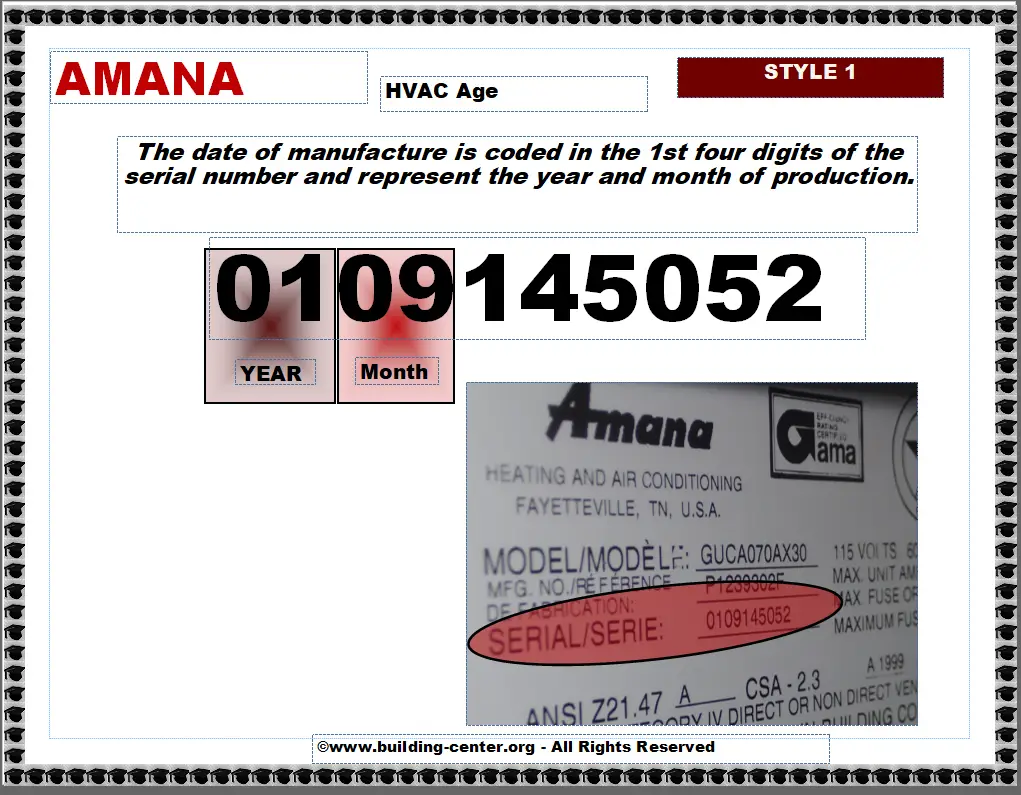
The rating plate will contain information such as the model number, serial number, manufacturing date, BTU input, and electrical specifications. The model number is typically a combination of letters and numbers (e.g., AMVC961205CX). Write it down carefully, as even a single incorrect digit can lead to confusion.
Understanding Your Amana Furnace Model Number
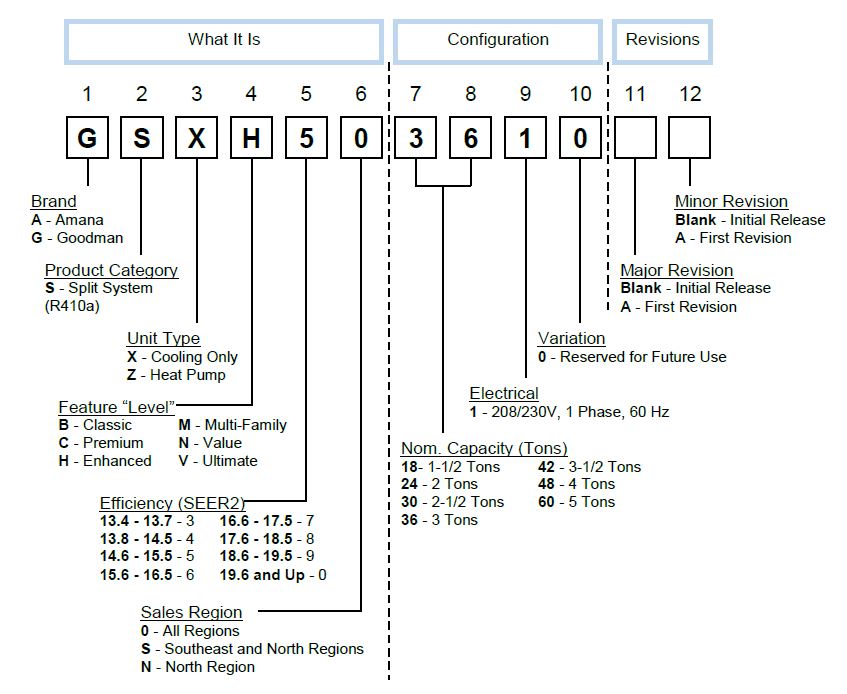
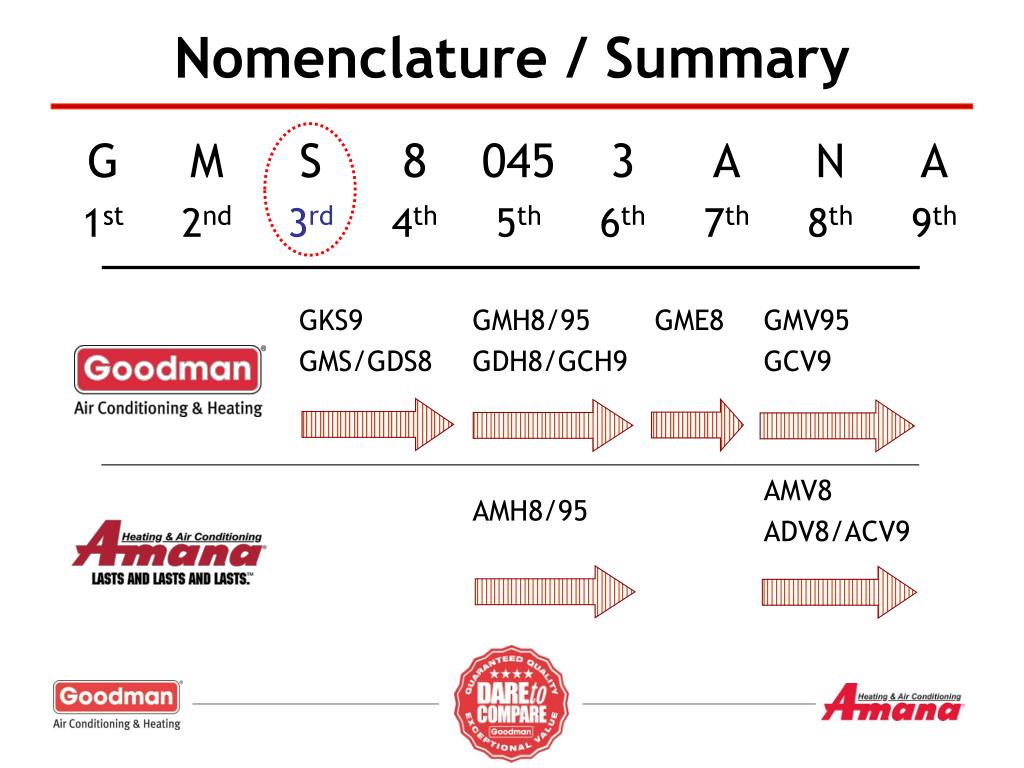
Amana furnace model numbers are coded to reveal important information about the unit. While the exact structure may vary slightly depending on the model year, here's a general breakdown:
- Prefix (e.g., AMV, ASX): Indicates the type of furnace and its features. For example, "AMV" often indicates a variable-speed furnace, while "ASX" might denote a single-stage unit.
- Efficiency Rating (e.g., C96): This usually represents the Annual Fuel Utilization Efficiency (AFUE) of the furnace. "C96" signifies a 96% AFUE rating, meaning 96% of the fuel is converted into usable heat.
- BTU Input (e.g., 120): This indicates the furnace's heating capacity in thousands of BTUs per hour. "120" means the furnace has a 120,000 BTU input.
- Cabinet Size and Features (e.g., 5CX): These characters often represent the cabinet size, blower motor type, and other specific features. Consult the Amana product specifications for your specific model to fully decode these characters.
Understanding this coding helps you quickly identify the furnace's key specifications and compare it to other models.
Using the Model Number for Troubleshooting and Repairs
Your Amana furnace model number is your key to finding the correct parts, troubleshooting guides, and technical specifications for your unit. Here's how to use it effectively:
- Finding the correct replacement parts: When ordering replacement parts like ignitors, flame sensors, blower motors, or gas valves, always use the model number to ensure compatibility. Generic parts may not work correctly and could damage your furnace.
- Accessing technical documentation: Use the model number to find the installation manual, service manual, and wiring diagrams for your furnace online or through Amana's website. These documents contain valuable information for troubleshooting and repair.
- Diagnosing common problems: Many online forums and HVAC resources allow you to search for common problems associated with specific Amana furnace models. This can help you narrow down the possible causes of an issue.
- Getting accurate repair cost estimates: When calling an HVAC technician, providing the model number upfront will allow them to research the furnace and give you a more accurate estimate for repairs.
Common Amana Furnace Problems and DIY Solutions
While some furnace repairs should always be handled by a professional, here are a few simple issues you might be able to address yourself:
- Furnace not turning on:
- Check the thermostat: Ensure it's set to "heat" and the temperature is set above the current room temperature. Replace the thermostat batteries if necessary.
- Check the circuit breaker: Make sure the breaker for the furnace hasn't tripped. Reset it if necessary.
- Check the emergency shut-off switch: This switch is typically located near the furnace and may have been accidentally turned off.
- Check the furnace filter: A dirty air filter can restrict airflow and cause the furnace to overheat and shut down. Replace the filter with a new one of the correct size and MERV rating.
- Furnace blowing cold air:
- Check the pilot light (for older models): If the pilot light is out, relight it according to the manufacturer's instructions.
- Check the flame sensor: A dirty flame sensor can prevent the furnace from staying lit. Clean the flame sensor with fine steel wool or sandpaper.
- Check for a tripped high-limit switch: This switch is designed to shut off the furnace if it overheats. It may need to be manually reset. However, repeatedly tripping high-limit switches indicate a more serious issue.
- Unusual noises:
- Squealing: Could indicate a worn blower motor belt or bearings. A professional should replace these.
- Rattling: Could be loose screws or debris in the blower housing. Inspect the furnace and tighten any loose screws.
- Banging: Could be due to delayed ignition or a problem with the gas valve. This requires professional attention.
Tools and Parts for Basic Furnace Maintenance
Having these tools and parts on hand can make basic furnace maintenance and repairs easier:
- Screwdrivers (Phillips and flathead)
- Wrench set
- Multimeter
- Vacuum cleaner
- Steel wool or sandpaper
- New furnace filter
- Replacement ignitor (if you know the correct part number)
- Flame sensor (if you know the correct part number)
Safety Tips for Furnace Repairs
Working with gas and electricity can be dangerous. Always follow these safety precautions:
- Turn off the power: Before working on any electrical components, turn off the power to the furnace at the circuit breaker.
- Turn off the gas: Before working on any gas components, turn off the gas supply to the furnace at the gas valve.
- Wear safety glasses: Protect your eyes from debris and sparks.
- Never work alone: Have someone nearby in case of an emergency.
- If you're unsure, call a professional: Don't attempt repairs beyond your skill level.
When to Call a Professional HVAC Technician
Some furnace problems require the expertise of a qualified HVAC technician. Call a professional if you experience any of the following:
- Gas leak: If you smell gas, evacuate the area immediately and call your gas company or 911.
- Carbon monoxide alarm: If your carbon monoxide alarm goes off, evacuate the area and call your fire department.
- Major component failure: If the blower motor, gas valve, or heat exchanger is damaged, it's best to have a professional replace it.
- Complex electrical issues: If you're not comfortable working with electricity, don't attempt to diagnose or repair electrical problems.
- Recurring problems: If your furnace is experiencing the same problem repeatedly, it's likely a sign of a more serious underlying issue.
- You lack the necessary skills or tools: Don't attempt repairs beyond your skill level or without the proper tools.
Estimating Amana Furnace Repair Costs
Repair costs can vary widely depending on the type of problem and the parts required. Here's a general idea of what you might expect to pay:
- Replacing a flame sensor: $100 - $200
- Replacing an ignitor: $150 - $300
- Replacing a blower motor: $300 - $800
- Replacing a gas valve: $300 - $700
- Replacing a circuit board: $400 - $1000
- Heat exchanger replacement: $1500 - $3000 (often not worth it, consider replacing the furnace)
These are just estimates, and the actual cost may vary depending on your location, the technician's hourly rate, and the complexity of the job. Always get multiple quotes from different HVAC companies before committing to a repair.
Maintaining Your Amana Furnace for Longevity
Regular maintenance can help extend the life of your Amana furnace and prevent costly repairs. Here are a few tips:
- Change the air filter regularly: At least every 1-3 months, or more often if you have pets or allergies.
- Schedule annual professional maintenance: A qualified HVAC technician can inspect and clean your furnace, identify potential problems, and ensure it's operating safely and efficiently.
- Keep the area around the furnace clean and clear: Remove any debris or obstructions that could restrict airflow.
- Monitor the furnace's performance: Pay attention to any unusual noises, smells, or changes in heating performance.
By understanding your Amana furnace model number, performing basic maintenance, and knowing when to call a professional, you can keep your furnace running smoothly and efficiently for years to come. Remember to prioritize safety and never attempt repairs beyond your skill level. Always consult the Amana product documentation specific to your model number.