Amana Ptac Fuse Location

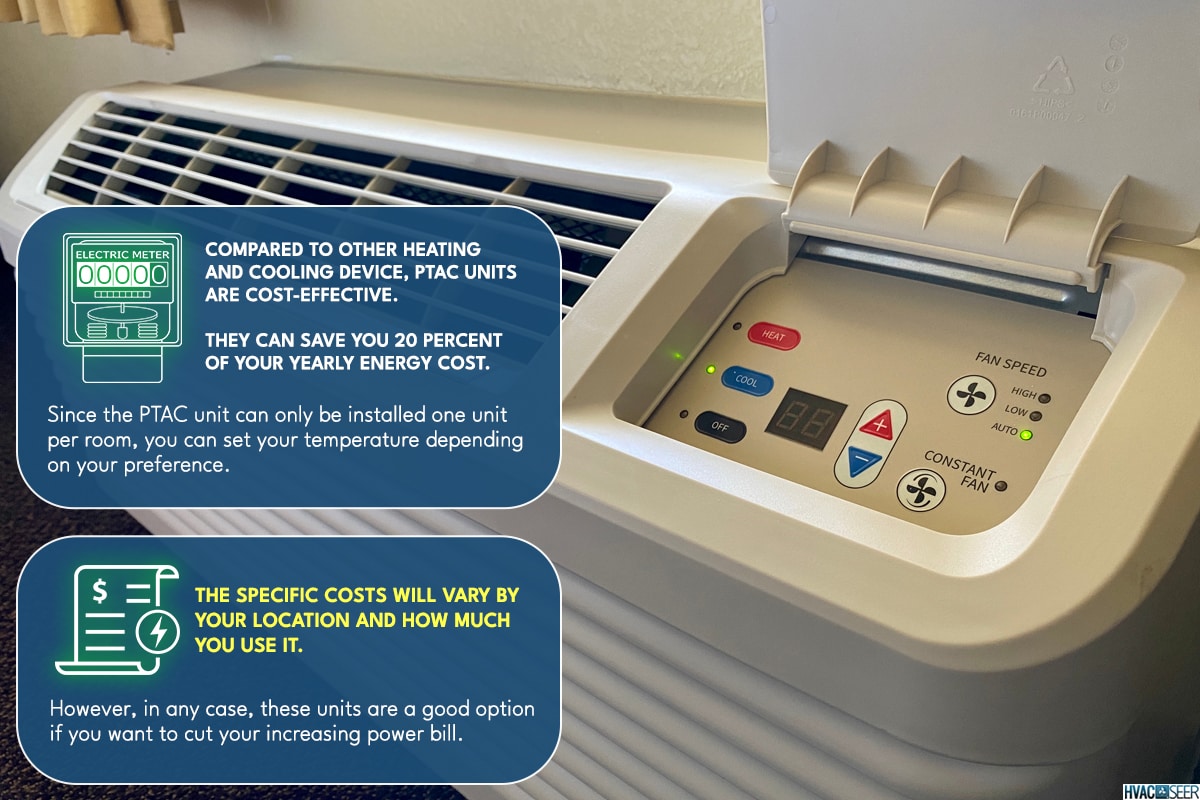
Amana Packaged Terminal Air Conditioners (PTACs) are a popular choice for providing individual climate control in hotels, apartments, and even some homes. When your Amana PTAC suddenly stops working, one of the first things to check is the fuse. A blown fuse is often a simple and inexpensive fix, but locating it and replacing it correctly is crucial. This guide will walk you through the process.
Locating the Amana PTAC Fuse
The fuse location can vary slightly depending on the specific Amana PTAC model you have. However, here's a general approach to find it:
- Power Down: Before doing anything, disconnect the PTAC from its power source. The easiest way to do this is to unplug it from the wall outlet. If it's hardwired, turn off the circuit breaker that controls the PTAC. Safety first!
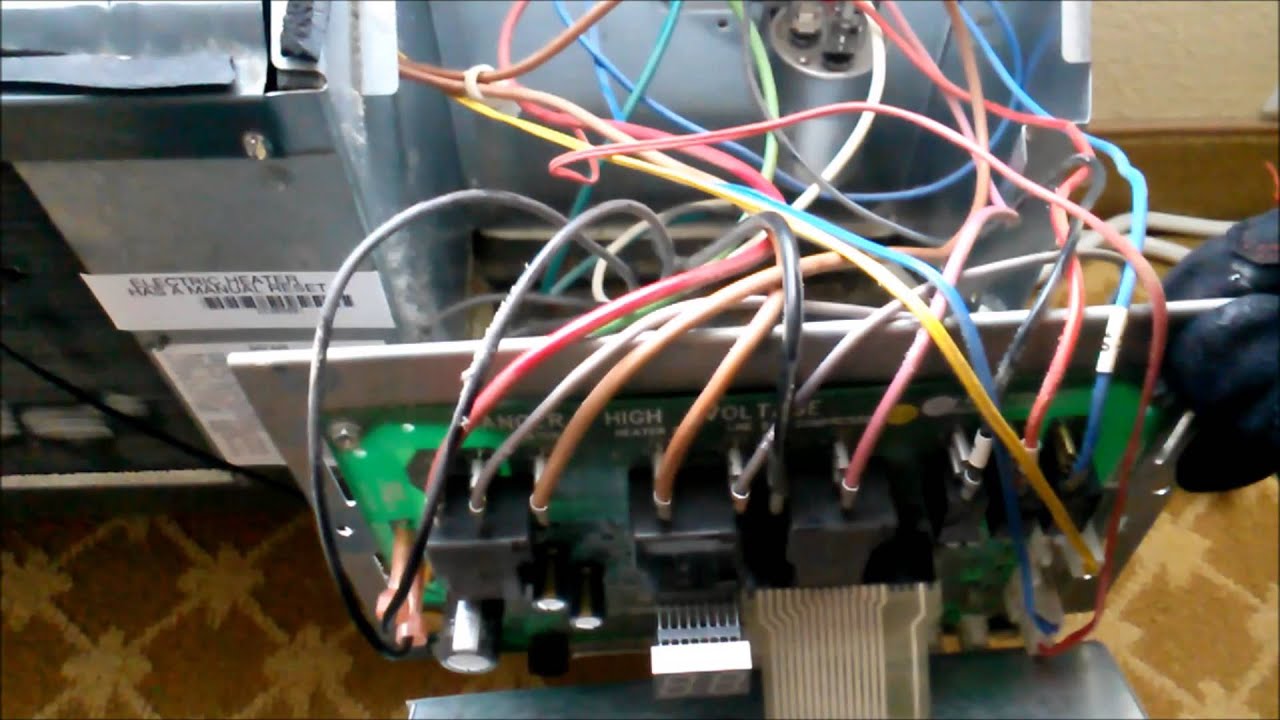
- Access the Control Panel: Most Amana PTAC units have a front control panel that can be easily accessed. Look for screws along the top or bottom edge of the panel. Remove these screws using a screwdriver.
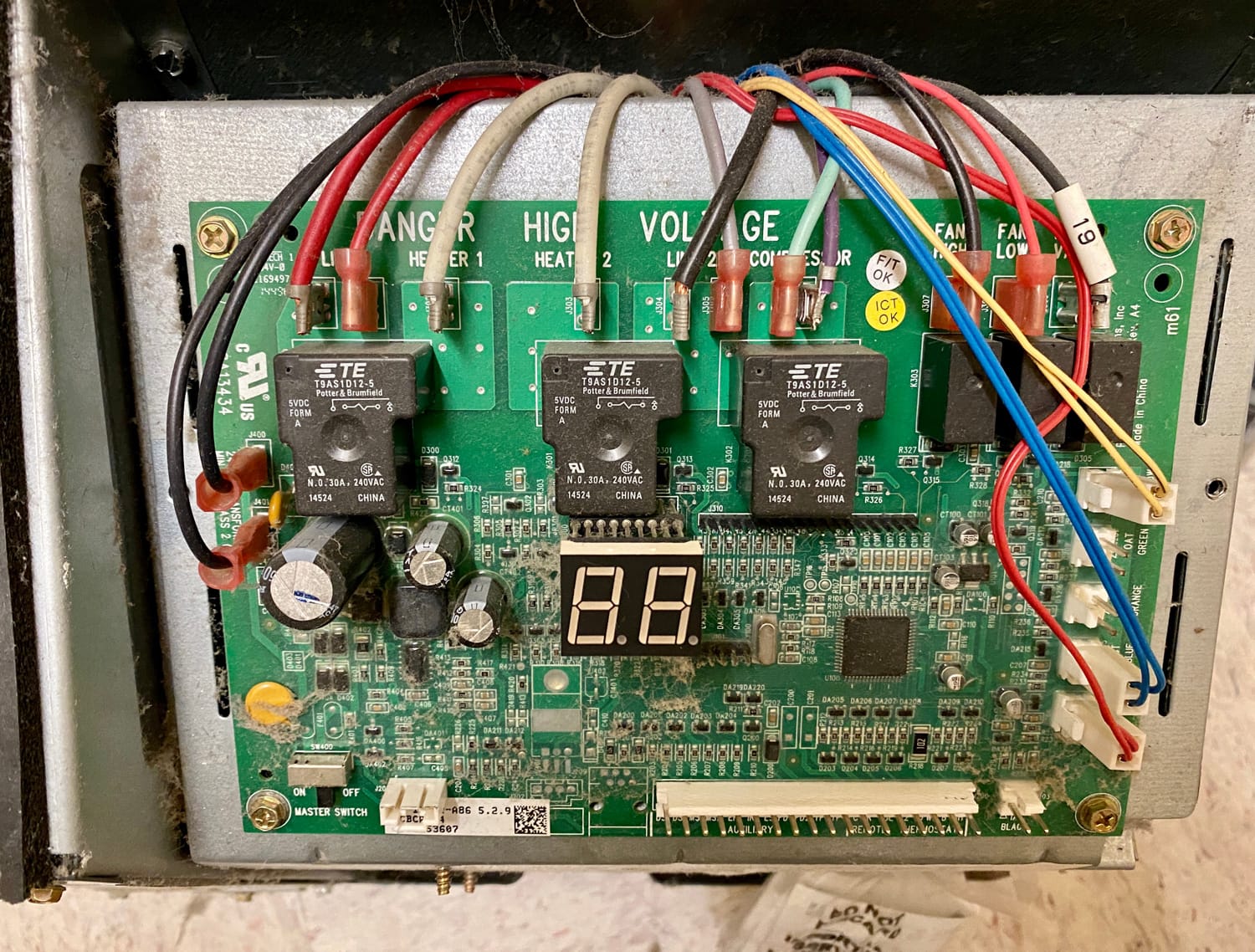
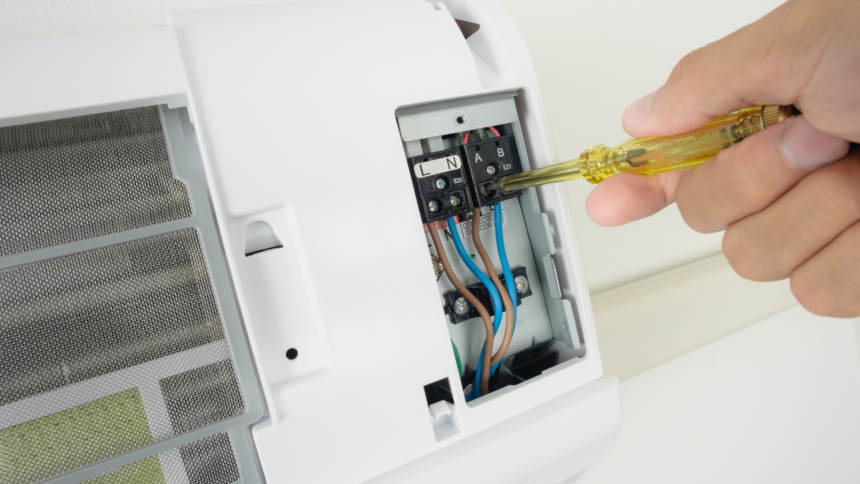
- Locate the Control Box: Once the control panel is open, you'll see a control box containing various electrical components. The fuse is usually located within this box.
- Search for the Fuse Holder: The fuse is typically housed in a small, rectangular fuse holder. It may be labeled with the fuse amperage (e.g., 15A, 20A). Look for a small, often clear, plastic component that slides or snaps open.
- Consult the Wiring Diagram: If you're having trouble finding the fuse, consult the wiring diagram. This diagram is usually attached to the inside of the control panel or the PTAC unit itself. It will show the exact location of the fuse.
Common Amana PTAC Models and Potential Fuse Locations:
- Amana PTH153G35AXXX: Behind the front panel, inside the control box.
- Amana PTH123G35AXXX: Similar to the PTH153G35AXXX, behind the front panel.
- Amana PTW Series: Check the control box accessible after removing the front grille.
Identifying a Blown Fuse
Once you've located the fuse, you need to determine if it's blown. Here's how:
- Visual Inspection: Carefully remove the fuse from its holder. Hold it up to the light and look for a break in the filament (the thin wire inside the glass or ceramic body). If the filament is broken or the glass is blackened or cloudy, the fuse is blown.
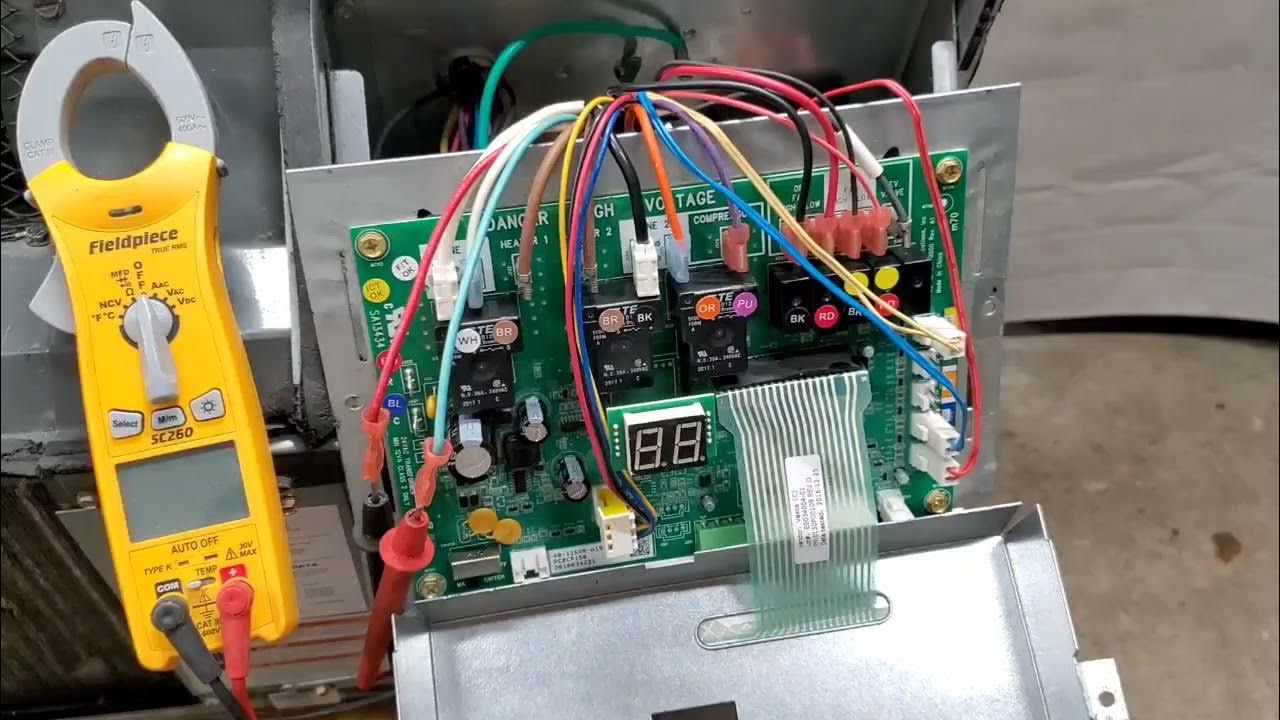
- Using a Multimeter: A multimeter is the most reliable way to test a fuse.
- Set your multimeter to the continuity setting (often indicated by a sound wave symbol).
- Touch one probe of the multimeter to each end of the fuse.
- If the multimeter beeps or displays a value close to zero, the fuse is good. If it displays 'OL' or a very high resistance, the fuse is blown.
Replacing the Amana PTAC Fuse
Replacing a blown fuse is a straightforward process, but it's essential to follow these steps carefully:
- Obtain the Correct Replacement Fuse: This is crucial. Look at the old fuse to determine its amperage and voltage rating. The amperage is usually printed on the fuse itself (e.g., 15A, 20A). Never use a fuse with a higher amperage rating, as this could damage the PTAC and create a fire hazard. Using a lower amperage fuse will cause it to blow prematurely.
- Turn off the Power: Make absolutely certain the power is still disconnected.
- Remove the Blown Fuse: Gently remove the blown fuse from its holder.
- Install the New Fuse: Insert the new fuse into the fuse holder, ensuring it fits snugly.
- Reassemble the Control Panel: Carefully reassemble the control panel, making sure all wires are properly connected and nothing is pinched.
- Restore Power: Plug the PTAC back into the wall outlet or turn on the circuit breaker.
- Test the PTAC: Turn on the PTAC and see if it operates correctly.
Common Causes of Blown Fuses in Amana PTACs
A blown fuse is often a symptom of a larger problem. Here are some common causes:
- Power Surge: A sudden surge of electricity can overload the fuse and cause it to blow. Consider using a surge protector to protect your PTAC.
- Overloaded Circuit: If too many appliances are plugged into the same circuit as the PTAC, it can overload the circuit and blow the fuse.
- Faulty Compressor: A failing compressor can draw excessive current, causing the fuse to blow.
- Dirty Air Filter: A dirty air filter restricts airflow, causing the PTAC to work harder and draw more current. Regularly clean or replace your air filter.
- Worn Wiring: Damaged or frayed wiring can cause short circuits, leading to blown fuses.
- Capacitor Failure: Start or run capacitor failures can overwork other components, leading to fuse failures.
Troubleshooting and When to Call a Professional
If you replace the fuse and it blows again immediately or shortly thereafter, there's likely a more serious problem. Here are some troubleshooting steps you can take:
- Check the Air Filter: Ensure the air filter is clean and not restricting airflow.
- Inspect the Wiring: Look for any signs of damaged or frayed wiring. If you find any, do not attempt to repair it yourself. Call a qualified electrician or HVAC technician.
- Listen for Unusual Noises: Pay attention to any unusual noises coming from the PTAC, such as buzzing, clicking, or grinding. These noises could indicate a failing component.
When to Call a Professional:
- If the fuse blows repeatedly after replacement.
- If you find any damaged wiring.
- If you suspect a problem with the compressor or other major components.
- If you are not comfortable working with electricity.
Attempting complex repairs without the proper knowledge and tools can be dangerous and could further damage your PTAC. It's always best to err on the side of caution and call a qualified HVAC technician.
Estimated Repair Costs
Here are some estimated repair costs associated with Amana PTAC issues. Keep in mind that these are just estimates, and the actual cost may vary depending on your location and the specific problem.
- Fuse Replacement: $5 - $20 (DIY) + Cost of the Fuse (around $5-$10)
- Air Filter Replacement: $10 - $30 (DIY)
- Capacitor Replacement: $100 - $300 (Professional)
- Compressor Replacement: $500 - $1500 (Professional) - Often not worth it, consider unit replacement
- Wiring Repair: $100 - $500 (Professional)
Note: These are just estimates. Always get a quote from a qualified HVAC technician before proceeding with any repairs.
Preventative Maintenance
Regular maintenance can help prevent blown fuses and other problems with your Amana PTAC. Here are some tips:
- Clean or Replace the Air Filter Regularly: Check the air filter monthly and clean or replace it as needed.
- Clean the Coils: Periodically clean the condenser and evaporator coils to ensure efficient heat transfer.
- Inspect the Wiring: Regularly inspect the wiring for any signs of damage.
- Schedule Professional Maintenance: Consider scheduling professional maintenance at least once a year to have your PTAC inspected and tuned up.
By following these tips, you can help keep your Amana PTAC running smoothly and efficiently for years to come. Remember, safety is paramount when working with electricity. If you're unsure about any aspect of the repair process, always consult with a qualified professional.
Disclaimer: This guide is for informational purposes only and should not be considered a substitute for professional advice. Always consult with a qualified HVAC technician or electrician before attempting any repairs.