Amazon Smart Thermostat Wiring Diagram For Heat Pump
The rise of smart home technology has significantly impacted the HVAC industry, demanding technicians who are not only skilled in traditional heating and cooling systems but also adept at integrating and troubleshooting smart devices. One of the most common smart home devices HVAC technicians encounter is the smart thermostat, and understanding its wiring – especially in the context of heat pumps – is crucial. This article provides an in-depth look at the Amazon Smart Thermostat wiring diagram for heat pumps, along with valuable insights for HVAC students, professionals, and employers navigating this evolving landscape.
Understanding Heat Pump Thermostat Wiring: A Foundation
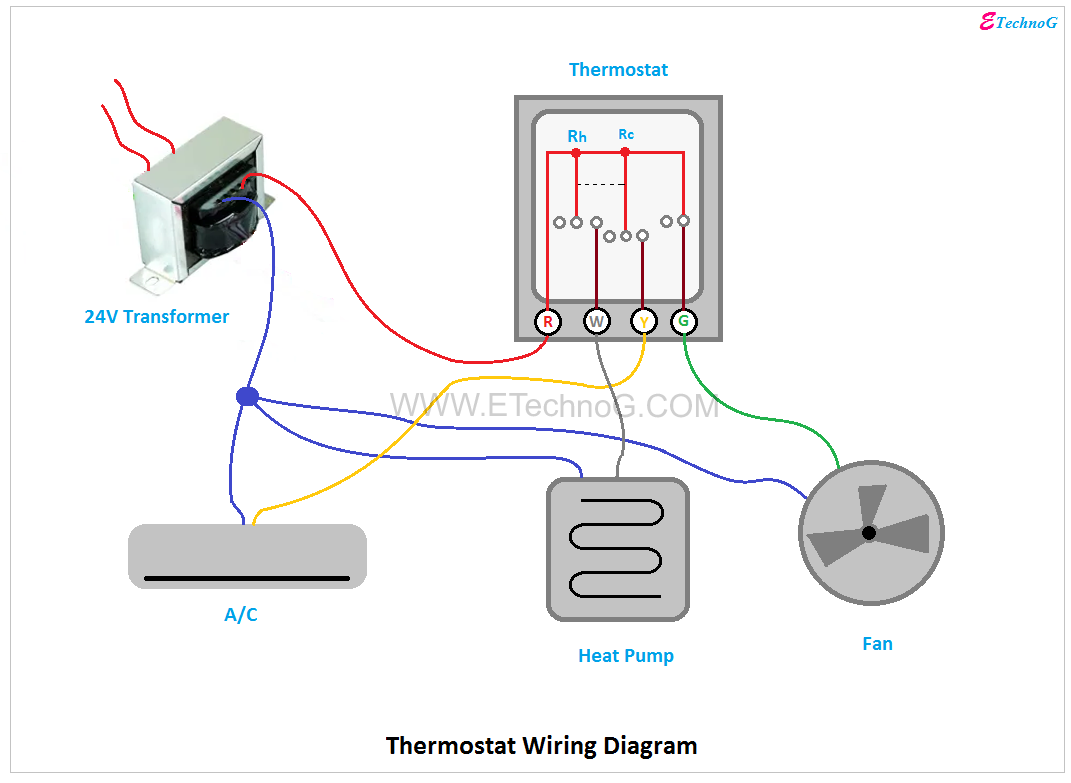
Before diving into the specifics of the Amazon Smart Thermostat, it's important to grasp the fundamental principles of heat pump thermostat wiring. Unlike conventional heating and cooling systems, heat pumps require a reversing valve to switch between heating and cooling modes. This reversing valve is controlled by a dedicated wire, leading to a different wiring configuration than that of a standard furnace and AC setup.
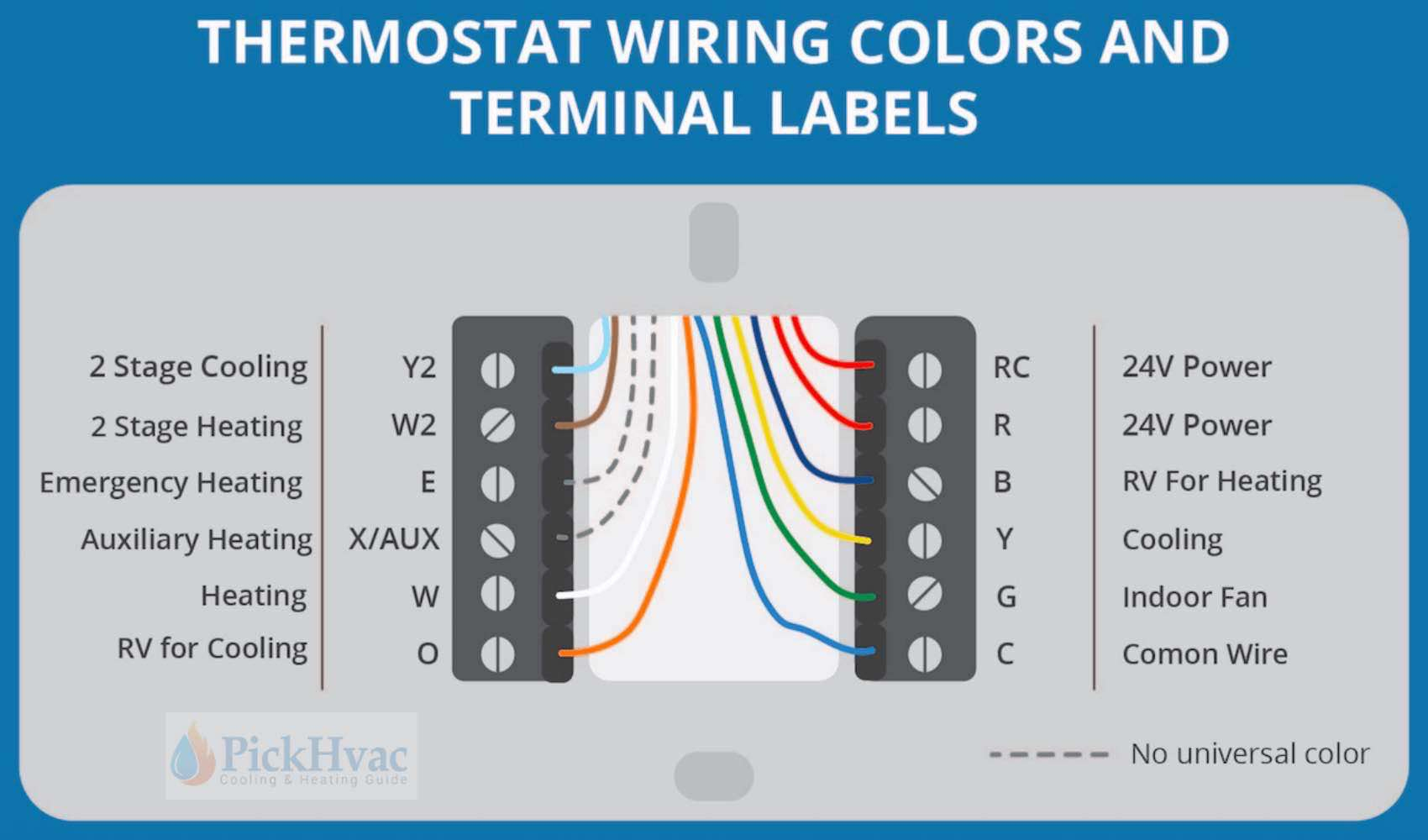
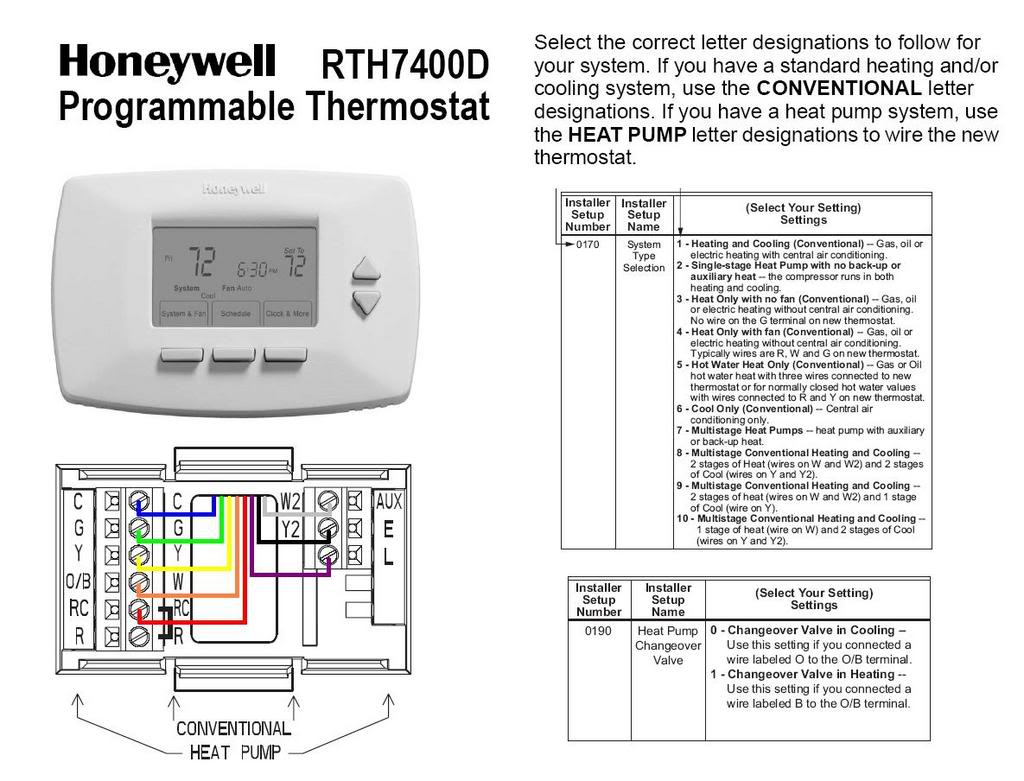
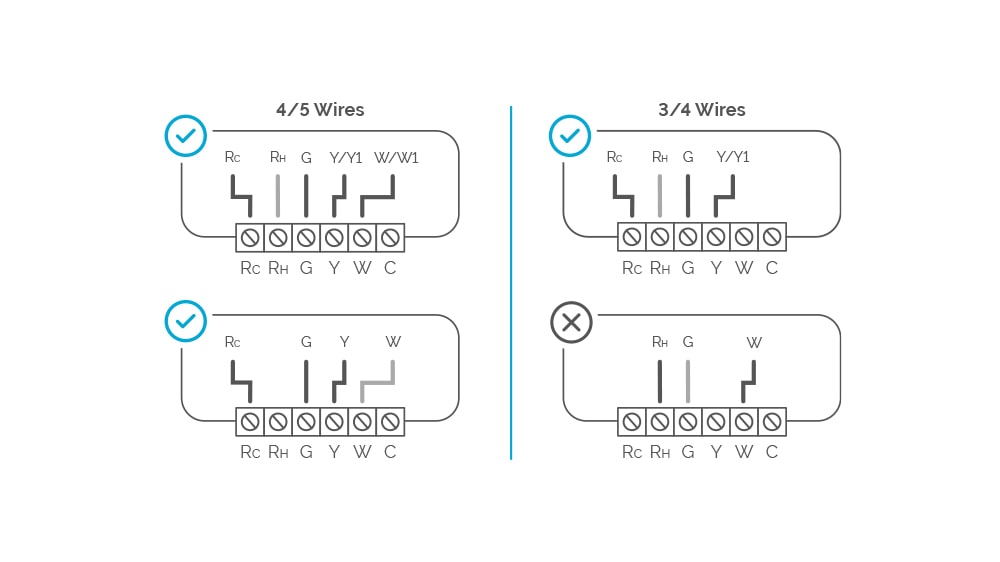
Typical heat pump thermostat terminals include:
- R: 24VAC Power (often from the transformer)
- C: Common Wire (provides a return path for the 24VAC)
- Y: Compressor (cooling)
- G: Fan
- O/B: Reversing Valve (energized in either heating or cooling, depending on the system configuration)
- W: Auxiliary Heat (electric resistance heat strips for supplemental heating)
- E: Emergency Heat (locks out the compressor and runs only auxiliary heat)
The O/B terminal is where confusion often arises. Some heat pumps energize the reversing valve in cooling mode (O), while others energize it in heating mode (B). Correctly identifying which system you're working with is essential for proper thermostat operation. The specific Amazon Smart Thermostat wiring diagram will account for both scenarios.
Decoding the Amazon Smart Thermostat Wiring Diagram for Heat Pumps
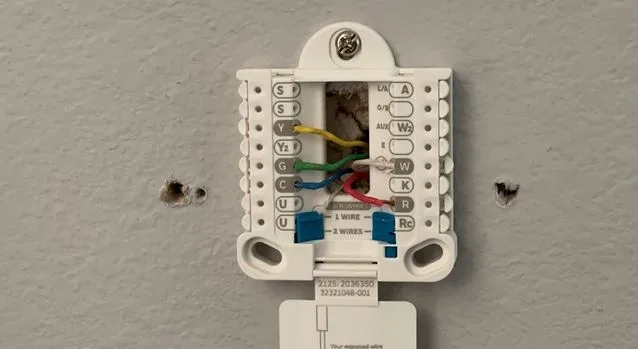
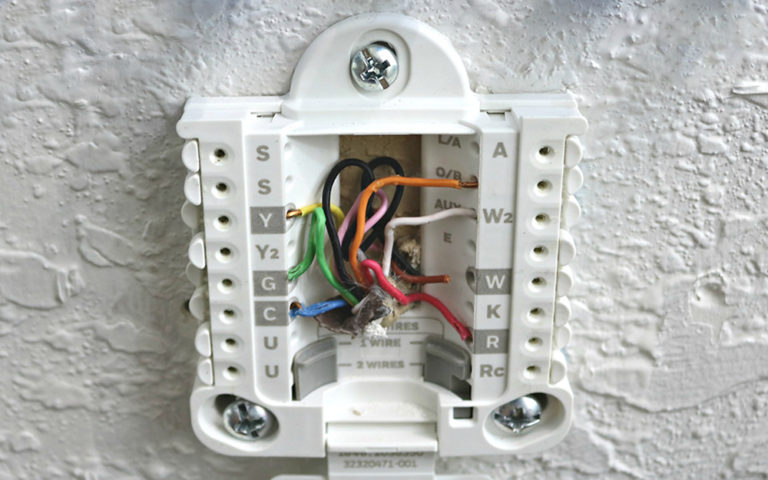
The Amazon Smart Thermostat is designed for ease of installation, but understanding its wiring diagram is still crucial, especially when dealing with heat pumps. The thermostat itself provides a simplified diagram, but here's a more detailed breakdown:
Common Wiring Scenarios:
- Scenario 1: Energize to Cool (O Terminal): If your existing thermostat had a wire connected to the 'O' terminal, you'll typically connect that wire to the 'O/B' terminal on the Amazon Smart Thermostat. The Amazon Smart Thermostat automatically detects the configuration during setup.
- Scenario 2: Energize to Heat (B Terminal): If your existing thermostat had a wire connected to the 'B' terminal, you'll connect that wire to the 'O/B' terminal on the Amazon Smart Thermostat. Again, the thermostat handles the configuration automatically.
- Scenario 3: Separate O and B Terminals (Less Common): Some older systems might have separate O and B terminals. In this case, consult the Amazon Smart Thermostat documentation or contact their support for specific instructions. You may need to use a jumper wire or configure the thermostat manually.
Important Considerations:
- C-Wire Requirement: The Amazon Smart Thermostat *requires* a C-wire for proper operation. If your existing system doesn't have a C-wire, you'll need to install one. This typically involves connecting an unused wire in your thermostat cable to the C terminal on your furnace control board. Some thermostats include a C-wire adapter kit if running a new wire isn't feasible.
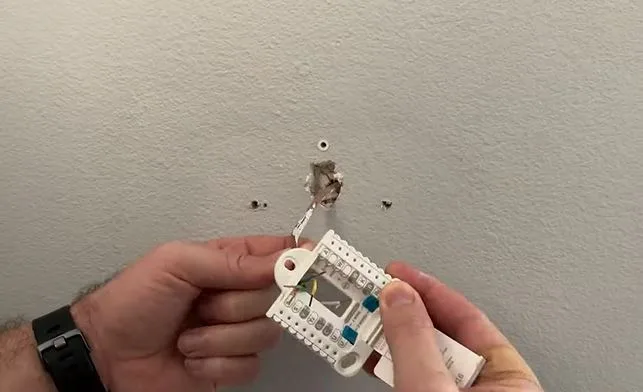
- Wire Labels: Before disconnecting any wires from your old thermostat, carefully label them. This will save you considerable time and frustration during installation. Use the provided stickers or take clear photos.
- Power Down: Always turn off the power to your HVAC system at the breaker before working on any wiring. Safety is paramount.
- Auxiliary Heat: Ensure the 'W' wire is correctly connected for auxiliary heat functionality. This is crucial for maintaining comfortable temperatures during periods of extreme cold.
Troubleshooting Common Issues
Even with a clear wiring diagram, issues can arise. Here are some common problems and their potential solutions:
- Thermostat Doesn't Power On: Check the C-wire connection. Verify that the breaker is on and that the 24VAC transformer is functioning correctly.
- Incorrect Heating/Cooling: Double-check the O/B terminal configuration. Ensure the thermostat is set to the correct heating or cooling mode.
- Auxiliary Heat Runs Constantly: Inspect the 'W' wire connection. The thermostat's settings might need adjustment to prevent excessive auxiliary heat usage.
- Fan Doesn't Turn On: Verify the 'G' wire connection. Some systems require a jumper between certain terminals.
Career Opportunities and the Demand for Smart Home HVAC Technicians
The integration of smart technology into HVAC systems is creating new and exciting career opportunities. As consumers adopt smart thermostats, smart vents, and other connected devices, the demand for technicians who can install, configure, and troubleshoot these systems is rapidly growing. This trend presents a significant advantage for individuals entering the HVAC field and for experienced technicians looking to expand their skillset.
Job Outlook and Salary: According to the U.S. Bureau of Labor Statistics, the employment of HVAC technicians is projected to grow 6 percent from 2022 to 2032, about as fast as the average for all occupations. The median annual wage for HVAC technicians was $59,620 in May 2023. However, technicians with specialized skills in smart home technology can command higher salaries. Entry-level positions may start around $40,000 per year, while experienced technicians with certifications and expertise in smart home systems can earn upwards of $80,000 or more annually.
Career Paths:
- Residential HVAC Technician: Focuses on installing, maintaining, and repairing HVAC systems in homes. Knowledge of smart thermostat wiring is essential.
- Commercial HVAC Technician: Works on larger, more complex HVAC systems in commercial buildings. Experience with building automation systems (BAS) is valuable.
- HVAC Service Manager: Oversees a team of HVAC technicians, ensuring efficient and high-quality service delivery. Strong technical skills and leadership abilities are required.
- HVAC Sales Engineer: Designs and sells HVAC systems to commercial and residential customers. Technical knowledge and sales acumen are necessary.
- Building Automation Systems (BAS) Specialist: Designs, installs, and maintains BAS that control HVAC, lighting, and other building systems. Requires a strong understanding of HVAC and electronics.
Certifications and Training: Advancing Your Career
Obtaining industry-recognized certifications can significantly enhance your career prospects and earning potential. Some of the most relevant certifications for HVAC technicians include:
- NATE (North American Technician Excellence): NATE certification is widely recognized as a mark of excellence in the HVAC industry. NATE offers certifications in various specialties, including heat pumps and air conditioning.
- EPA Section 608 Certification: Required by the Environmental Protection Agency for technicians who handle refrigerants. There are different levels of certification depending on the type of equipment being serviced.
- HVAC Excellence: Another reputable certification organization that offers a range of certifications for HVAC technicians.
- Manufacturer-Specific Training: Many HVAC equipment manufacturers offer training programs on their products. These programs can provide valuable knowledge and skills specific to a particular brand.
In addition to certifications, consider pursuing further education through vocational schools, community colleges, or online courses. These programs can provide you with a solid foundation in HVAC fundamentals and advanced topics like smart home integration.
Real-World Example: From Apprentice to Smart Home Expert
Consider the career trajectory of Sarah, a recent graduate of an HVAC apprenticeship program. She started as a helper, assisting experienced technicians with basic tasks. Recognizing the growing importance of smart home technology, Sarah invested in online courses and manufacturer-specific training on smart thermostats and related devices. She obtained her NATE certification and became proficient in installing and troubleshooting various smart home HVAC systems, including the Amazon Smart Thermostat. Within a few years, Sarah became the go-to technician for smart home installations at her company, earning a higher salary and greater job satisfaction.
The Employer's Perspective: Hiring and Training Smart Home HVAC Technicians
For HVAC employers, finding and retaining skilled technicians is a constant challenge. The increasing demand for smart home HVAC systems makes it even more crucial to hire technicians with the necessary expertise or to invest in training existing employees.
Hiring Strategies:
- Target vocational schools and apprenticeship programs: These institutions are often a good source of entry-level technicians with a strong foundation in HVAC fundamentals.
- Offer competitive salaries and benefits: Attracting and retaining top talent requires a competitive compensation package.
- Provide opportunities for professional development: Invest in training programs and certifications to help your technicians stay up-to-date with the latest technologies.
- Highlight your company's commitment to innovation: Attract candidates who are passionate about smart home technology by showcasing your company's expertise in this area.
Training Programs:
- In-house training: Develop your own training programs to teach your technicians about smart home HVAC systems and the specific products you install.
- Partner with manufacturers: Take advantage of manufacturer-sponsored training programs to provide your technicians with specialized knowledge.
- Offer tuition reimbursement: Encourage your technicians to pursue certifications and further education by offering tuition reimbursement.
By investing in training and development, HVAC employers can build a skilled workforce that is prepared to meet the demands of the evolving industry.
Conclusion
Understanding the Amazon Smart Thermostat wiring diagram for heat pumps is just one piece of the puzzle in the rapidly evolving world of smart home HVAC. By staying informed about the latest technologies, pursuing relevant certifications, and investing in ongoing training, HVAC students, professionals, and employers can thrive in this dynamic and rewarding field. The future of HVAC is undoubtedly connected, and those who embrace smart technology will be well-positioned for success.