Ambient Gas Fireplace Remote Control Instructions

Decoding Your Ambient Gas Fireplace Remote: A Comprehensive Guide
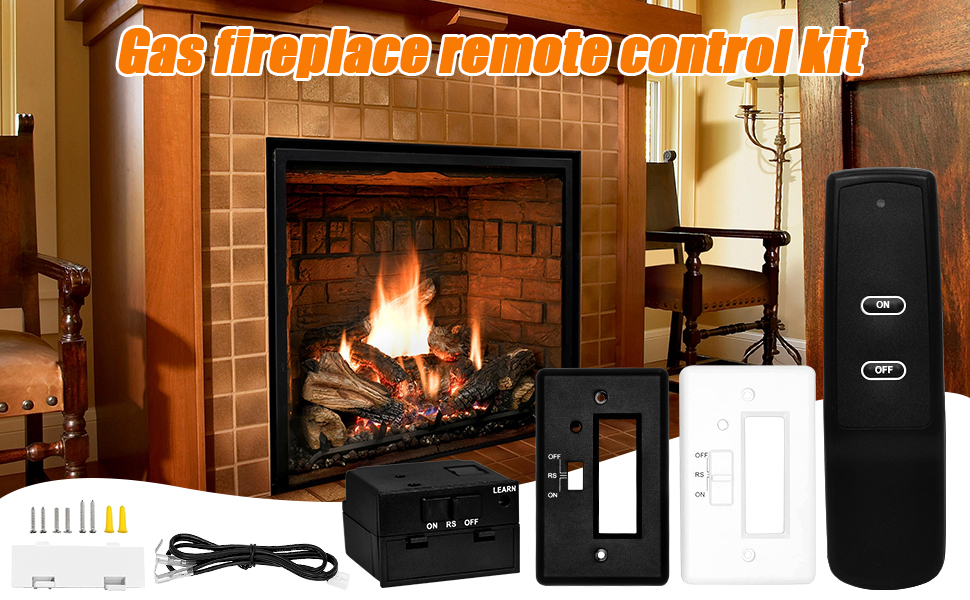
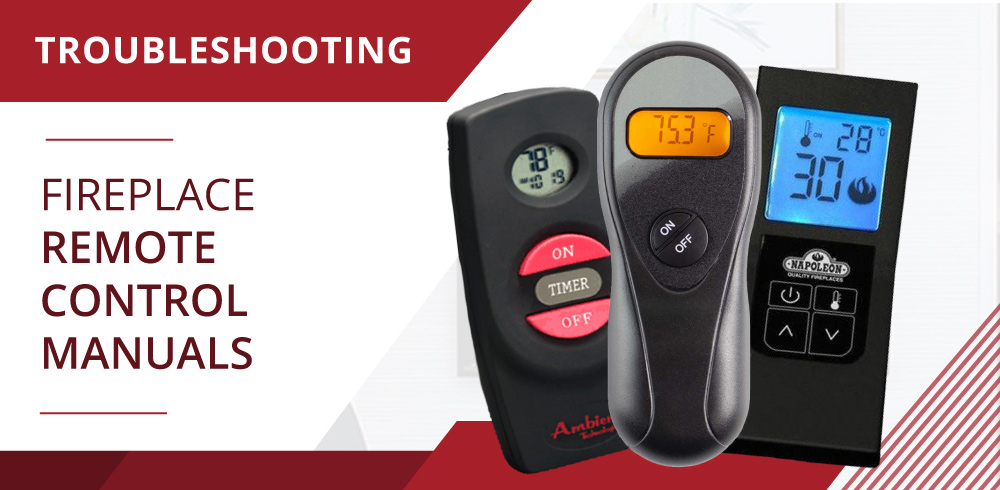
Gas fireplaces offer the ambiance of a traditional wood-burning fireplace without the mess and hassle. A key component of their convenience is the remote control, allowing you to adjust the flame, temperature, and even program operation from the comfort of your couch. However, navigating the buttons and settings can sometimes feel like deciphering a foreign language. This guide will demystify your Ambient Gas Fireplace remote control, providing clear instructions and troubleshooting tips.
Understanding the Basics: Common Remote Features
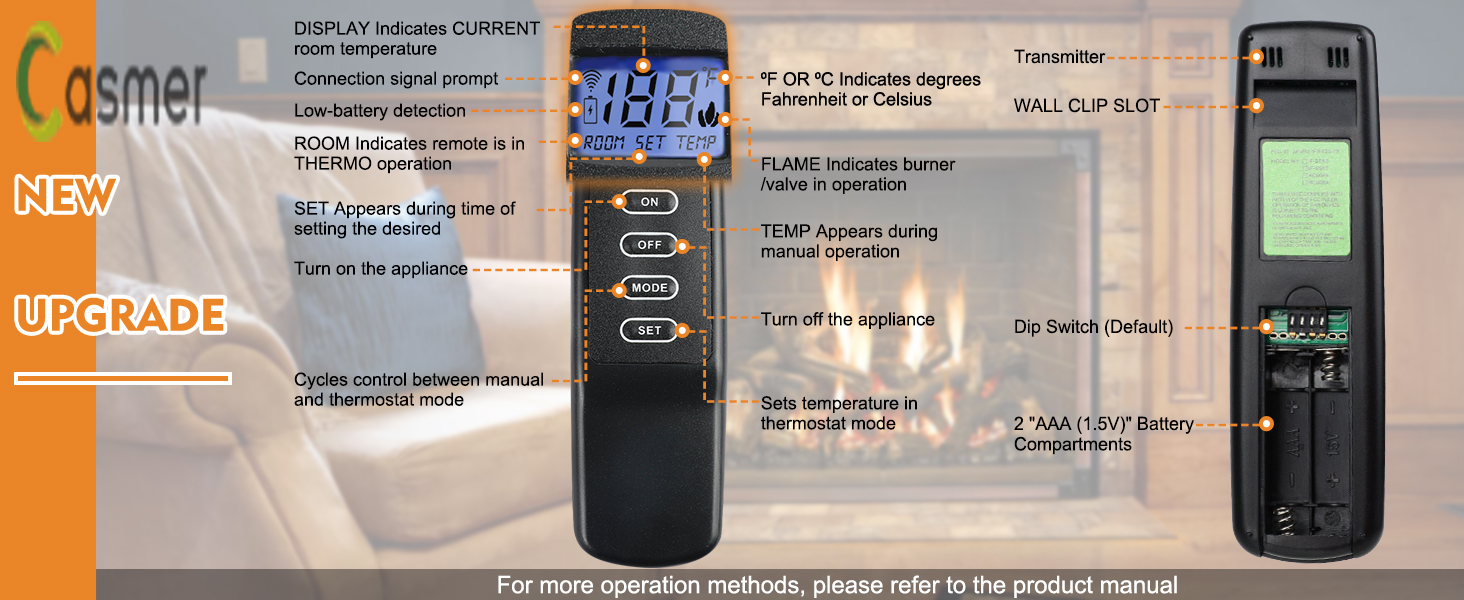
While specific features may vary slightly depending on the model, most Ambient Gas Fireplace remotes share a core set of functionalities:
- On/Off: The most fundamental function. Turns the fireplace on and off.
- Flame Height Adjustment: Allows you to increase or decrease the flame size for varying levels of heat and ambiance.
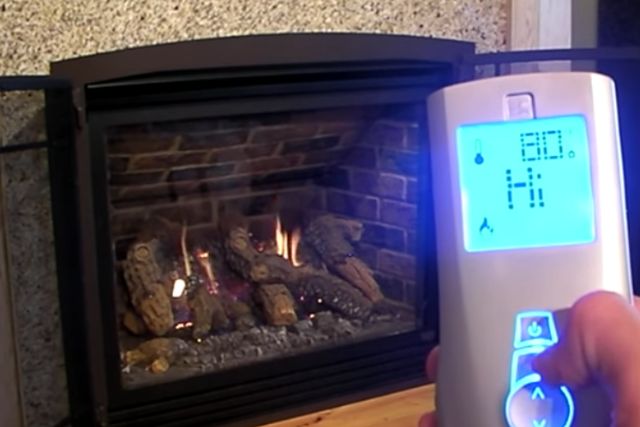
- Thermostat Control: Sets a desired room temperature, and the fireplace will automatically adjust its output to maintain that temperature.
- Timer: Sets a specific duration for the fireplace to operate, after which it will automatically shut off. This is great for energy conservation and safety.
- Fan Control: (If equipped) Controls the speed and operation of the blower fan, which helps circulate heat throughout the room.
- Mode Selection: May include options like "Manual" (direct control), "Thermostat," or "Smart" modes.
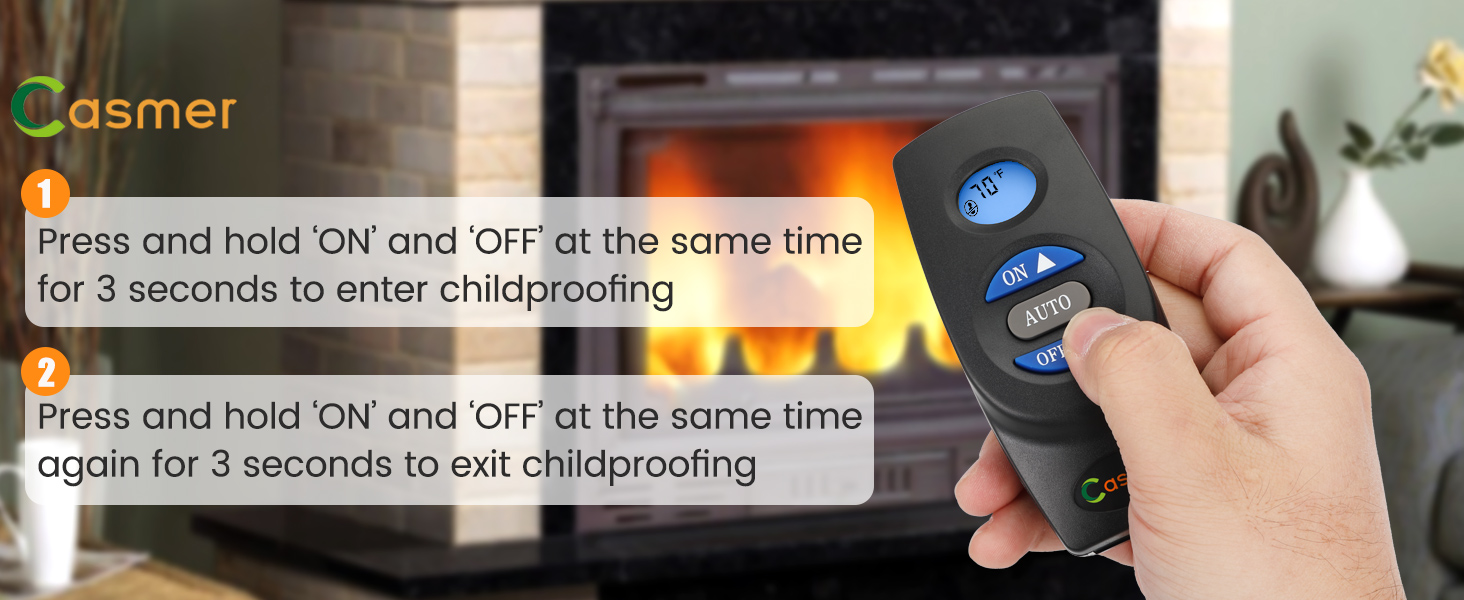
- Child Lock: Prevents unauthorized operation of the fireplace, especially important for households with children.
- Battery Indicator: Displays the remaining battery life of the remote.
Step-by-Step Instructions: Operating Your Ambient Gas Fireplace Remote
Let's walk through the common operations you'll perform with your remote. Keep in mind that the exact button labels and menu navigation may differ slightly depending on your specific Ambient Gas Fireplace model. Always consult your owner's manual for the most accurate information.
Turning the Fireplace On and Off
This is usually the most straightforward operation. Locate the "On/Off" button (often marked with a power symbol) and press it. The fireplace should ignite (if equipped with a pilot light igniter) or the pilot light will need to be lit manually for older models. To turn the fireplace off, press the same button again.
Adjusting the Flame Height
Look for buttons labeled with up and down arrows or "+" and "-" symbols specifically related to flame height. Press the "+" or up arrow to increase the flame and heat output. Press the "-" or down arrow to decrease the flame. Some remotes may have multiple flame height levels, allowing for precise adjustments.
Setting the Thermostat
To use the thermostat function, you'll typically need to:
- Press the "Mode" button to select "Thermostat" mode.
- Use the up and down arrow buttons to set the desired room temperature.
- The remote will then communicate with the fireplace to automatically adjust the flame height to maintain the set temperature.
Some remotes offer "Smart" thermostat modes that learn your heating preferences and automatically adjust the temperature based on the time of day. Refer to your owner's manual for specific instructions on using these advanced features.
Using the Timer Function
The timer function allows you to set a specific duration for the fireplace to operate. To use the timer:
- Press the "Timer" button.
- Use the up and down arrow buttons to set the desired run time (typically in hours or minutes).
- Confirm the setting. The fireplace will automatically shut off after the set time has elapsed.
Controlling the Blower Fan (If Equipped)
If your Ambient Gas Fireplace has a blower fan, you can control its speed and operation with the remote. Look for buttons labeled "Fan" or with fan symbols. You can typically adjust the fan speed (low, medium, high) or turn the fan on or off completely.
Troubleshooting Common Remote Control Issues
Even with careful operation, remote controls can sometimes experience problems. Here are some common issues and potential solutions:
- Remote Not Responding:
- Check the batteries. Replace them with fresh batteries if necessary.
- Ensure there are no obstructions between the remote and the fireplace receiver.
- Try resetting the remote by removing the batteries for a few minutes and then reinserting them.
- Check the fireplace's pilot light. If it's out, relight it according to the manufacturer's instructions.
- Incorrect Temperature Reading:
- Make sure the remote is placed in a location where it can accurately sense the room temperature. Avoid placing it near heat sources or drafts.
- Some remotes have a calibration setting. Consult your owner's manual for instructions on how to calibrate the temperature reading.
- Fireplace Turning Off Unexpectedly:
- Check the timer setting to ensure it's not set to a short duration.
- The fireplace may have a safety shut-off feature that activates if it overheats. Allow the fireplace to cool down before attempting to restart it.
- There may be an issue with the gas supply. Contact a qualified technician to inspect the gas lines and connections.
Maintaining Your Ambient Gas Fireplace for Optimal Performance
Proper maintenance is crucial for ensuring the safe and efficient operation of your Ambient Gas Fireplace. Here are some essential maintenance tips:
- Annual Inspection: Schedule an annual inspection by a qualified HVAC technician. They can inspect the gas lines, venting system, burner, and control components to ensure everything is functioning correctly.
- Clean the Glass: Regularly clean the glass door with a fireplace glass cleaner to remove soot and buildup.
- Check the Venting: Ensure the venting system is clear of obstructions and properly sealed.
- Replace Batteries: Replace the remote control batteries annually, even if they are not completely depleted, to prevent corrosion and ensure reliable operation.
Comparing Ambient Gas Fireplaces: Features and Considerations
When choosing an Ambient Gas Fireplace, consider the following factors:
- Heating Capacity: Select a fireplace with a heating capacity that is appropriate for the size of the room you want to heat. BTU (British Thermal Units) is a measure of heating output.
- Venting Options: Decide whether you need a direct vent, vent-free, or B-vent fireplace. Direct vent fireplaces are the most efficient and safest option, as they vent exhaust gases directly outside.
- Style and Design: Choose a fireplace that complements your home's decor. Options include traditional, contemporary, and linear designs.
- Remote Control Features: Consider the features that are most important to you, such as thermostat control, timer function, and fan control.
- Warranty: Check the manufacturer's warranty coverage for the fireplace and its components.
Popular Gas Fireplace Brands and Models
While Ambient is the focus of this article for remote usage, it's good to compare within the industry. Here are a few other popular gas fireplace brands and models:
- Napoleon: Known for their high-quality construction and innovative designs. Popular models include the Napoleon Ascent and the Napoleon Vector series.
- Regency: Offers a wide range of gas fireplaces with various styles and features. The Regency Hampton and Regency Bellavista are popular choices.
- Heat & Glo: A well-established brand with a reputation for performance and reliability. The Heat & Glo Supreme and Heat & Glo Cosmo series are highly regarded.
- Kozy Heat: Specializes in energy-efficient gas fireplaces with advanced features. The Kozy Heat Bayport and Kozy Heat Chaska are popular models.
Cost Considerations
The cost of an Ambient Gas Fireplace can vary depending on the size, features, and installation requirements. Expect to pay anywhere from $1,500 to $10,000 or more for the fireplace itself. Installation costs can range from $500 to $3,000 or more, depending on the complexity of the installation.
Conclusion: Mastering Your Ambient Gas Fireplace Remote
By understanding the features and functions of your Ambient Gas Fireplace remote control, you can fully enjoy the comfort and convenience that your fireplace offers. Remember to consult your owner's manual for specific instructions and troubleshooting tips. With proper operation and maintenance, your gas fireplace will provide years of warmth and ambiance.