American Standard Air Handler Model Numbers
Understanding your American Standard air handler model number is crucial for everything from ordering the right replacement parts to diagnosing performance issues. This guide will help you decipher those numbers, troubleshoot common problems, and know when to call in a professional.
Decoding American Standard Air Handler Model Numbers
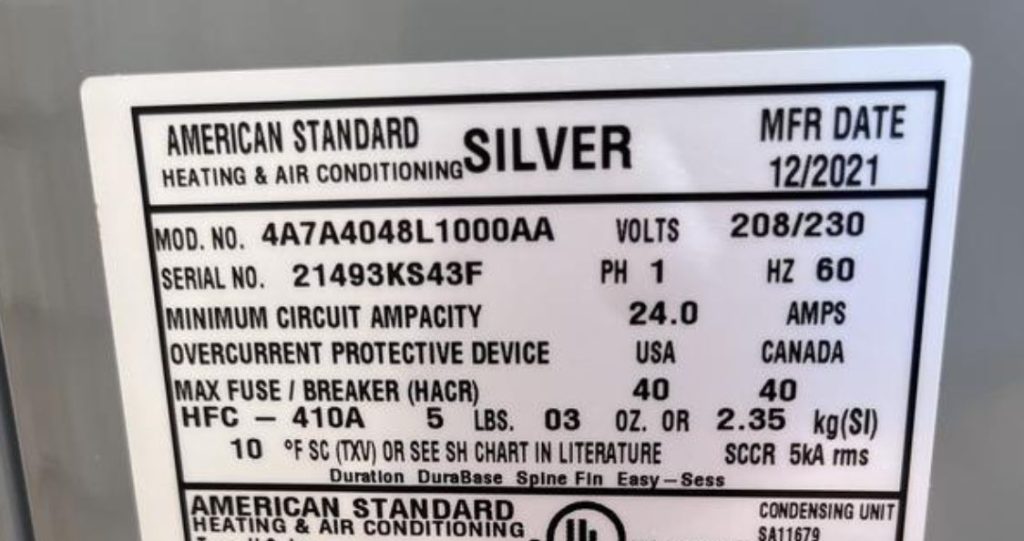
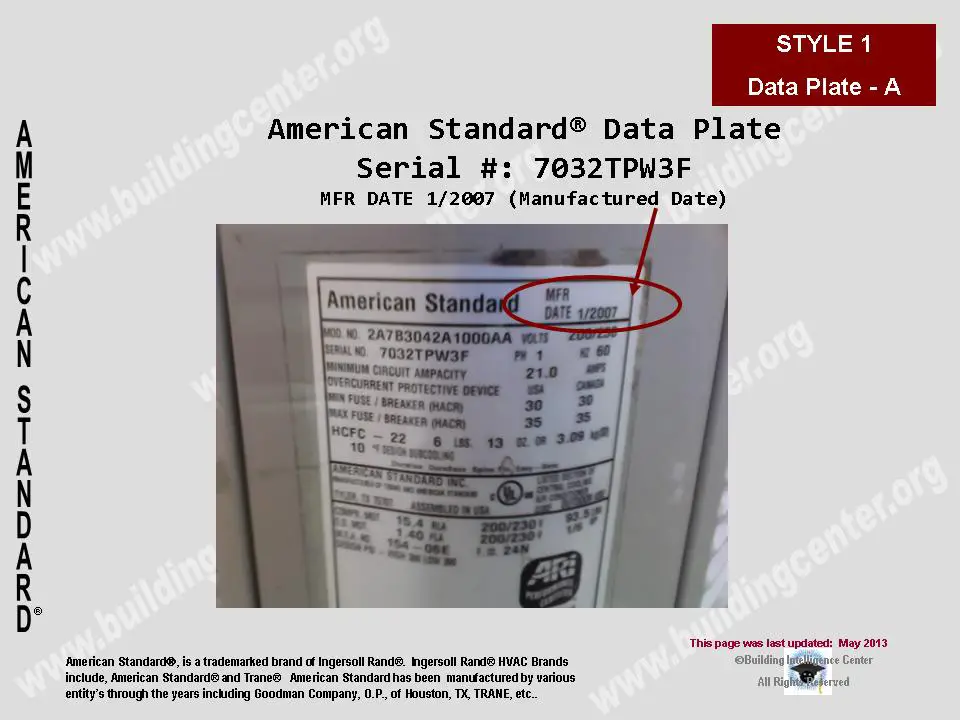
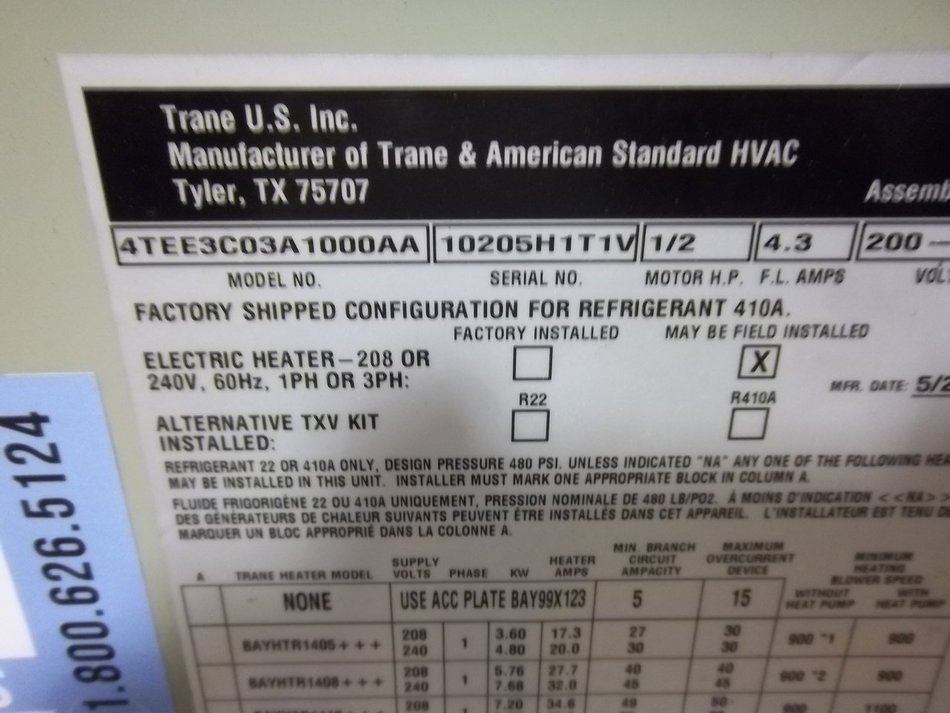
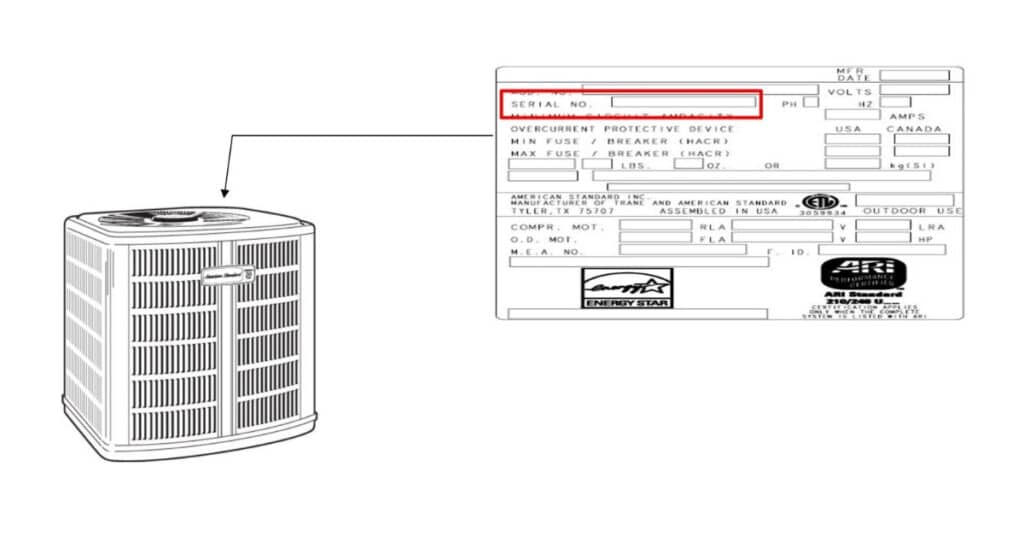
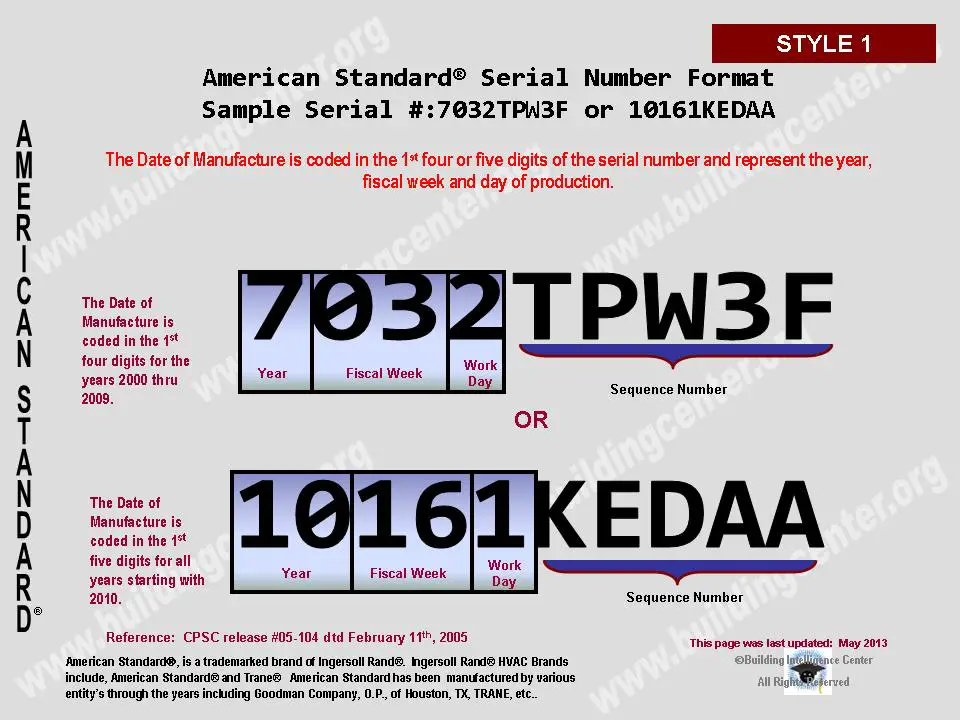
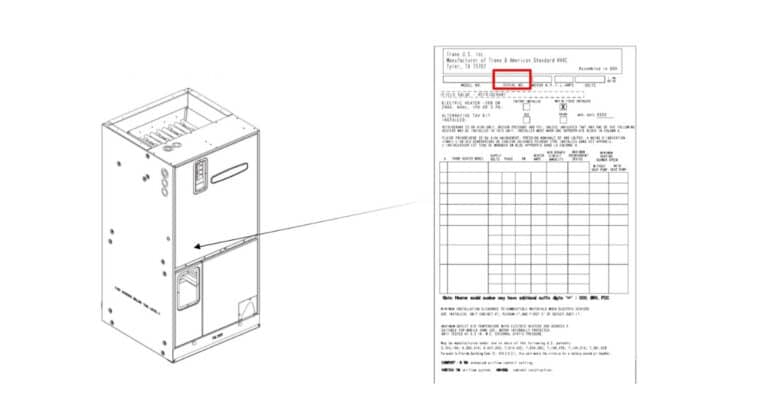
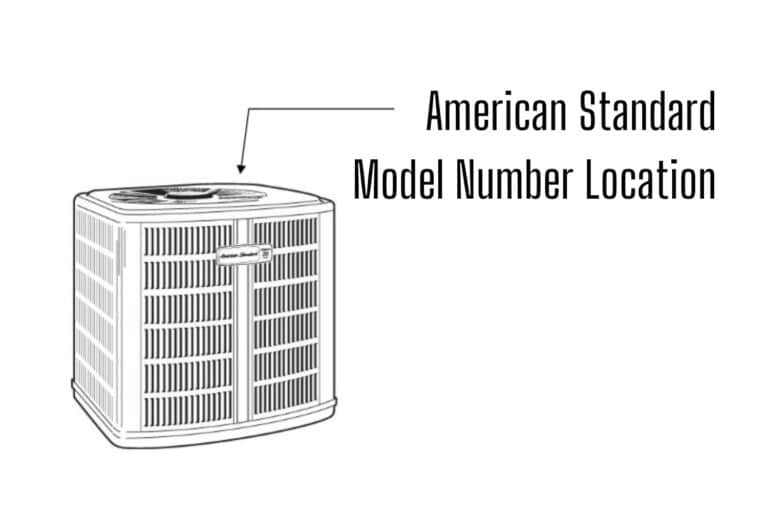
American Standard model numbers aren't just random digits; they contain valuable information about the unit's specifications. While the exact format can vary slightly depending on the age of the unit, the core components remain relatively consistent. Here's a breakdown:
Let's take a hypothetical model number: AUD2C080A936AB
Key Components:
- First 1-3 Letters (AUD): This designates the type of air handler. Common prefixes include:
- AUD: Standard Upflow/Downflow Air Handler
- AUC: Horizontal Air Handler
- AUE: Multi-Position Air Handler (can be installed upflow, downflow, or horizontally)
- Number After Letters (2): This often indicates the series or efficiency level. Higher numbers sometimes (but not always) suggest a more advanced or efficient model.
- Letter Following Number (C): This can signify design revisions or other internal specifications. It is of lesser importance for homeowners.
- Next 2-3 Numbers (080): This indicates the BTU (British Thermal Unit) output, divided by 1000. So, '080' represents 80,000 BTU. This number tells you the air handler's heating capacity (if applicable).
- Letter (A): Can be a revision letter similar to earlier letters.
- Next 2 Numbers (93): Indicates voltage and phase. This can relate to blower motor speeds.
- Number (6): Indicates the kW of the heating coil in electric heat models.
- Last 2 Letters (AB): These letters usually denote specific features, blower motor type, or cabinet design. The manufacturer's parts list will specify what these letters indicate.
Important Note: Always refer to the manufacturer's specifications for your specific model. The information above is a general guideline.
Troubleshooting Common Air Handler Problems: A DIY Approach (with Caution)
Before attempting any repairs, always disconnect power to the air handler at the circuit breaker. Safety first!
1. Air Handler Not Blowing Air
- Possible Causes:
- Tripped circuit breaker
- Blown fuse (check the fuse on the air handler control board)
- Faulty blower motor capacitor
- Defective blower motor
- Thermostat issues
- Clogged air filter
- DIY Steps:
- Check the circuit breaker and reset if necessary.
- Inspect the fuse and replace it if blown (use the correct amperage).
- Replace the air filter – a clogged filter is a common culprit.
- If you're comfortable working with electrical components (and understand the risks), you can test the blower motor capacitor with a multimeter. A faulty capacitor often appears bulging or cracked. If in doubt, call a professional.
- When to Call a Pro: If the breaker continues to trip, the fuse keeps blowing, or you suspect a faulty blower motor, it's time to call a qualified HVAC technician. Working with high-voltage components can be dangerous.
2. Air Handler Blowing Cold Air (When Heating is On)
- Possible Causes:
- No power to the heating element (for electric heat air handlers)
- Faulty heating element
- Gas furnace malfunction (if paired with a gas furnace)
- Thermostat issues
- DIY Steps:
- Check the circuit breaker for the heating element.
- Ensure the thermostat is set correctly to "Heat" mode and the temperature is higher than the room temperature.
- Inspect the heating elements for signs of damage (burn marks, cracks). Do not touch them when the unit is powered on.
- When to Call a Pro: If you suspect a faulty heating element or gas furnace malfunction, it's best to call a professional. Gas furnaces require specialized knowledge and tools to repair safely. Electrical repairs within the air handler beyond the basics are also best left to professionals.
3. Air Handler Making Unusual Noises
- Possible Causes:
- Loose blower motor
- Worn blower motor bearings
- Debris in the blower wheel
- Loose ductwork
- DIY Steps:
- Inspect the blower motor for any loose screws or mounting hardware.
- Try to identify the source of the noise. Is it a squealing, grinding, or rattling sound?
- Visually inspect the blower wheel for any obstructions (leaves, dust bunnies).
- When to Call a Pro: Grinding or squealing noises often indicate worn blower motor bearings, which require replacement. It may be more economical to replace the entire motor. Also, any metallic clanging sound requires professional attention immediately.
4. Air Handler Leaking Water
- Possible Causes:
- Clogged condensate drain line
- Cracked condensate pan
- High humidity levels
- Frozen evaporator coil (less common in air handlers without cooling coils)
- DIY Steps:
- Locate the condensate drain line and try to clear any blockages. A wet/dry vacuum can be helpful.
- Inspect the condensate pan for cracks or leaks.
- When to Call a Pro: If you can't clear the drain line blockage or the condensate pan is cracked, call a professional. Refrigerant leaks (if your air handler has a cooling coil) can also cause ice buildup and water leaks. Refrigerant handling requires EPA certification.
Essential Tools for DIY Air Handler Maintenance
- Screwdrivers (Phillips head and flathead)
- Multimeter
- Voltage Tester
- Wet/Dry Vacuum
- Wrenches
- Pliers
- Safety Glasses
- Gloves
Common Replacement Parts for American Standard Air Handlers
- Air Filters
- Blower Motor Capacitors
- Fuses
- Blower Motors
- Heating Elements
- Condensate Pumps
- Thermostats
Estimating Repair Costs
Repair costs can vary significantly depending on the problem and the cost of parts. Here's a general idea:
- Air Filter Replacement: $10 - $30 (DIY)
- Capacitor Replacement: $50 - $150 (DIY if comfortable, $150-$300 professionally)
- Blower Motor Replacement: $200 - $500 (DIY if experienced, $400 - $1000 professionally)
- Heating Element Replacement: $100 - $300 (DIY if comfortable, $300 - $600 professionally)
- Condensate Pump Replacement: $80 - $200 (DIY if comfortable, $200 - $400 professionally)
Important Note: These are just estimates. Get quotes from multiple HVAC technicians before committing to any repairs. Be sure to ask for a detailed breakdown of the costs involved.
When to Call a Professional HVAC Technician
While some minor repairs can be handled by DIY enthusiasts, it's crucial to know your limits. Here are some situations where you should always call a professional:
- Working with refrigerant (requires EPA certification).
- Gas furnace repairs (potential safety hazards).
- Complex electrical repairs (risk of shock or fire).
- If you're uncomfortable or unsure about any step of the repair process.
- If the problem persists after attempting basic troubleshooting.
- If you suspect a major component failure (e.g., compressor, heat exchanger).
Preventative Maintenance: Extending the Life of Your Air Handler
Regular maintenance can help prevent costly repairs and extend the life of your American Standard air handler. Consider these tips:
- Change the air filter regularly (every 1-3 months).
- Schedule annual professional maintenance.
- Keep the area around the air handler clean and free of debris.
- Inspect the condensate drain line regularly.
By understanding your American Standard air handler model number and following these troubleshooting and maintenance tips, you can keep your system running smoothly and efficiently for years to come. Remember safety first! When in doubt, always consult a qualified HVAC professional.