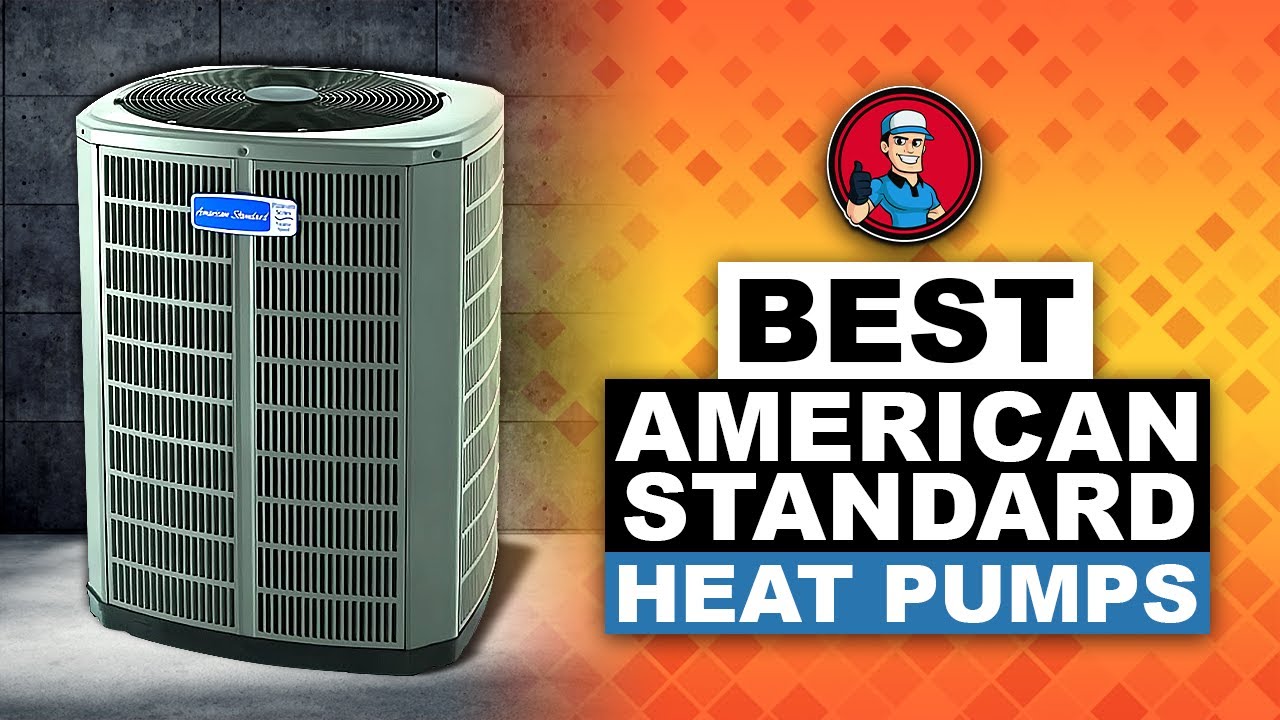
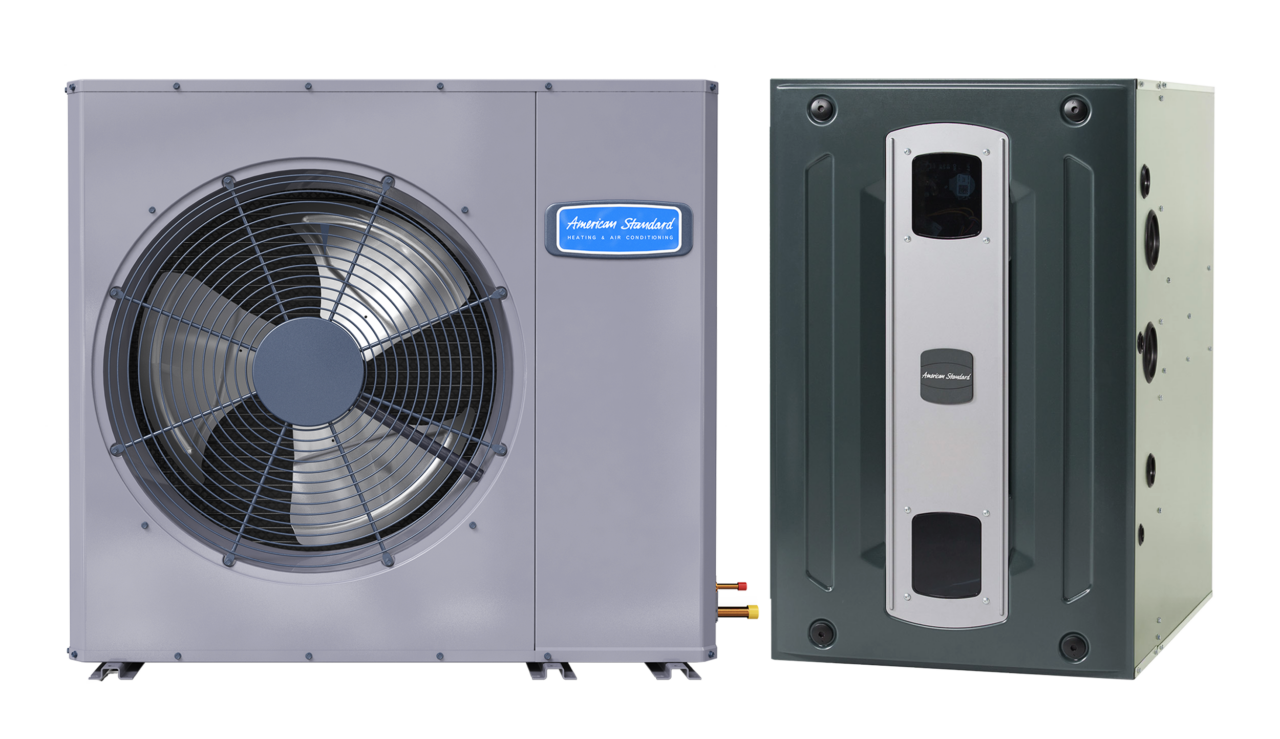
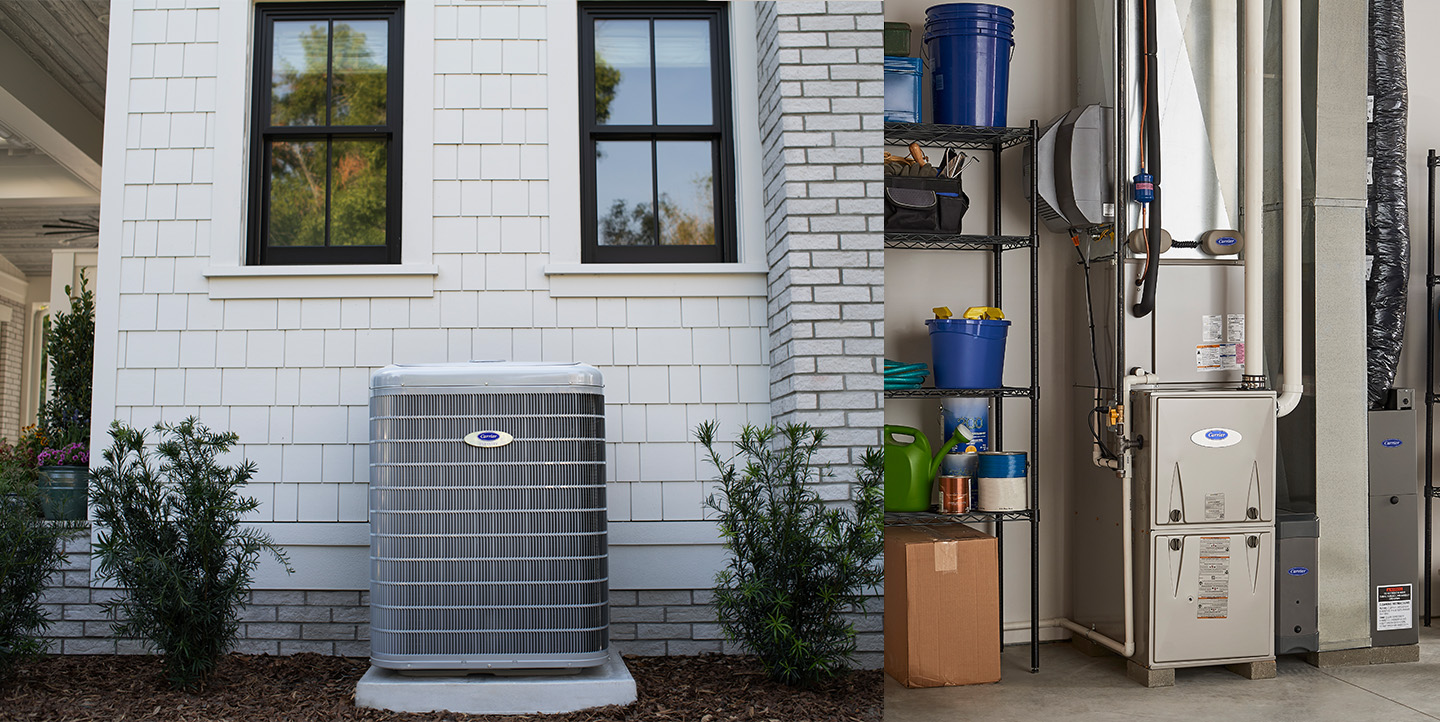
American Standard Dual Fuel Heat Pump
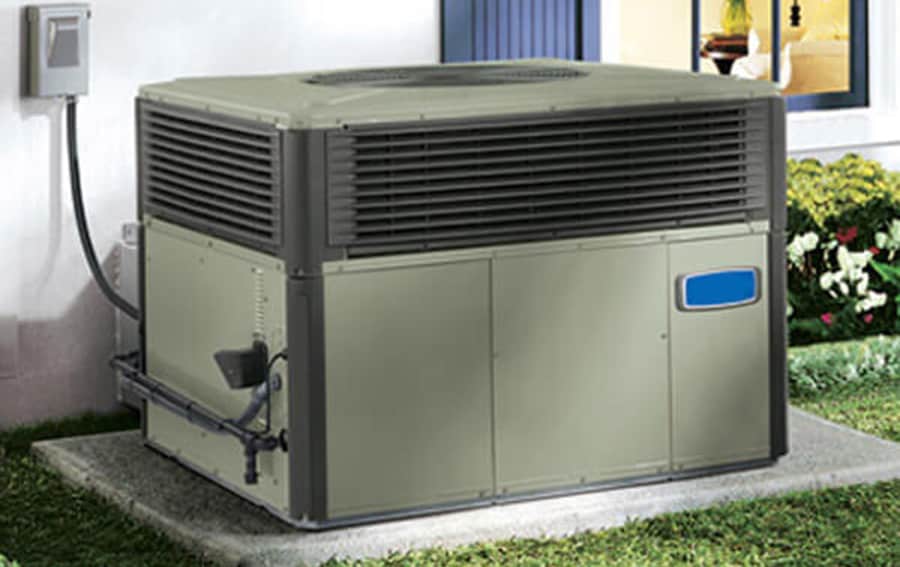
American Standard Dual Fuel Heat Pump: A Comprehensive Guide for Homeowners
Choosing a new heating and cooling system for your home is a significant investment. With so many options available, understanding the nuances of each type of system is crucial. This guide provides an in-depth look at American Standard Dual Fuel Heat Pumps, exploring their features, benefits, drawbacks, and overall value proposition. Whether you're a homeowner, real estate investor, or HVAC professional, this article will equip you with the knowledge to make an informed decision.
What is a Dual Fuel Heat Pump?
A dual fuel heat pump system combines the energy efficiency of a heat pump with the reliable heating power of a gas furnace. In milder temperatures, the heat pump efficiently extracts heat from the outside air to warm your home. When temperatures drop below a certain threshold (typically around 30-40°F), the system automatically switches to the gas furnace for more powerful and cost-effective heating. This combination provides optimal comfort and energy savings throughout the year, adapting to varying climate conditions.
Pros and Cons of American Standard Dual Fuel Heat Pumps
Before diving into specific models and features, let's weigh the advantages and disadvantages of choosing an American Standard dual fuel system.
Pros:
- Energy Efficiency: Heat pumps are inherently more energy-efficient than traditional furnaces, especially in moderate climates. The dual fuel system optimizes efficiency by using the heat pump when it's most effective and switching to gas when necessary.
- Cost Savings: While the initial investment may be higher, the long-term energy savings can offset the cost, especially in areas with moderate winters.
- Year-Round Comfort: Provides both heating and cooling, eliminating the need for separate systems.
- Environmentally Friendly: Using a heat pump reduces reliance on fossil fuels during warmer months, contributing to a smaller carbon footprint.
- Precise Temperature Control: American Standard systems often feature advanced thermostats for precise temperature management and zoning capabilities.
- Quiet Operation: Many American Standard models are designed for quiet operation, minimizing noise disruption.
Cons:
- Higher Upfront Cost: Dual fuel systems generally have a higher initial purchase price compared to traditional furnaces or standalone heat pumps.
- Complexity: The integration of two different heating sources can make the system more complex, potentially requiring specialized maintenance.
- Climate Dependency: The effectiveness of the heat pump component diminishes in extremely cold climates, where the gas furnace will be used more frequently.
- Installation Requirements: Requires both gas and electrical connections, potentially adding to installation costs.
- Maintenance: Requires regular maintenance of both the heat pump and the gas furnace components.
Key Features and Technologies of American Standard Dual Fuel Heat Pumps
American Standard offers a range of dual fuel heat pump models, each with unique features and technologies. Here are some of the key aspects to consider:
Efficiency Ratings: SEER, AFUE, and HSPF
Understanding efficiency ratings is crucial for comparing different models. The following ratings apply:
- SEER (Seasonal Energy Efficiency Ratio): Measures the cooling efficiency of the heat pump. Higher SEER ratings indicate greater energy savings. American Standard models can reach SEER ratings of up to 20 or higher.
- AFUE (Annual Fuel Utilization Efficiency): Measures the heating efficiency of the gas furnace. Higher AFUE ratings indicate greater fuel efficiency. American Standard furnaces in dual fuel systems often have AFUE ratings of 95% or higher.
- HSPF (Heating Seasonal Performance Factor): Measures the heating efficiency of the heat pump. Higher HSPF ratings indicate greater energy savings during the heating season. Look for HSPF ratings of 8 or higher for good performance.
Comfort Control and Zoning
Many American Standard systems are compatible with advanced thermostats that allow for precise temperature control and zoning. Zoning allows you to control the temperature in different areas of your home, improving comfort and saving energy by heating or cooling only the occupied spaces.
AccuComfort™ Technology
AccuComfort™ technology is a variable-speed system that adjusts the heating and cooling output to precisely match the needs of your home. This results in consistent temperatures, reduced energy consumption, and quieter operation.
DuraBase™ Composite Furnace Base
The DuraBase™ composite furnace base is a rust-resistant and durable component that helps to reduce noise and vibration. This feature contributes to the overall longevity and reliability of the system.
Aluminized Steel Heat Exchanger
Many American Standard gas furnaces feature an aluminized steel heat exchanger, which is designed for durability and resistance to corrosion. This contributes to the long lifespan of the furnace.
Popular American Standard Dual Fuel Heat Pump Models
Here are a few examples of popular American Standard dual fuel heat pump models, illustrating the range of features and efficiency levels available:
- American Standard Platinum 95 Furnace with AccuComfort™ Variable Speed and AccuComfort™ Variable Speed Platinum 20 Heat Pump: This top-of-the-line system offers exceptional efficiency and comfort with its variable-speed technology and high SEER and AFUE ratings.
- American Standard Gold 95 Furnace with AccuComfort™ Variable Speed and Gold 17 Heat Pump: A mid-range option that provides a good balance of efficiency, comfort, and affordability.
- American Standard Silver 95 Furnace and Silver 16 Heat Pump: An entry-level dual fuel system that offers reliable performance and energy savings at a more accessible price point.
Pricing and Installation Costs
The cost of an American Standard dual fuel heat pump system can vary depending on several factors, including the model, size of your home, and installation complexity. Generally, you can expect to pay between $8,000 and $15,000 for a complete system, including installation. It's crucial to obtain quotes from multiple qualified HVAC contractors to ensure you're getting a fair price. Be sure to ask for a detailed breakdown of the costs, including the equipment, labor, and any additional materials required.
Factors that affect installation costs include:
- Existing Ductwork: If your existing ductwork is in poor condition or not properly sized for the new system, it may need to be replaced or modified, adding to the cost.
- Gas Line Installation: If you don't already have a gas line running to the location of the furnace, one will need to be installed, which can involve trenching and permits.
- Electrical Upgrades: The new system may require electrical upgrades to handle the increased power demand.
- Permits and Inspections: Most municipalities require permits and inspections for HVAC installations, which will add to the overall cost.
Warranty Information
American Standard offers a standard limited warranty on its dual fuel heat pump systems. The specific terms of the warranty can vary depending on the model and components. Typically, the warranty covers parts for a period of 5 to 10 years. Extended warranties are also available, which can provide coverage for labor costs and other potential expenses. Be sure to read the warranty carefully and understand the terms and conditions before making a purchase.
To ensure your warranty remains valid, it's essential to have your system professionally installed and maintained by a qualified HVAC contractor.
Maintenance Requirements
Regular maintenance is crucial for ensuring the optimal performance and longevity of your American Standard dual fuel heat pump system. Here are some essential maintenance tasks:
- Regular Filter Changes: Change the air filter every 1-3 months, depending on the type of filter and the amount of dust and debris in your home. A dirty filter can restrict airflow and reduce efficiency.
- Coil Cleaning: Clean the outdoor condenser coil and the indoor evaporator coil at least once a year. Dirty coils can reduce heat transfer and increase energy consumption.
- Ductwork Inspection: Inspect your ductwork for leaks or damage and repair as needed. Leaky ducts can waste energy and reduce comfort.
- Professional Inspection: Schedule an annual inspection and tune-up with a qualified HVAC contractor. The contractor will inspect the system, clean and lubricate moving parts, check refrigerant levels, and ensure that all components are functioning properly.
- Gas Furnace Maintenance: The gas furnace portion of the system requires annual inspection and cleaning, including checking the burner assembly, heat exchanger, and flue pipe.
American Standard vs. Other Brands
When comparing American Standard to other leading HVAC brands like Carrier, Trane, and Lennox, consider the following factors:
- Efficiency Ratings: Compare SEER, AFUE, and HSPF ratings to determine which brand offers the best energy efficiency for your climate.
- Features and Technologies: Evaluate the specific features and technologies offered by each brand, such as variable-speed compressors, zoning capabilities, and smart thermostats.
- Reliability and Durability: Research the reputation of each brand for reliability and durability. Look for customer reviews and ratings to get an idea of the overall quality of the products.
- Warranty: Compare the warranty terms and conditions offered by each brand.
- Price: Obtain quotes from multiple contractors for each brand to compare pricing and installation costs.
Ultimately, the best brand for you will depend on your specific needs and budget. It's essential to do your research and consult with a qualified HVAC contractor to make an informed decision.
Conclusion
An American Standard dual fuel heat pump system offers a compelling combination of energy efficiency, comfort, and reliability. While the initial investment may be higher than other heating and cooling options, the long-term energy savings and enhanced comfort can make it a worthwhile investment for homeowners in moderate climates. By carefully considering your needs, researching different models, and working with a qualified HVAC contractor, you can choose the perfect dual fuel system for your home.