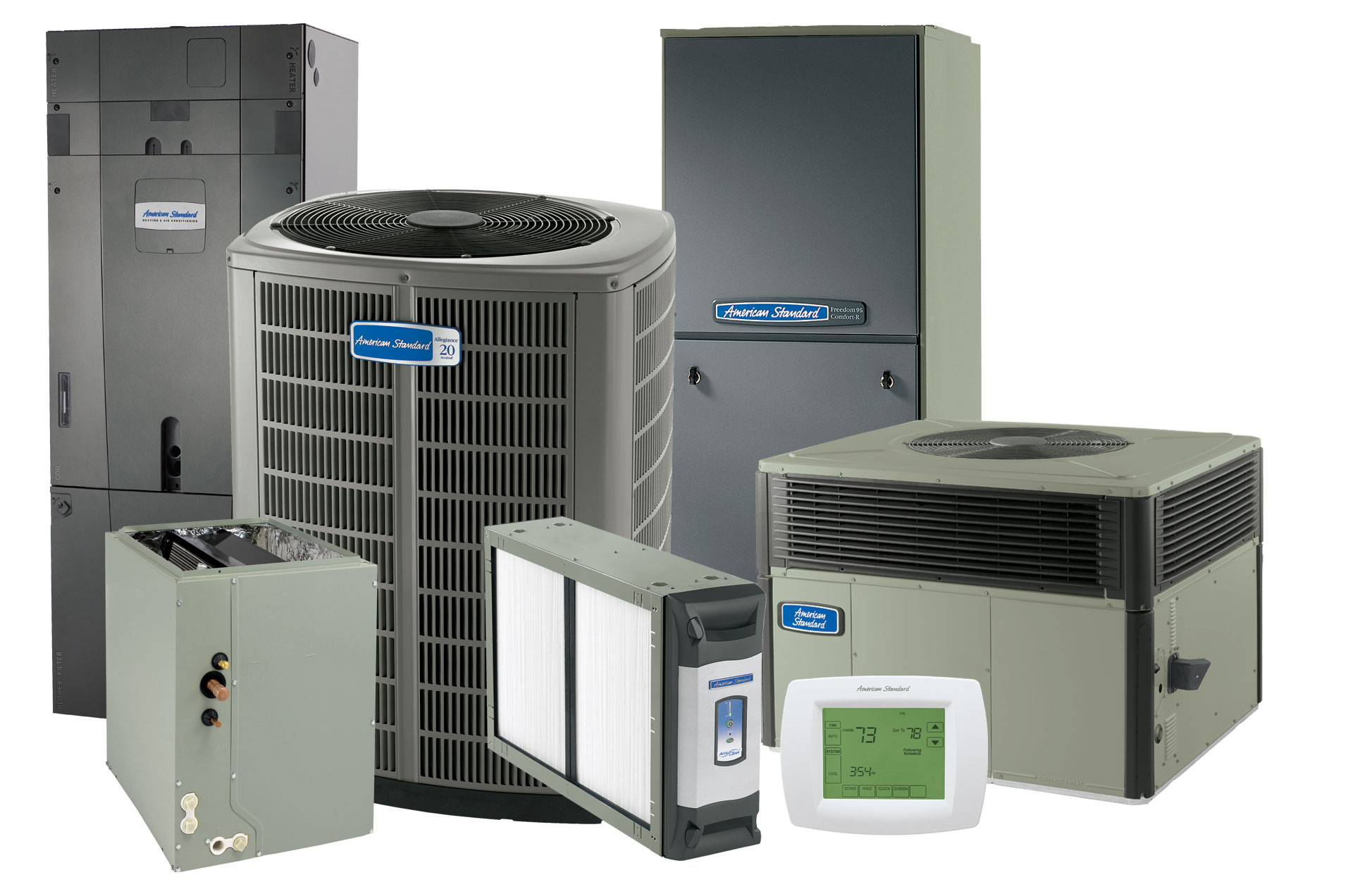
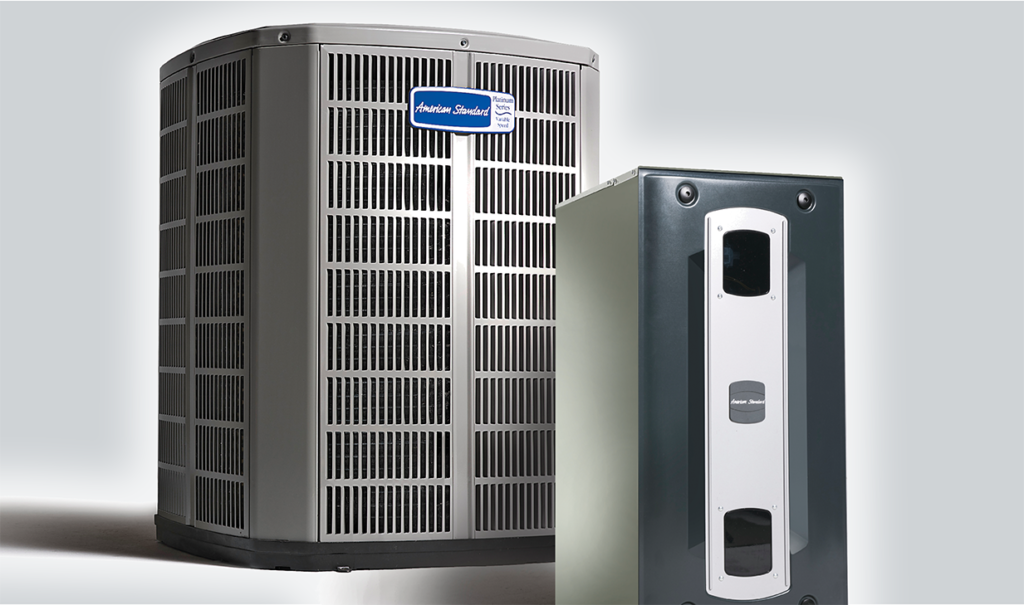
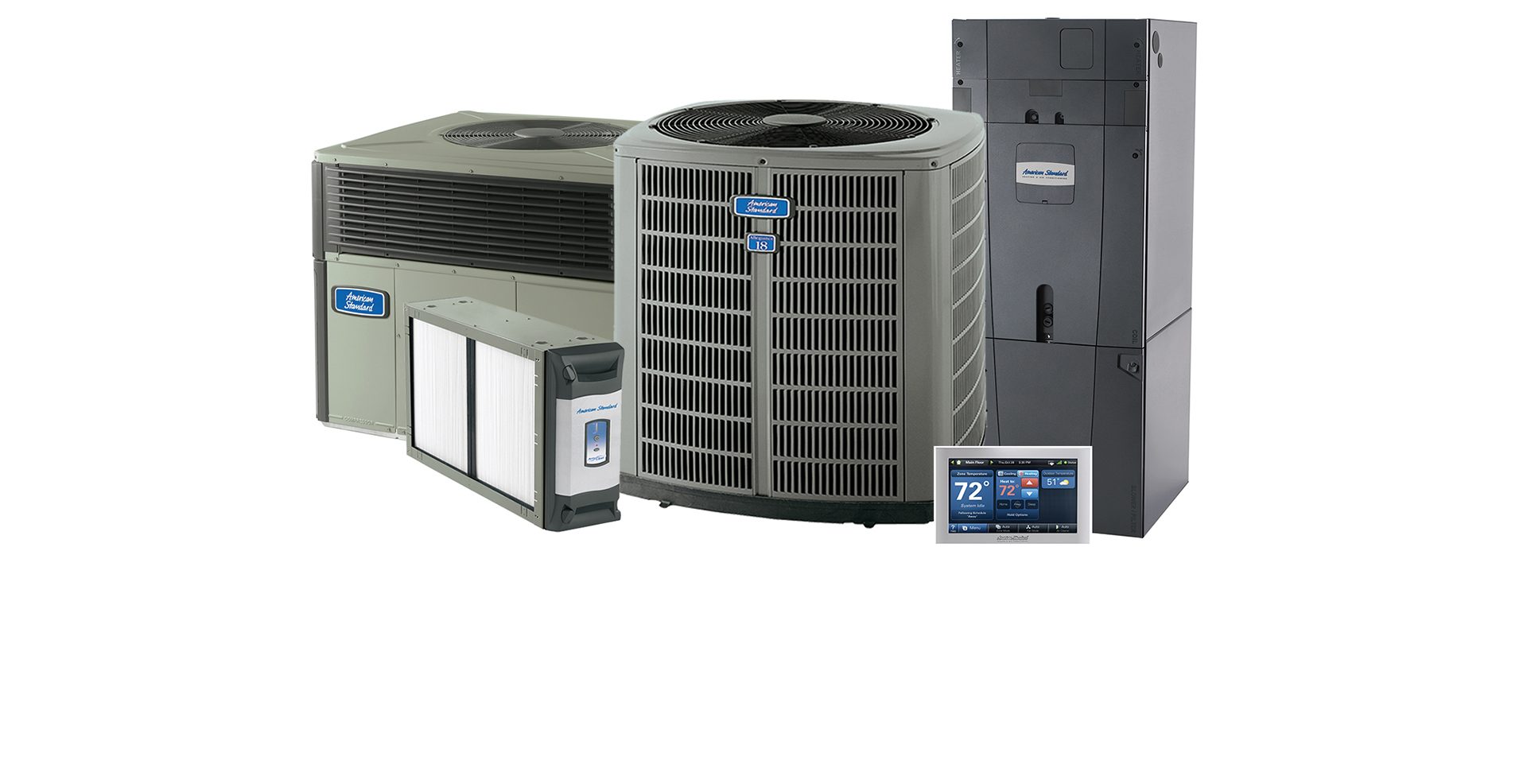
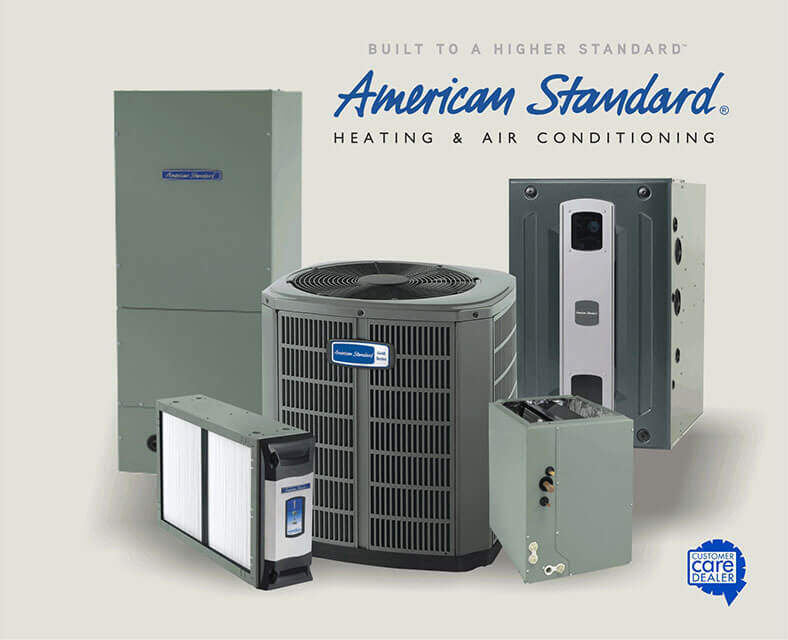
American Standard Furnaces And Air Conditioners
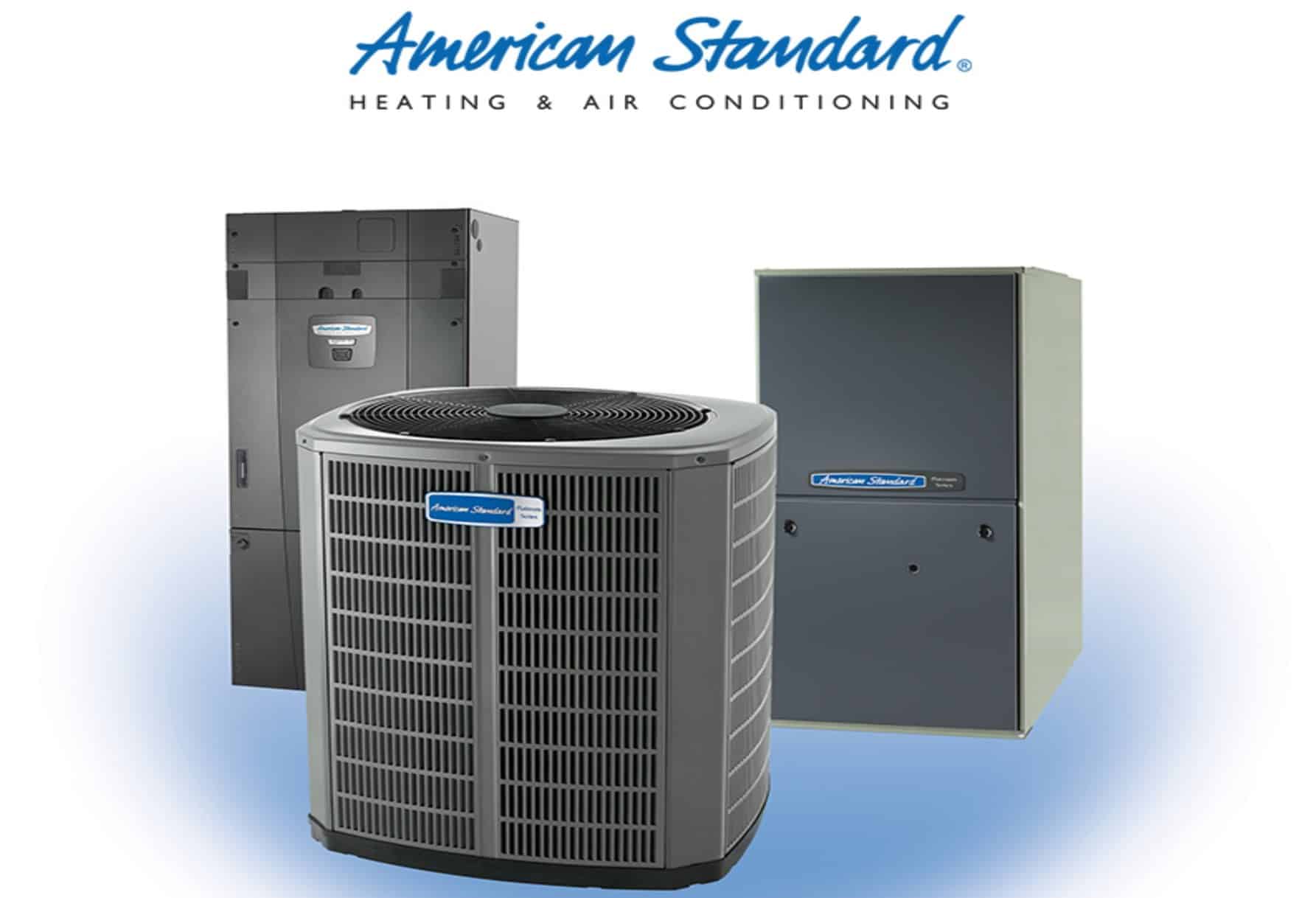
Is your American Standard furnace blowing cold air in the winter, or is your air conditioner struggling to cool your home in the summer? HVAC systems, while reliable, can sometimes run into problems. This guide offers a practical, step-by-step approach to troubleshoot common American Standard furnace and AC issues. We'll empower you to diagnose the problem and perform simple fixes, while also highlighting when it's time to call a professional.
Problem: Furnace Blowing Cold Air
Imagine waking up on a chilly morning, expecting the warm embrace of your furnace, only to be met with a blast of cold air. This is a common problem homeowners face, and often the root cause is easily identifiable.
Step 1: The Obvious Checks (No Tools Required)
Before diving into anything technical, let's eliminate the easy fixes:
- Thermostat Setting: Is your thermostat set to HEAT and is the temperature set higher than the current room temperature? It sounds basic, but it's often overlooked! Ensure the thermostat isn't accidentally set to COOL or FAN ONLY.
- Battery Check: If you have a digital thermostat, check the batteries. A low battery can cause erratic behavior. Replace them with fresh batteries.
- Emergency Shut-Off Switch: Locate the emergency shut-off switch for your furnace (usually near the unit itself or on a nearby wall). Ensure it's in the ON position. Someone may have accidentally switched it off.
- Air Filter: A clogged air filter is a very common culprit. A dirty filter restricts airflow, causing the furnace to overheat and potentially shut down or preventing it from heating properly. Visually inspect the air filter. If it looks dirty or dusty, it needs to be replaced.
- Gas Supply: If you have a gas furnace, confirm that the gas supply is turned on. Check the gas valve near the furnace and at your gas meter. If either is off, carefully turn it back on. Important: If you smell gas, leave your home immediately and call your gas company from a safe location. Do not attempt to relight the pilot light yourself if you smell gas.
Step 2: Digging Deeper (Basic Tools May Be Needed)
If the initial checks didn't reveal the problem, let's move on to a slightly more in-depth investigation. Remember to turn off the power to your furnace at the breaker box before performing any of these checks.
- Pilot Light (for older furnaces): If your furnace has a pilot light, check if it's lit. If it's out, follow the manufacturer's instructions to relight it. These instructions are usually found on a sticker on the furnace itself. Be very careful and follow the directions precisely. If you're uncomfortable, call a professional.
- Flame Sensor (for newer furnaces): Newer furnaces use a flame sensor to detect the presence of a flame. If the sensor is dirty or malfunctioning, it can shut down the furnace. Locate the flame sensor (it's a small metal rod near the burner). Visually inspect it for dirt or carbon buildup. You can try cleaning it gently with a fine-grit sandpaper or steel wool.
- Blower Motor: After the burners ignite, the blower motor should kick in to circulate the warm air. Listen for the blower motor starting. If you don't hear it, it could be a faulty motor or a problem with the capacitor. This often requires professional diagnosis and repair.
- Check for Error Codes: Many newer American Standard furnaces have a diagnostic system that displays error codes. Consult your furnace's manual to understand the meaning of the code. The error code can help pinpoint the problem area.
When to Call a Professional
The following situations require a qualified HVAC technician:
- You smell gas. This is a serious safety hazard. Evacuate immediately and call your gas company.
- You suspect a gas leak.
- You're uncomfortable working with gas or electricity.
- The furnace is making strange noises (banging, rattling, squealing).
- The blower motor isn't working.
- You suspect a problem with the control board or other electrical components.
- You've tried the basic troubleshooting steps and the furnace is still not working.
Problem: Air Conditioner Not Cooling
When the summer heat is on, a struggling air conditioner can make your home unbearable. Let's explore common issues and how to diagnose them.
Step 1: Initial Checks (No Tools Required)
Similar to the furnace, start with the simple checks:
- Thermostat Setting: Is your thermostat set to COOL and is the temperature set lower than the current room temperature?
- Air Filter: A dirty air filter restricts airflow to the AC evaporator coil, causing it to freeze up. This is a very common reason for an AC not cooling well. Visually inspect the air filter and replace it if it's dirty.
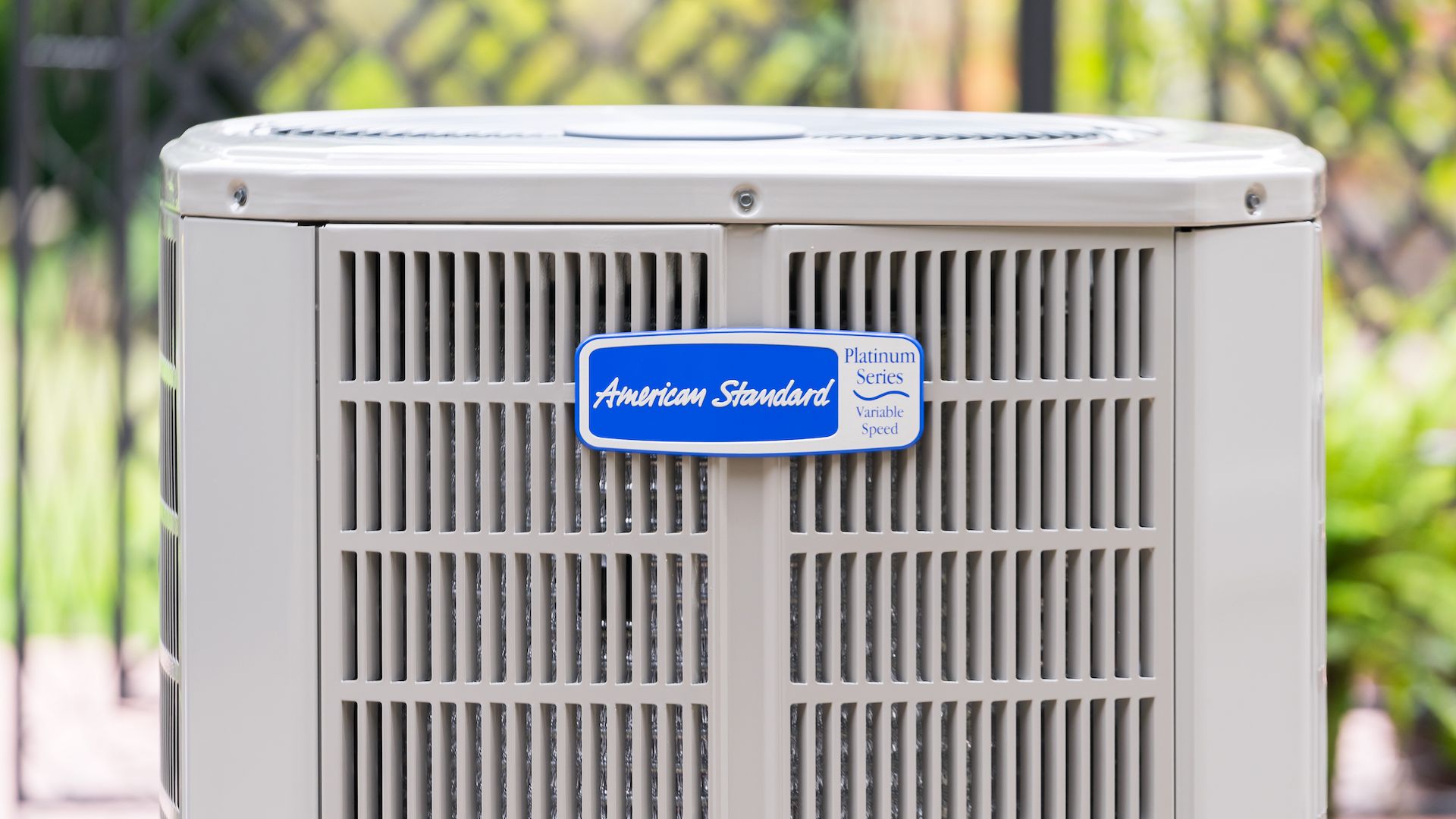
- Outdoor Unit: Check the outdoor AC unit (the condenser). Make sure it's not blocked by debris such as leaves, branches, or grass clippings. Clear any obstructions to allow for proper airflow.
- Breakers: Check the circuit breaker for both the indoor unit (furnace/air handler) and the outdoor unit. Make sure the breakers are not tripped. If a breaker is tripped, reset it. If it trips again immediately, call an electrician or HVAC technician.
Step 2: Further Investigation (Basic Tools May Be Needed)
If the initial checks don't solve the problem, proceed with caution and remember to turn off the power to the AC unit at the breaker box before performing any of these checks.
- Frozen Evaporator Coil: If you suspect a frozen evaporator coil (the indoor coil), turn off the AC and set the thermostat to FAN ONLY. This will allow the fan to run and melt the ice. It may take several hours. Once the ice is melted, try running the AC again. If the coil freezes up again quickly, there's likely a more serious problem, such as a refrigerant leak.
- Condensate Drain Line: The AC produces condensation, which is drained through a drain line. A clogged drain line can cause water to back up and shut down the AC. Locate the condensate drain line (usually a PVC pipe near the indoor unit). Check for clogs. You can try clearing the line with a wet/dry vacuum or a stiff wire.
- Condenser Fan Motor: The condenser fan motor is located in the outdoor unit. Ensure that the fan is spinning freely. If it's not spinning or is spinning slowly, the motor may be faulty or there may be an obstruction. This often requires professional diagnosis and repair.
- Inspect the Condenser Coils: Over time, the condenser coils (located in the outdoor unit) can become dirty with dust, dirt, and debris. This reduces their efficiency. You can gently clean the coils with a fin comb and a garden hose. Be careful not to bend the fins.
When to Call a Professional
These situations demand the expertise of a qualified HVAC technician:
- You suspect a refrigerant leak. Refrigerant leaks are harmful to the environment and require specialized equipment to repair.
- The AC unit is making strange noises.
- The condenser fan motor isn't working.
- The compressor isn't working. The compressor is the heart of the AC system and requires specialized knowledge to diagnose and repair.
- You suspect a problem with the control board or other electrical components.
- You've tried the basic troubleshooting steps and the AC is still not cooling.
- You notice ice forming repeatedly on the refrigerant lines.
Preventive Maintenance: The Best Defense
The best way to avoid HVAC problems is to perform regular preventive maintenance. Here are some tips:
- Change your air filter regularly (every 1-3 months, or more often if you have pets or allergies).
- Schedule annual maintenance with a qualified HVAC technician. They can inspect and clean the system, check refrigerant levels, and identify potential problems before they become major issues.
- Keep the outdoor unit free of debris.
- Trim shrubs and trees around the outdoor unit to ensure proper airflow.
- Consider a programmable thermostat to optimize energy efficiency and reduce wear and tear on your system.
By following these troubleshooting steps and performing regular maintenance, you can keep your American Standard furnace and air conditioner running smoothly and efficiently for years to come. Remember, safety first! When in doubt, always call a professional.