American Standard Heat Pump Hard Lockout

Nobody enjoys a malfunctioning appliance, especially when it involves heating or cooling. Imagine waking up on a freezing morning, only to discover your American Standard heat pump isn't working and displays a cryptic error message indicating a "hard lockout." This means the system has shut itself down to prevent further damage. While a hard lockout can seem intimidating, a systematic approach can often help you identify the problem and potentially resolve it yourself. This guide will walk you through the troubleshooting process, emphasizing safety and clear communication every step of the way.
Understanding a Heat Pump Hard Lockout
A hard lockout is a safety mechanism that prevents a heat pump from running when a serious problem is detected. This prevents further damage to the unit. Instead of continuously trying to start, the system shuts down completely, requiring a manual reset to attempt another start. Several issues can trigger a hard lockout:
- Refrigerant leaks: Low refrigerant levels can cause the compressor to overheat.
- Compressor failure: A faulty compressor is a primary cause.
- Frozen coils: Ice buildup restricts airflow and damages the system.
- Electrical problems: Issues with wiring, capacitors, or the control board.
- Overheating: Excessive heat in the system due to poor airflow or component failure.
- High-pressure or low-pressure faults: Issues within the refrigerant lines.
Before you begin, remember that working with electrical appliances can be dangerous. If you're uncomfortable with any of these steps, or if the problem persists, call a qualified HVAC technician. Safety is always the top priority.
Troubleshooting Checklist: Is it Really a Lockout?
Before assuming a hard lockout, double-check these basics:
- Thermostat setting: Is the thermostat set to "Heat" and at a temperature above the current room temperature? Is the thermostat functioning correctly? Try raising the temperature significantly to see if the heat pump attempts to start.
- Power supply: Is the heat pump breaker tripped? Check the breaker panel and reset any tripped breakers. Look for labels that identify the heat pump. Also, check the disconnect switch (usually a metal box near the outdoor unit) to ensure it's in the "On" position.
- Air filter: A clogged air filter is a very common cause of heating and cooling problems. A dirty filter restricts airflow, causing the system to work harder and potentially overheat. Replace the filter with a new one and see if the problem resolves.
If the thermostat and power supply are fine, and the air filter is clean, it's more likely you're dealing with a genuine hard lockout.
Step-by-Step Troubleshooting Guide
Follow these steps carefully and in order:
Step 1: Resetting the Heat Pump
The first step is to attempt to reset the heat pump. Locate the reset button. This is typically found on the outdoor unit, often near the compressor. Look for a small red or yellow button.
Important Safety Note: Before pressing the reset button, turn off the power to the heat pump at the breaker panel. Wait a few minutes, then turn the power back on. This gives the system a chance to fully power down and clear any temporary faults.
After restoring power, press the reset button once. Avoid repeatedly pressing the reset button, as this can potentially damage the system. Now, monitor the heat pump. If it starts and runs normally for a while, the lockout may have been caused by a temporary issue. However, if it locks out again shortly after starting, there's a more serious problem.
Step 2: Inspecting the Outdoor Unit
Carefully examine the outdoor unit for any obvious signs of problems:
- Ice buildup: If the coils are covered in ice, the unit may be experiencing a defrost problem. (See Section: Dealing with Frozen Coils.)
- Debris: Check for leaves, branches, or other debris blocking the unit. Clear away any obstructions. Good airflow is crucial for efficient operation.
- Visible damage: Look for any signs of physical damage to the unit, such as dents, cracks, or loose wires. If you see any damage, do not attempt further troubleshooting and call a professional.
- Unusual noises: Listen for any unusual noises coming from the unit, such as grinding, squealing, or hissing. These noises can indicate a failing component.
Step 3: Dealing with Frozen Coils
If the outdoor unit coils are frozen, try the following:
- Emergency Heat: Switch your thermostat to "Emergency Heat." This setting bypasses the heat pump and uses electric resistance heat to warm your home. This will provide heat while you troubleshoot the heat pump.
- Turn off the Heat Pump: Turn off the heat pump at the breaker panel to allow the ice to thaw. This process may take several hours, depending on the ambient temperature.
- Check for Airflow Obstructions: Ensure the air filter is clean and that there's no debris blocking the outdoor unit.
If the coils freeze up repeatedly, even after thawing, the system likely has a problem with its defrost cycle. This could be due to a faulty defrost sensor, defrost timer, or reversing valve, which usually requires professional repair.
Step 4: Checking Capacitors (Advanced - Proceed with Caution!)
Warning: Capacitors store a significant electrical charge, even when the power is turned off. Mishandling capacitors can result in severe electrical shock. If you're not comfortable working with electricity, skip this step and call a qualified technician.
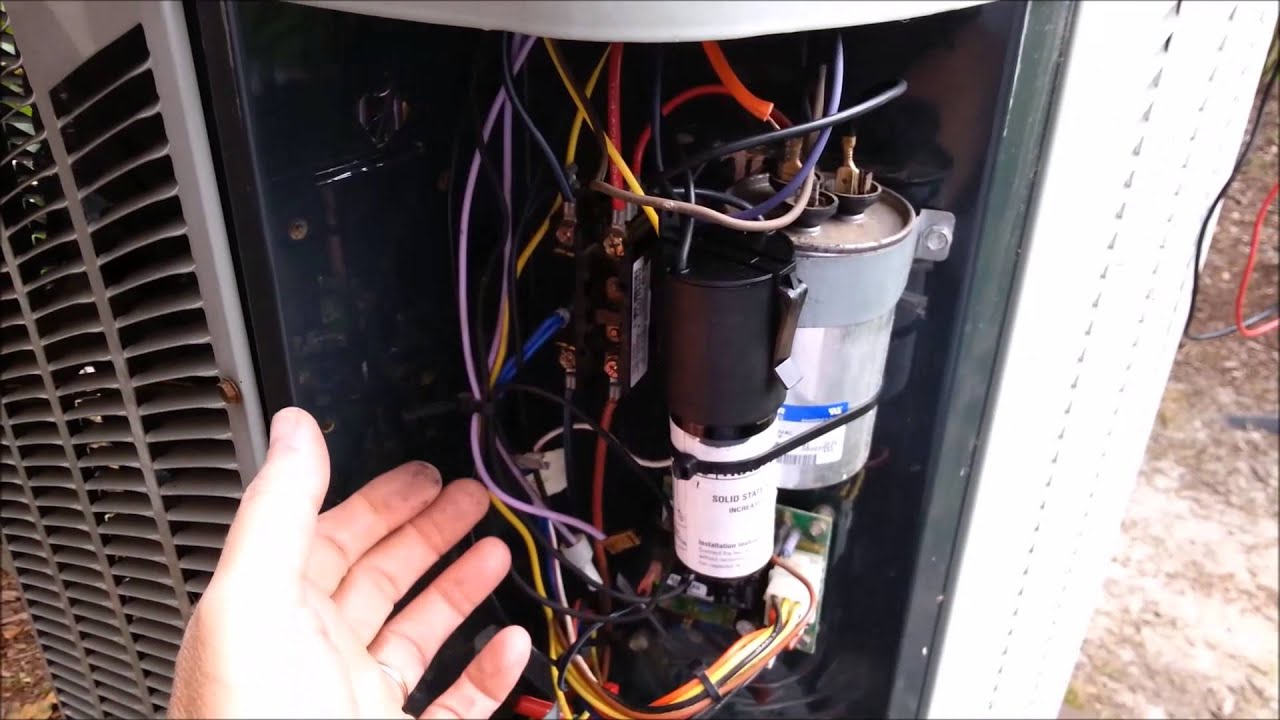
Capacitors are cylindrical components that help start and run the heat pump's motors. A failing capacitor is a common cause of hard lockouts. To check the capacitors:
- Turn off the power: Completely turn off the power to the heat pump at the breaker panel and the disconnect switch.
- Locate the capacitors: Open the control panel on the outdoor unit. You'll find one or more cylindrical capacitors.
- Visual inspection: Look for signs of bulging, leaking, or corrosion on the capacitors. If you see any of these signs, the capacitor is likely bad and needs to be replaced.
- Testing (requires a multimeter): If the capacitors look okay visually, you can test them with a multimeter. This requires some electrical knowledge and the ability to safely discharge the capacitor before testing. If you're not familiar with this process, do not attempt it.
Replacing a capacitor is a relatively simple repair, but it requires using the correct replacement capacitor with the same voltage and capacitance ratings. It's best left to a professional to ensure the correct capacitor is used and installed safely.
Step 5: Examining the Contactor
The contactor is an electrical relay switch that controls power to the compressor and fan motor. A faulty contactor can cause the system to lock out.
- Turn off the power: Completely turn off the power to the heat pump at the breaker panel and the disconnect switch.
- Locate the contactor: The contactor is usually located in the control panel of the outdoor unit, near the capacitors. It's a small, rectangular device with several terminals.
- Visual inspection: Look for signs of burning, pitting, or corrosion on the contactor's contacts.
- Testing: You can test the contactor with a multimeter to check for continuity. If the contactor is not functioning correctly, it will need to be replaced.
Replacing a contactor is another repair that's best left to a qualified technician due to the electrical connections involved.
When to Call a Professional
While some of these troubleshooting steps are within the capabilities of a handy homeowner, certain situations require the expertise of a qualified HVAC technician. Call a professional if:
- You're uncomfortable working with electricity.
- You suspect a refrigerant leak. Refrigerant handling requires specialized equipment and certification.
- The compressor is making loud or unusual noises.
- The hard lockout persists after trying the basic troubleshooting steps.
- You suspect a problem with the control board or other complex components.
- You lack the necessary tools or knowledge to safely perform the repairs.
Remember: Attempting repairs beyond your skill level can be dangerous and can potentially damage the heat pump further, leading to more costly repairs in the long run.
Preventative Maintenance
The best way to avoid hard lockouts and other heat pump problems is to perform regular preventative maintenance. This includes:
- Regularly changing the air filter: Check the filter monthly and replace it as needed.
- Keeping the outdoor unit clean: Remove any debris from around the unit and ensure proper airflow.
- Scheduling annual professional maintenance: A qualified technician can inspect the system, clean the coils, check the refrigerant levels, and identify potential problems before they lead to breakdowns.
By following these simple steps, you can keep your American Standard heat pump running efficiently and reliably for years to come.
This guide provides general troubleshooting information. Always refer to your heat pump's owner's manual for specific instructions and safety precautions.