An Open Loop System Is Practical Only If

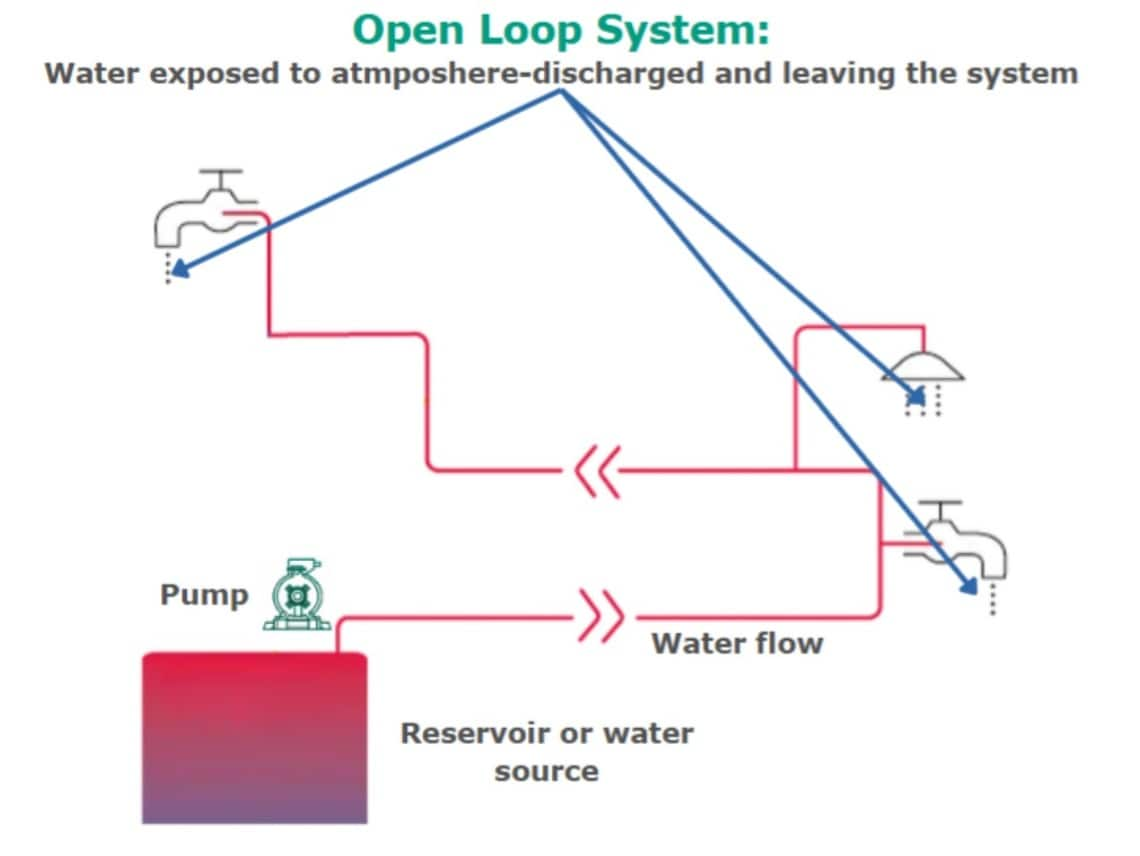
Open loop geothermal systems, also known as groundwater systems, represent a fascinating approach to heating and cooling. Unlike closed-loop systems that circulate a refrigerant or water-antifreeze mixture through a buried network of pipes, open-loop systems directly utilize a natural water source, such as a well, lake, or pond. This water is pumped directly from the source, circulated through a heat exchanger to extract or reject heat, and then discharged back into the environment. While the allure of tapping into a natural resource for efficient temperature control is strong, the reality is that an open loop system is practical only if very specific conditions are met. Ignoring these conditions can lead to significant performance issues, regulatory hurdles, and ultimately, a system that's more trouble than it's worth.
Understanding the Advantages (and Disadvantages)
Before diving into the specific requirements for practicality, it's important to understand the potential benefits and drawbacks of open-loop geothermal systems. On the plus side:
- High Efficiency: Open-loop systems can boast impressive Coefficients of Performance (COPs). Since the water source is typically at a relatively stable temperature year-round, the heat pump doesn't have to work as hard to heat or cool the circulating water. This translates to lower energy consumption and reduced utility bills. For example, a well-designed open-loop system might achieve a COP of 4.0 or higher, meaning it produces four units of heating or cooling for every one unit of electricity consumed.
- Lower Installation Costs (Potentially): In some cases, the initial installation cost of an open-loop system can be lower than a closed-loop system, primarily because it eliminates the need for extensive trenching or drilling to bury a ground loop.
However, the disadvantages are equally important:
- Water Quality Dependence: The success of an open-loop system hinges on the quality of the water source. High mineral content, sediment, or biological contaminants can foul heat exchangers, reduce efficiency, and damage equipment.
- Water Availability: A consistent and adequate supply of water is essential. Fluctuations in water levels, seasonal droughts, or over-pumping can render the system ineffective.
- Discharge Regulations: Discharging the used water back into the environment is often subject to strict regulations. Permitting requirements, water quality standards, and concerns about environmental impact can be significant obstacles.
- Maintenance Requirements: Open-loop systems typically require more frequent maintenance than closed-loop systems due to the potential for scaling, corrosion, and biofouling.
The Critical Prerequisites: When is an Open Loop System Practical?
So, when does an open-loop system make sense? Here are the key criteria to consider:
1. Abundant and Sustainable Water Source
The most crucial factor is the availability of a reliable and sustainable water source. This means not only having enough water to meet the system's demands but also ensuring that the water source will remain consistent year after year. Consider these questions:
- Flow Rate: Does the water source provide a sufficient flow rate to meet the heat pump's requirements? This will depend on the size of the building and the heating and cooling load. A typical residential system might require 5-10 gallons per minute (GPM), while larger commercial buildings could require significantly more.
- Seasonal Variations: Does the water flow rate fluctuate significantly throughout the year? If so, will the system still function effectively during periods of low flow?
- Long-Term Sustainability: Is the water source likely to remain available in the future? Consider factors such as climate change, population growth, and competing water demands.
For example, a homeowner with a deep, high-yielding well that consistently provides a strong flow rate throughout the year is a more likely candidate for an open-loop system than someone relying on a shallow well that is prone to drying up during the summer months. Similarly, a facility manager considering a large open-loop system for a commercial building should conduct a thorough hydrological study to assess the long-term availability of the water source.
2. Acceptable Water Quality
The quality of the water is just as important as the quantity. Water with high mineral content, sediment, or biological contaminants can wreak havoc on the system. Consider these factors:
- Total Dissolved Solids (TDS): High TDS levels can lead to scaling and corrosion.
- Hardness: Hard water, which contains high levels of calcium and magnesium, can also cause scaling.
- Iron and Manganese: These metals can stain fixtures and equipment and promote bacterial growth.
- Sediment: Sediment can clog heat exchangers and reduce efficiency.
- Biological Contaminants: Bacteria, algae, and other microorganisms can foul heat exchangers and promote corrosion.
A thorough water analysis is essential before installing an open-loop system. The results will help determine if the water is suitable for use and what type of pre-treatment, if any, is required. Pre-treatment options might include filtration, water softening, and chemical treatment.
3. Permitting and Regulatory Compliance
Discharging the used water back into the environment is often subject to strict regulations. These regulations vary depending on the location and the type of water source. Common concerns include:
- Water Quality Standards: The discharged water must meet certain water quality standards to protect the environment.
- Thermal Pollution: Discharging water that is significantly warmer or cooler than the receiving water body can harm aquatic life.
- Groundwater Contamination: In some cases, there may be concerns about contaminating groundwater with the discharged water.
Obtaining the necessary permits can be a complex and time-consuming process. It's essential to consult with local regulatory agencies early in the planning process to determine the specific requirements and potential challenges. Failure to comply with regulations can result in fines, penalties, and even the shutdown of the system.
4. Suitable Discharge Location
The location where the used water is discharged is another important consideration. Common discharge options include:
- Re-injection Well: Pumping the water back into the aquifer from which it was drawn. This is often the preferred option from an environmental perspective, but it requires a second well and can be more expensive.
- Surface Water Discharge: Discharging the water into a stream, river, or lake. This option is often subject to strict regulations to protect water quality and aquatic life.
- On-Site Drainage: Discharging the water onto the property, such as into a drainage field or dry well. This option may be suitable for smaller systems, but it requires careful consideration of soil conditions and drainage capacity.
The choice of discharge location will depend on factors such as the availability of suitable sites, regulatory requirements, and cost. It's important to select a discharge location that minimizes the potential for environmental impact.
5. Cost-Effectiveness and Return on Investment
Even if all the other criteria are met, an open-loop system may not be practical if it's not cost-effective. A thorough cost-benefit analysis should be conducted to compare the initial investment, operating costs, and maintenance costs of an open-loop system with those of other heating and cooling options. This analysis should consider factors such as:
- Installation Costs: Including the cost of drilling wells, installing pumps, and connecting the system.
- Operating Costs: Including the cost of electricity to run the pumps and heat pump.
- Maintenance Costs: Including the cost of cleaning heat exchangers, replacing pumps, and treating the water.
- Permitting Costs: Including the cost of obtaining the necessary permits and complying with regulations.
A realistic estimate of the system's performance and energy savings is also essential. A properly designed and maintained open-loop system can offer significant energy savings compared to traditional heating and cooling systems, but these savings must be weighed against the costs. Look for systems with Energy Star ratings to maximize potential savings.
Real-World Examples
Consider two contrasting scenarios:
- Scenario 1: Unsuitable Application. A homeowner in a drought-prone region installs an open-loop system relying on a shallow well that frequently runs dry during the summer. The system is plagued by low flow rates, inconsistent performance, and frequent breakdowns. The homeowner is forced to supplement the system with expensive electric resistance heating and cooling, negating any potential energy savings. Furthermore, the homeowner faces fines for violating local water usage restrictions. This system is clearly impractical.
- Scenario 2: Successful Implementation. A commercial building in a rural area installs a large open-loop system using a deep aquifer that provides a consistent flow rate and excellent water quality. The system is properly designed and maintained, and the discharged water is re-injected into the aquifer through a second well. The building owner enjoys significant energy savings and a positive return on investment. The system operates reliably and complies with all applicable regulations. This system is a practical and sustainable solution.
Conclusion
Open-loop geothermal systems offer the potential for highly efficient heating and cooling, but they are not a one-size-fits-all solution. An open loop system is practical only if a reliable and sustainable water source of acceptable quality is available, all necessary permits can be obtained, a suitable discharge location can be found, and the system is cost-effective. A thorough assessment of these factors is essential before making a decision. Consulting with experienced HVAC professionals and conducting a comprehensive feasibility study are crucial steps in ensuring the success of an open-loop geothermal system.