Arcoaire Furnace Trouble Codes
Decoding Arcoaire Furnace Trouble Codes: A Comprehensive Guide for HVAC Professionals
In the fast-paced world of HVAC, quick and accurate diagnostics are paramount. For technicians working with Arcoaire furnaces, understanding trouble codes is the first step towards efficient repairs and satisfied customers. This article provides a comprehensive overview of Arcoaire furnace trouble codes, their meanings, and troubleshooting strategies, designed for HVAC students, experienced technicians, and employers seeking skilled personnel.
Why Understanding Trouble Codes Matters
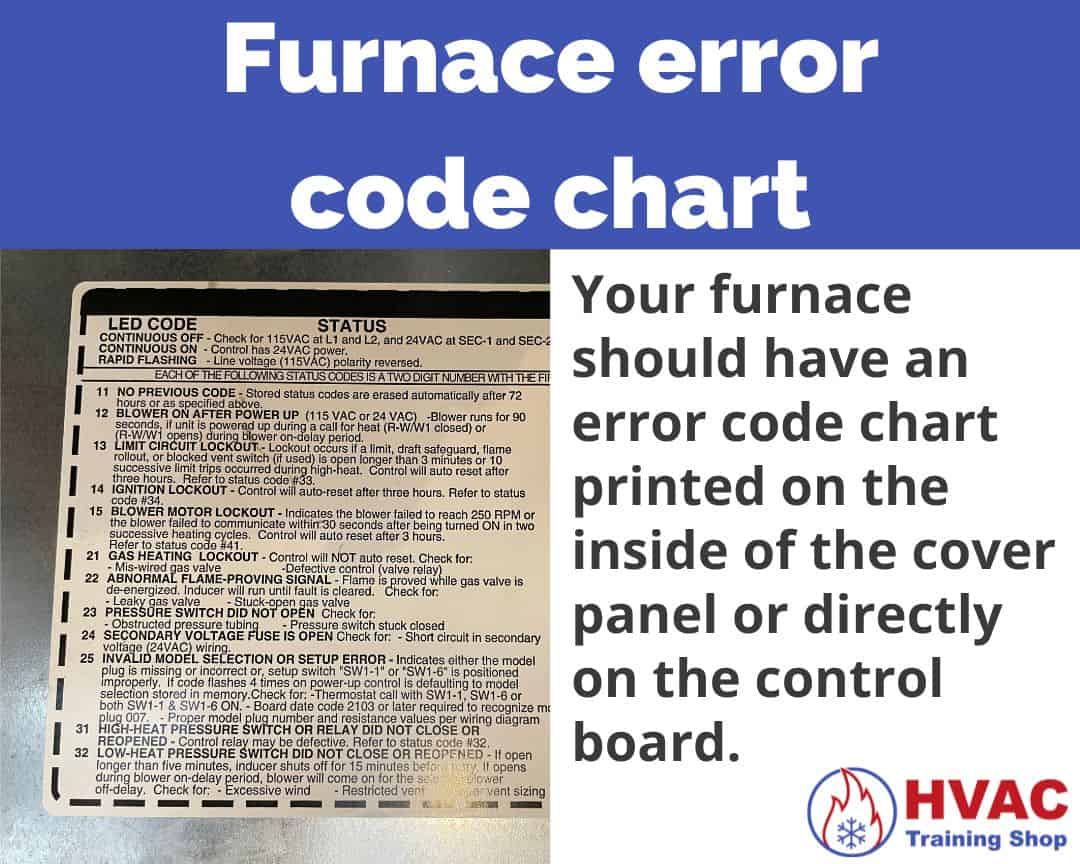
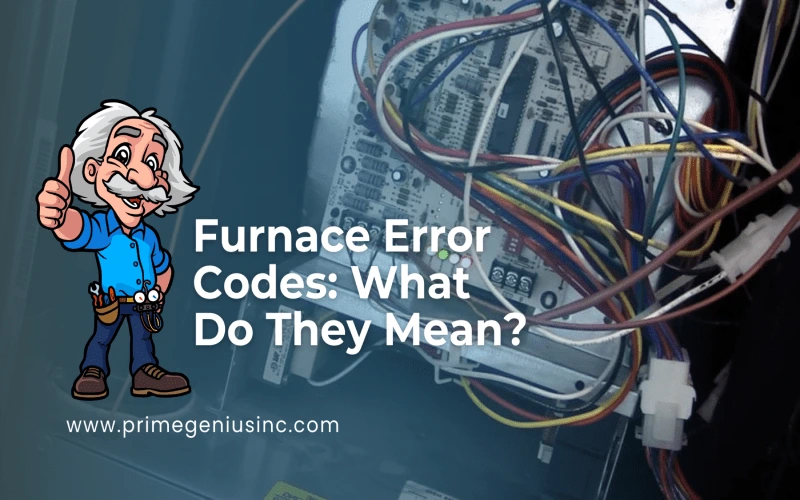
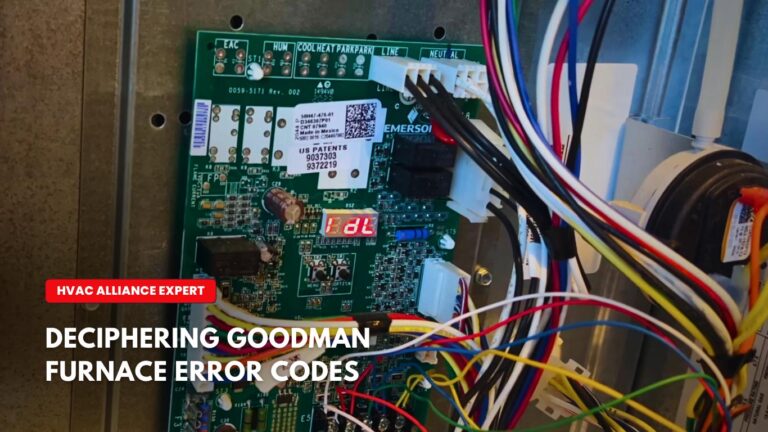
Modern furnaces, including Arcoaire models, incorporate sophisticated electronic control boards. These boards constantly monitor system performance and, when an issue arises, generate a specific trouble code. These codes, often displayed on the control board itself or a connected thermostat, act as clues, pointing technicians towards the root cause of the problem. Misinterpreting these codes can lead to wasted time, unnecessary parts replacements, and ultimately, unhappy customers. In a field where efficiency and precision are highly valued, mastery of trouble code interpretation is a critical skill.
Common Arcoaire Furnace Trouble Codes and Their Meanings
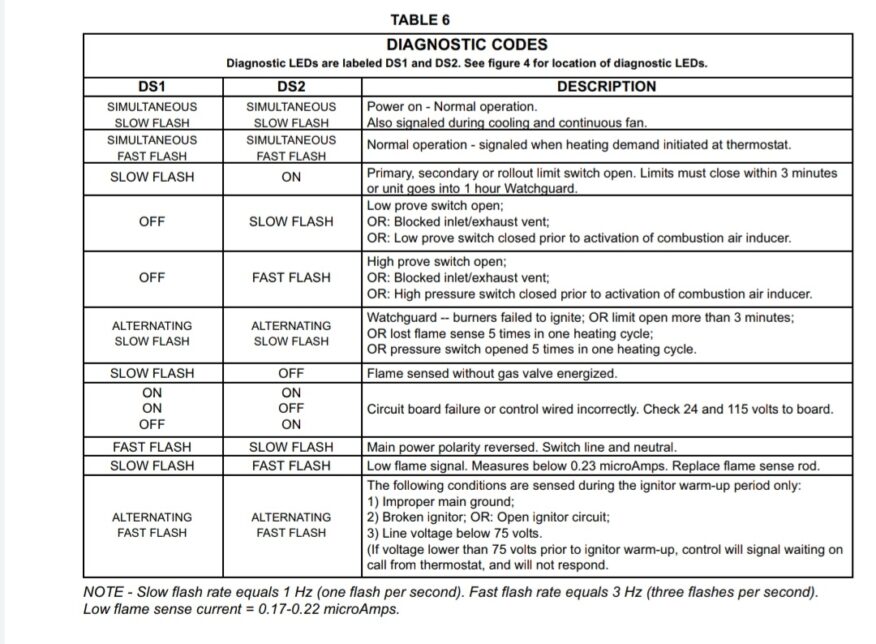
While specific code designations can vary slightly between Arcoaire models, some codes are frequently encountered. Here's a breakdown of some common codes and their associated problems:
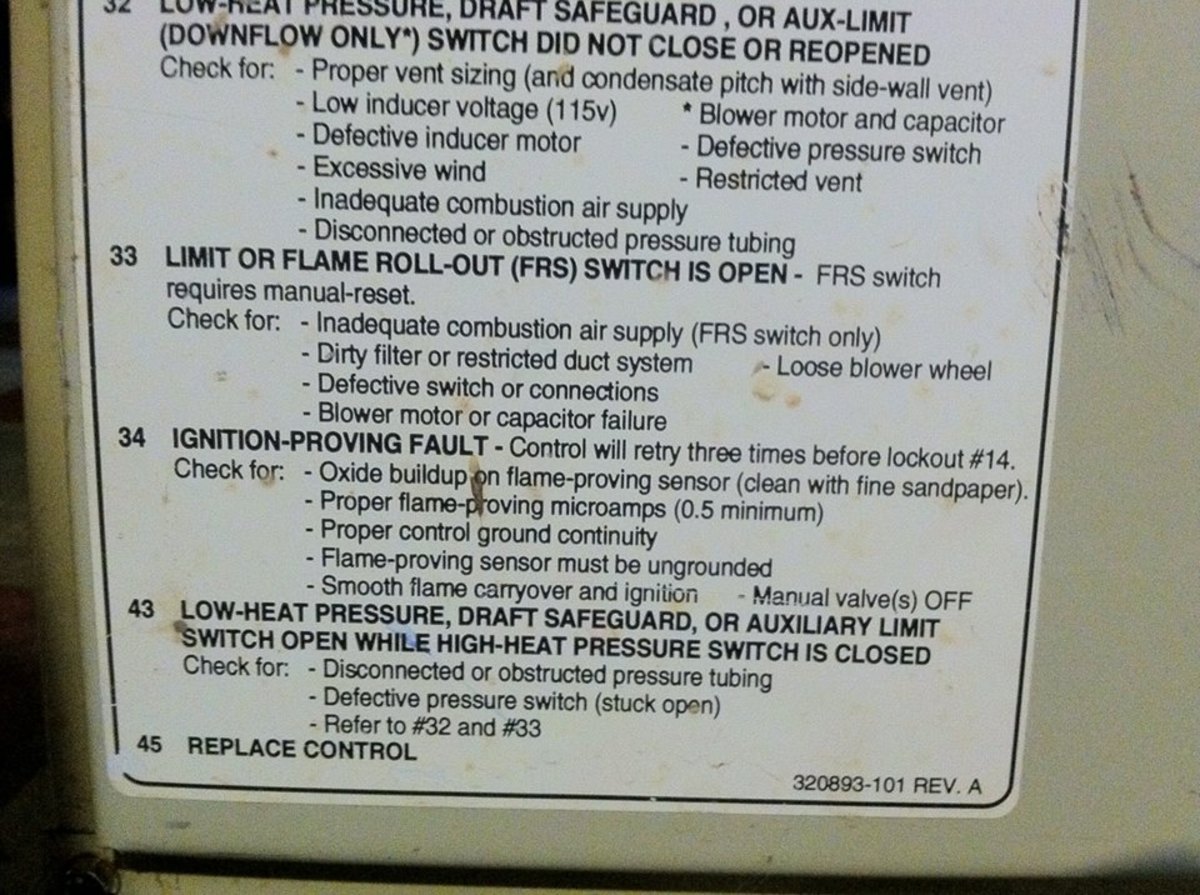
- Code 13: Flame Sensor Fault. This indicates a problem with the flame sensor, which is responsible for verifying that the burner is lit. Common causes include a dirty flame sensor, a faulty sensor, or a wiring issue.
- Code 31: Pressure Switch Problem. This suggests an issue with the pressure switch, which confirms proper draft within the furnace. Possible causes include a blocked vent, a faulty inducer motor, or a malfunctioning pressure switch.
- Code 34: Igniter Fault. This points to a problem with the igniter, which is responsible for initiating combustion. Possible causes include a cracked igniter, a faulty igniter control module, or a wiring issue.
- Code 14: Ignition Failure. The furnace attempted to ignite the gas but failed. Possible causes include a gas supply issue, faulty gas valve, faulty igniter, or dirty burner.
- Code 33: Limit Switch Open. Indicates the furnace is overheating, usually due to restricted airflow.
Important Note: This is not an exhaustive list. Always consult the specific service manual for the Arcoaire furnace model you are working on for a complete list of codes and their meanings. These manuals provide detailed troubleshooting procedures and safety precautions.
Troubleshooting Strategies: A Step-by-Step Approach
Once you have identified the trouble code, follow a systematic approach to diagnose and resolve the issue:
- Consult the Service Manual: This is your primary resource for accurate information and troubleshooting procedures specific to the furnace model.
- Visual Inspection: Before testing any components, visually inspect the furnace for any obvious signs of damage, such as cracked igniters, loose wires, or blocked vents.
- Component Testing: Use a multimeter to test the resistance and voltage of various components, such as the flame sensor, pressure switch, and igniter. Compare your readings to the values specified in the service manual.
- Gas Pressure Testing: Verify that the gas pressure is within the specified range.
- Airflow Assessment: Ensure that the furnace has adequate airflow by checking the filter, vents, and ductwork.
- Safety First: Always disconnect power to the furnace before working on any electrical components. Follow all safety precautions outlined in the service manual.
The Importance of HVAC Certifications
In the HVAC industry, certifications are valuable credentials that demonstrate your knowledge and skills. Earning certifications like the NATE (North American Technician Excellence) certification and the EPA 608 certification can significantly enhance your career prospects and earning potential. NATE certification, for example, validates your technical expertise in specific areas, such as gas furnaces, heat pumps, and air conditioning. The EPA 608 certification is required for technicians who handle refrigerants. Many employers prefer to hire certified technicians, and some jurisdictions require certification for certain types of work.
Career Paths and Job Outlook in HVAC
The HVAC industry offers a wide range of career paths, from entry-level technician positions to specialized roles such as HVAC design engineers, project managers, and sales representatives. According to the Bureau of Labor Statistics, the job outlook for HVAC mechanics and installers is projected to grow by 6 percent from 2022 to 2032, about as fast as the average for all occupations. This growth is driven by the increasing demand for energy-efficient heating and cooling systems, as well as the need to replace aging equipment.
Entry-level HVAC technicians typically earn between $35,000 and $50,000 per year, while experienced technicians with certifications and specialized skills can earn significantly more, often exceeding $70,000 per year. Salaries can also vary depending on location and the size of the employer.
Real-World Examples: Career Trajectories
Here are two examples of career paths commonly seen in the HVAC industry:
- Technician to Lead Technician: An individual starts as an entry-level technician, gaining experience and earning certifications. Over time, they develop expertise in troubleshooting and repair, eventually becoming a lead technician responsible for overseeing projects and mentoring junior technicians.
- Technician to Service Manager: An individual with strong technical skills and customer service abilities progresses from a technician role to a service manager position, overseeing a team of technicians and ensuring customer satisfaction.
Tips for Employers Hiring HVAC Technicians
When hiring HVAC technicians, employers should look for candidates with the following qualifications:
- Technical Skills: A strong understanding of HVAC systems, including electrical, mechanical, and refrigeration components.
- Troubleshooting Abilities: The ability to diagnose and repair complex HVAC problems efficiently and effectively.
- Certifications: Valid certifications, such as NATE and EPA 608, demonstrate a commitment to professional development and adherence to industry standards.
- Communication Skills: The ability to communicate effectively with customers and colleagues.
- Customer Service Skills: A commitment to providing excellent customer service and building strong relationships.
Employers should also provide ongoing training and development opportunities to help their technicians stay up-to-date with the latest technologies and industry best practices. Investing in employee development can lead to increased productivity, improved customer satisfaction, and reduced employee turnover.
Conclusion: Staying Ahead in a Dynamic Industry
The HVAC industry is constantly evolving, with new technologies and regulations emerging regularly. To succeed in this dynamic field, HVAC professionals must be committed to lifelong learning and continuous improvement. Mastering trouble code interpretation, earning relevant certifications, and staying up-to-date with industry trends are essential steps towards building a successful and rewarding career in HVAC. For employers, investing in skilled and certified technicians is crucial for delivering high-quality service and maintaining a competitive edge.
By understanding the nuances of Arcoaire furnace trouble codes and embracing ongoing professional development, HVAC professionals can excel in their roles and contribute to the continued growth and success of the industry.