Are Furnace Gas Valves Interchangeable
Are Furnace Gas Valves Interchangeable? A Deep Dive into Safety and Efficiency
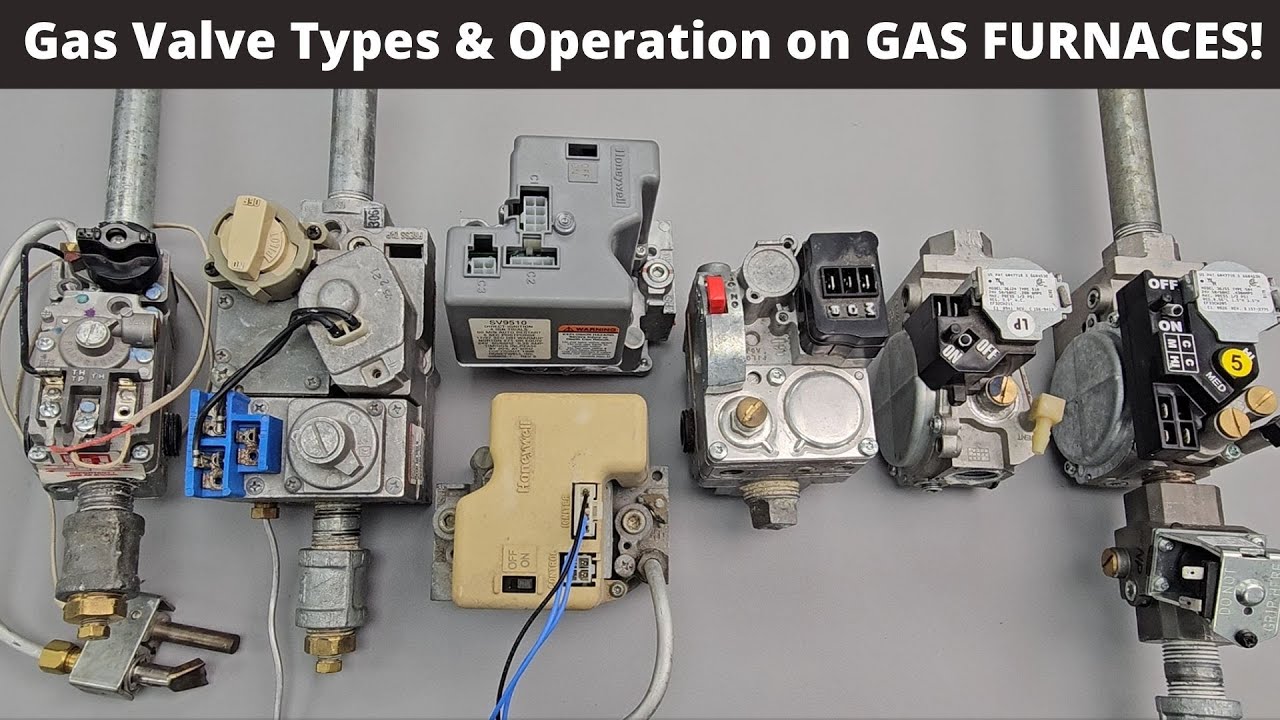
When your furnace sputters, coughs, or refuses to ignite, the gas valve often comes under suspicion. This crucial component controls the flow of natural gas or propane into the burner, and a malfunctioning valve can lead to heating problems and potential safety hazards. But before you reach for a replacement, a critical question arises: Are furnace gas valves interchangeable? The short answer is: generally, no. This article will explore why interchangeability is a complex issue with significant safety and efficiency implications for homeowners, businesses, and HVAC professionals alike.
Why Interchangeability is a Risky Proposition
While it might seem tempting to swap out a gas valve with one that *looks* similar, several factors dictate that interchangeability should be approached with extreme caution, or avoided altogether. Here's why:
- Gas Type Compatibility: Furnaces are designed to operate on either natural gas (NG) or propane (LP). Gas valves are specifically calibrated for the BTU (British Thermal Unit) content and pressure of each fuel. Using a valve designed for NG with LP, or vice versa, can result in improper combustion, leading to carbon monoxide production, inefficiency, and potential damage to the furnace. Always verify gas type compatibility before considering any replacement.
- Voltage and Electrical Requirements: Gas valves are electrically operated, often with a solenoid that opens or closes the gas flow. Different furnace models use different voltage requirements (e.g., 24V, 120V). Incorrect voltage can damage the valve, the furnace control board, or create a fire hazard.
- Pressure Regulation: Gas valves incorporate a pressure regulator to maintain a consistent gas pressure to the burner. Different furnace models require different pressure settings. Using a valve with an incorrect pressure setting can lead to over-firing (too much gas) or under-firing (too little gas), both of which compromise efficiency and safety.
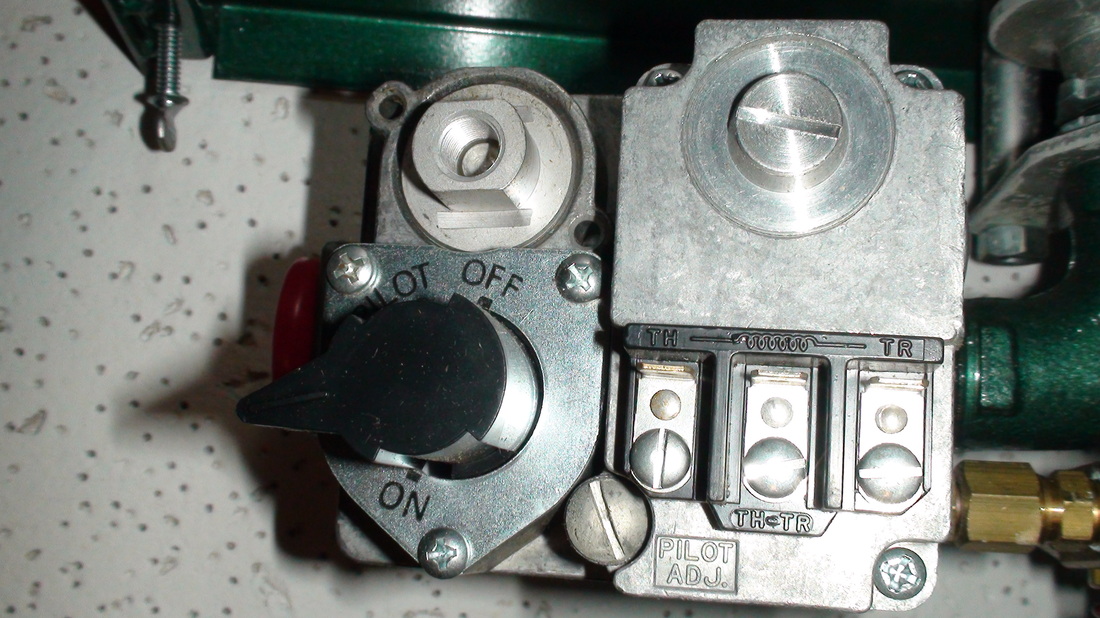
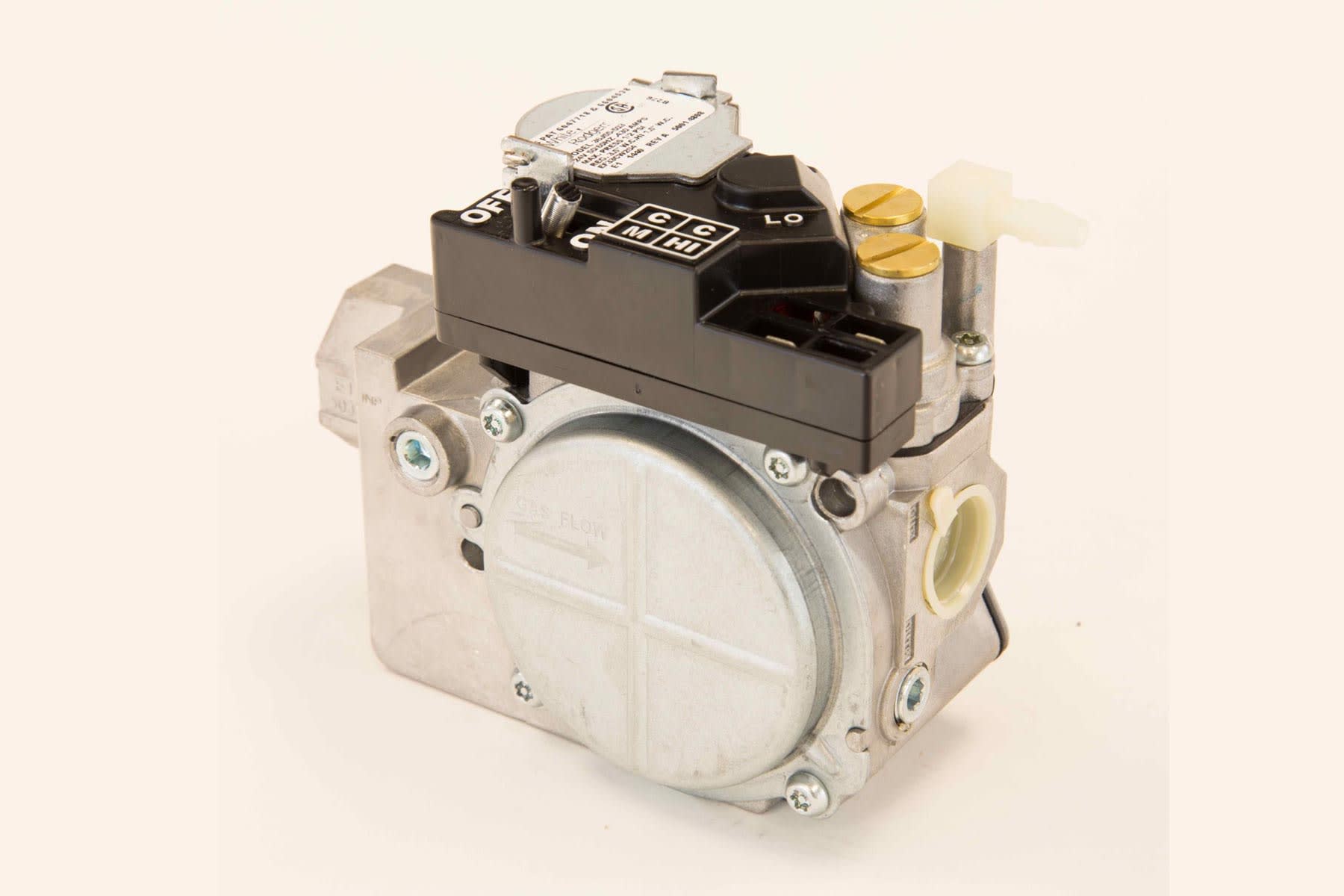
- Physical Dimensions and Connections: Even if a gas valve seems electrically and fuel-compatible, the physical dimensions and connection types (e.g., pipe thread size, flange type) may not match your furnace. Attempting to force a mismatched valve can damage the gas line and create leaks.
- Safety Features: Modern gas valves often incorporate safety features like flame rollout switches and pressure sensors that are integrated with the furnace's control system. Using a valve without these features, or with incompatible features, can compromise the furnace's safety mechanisms.
- BTU Input Rating: Furnaces are rated for a specific BTU input, indicating the amount of fuel they're designed to burn per hour. The gas valve must be matched to this BTU rating. Using a valve with a significantly different BTU rating can lead to inefficient operation and potential damage.
The Importance of OEM Replacement Parts
The safest and most reliable approach is to use an OEM (Original Equipment Manufacturer) replacement part specifically designed for your furnace model. OEM parts are guaranteed to be compatible with your furnace's specifications and safety features. While they may be slightly more expensive than generic aftermarket parts, the peace of mind and assurance of proper function are well worth the investment.
When Might a Replacement Valve be Considered?
While direct interchangeability is generally discouraged, there are rare situations where a *comparable* replacement valve might be considered, but only under the supervision of a licensed and experienced HVAC technician. This would involve careful consideration of all the factors mentioned above, including:
- Verifying gas type compatibility.
- Matching voltage and electrical requirements.
- Confirming the correct pressure regulation settings.
- Ensuring proper physical fit and connections.
- Validating the presence and functionality of safety features.
- Matching the BTU input rating.
Even in these situations, the technician should thoroughly test the furnace after installation to ensure proper combustion, efficiency, and safety.
The Energy Savings and ROI of a Properly Functioning Gas Valve
A malfunctioning gas valve can significantly impact your furnace's efficiency, leading to higher energy bills. Over-firing wastes fuel, while under-firing forces the furnace to run longer, both increasing energy consumption. Replacing a faulty gas valve with a correctly specified OEM part can restore your furnace to its optimal efficiency, resulting in noticeable energy savings.
Consider this example: A furnace with a faulty gas valve operating at 70% efficiency instead of its designed 90% efficiency. In a cold climate with a heating season lasting six months, this inefficiency could easily translate to a 10-20% increase in energy consumption. Over the lifespan of the furnace, this can amount to hundreds or even thousands of dollars in wasted energy costs.
Furthermore, many utility companies offer rebates and incentives for upgrading to energy-efficient HVAC equipment, including furnaces with properly functioning gas valves. Check with your local utility company to see what rebates are available in your area. Taking advantage of these rebates can further reduce the ROI period for a gas valve replacement.
Smart HVAC Integration and Gas Valve Performance
Smart thermostats and smart HVAC systems offer enhanced control and monitoring of your furnace, providing valuable insights into its performance. Some smart thermostats can even detect potential problems with the gas valve, such as inconsistent gas pressure or flame instability, and alert you to take action before a major breakdown occurs. By integrating your furnace with a smart home system, you can proactively address issues with the gas valve, ensuring optimal efficiency and preventing costly repairs.
Moreover, some advanced smart HVAC systems utilize sensors to monitor flue gas composition, providing real-time feedback on combustion efficiency. This data can be used to fine-tune the gas valve settings and optimize fuel consumption, further maximizing energy savings.
Safety First: When to Call a Professional
Working with natural gas or propane can be dangerous. If you suspect a problem with your furnace gas valve, it's always best to err on the side of caution and call a licensed and experienced HVAC technician. They have the expertise and tools to diagnose the problem accurately and replace the gas valve safely and effectively. Never attempt to repair or replace a gas valve yourself unless you are a qualified professional.
Warning signs that indicate a potential problem with your gas valve include:
- The furnace fails to ignite or ignites intermittently.
- The furnace produces unusual noises, such as popping or banging.
- You smell gas near the furnace.
- The furnace flame is yellow or orange instead of blue.
- Your carbon monoxide detector is triggered.
If you experience any of these symptoms, shut off the gas supply to the furnace immediately and contact your local utility company or a qualified HVAC technician.
Energy Star and Furnace Efficiency
When purchasing a new furnace, look for the Energy Star label. Energy Star certified furnaces meet strict energy efficiency guidelines set by the EPA. These furnaces typically have more efficient gas valves and combustion systems, resulting in lower energy bills and reduced environmental impact.
According to Energy Star, replacing an old, inefficient furnace with an Energy Star certified model can save homeowners up to 15% on their heating bills. Over the lifespan of the furnace, these savings can be substantial.
Conclusion: Prioritize Safety and Compatibility
In conclusion, while the temptation to interchange furnace gas valves might arise from a desire to save money or expedite repairs, it's crucial to prioritize safety and compatibility. Using an incorrect gas valve can lead to serious safety hazards, inefficient operation, and potential damage to your furnace. The safest and most reliable approach is to use an OEM replacement part specifically designed for your furnace model and to have it installed by a qualified HVAC technician. By investing in a properly functioning gas valve and considering smart HVAC integration, you can ensure optimal energy efficiency, lower your energy bills, and enjoy a safe and comfortable home.