Are Gable Vents Intake Or Exhaust
Gable Vents: Intake or Exhaust? Understanding Your Attic Ventilation
Attic ventilation is crucial for maintaining a comfortable and energy-efficient home. Gable vents, those often triangular or rectangular openings you see on the sides of your house near the roofline, play a role in this system. But are they designed to bring air in (intake) or push air out (exhaust)? The answer isn't always straightforward and understanding their function is key to proper attic ventilation.
The Basics of Attic Ventilation
Before diving into gable vents specifically, let's quickly review why attic ventilation is important:
- Cooling in Summer: Hot air rises. Without proper ventilation, your attic can become excessively hot, radiating heat into your living spaces and forcing your air conditioner to work harder.
- Preventing Ice Dams in Winter: Warm air escaping from your home into the attic can melt snow on the roof. This melted snow can then refreeze at the eaves, creating ice dams that can damage your roof and gutters.
- Moisture Control: Poor ventilation allows moisture to build up in the attic, leading to mold growth, wood rot, and insulation damage.
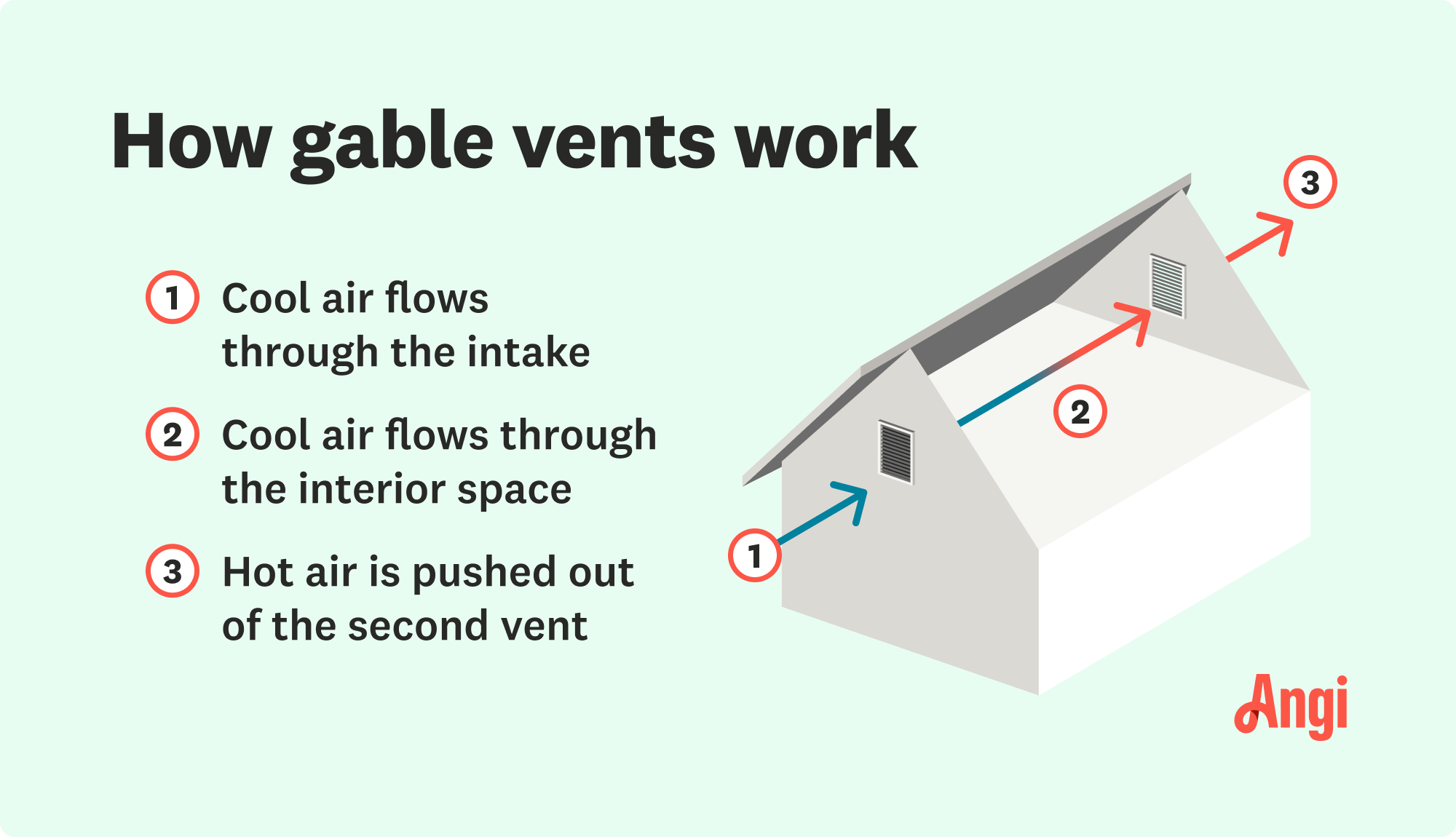
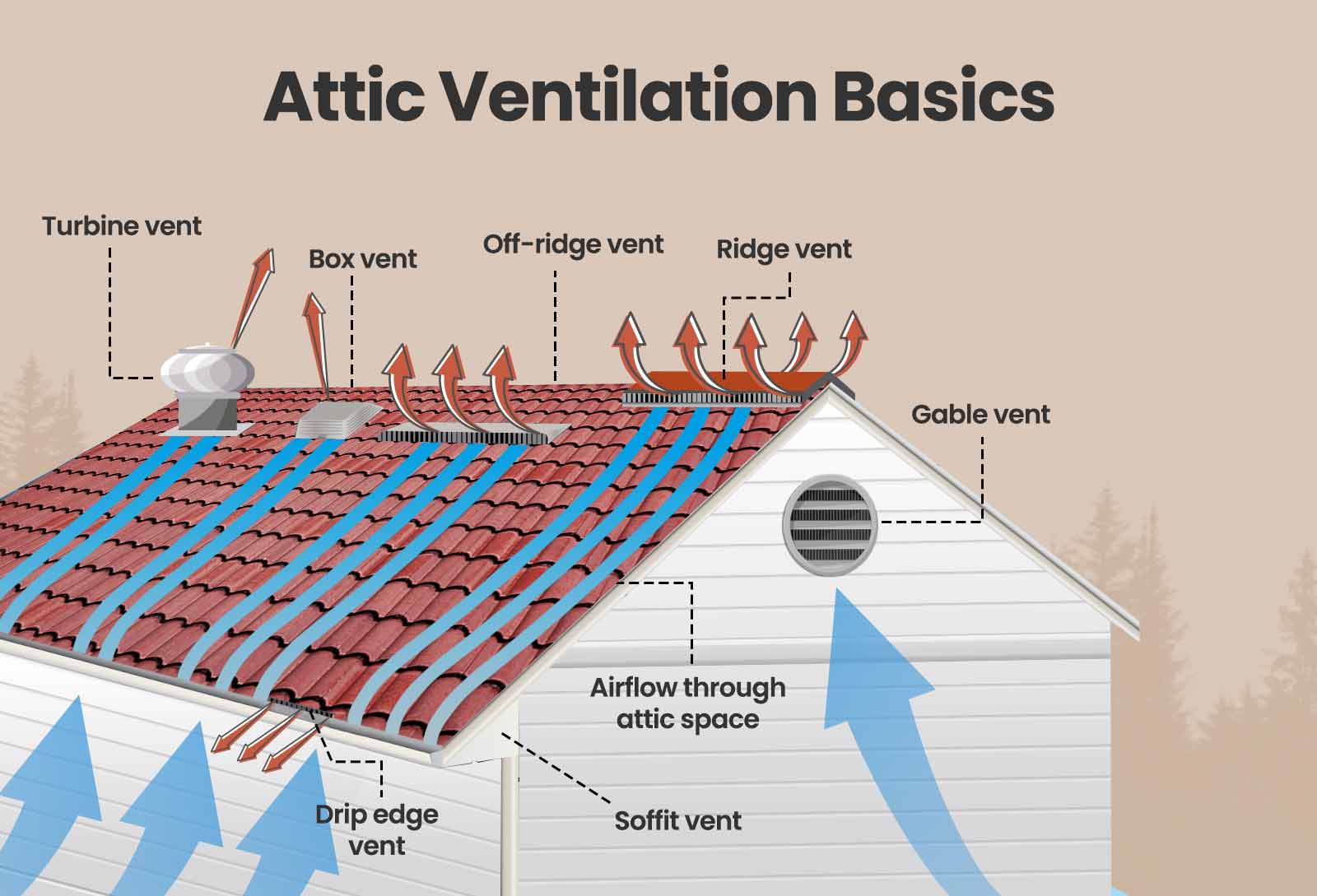
A balanced attic ventilation system relies on both intake and exhaust vents. Intake vents allow cool, dry air to enter the attic, while exhaust vents allow warm, moist air to escape. This constant airflow helps regulate temperature and humidity levels.
So, Are Gable Vents Intake or Exhaust?
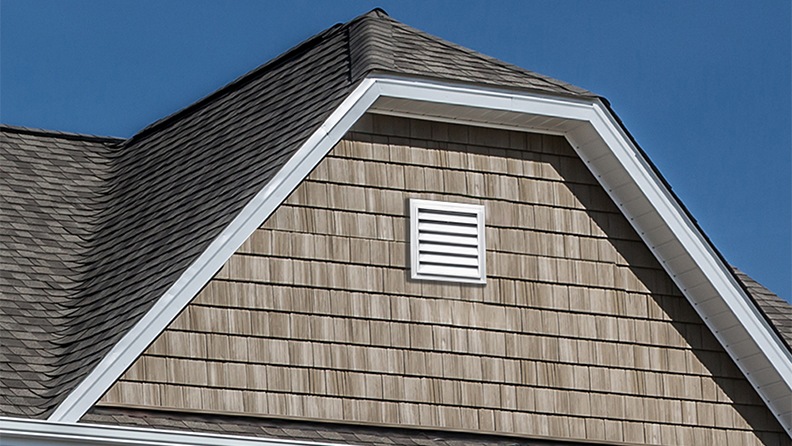
Generally speaking, gable vents are designed to act as exhaust vents. Their high location on the gable ends of the house allows them to effectively release hot, rising air from the attic. However, their actual function within your home's ventilation system can be more nuanced.
Here's a breakdown of factors that influence whether a gable vent acts primarily as an intake or exhaust:
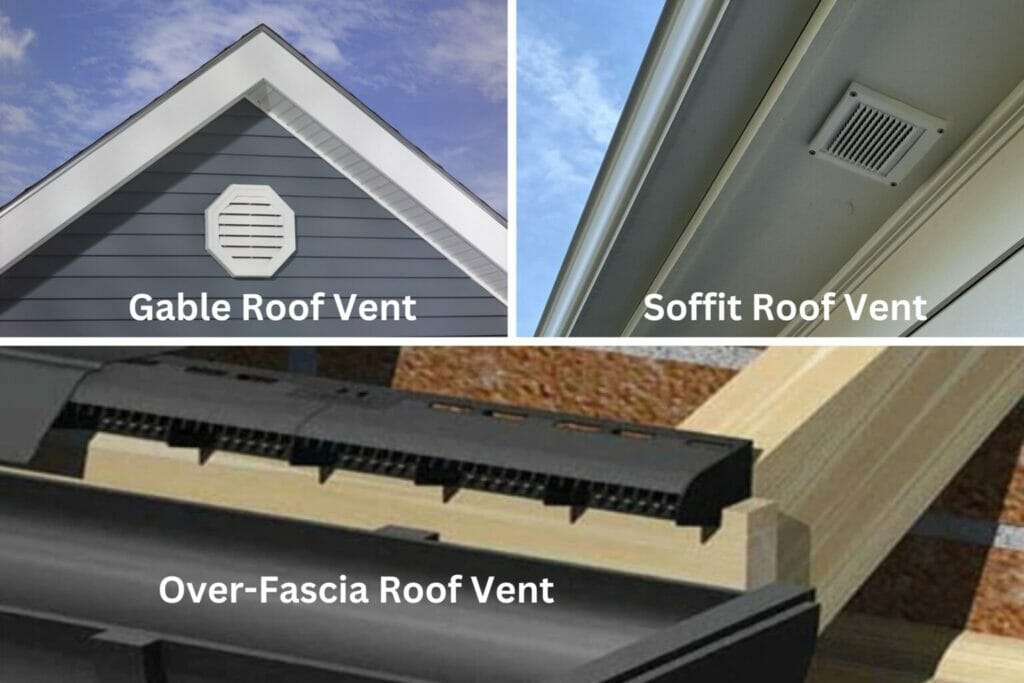
- Presence of Other Vents: The most important factor is the presence and functionality of other intake vents, like soffit vents (located under the eaves of the roof). If your attic only has gable vents and no soffit vents, the gable vents will likely act as both intake and exhaust, but with reduced efficiency.
- Wind Direction: Wind blowing directly into a gable vent will force air into the attic, effectively making it an intake vent at that moment. Conversely, wind blowing away from a gable vent will encourage air to be drawn out.
- House Design: The overall design and layout of your home can affect airflow patterns in the attic.
- Damaged or Blocked Vents: If soffit vents are blocked by insulation or debris, gable vents will be forced to take on more of the intake role, even if that's not their primary design.
Identifying and Inspecting Gable Vents
Before making any changes to your gable vents, it's essential to inspect them thoroughly.
Tools You'll Need:
- Ladder (ensure it's stable and on level ground)
- Gloves
- Safety glasses
- Screwdriver or drill (if removing the vent cover)
- Flashlight
- Measuring tape
Inspection Steps:
- Safety First: Always prioritize safety when working at heights. Have someone spot you on the ladder.
- Visual Inspection: Look for any signs of damage, such as cracks, holes, or rust. Check if the vent cover is securely attached.
- Obstructions: Inspect the vent from both the outside and inside (if possible from the attic). Make sure it's not blocked by insulation, bird nests, or other debris.
- Screen Condition: Most gable vents have a screen to prevent insects and animals from entering the attic. Check if the screen is intact and clean.
- Airflow Test (Optional): On a breezy day, hold a small piece of tissue paper near the vent. Observe if it's being drawn in (intake) or pushed out (exhaust). This is a very simple test and might not be conclusive.
Common Gable Vent Problems and Solutions
Here are some common problems you might encounter with gable vents and how to address them:
- Damaged Vent: Replace the vent with a new one of the same size and type. You can find replacement vents at most home improvement stores.
- Blocked Vent: Remove any obstructions from the vent. Use a brush or vacuum to clean out debris.
- Damaged Screen: Replace the screen with a new one. You can purchase replacement screening material at hardware stores.
- Insufficient Ventilation: If your attic is still experiencing moisture or temperature problems after inspecting and cleaning the gable vents, you may need to add more ventilation. This might involve installing additional soffit vents or a ridge vent. Consult with an HVAC professional or roofing contractor to determine the best solution for your home.
- Animal Infestation: If animals are getting into your attic through the gable vents, you may need to install a more robust screen or hardware cloth to prevent them from entering.
Adjusting Gable Vents for Optimal Ventilation
While you can't fundamentally change the design of a gable vent, you can take steps to optimize its performance:
- Ensure Sufficient Intake Ventilation: Make sure your soffit vents (or other intake vents) are clear and unobstructed. This is the most important factor in ensuring your gable vents function primarily as exhaust vents.
- Consider a Ridge Vent: A ridge vent, running along the peak of your roof, provides excellent exhaust ventilation. If you're considering a major roofing project, it's worth exploring.
- Seal Air Leaks: Seal any air leaks between your home and the attic. This will prevent warm, moist air from entering the attic and exacerbating ventilation problems. Common areas for air leaks include around recessed lights, plumbing penetrations, and attic access hatches.
When to Call a Professional
While many gable vent issues can be addressed with DIY solutions, there are situations where it's best to call a professional:
- Roofing Repairs: If you need to access the gable vents from the roof itself, it's generally safer to hire a roofing contractor. Working on a roof can be dangerous, and professionals have the necessary safety equipment and experience.
- Complex Ventilation Problems: If you've tried troubleshooting your attic ventilation system and are still experiencing problems, an HVAC professional or roofing contractor can assess the situation and recommend the best course of action.
- Mold or Wood Rot: If you find mold or wood rot in your attic, it's essential to address the underlying moisture problem and remediate the damage. A professional can help you identify the source of the moisture and develop a plan to eliminate it.
Cost Estimates:
These are rough estimates, and actual costs can vary depending on your location and the specific work required:
- Gable Vent Replacement: $50 - $200 per vent (DIY materials) or $150 - $400 per vent (professional installation).
- Soffit Vent Installation: $10 - $30 per vent (DIY materials) or $50 - $150 per vent (professional installation).
- Ridge Vent Installation: $5 - $15 per linear foot (DIY materials - usually part of a larger roofing project) or $10 - $30 per linear foot (professional installation - usually part of a larger roofing project).
- Attic Mold Remediation: $500 - $3,000+ (depending on the extent of the mold growth).
Safety Tips
Working on your home's ventilation system can be dangerous. Always follow these safety tips:
- Wear safety glasses and gloves.
- Use a stable ladder and have someone spot you.
- Be aware of power lines and other hazards.
- If you're not comfortable working at heights, hire a professional.
- Turn off power to any electrical components you're working on.
Conclusion: Gable Vents and Your Home's Health
Understanding the role of gable vents in your attic ventilation system is crucial for maintaining a healthy and comfortable home. While generally designed as exhaust vents, their actual function depends on the presence of other vents, wind direction, and house design. By inspecting your gable vents regularly, addressing any problems promptly, and ensuring sufficient intake ventilation, you can help ensure that your attic is properly ventilated and your home is protected from moisture damage and energy waste. Remember, when in doubt, consult with a qualified HVAC professional or roofing contractor.
By optimizing your attic ventilation, you're not just improving your home's comfort and energy efficiency, you're also protecting your investment for years to come.