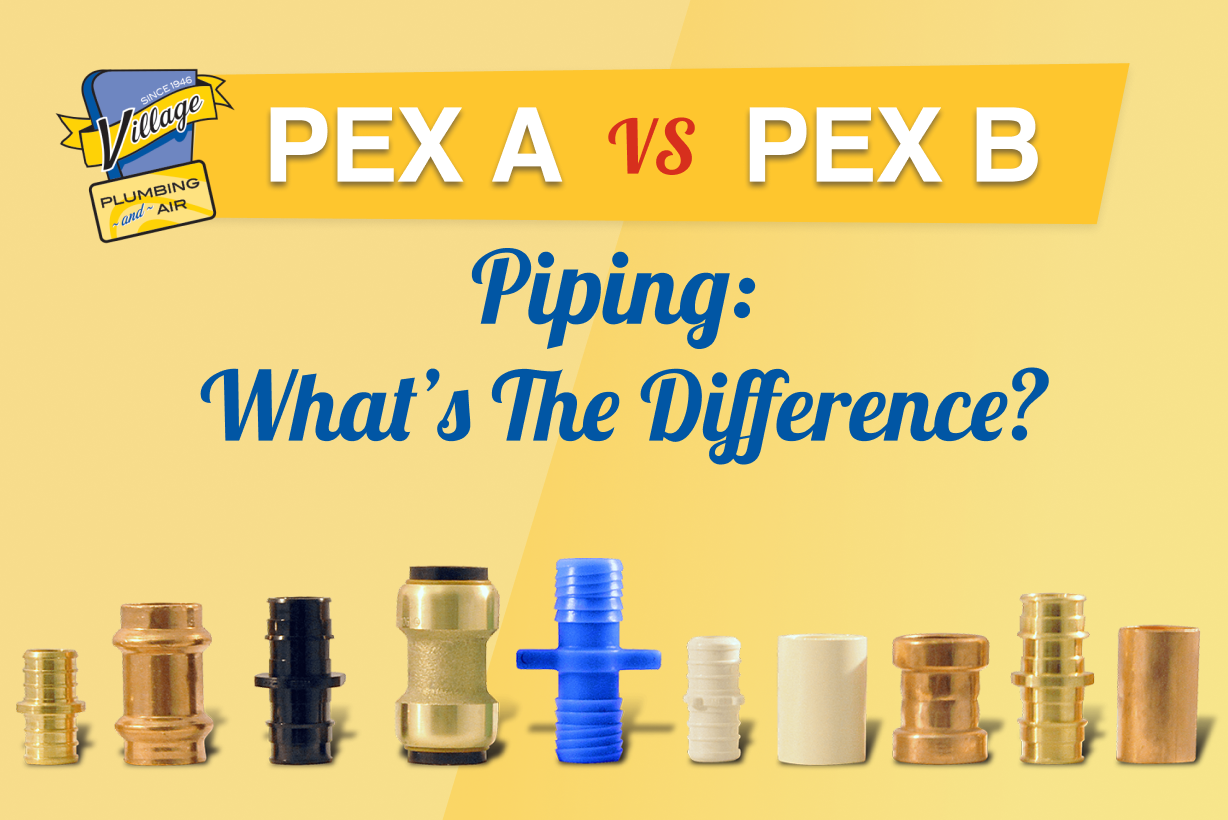
Are Pex A And B Fittings The Same

Understanding PEX: A Deep Dive into PEX-A and PEX-B Fittings
When it comes to plumbing and hydronic heating systems, PEX (cross-linked polyethylene) has become a dominant material. Its flexibility, durability, and ease of installation have made it a favorite among homeowners and contractors alike. However, navigating the world of PEX can be confusing, especially when it comes to understanding the differences between PEX-A and PEX-B, and, critically, whether their fittings are interchangeable.
This guide provides a comprehensive overview of PEX-A and PEX-B fittings, exploring their similarities, differences, and compatibility. We'll also touch upon PEX-C, another type of PEX, to provide a complete picture.
What is PEX?
Before diving into the fittings, it's essential to understand what PEX is and why it's so popular. PEX is a type of polyethylene that has undergone a cross-linking process. This process alters the molecular structure of the polyethylene, making it more durable, flexible, and resistant to high temperatures and pressures. This cross-linking is what allows PEX to withstand the demanding conditions of HVAC systems.
PEX-A, PEX-B, and PEX-C: The Key Differences
The primary difference between PEX-A, PEX-B, and PEX-C lies in the manufacturing process used to create the cross-links. Each method results in slightly different properties:
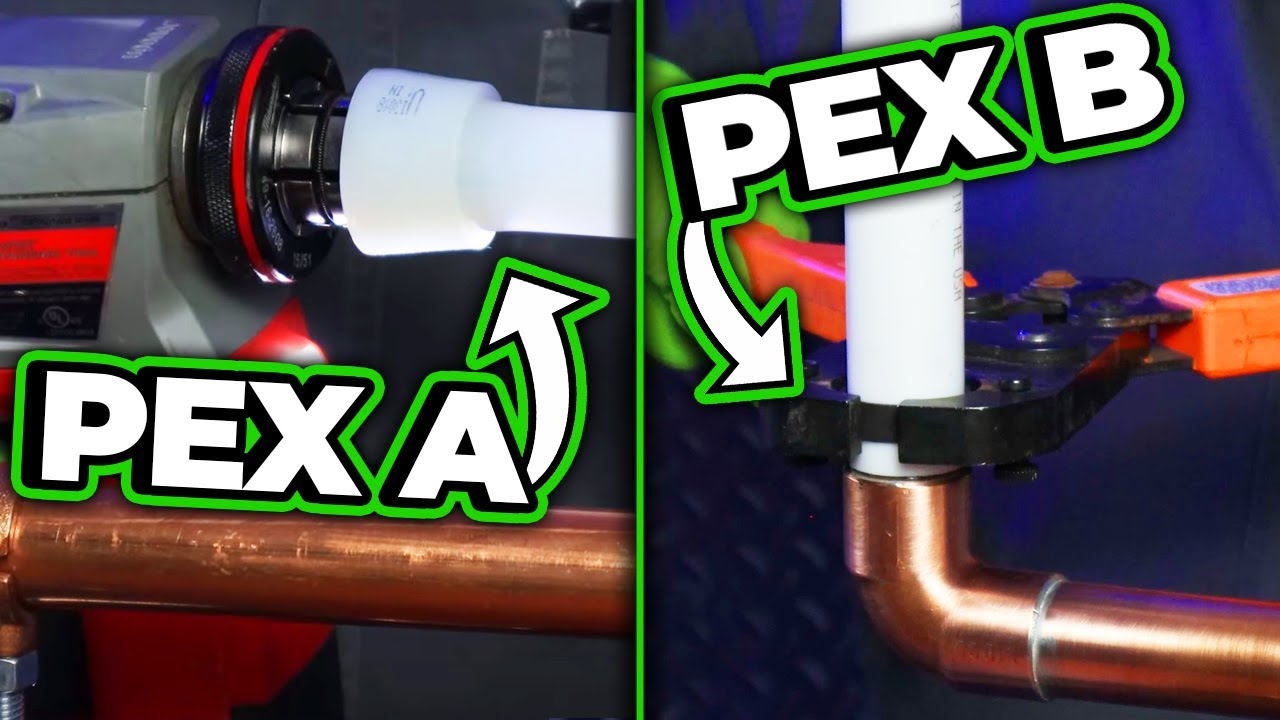
- PEX-A (Engel Method): This method involves cross-linking the polyethylene *before* it's extruded into tubing. PEX-A boasts the highest degree of flexibility and is known for its "shape memory," meaning it can be expanded and will shrink back to its original size using tools like expansion tools and rings.
- PEX-B (Silane or Moisture Cure Method): In this method, cross-linking occurs *after* the tubing is extruded, using moisture and heat. PEX-B is more rigid than PEX-A but still offers good flexibility. It's a cost-effective option often used in residential plumbing.
- PEX-C (Electron Beam Method): This method uses electron beam radiation to cross-link the polyethylene. PEX-C is generally more rigid than PEX-A and PEX-B and is often used in situations where higher chlorine resistance is required. It's less common than PEX-A and PEX-B in residential HVAC applications.
PEX Fittings: A Closer Look
PEX fittings are used to connect PEX tubing to other PEX tubing, fixtures, or manifolds. There are several types of PEX fittings available, each designed for specific applications and PEX types.
Types of PEX Fittings
The most common types of PEX fittings include:
- Crimp Fittings: These fittings are secured using a copper crimp ring and a crimping tool. They're typically used with PEX-B and offer a reliable, cost-effective connection.
- Expansion Fittings: These fittings are used exclusively with PEX-A. A special expansion tool expands the PEX tubing, allowing it to fit over the fitting. An expansion ring is then placed over the tubing, and the PEX shrinks back to its original size, creating a tight seal.
- Push-Fit Fittings (SharkBite type): These fittings offer a tool-free connection and are compatible with PEX-A, PEX-B, and copper tubing. They're easy to install and are ideal for quick repairs or installations in tight spaces.
- Compression Fittings: While less common for PEX specifically, compression fittings can be used in certain situations. They rely on a compression ring that tightens around the tubing when the fitting is tightened.
- Clamp Fittings: Similar to crimp fittings, but use a stainless steel clamp instead of a copper ring, secured with a specialized clamping tool.
Are PEX-A and PEX-B Fittings Interchangeable? The Truth
This is where the confusion often arises. The simple answer is: generally, no, PEX-A and PEX-B fittings are *not* interchangeable for most fitting types (specifically crimp and expansion). While both use PEX tubing, the methods for securing the fittings are fundamentally different, and using the wrong fitting can lead to leaks and system failures.
- Expansion Fittings (PEX-A Only): Expansion fittings are specifically designed for PEX-A tubing because of its shape memory properties. You *cannot* use expansion fittings with PEX-B or PEX-C. The PEX-B and PEX-C lack the required shape memory to properly shrink and seal around the fitting.
- Crimp Fittings (Primarily PEX-B): Crimp fittings are commonly used with PEX-B. While some crimp fittings *may* be compatible with PEX-A, it's crucial to check the manufacturer's specifications to ensure compatibility. Generally, it's best practice to use crimp fittings specifically designed for PEX-B.
Important Note: The exception to this rule is push-fit fittings. Many brands of push-fit fittings, like SharkBite, are designed to be compatible with PEX-A, PEX-B, and copper tubing. However, always verify the manufacturer's specifications before using push-fit fittings to ensure they are suitable for your specific application and tubing type.
Why the Incompatibility?
The incompatibility stems from the differences in flexibility and shape memory between PEX-A and PEX-B. PEX-A's shape memory allows it to shrink back to its original size after being expanded, creating a tight seal with expansion fittings. PEX-B, being more rigid, doesn't have the same shape memory, making it unsuitable for expansion fittings. Conversely, the rigid nature of PEX-B is well-suited for the crimping process, which relies on pressure to create a secure connection.
Choosing the Right PEX and Fittings for Your HVAC System
Selecting the right PEX and fittings for your HVAC system is crucial for ensuring a reliable and leak-free installation. Consider the following factors:
- Application: Determine the specific application, such as potable water, radiant heating, or cooling systems. Different applications may require different types of PEX and fittings.
- Code Requirements: Check your local plumbing codes to ensure that the PEX and fittings you choose meet the required standards.
- Ease of Installation: Consider your skill level and the tools required for each type of fitting. Crimp fittings are relatively easy to install with the right tools, while expansion fittings require a more specialized (and often more expensive) expansion tool. Push-fit fittings offer the simplest installation, requiring no special tools.
- Cost: Compare the cost of PEX-A, PEX-B, and the corresponding fittings. PEX-A and expansion fittings are generally more expensive than PEX-B and crimp fittings.
- Manufacturer Recommendations: Always follow the manufacturer's recommendations for the use of PEX and fittings. Using the wrong combination can void warranties and lead to system failures.
Popular PEX Brands
Several reputable brands offer high-quality PEX tubing and fittings. Some popular options include:
- Uponor: Known for its high-quality PEX-A tubing and expansion fittings.
- Viega: Offers both PEX-A and PEX-B solutions, including press fittings for PEX.
- SharkBite: Primarily known for its push-fit fittings, which are compatible with PEX-A, PEX-B, and copper.
- Watts: A comprehensive provider of plumbing and heating solutions, including PEX-B and crimp fittings.
Maintenance and Troubleshooting
Once your PEX system is installed, it's essential to perform regular maintenance to ensure its longevity. Here are some tips:
- Inspect Fittings: Regularly inspect all fittings for leaks or signs of corrosion.
- Protect from UV Exposure: PEX can degrade when exposed to direct sunlight for extended periods. Use UV-resistant coverings or paints to protect exposed PEX tubing.
- Avoid Sharp Bends: Avoid bending PEX tubing at sharp angles, as this can weaken the tubing and lead to leaks.
- Proper Support: Properly support PEX tubing to prevent sagging or excessive stress on the fittings.
If you encounter any issues with your PEX system, such as leaks or low water pressure, consult a qualified plumber or HVAC technician for assistance.
Conclusion
Understanding the differences between PEX-A and PEX-B and their corresponding fittings is crucial for ensuring a successful and reliable HVAC or plumbing installation. While PEX-A offers greater flexibility and shape memory, PEX-B is a cost-effective option for many applications. Remember that PEX-A and PEX-B fittings are generally *not* interchangeable (especially crimp and expansion), and always follow the manufacturer's recommendations for the use of PEX and fittings. By carefully considering your specific needs and application, you can choose the right PEX system for your home or business.