Armstrong Air Ultra V Tech 80 Furnace Manual
Frequently Asked Questions: Armstrong Air Ultra V Tech 80 Furnace
This FAQ addresses common questions regarding the Armstrong Air Ultra V Tech 80 furnace. We aim to provide clear and concise answers to help you understand and maintain your furnace efficiently.
1. Where can I find the Ultra V Tech 80 Furnace Manual, and why is it important?
The best place to find your Ultra V Tech 80 furnace manual is usually one of the following:
- With your homeowner's documents: Check the folder where important documents related to your house are stored. It might be filed under "HVAC" or "Appliances."
- Attached to the furnace itself: Sometimes, the manual is placed in a plastic bag and attached to the furnace cabinet. Look inside the service panel or near the blower motor.
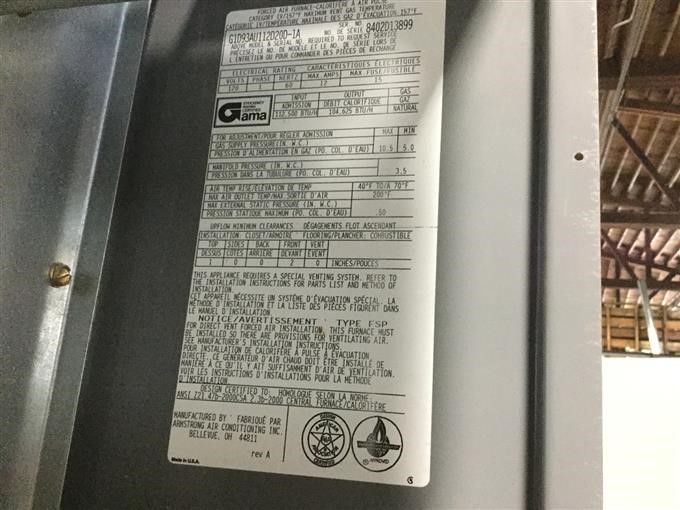
- Online from Armstrong Air (or a trusted HVAC vendor): Visit the Armstrong Air website (or a reputable HVAC parts distributor's website) and search for "Ultra V Tech 80 Furnace Manual." You'll likely need the model number of your specific unit. The model number is usually found on a sticker inside the furnace, near the blower motor.
Why is the manual important? It contains vital information including:
- Safety instructions: Guidance on operating the furnace safely and preventing hazards.
- Troubleshooting tips: Solutions for common furnace problems.
- Maintenance procedures: Instructions for regular cleaning and maintenance to prolong the life of your furnace.
- Wiring diagrams: Information useful for troubleshooting electrical issues (should only be used by qualified technicians).
- Parts list: A list of replacement parts with part numbers.
- Warranty information: Details about your furnace's warranty coverage.
Always refer to the manual before attempting any repairs or maintenance.
2. What are the typical maintenance tasks I should perform on my Ultra V Tech 80 Furnace?
Regular maintenance is crucial for keeping your Ultra V Tech 80 running efficiently and preventing breakdowns. Here's a list of common tasks:
- Air Filter Replacement: This is the most important task. Replace the air filter every 1-3 months, depending on the type of filter and air quality. A dirty air filter restricts airflow, causing the furnace to work harder, reducing efficiency, and potentially overheating.
- Visual Inspection: Regularly inspect the furnace for any signs of damage, such as rust, cracks, or loose wires. Look for soot or discoloration around the burners, which could indicate a problem with combustion.
- Cleaning the Blower Motor: Dust and debris can accumulate on the blower motor, reducing its efficiency. Clean the blower motor annually, following the instructions in your manual. (Note: Disconnect power before cleaning!)
- Checking the Flue Pipe: Ensure the flue pipe (the pipe that vents exhaust gases outside) is properly connected and free from obstructions. Blockages can cause dangerous carbon monoxide buildup.
- Cleaning the Burners: Over time, dust and debris can clog the burners, affecting their performance. Clean the burners annually, following the instructions in your manual. (Note: This task is best left to a qualified technician).
- Testing the Flame Sensor: The flame sensor detects the presence of a flame and shuts off the gas valve if no flame is detected. A faulty flame sensor can prevent the furnace from starting. This usually requires cleaning with a steel wool or emery cloth.
- Professional Inspection and Servicing: Schedule an annual inspection and servicing by a qualified HVAC technician. They can perform more in-depth checks, such as testing the gas pressure and carbon monoxide levels.
Never attempt any maintenance you're not comfortable with. When in doubt, call a qualified HVAC technician.
3. What are some common problems with the Ultra V Tech 80, and how can I troubleshoot them?
Here are some common problems homeowners may experience with the Ultra V Tech 80, along with possible troubleshooting steps:
- Furnace Not Turning On:
- Check the thermostat: Make sure the thermostat is set to "Heat" and the temperature is set high enough. Also, check the thermostat batteries if it is battery-powered.
- Check the circuit breaker: Ensure the circuit breaker for the furnace is not tripped. Reset it if necessary.
- Check the power switch: Make sure the furnace power switch (usually located on the side of the furnace) is turned on.
- Check the gas valve: Ensure the gas valve is open.
- Check the air filter: A severely clogged air filter can prevent the furnace from starting. Replace it.
- Pilot light (if applicable): If your furnace has a pilot light, make sure it's lit. If not, follow the instructions in the manual for relighting it. (Note: Most Ultra V Tech 80 furnaces use electronic ignition and do not have a pilot light).
- Furnace Turns On But Doesn't Blow Warm Air:
- Check the air filter: Again, a dirty air filter can restrict airflow and prevent the furnace from heating properly.
- Check the flame sensor: A dirty or faulty flame sensor can cause the furnace to shut down shortly after starting. Try cleaning it gently with steel wool.
- Check the gas valve: Ensure the gas valve is fully open.
- Check the vent: Make sure the vent is not blocked by snow, ice, or debris.
- Furnace is Noisy:
- Rattling: Could be loose panels or components. Tighten screws or secure loose parts.
- Squealing: Could be a dry blower motor bearing. Lubricate the bearing (refer to the manual for instructions and the correct type of lubricant).
- Banging: Could be caused by delayed ignition. This requires professional attention.
- Whistling: Often caused by a restricted air filter. Replace the filter.
- Frequent Cycling (Turning On and Off Repeatedly):
- Check the air filter: A dirty air filter can cause the furnace to overheat and cycle frequently.
- Check the thermostat: Make sure the thermostat is functioning correctly.
- Check for blocked vents: Ensure that supply and return vents are not blocked by furniture or other objects.
If you're uncomfortable troubleshooting any of these problems, or if the problem persists, contact a qualified HVAC technician. Ignoring problems can lead to more serious issues and costly repairs.
4. What does the error code displayed on my Ultra V Tech 80 mean, and how do I find this information?
Most Ultra V Tech 80 furnaces have a diagnostic system that displays error codes to indicate problems. These error codes are usually displayed on a small LED screen on the control board inside the furnace. It's crucial to know what these codes mean.
How to find the meaning of the error code:
- Consult the furnace manual: The Ultra V Tech 80 furnace manual will have a section listing all possible error codes and their corresponding meanings. This is the best and most reliable source of information.
- Check the sticker on the furnace door: Some furnaces have a sticker inside the access panel with a list of common error codes and their descriptions.
- Search online: You can search online for "Armstrong Air Ultra V Tech 80 error codes." Be sure to include your specific model number in the search query for more accurate results. However, always verify the information with the official manual.
- Contact an HVAC technician: If you're unable to find the meaning of the error code or you're unsure how to resolve the issue, contact a qualified HVAC technician. They have the expertise and tools to diagnose and repair furnace problems.
Example: An error code like "Limit Switch Open" might indicate that the furnace is overheating. It's important to understand what the code means so you can take appropriate action. Do not attempt to bypass safety limits. This is extremely dangerous.
Safety Tip: Always turn off the furnace before accessing the control board or any internal components.
5. What is the expected lifespan of an Armstrong Air Ultra V Tech 80 furnace, and what factors affect it?
The Armstrong Air Ultra V Tech 80 furnace, being an 80% efficiency model, typically has an expected lifespan of 15-20 years. However, this is just an average, and the actual lifespan can vary significantly depending on several factors:
- Maintenance: Regular maintenance, as described earlier, is the most critical factor affecting lifespan. Neglecting maintenance can significantly shorten the life of your furnace.
- Usage: Furnaces that are used frequently (e.g., in colder climates) will generally have a shorter lifespan than those used less often.
- Installation Quality: A properly installed furnace will operate more efficiently and last longer. Poor installation can lead to premature failures.
- Air Quality: Dusty or dirty air can clog the furnace components and reduce their efficiency, shortening the lifespan. Using high-quality air filters and replacing them regularly helps mitigate this.
- Gas Quality: Variations in gas quality can affect combustion and potentially damage the burners or other components.
- Climate: Extreme temperature fluctuations can put stress on the furnace components.
- Quality of Parts: The quality of the components used in the furnace can also affect its lifespan. Armstrong Air is generally known for using reliable parts, but wear and tear is inevitable.
Signs Your Furnace May Need Replacing:
- Age: If your furnace is 15-20 years old or older, it's likely nearing the end of its lifespan.
- Frequent Repairs: If you're constantly having to repair your furnace, it may be more cost-effective to replace it.
- Increased Energy Bills: A decrease in furnace efficiency can lead to higher energy bills.
- Strange Noises: Loud or unusual noises can indicate a major problem.
- Reduced Heating Performance: If your furnace is no longer heating your home as effectively as it used to, it may be time for a replacement.
- Rust or Corrosion: Visible rust or corrosion on the furnace components can indicate that it's nearing the end of its lifespan.
Consult with a qualified HVAC technician to assess the condition of your furnace and determine if replacement is necessary.
6. What type of air filter should I use for my Ultra V Tech 80, and how often should I replace it?
Choosing the right air filter for your Ultra V Tech 80 furnace is essential for both air quality and furnace performance. The recommended air filter size will be specified in your furnace manual. The size is usually printed on the side of the filter itself as well. Typical sizes are 16x25x1, 20x20x1, and 14x25x1 (inches). Also ensure the filter’s MERV rating matches the recommended rating by the manufacturer.
Types of Air Filters:
- Fiberglass Filters: These are the least expensive option, but they offer minimal filtration. They are primarily designed to protect the furnace from large particles.
- Pleated Filters: These filters offer better filtration than fiberglass filters and are effective at removing dust, pollen, and pet dander. They are a good balance of filtration and affordability.
- Electrostatic Filters: These filters use an electrostatic charge to attract particles. They offer good filtration and are reusable (but require cleaning).
- HEPA Filters: These are the most effective filters, capable of removing 99.97% of particles as small as 0.3 microns. However, they can restrict airflow and may not be suitable for all furnaces. Consult your furnace manual or an HVAC technician before using a HEPA filter.
MERV Rating: The MERV (Minimum Efficiency Reporting Value) rating indicates the filter's ability to capture particles. Higher MERV ratings mean better filtration. For residential use, a MERV rating of 8-12 is generally recommended. Using a filter with too high of a MERV rating can restrict airflow and damage your furnace.
Replacement Frequency:
- Fiberglass Filters: Replace every 30 days.
- Pleated Filters: Replace every 1-3 months.
- Electrostatic Filters: Clean every 1-3 months (follow the manufacturer's instructions).
Factors Affecting Replacement Frequency:
- Air Quality: If you live in an area with poor air quality or have pets, you may need to replace your air filter more frequently.
- Allergies: If you have allergies, you may want to use a higher-MERV filter and replace it more often.
- Usage: If you run your furnace frequently, you may need to replace the air filter more often.
Regularly check your air filter and replace it when it appears dirty. A clean air filter is essential for efficient furnace operation and good indoor air quality.
7. Does the Ultra V Tech 80 furnace have a pilot light, and if so, how do I relight it?
Most Armstrong Air Ultra V Tech 80 furnaces do not have a traditional pilot light. They typically use electronic ignition, which eliminates the need for a constantly burning pilot flame. This is more energy-efficient and safer.
However, some older models of the Ultra V Tech 80 might have a pilot light. Here's how to determine if you have one and how to relight it (if applicable):
- Look for a Pilot Light Access Panel: Check the front of your furnace for a small access panel labeled "Pilot Light" or something similar. If you see one, your furnace likely has a pilot light.
- Follow the Instructions on the Furnace: There should be instructions printed near the pilot light access panel on how to relight the pilot. Always follow these instructions carefully.
- General Steps for Relighting a Pilot Light (If Applicable):
- Turn off the gas: Locate the gas valve on the gas supply line near the furnace. Turn the valve to the "OFF" position. Wait at least five minutes to allow any accumulated gas to dissipate.
- Locate the pilot light assembly: Remove the pilot light access panel. You should see a small tube leading to the pilot light assembly.
- Press and hold the pilot button: Locate the pilot button (usually red or black) and press and hold it down. This releases gas to the pilot light.
- Light the pilot: While holding the pilot button, use a long-handled lighter or match to ignite the pilot light.
- Continue holding the pilot button: Continue holding the pilot button for about 30-60 seconds after the pilot light is lit. This allows the thermocouple (a safety device) to heat up and keep the gas valve open.
- Release the pilot button: After 30-60 seconds, slowly release the pilot button. If the pilot light stays lit, you're done.
- Turn the gas valve back on: Turn the gas valve back to the "ON" position.
- Replace the pilot light access panel: Secure the access panel.
If the pilot light does not stay lit, or if you smell gas at any time, turn off the gas valve immediately and contact a qualified HVAC technician. Do not attempt to relight the pilot light if you smell gas.
If your furnace has electronic ignition and isn't starting, troubleshoot other potential causes first (e.g., thermostat, circuit breaker, air filter).