Armstrong Furnace Model Numbers
Imagine this: it's a frigid winter evening, and your Armstrong furnace, usually a reliable source of warmth, suddenly stops blowing hot air. Instead, you're met with cold air, or worse, nothing at all. This is a common household frustration, and before you panic and call a professional, there are a few troubleshooting steps you can safely take.
Understanding Your Armstrong Furnace Model Number
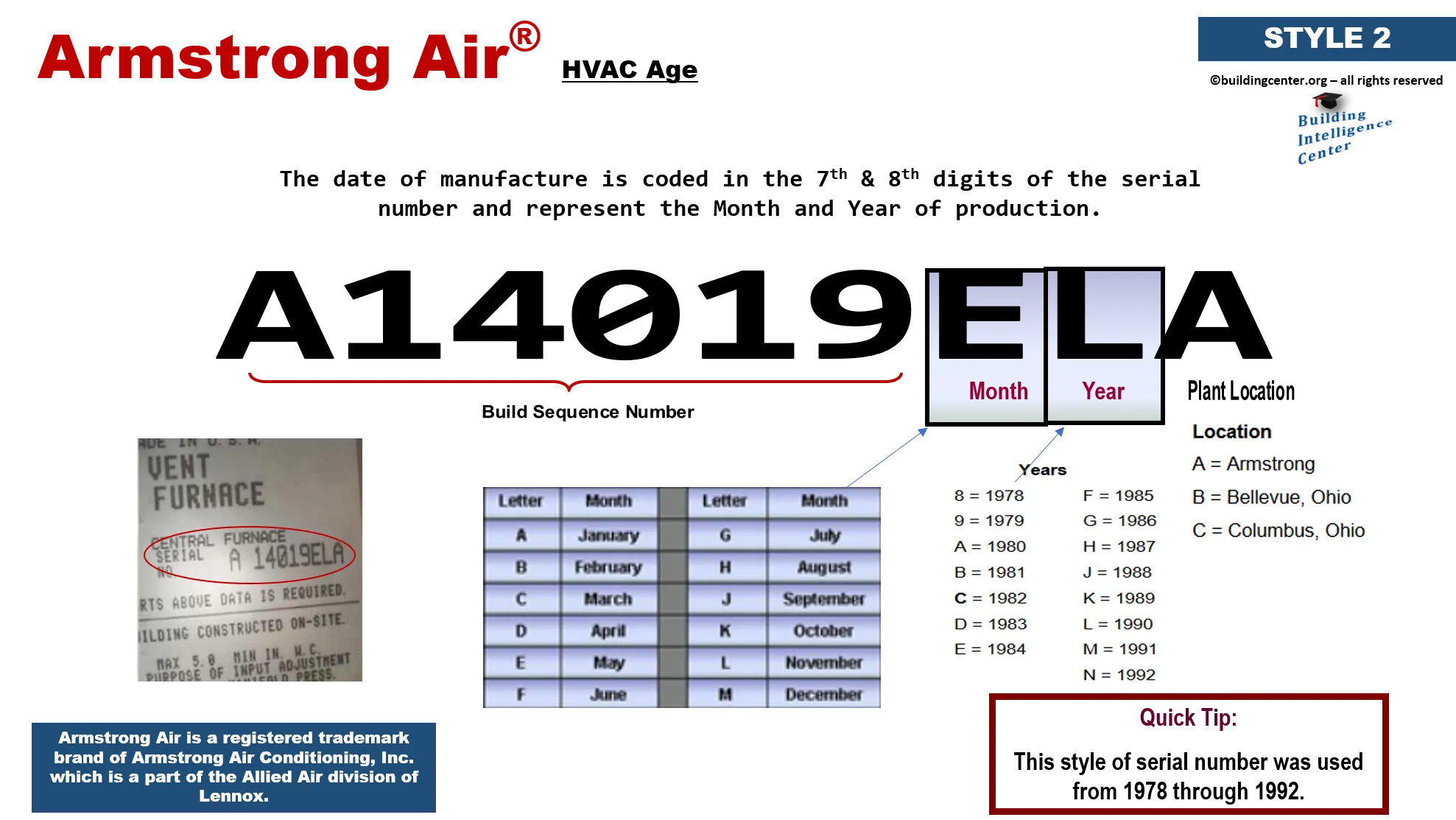
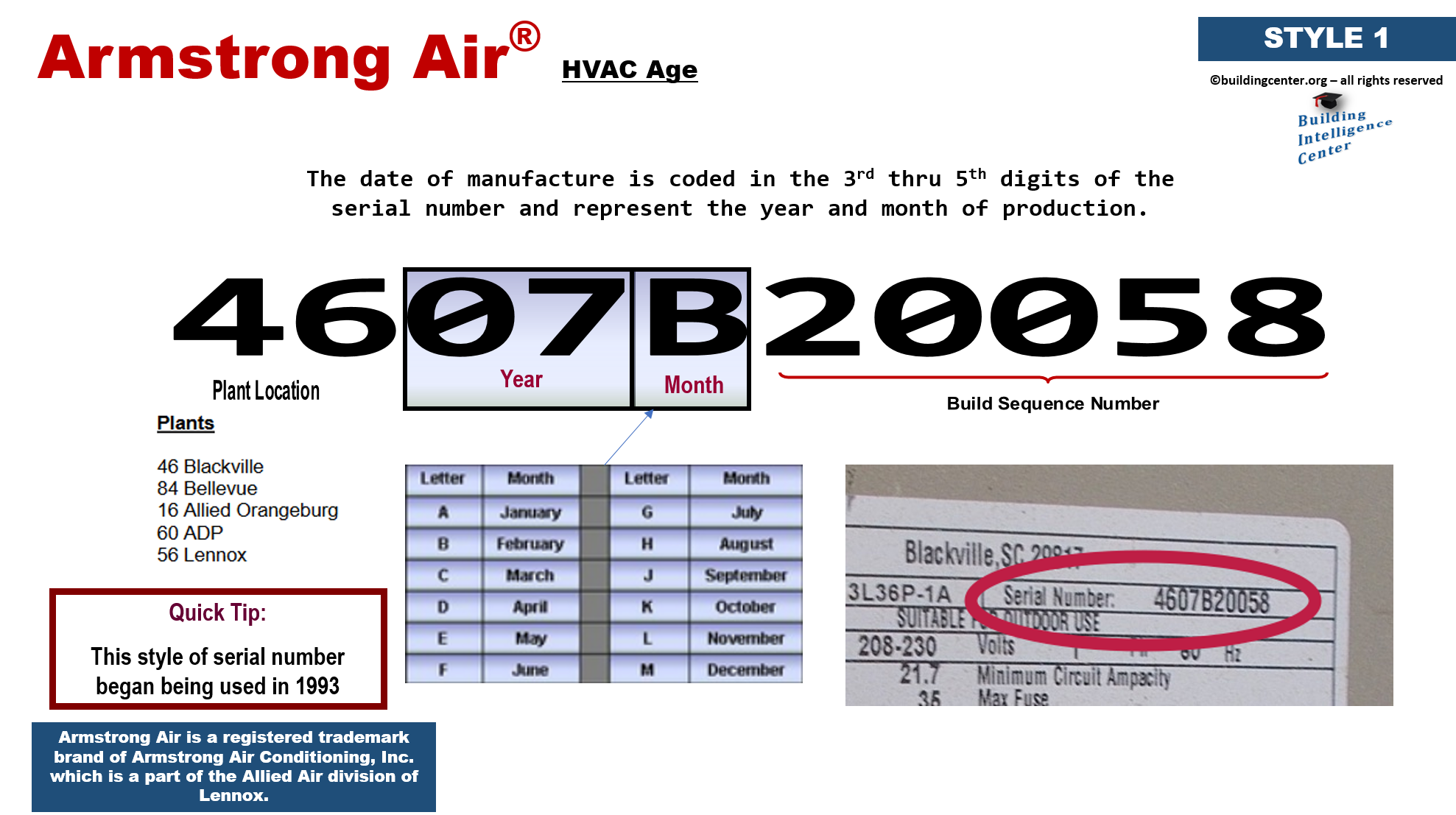
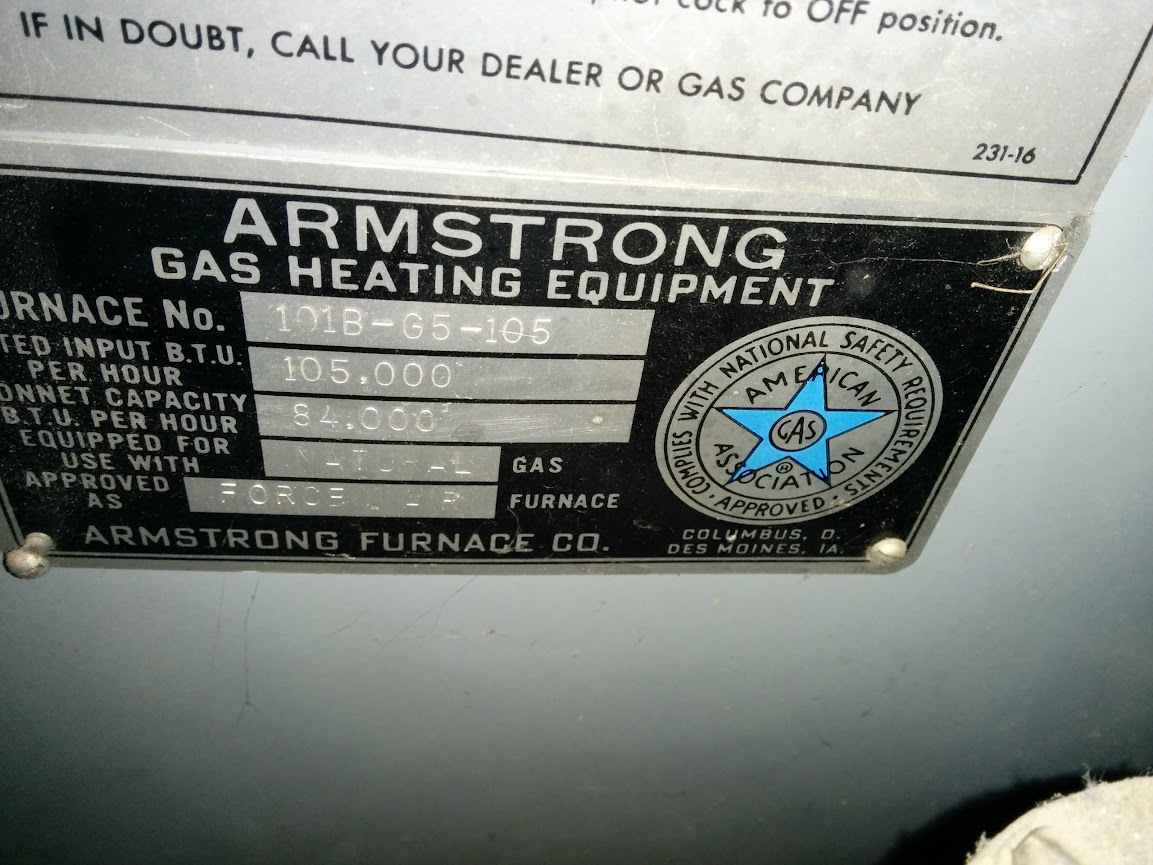
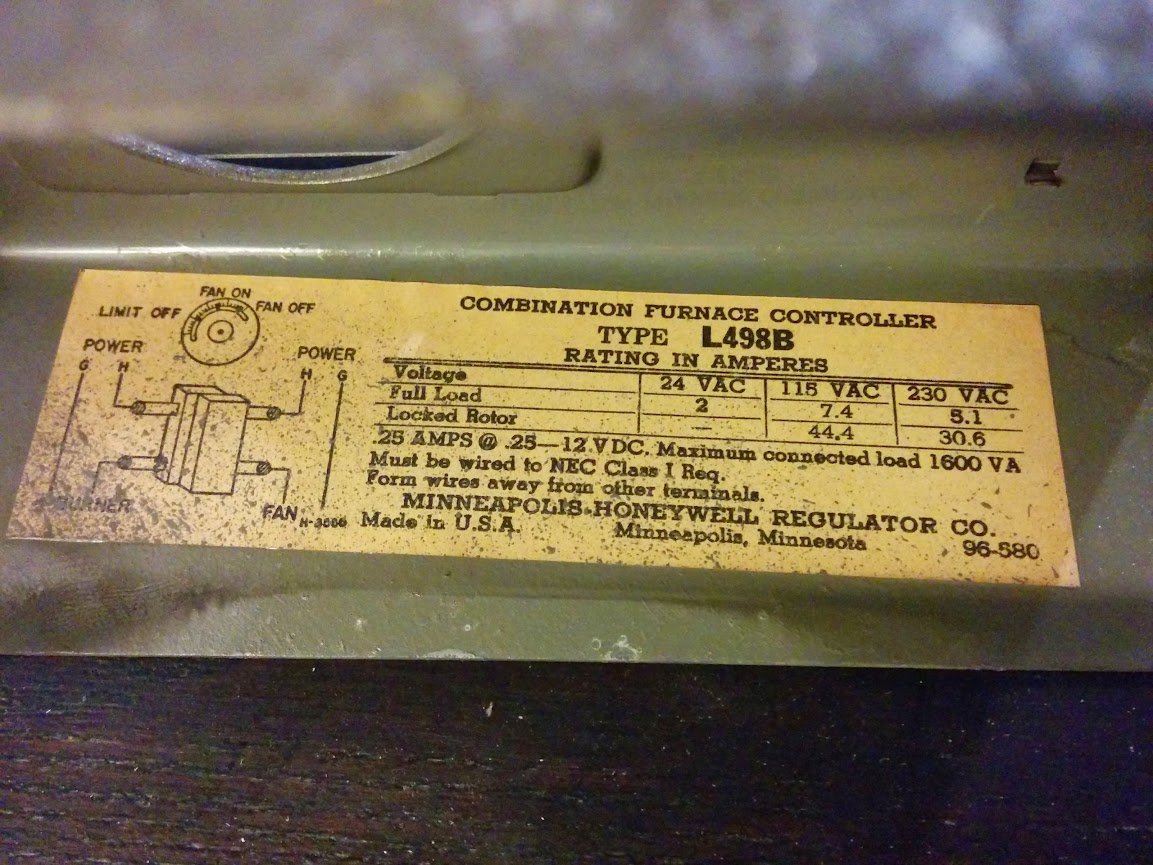
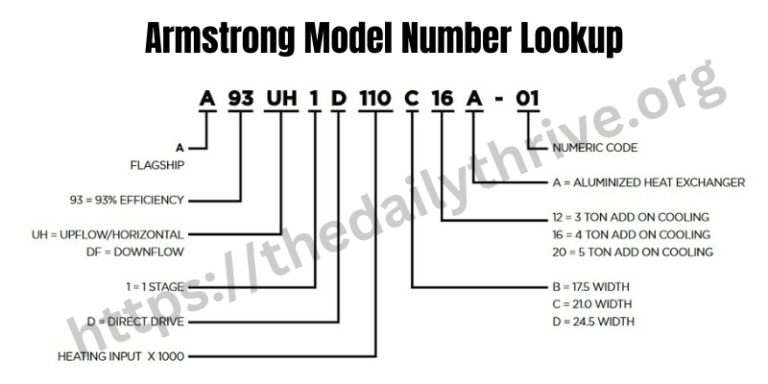
Before diving into troubleshooting, it's helpful to understand your furnace model number. This number contains crucial information about your furnace's specifications and can be found on a sticker typically located inside the furnace compartment. The model number helps identify the furnace's type, BTU rating, and even the year it was manufactured. Keep this number handy when searching for replacement parts or consulting with a technician. Knowing the model number ensures you get the correct information and assistance.
Step-by-Step Troubleshooting Guide
Here's a logical, step-by-step guide to help you diagnose and potentially fix common Armstrong furnace problems. Safety first! Before starting any troubleshooting, turn off the power to the furnace at the breaker box.
1. Check the Thermostat
This might seem obvious, but it's the most common culprit. Start with the simplest solutions.
- Is the thermostat set to "Heat"? Make sure it's not accidentally set to "Cool" or "Off."
- Is the temperature set high enough? Raise the target temperature a few degrees above the current room temperature.
- Are the batteries in the thermostat fresh? A low battery can cause the thermostat to malfunction. Replace them if necessary.
2. Inspect the Air Filter
A clogged air filter is a very common cause of furnace problems. It restricts airflow, causing the furnace to overheat and potentially shut down. A dirty filter also impacts air quality.
- Locate the air filter. It's usually in a slot near the furnace blower.
- Remove the filter and inspect it. If it's visibly dirty, replace it with a new filter of the correct size. Refer to your furnace manual (or the side of the old filter) for the correct size.
- Don't run the furnace without a filter. This can damage the furnace components.
3. Examine the Circuit Breaker
A tripped circuit breaker is another simple fix. Again, always turn off the power to the furnace *before* you check the breaker box.
- Locate your electrical panel.
- Find the breaker labeled "Furnace" or "HVAC." If it's tripped (in the "Off" or middle position), flip it all the way to the "Off" position and then back to the "On" position.
- If the breaker trips again immediately, don't keep resetting it. This indicates a more serious electrical problem that requires professional attention.
4. Check the Furnace Power Switch
Many furnaces have a separate power switch located on the unit itself, often resembling a light switch. Make sure it's in the "On" position.
5. Inspect the Pilot Light (for older furnaces)
If you have an older furnace with a pilot light, it might have gone out. If you smell gas, immediately evacuate the area and call your gas company. Do not attempt to relight the pilot light if you smell gas!
- Locate the pilot light assembly. It's usually near the gas valve.
- Follow the manufacturer's instructions for relighting the pilot light. These instructions are typically printed on a sticker near the pilot light assembly. Be very careful when relighting the pilot light.
- If the pilot light repeatedly goes out, there may be a problem with the gas valve or thermocouple. This requires professional service.
6. Check the Flame Sensor (for newer furnaces)
Newer furnaces use a flame sensor to detect the presence of a flame. If the flame sensor is dirty, it can prevent the furnace from staying lit.
- Locate the flame sensor. It's typically a small metal rod located near the burner.
- Turn off the gas supply to the furnace.
- Carefully remove the flame sensor. Use a wrench or screwdriver as needed.
- Clean the flame sensor with fine steel wool or sandpaper. Be gentle to avoid damaging it.
- Reinstall the flame sensor and turn the gas supply back on.
7. Examine the Blower Motor
If the furnace ignites but no air is blowing, the blower motor may be the problem.
- Listen carefully to the blower motor. Does it sound like it's running? If not, it could be a motor issue.
- Check the blower motor capacitor. This is a small, cylindrical component located near the motor. If it's bulging or leaking, it needs to be replaced by a professional. Capacitors can hold a charge even after the power is turned off, so avoid touching the terminals.
DIY Fixes You Can Attempt
The following fixes are generally safe for homeowners to attempt:
- Replacing the air filter.
- Resetting the circuit breaker.
- Replacing thermostat batteries.
- Cleaning the flame sensor.
When to Call a Professional
Certain furnace problems require the expertise of a qualified HVAC technician. Never attempt repairs beyond your comfort level or if you are unsure of what you are doing.
Call a professional if:
- You smell gas. Evacuate the area immediately and call your gas company.
- The circuit breaker trips repeatedly. This indicates an electrical problem.
- You suspect a problem with the gas valve.
- The blower motor capacitor is bulging or leaking.
- You have difficulty relighting the pilot light (for older furnaces).
- The furnace makes unusual noises.
- You are uncomfortable working with electricity or gas.
- You suspect a problem with the heat exchanger. A cracked heat exchanger is a serious safety hazard and can leak carbon monoxide.
Safety Precautions
Your safety is paramount. Always adhere to the following safety precautions when troubleshooting your furnace:
- Turn off the power to the furnace at the breaker box before starting any work.
- Never work on the furnace if you smell gas.
- Do not tamper with the gas valve or other gas-related components.
- Wear appropriate safety gear, such as gloves and eye protection.
- If you are unsure about any step, consult a qualified HVAC technician.
- Carbon monoxide is a silent killer. Have a working carbon monoxide detector in your home, especially near sleeping areas.
Preventative Maintenance
The best way to avoid furnace problems is to perform regular preventative maintenance. This includes:
- Replacing the air filter regularly (every 1-3 months).
- Having your furnace inspected and cleaned annually by a qualified HVAC technician.
- Keeping the area around the furnace clear of debris.
Understanding Common Armstrong Furnace Components
Familiarizing yourself with the basic components of your Armstrong furnace can help you better understand how it works and diagnose potential problems.
- Burners: These are the components that ignite the gas and produce the flame.
- Heat Exchanger: This is a series of metal tubes that transfer heat from the combustion process to the air that circulates through your home.
- Blower Motor: This motor powers the fan that circulates air through the furnace and your home.
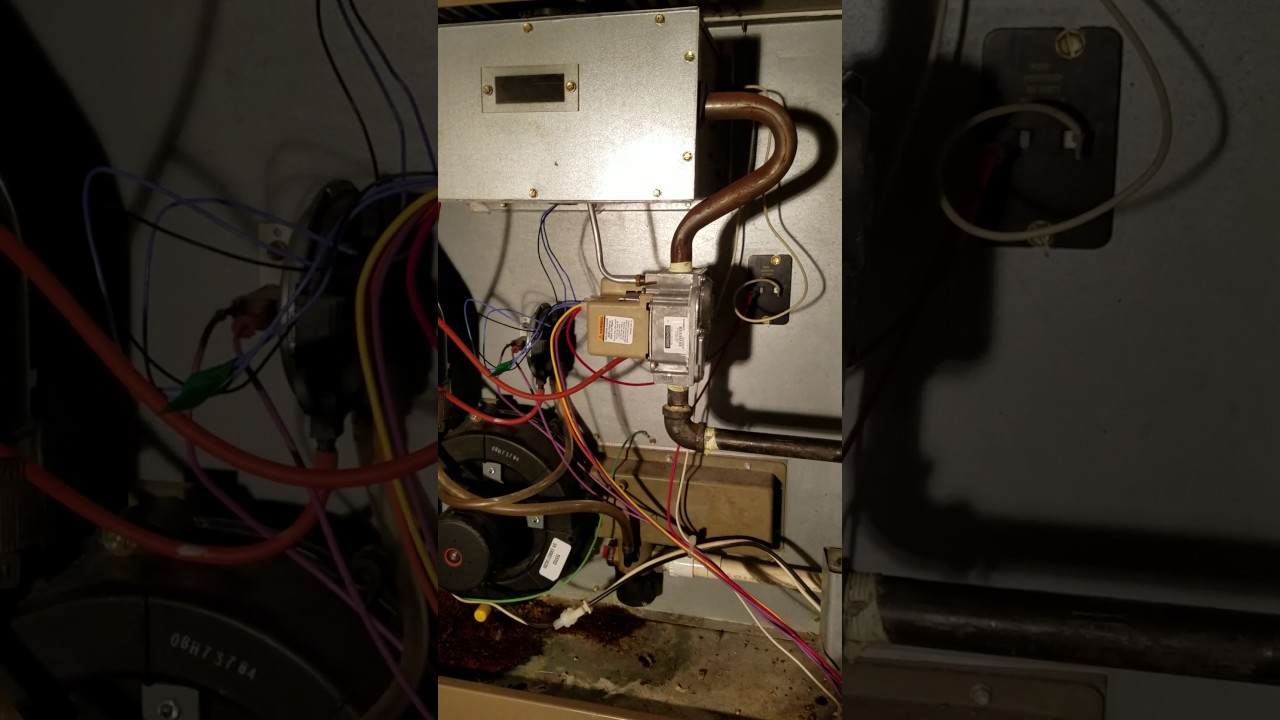
- Gas Valve: This valve controls the flow of gas to the burners.
- Flame Sensor: This sensor detects the presence of a flame and ensures that the gas valve stays open.
- Ignition System: This system ignites the gas in the burners. Older furnaces use a pilot light, while newer furnaces use an electronic igniter.
- Control Board: This is the brain of the furnace, controlling the various components and ensuring that they operate correctly.
Troubleshooting Specific Armstrong Furnace Model Issues
While this guide provides general troubleshooting steps, specific Armstrong furnace models may have unique issues. Refer to your furnace's owner's manual for model-specific troubleshooting information. Online forums and HVAC communities can also provide valuable insights into common problems and solutions for your particular model. Always verify information from online sources with your owner's manual or a qualified technician.
By following these steps and exercising caution, you can often resolve minor furnace problems yourself, saving you time and money. However, remember that safety is always the priority. If you are ever unsure about a repair, call a qualified HVAC technician.