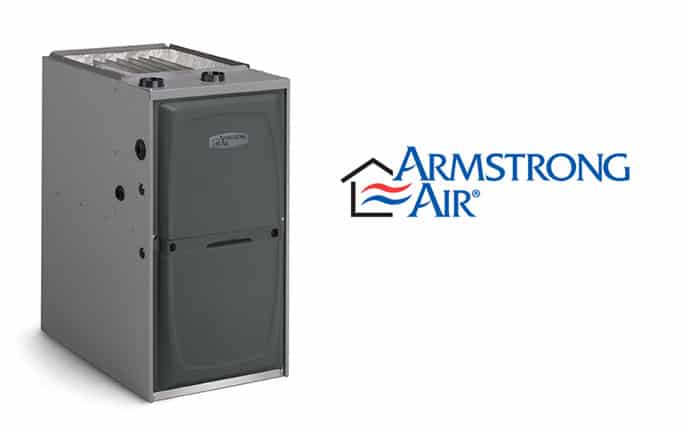
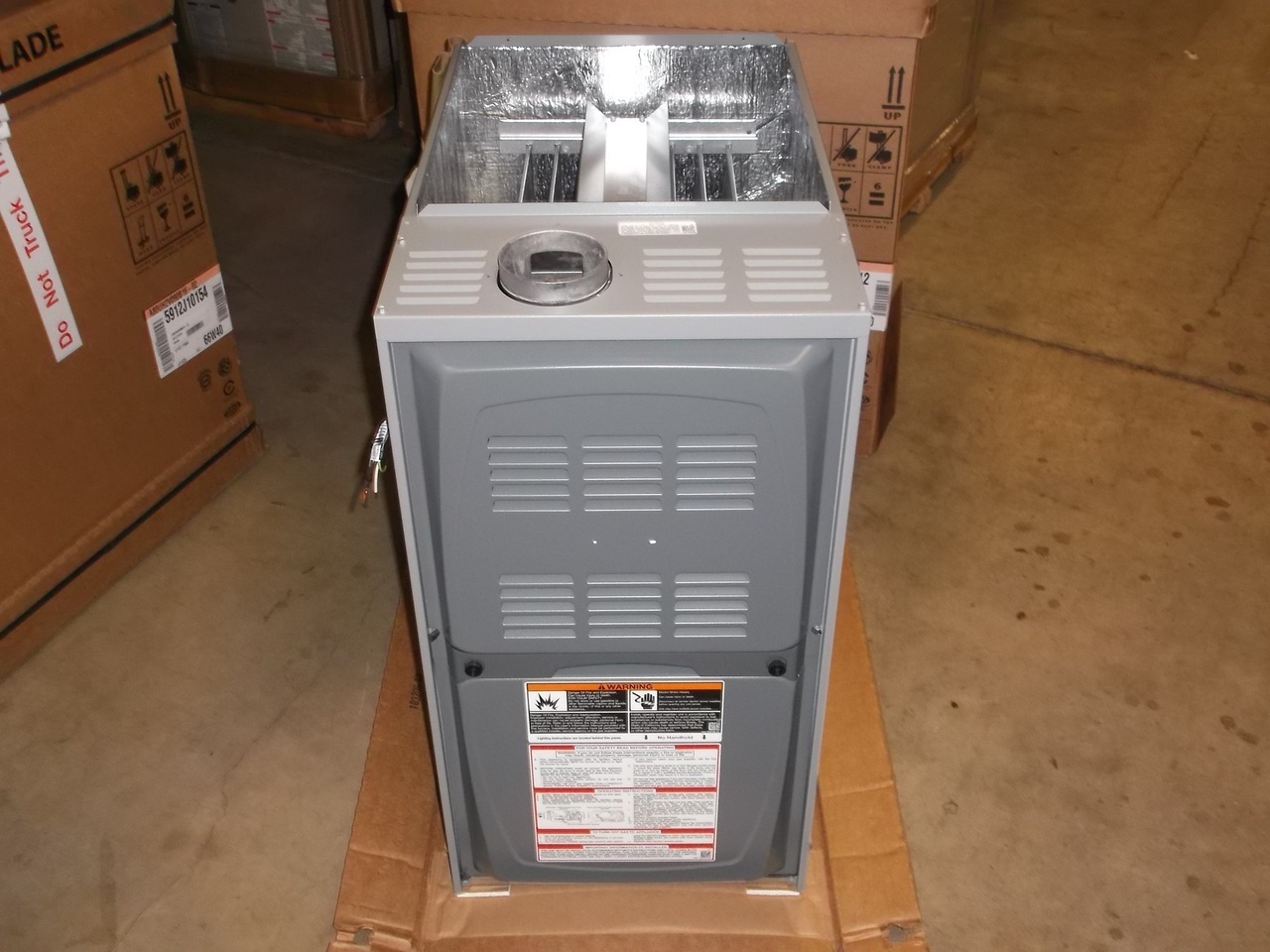
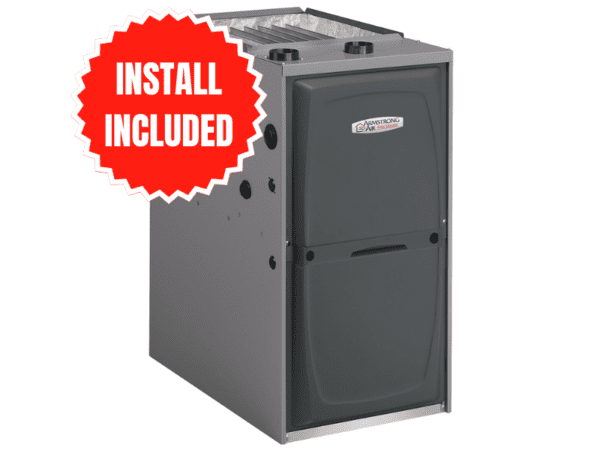
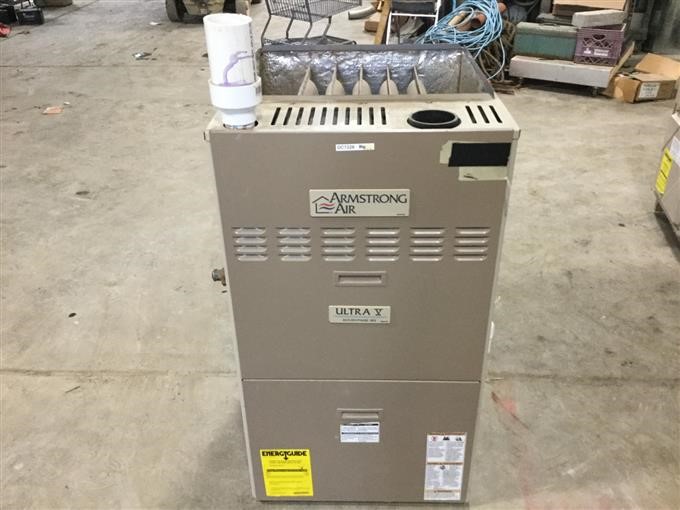
Armstrong Furnace Models
Armstrong Furnace Models: A Comprehensive Guide for Homeowners, Technicians, and Facility Managers
Armstrong Air has been a recognizable name in the residential and commercial HVAC industry for decades. Known for their reliable and efficient furnaces, Armstrong offers a range of models to suit various heating needs and budgets. This article provides a detailed overview of Armstrong furnace models, focusing on features, performance, efficiency, and suitability for different applications.
Understanding Furnace Basics
Before diving into specific models, let's cover some fundamental aspects of furnaces. A furnace's primary function is to heat air and distribute it throughout a building using a system of ducts. Furnaces typically run on natural gas, propane, or electricity. The Annual Fuel Utilization Efficiency (AFUE) rating measures how efficiently a furnace converts fuel into usable heat. A higher AFUE rating indicates greater efficiency and lower energy bills. Furnaces can be single-stage, two-stage, or modulating, affecting their operational precision and energy savings.
Single-stage furnaces operate at only one heat output level – full blast. They are the least expensive option but can lead to temperature swings and wasted energy. Two-stage furnaces have two heat output levels (high and low), providing more consistent heating and improved efficiency. Modulating furnaces offer the highest level of control, adjusting their heat output in small increments based on the building's heating demand, resulting in optimal comfort and energy savings. Variable-speed blowers are also common in modern furnaces, contributing to consistent airflow and improved comfort.
Armstrong Furnace Model Series Overview
Armstrong Air categorizes its furnaces into different series, each offering a range of models with varying features and performance levels. Key series include the A97MV, A962V, A802E, and A801E models. Let's explore these series in detail.
Armstrong A97MV Series
The A97MV series represents Armstrong's top-of-the-line furnace models, boasting the highest efficiency and most advanced features. These furnaces are designed for homeowners who prioritize maximum comfort, energy savings, and quiet operation.
- Key Features: This series features a modulating gas valve, allowing for precise temperature control and exceptional energy efficiency. The A97MV often reaches up to 97% AFUE. It also includes a variable-speed blower motor for consistent airflow and quiet operation. Many models also feature advanced diagnostics for easy troubleshooting and maintenance. Comfort Sync™ thermostat compatibility allows for advanced control and energy management.
- Performance: The modulating gas valve ensures consistent heating, eliminating temperature swings and maximizing comfort. The variable-speed blower motor further enhances comfort by providing gentle, even airflow. The high AFUE rating translates to significant energy savings over the lifespan of the furnace.
- Suitability: Ideal for homeowners seeking maximum comfort, energy efficiency, and advanced features. Suitable for larger homes or those with inconsistent heating needs. The upfront cost is higher, but the long-term energy savings can offset the initial investment.
Armstrong A962V Series
The A962V series provides a balance of efficiency, performance, and affordability. These furnaces offer many of the features found in the higher-end models but at a slightly lower price point.
- Key Features: This series typically features a two-stage gas valve, providing more consistent heating than single-stage models. The A962V often achieves up to 96% AFUE. Many models also include a variable-speed blower motor for improved comfort and energy efficiency.
- Performance: The two-stage gas valve provides more consistent heating than single-stage models, reducing temperature swings and improving comfort. The variable-speed blower motor further enhances comfort by providing gentle, even airflow.
- Suitability: Suitable for homeowners seeking a balance of efficiency, performance, and affordability. A good option for homes of various sizes and climates.
Armstrong A802E Series
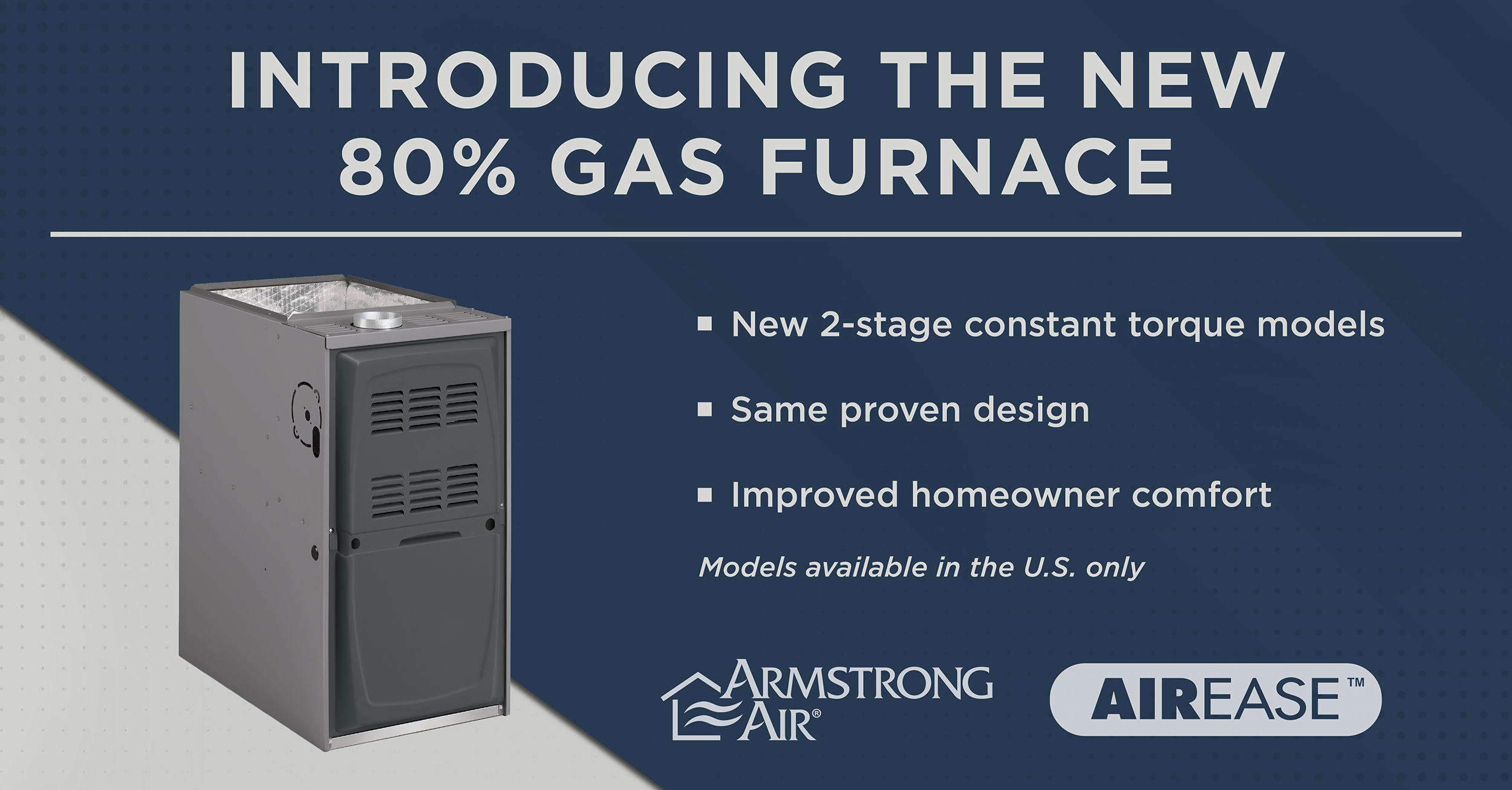
The A802E series represents Armstrong's mid-range furnace models, offering a good balance of efficiency and affordability. These furnaces are a popular choice for homeowners seeking a reliable and cost-effective heating solution.
- Key Features: This series features a two-stage gas valve and typically achieves up to 80% AFUE. Many models include an ECM blower motor for improved efficiency.
- Performance: The two-stage operation provides more consistent heating compared to single-stage models. While the AFUE rating is lower than the A97MV and A962V series, it still offers good efficiency for the price.
- Suitability: Suitable for homeowners seeking a cost-effective and reliable heating solution. A good option for smaller homes or those in milder climates.
Armstrong A801E Series
The A801E series is Armstrong's entry-level furnace models, offering the most affordable option for basic heating needs. These furnaces are simple, reliable, and easy to maintain.
- Key Features: This series features a single-stage gas valve and typically achieves up to 80% AFUE. A basic blower motor is standard.
- Performance: The single-stage operation provides basic heating but can result in temperature swings and less efficient energy use. The lower AFUE rating translates to higher energy bills compared to higher-end models.
- Suitability: Suitable for homeowners on a tight budget or those in milder climates where heating demands are minimal. A good option for rental properties or small apartments.
Considerations for HVAC Technicians and Installers
When installing or servicing Armstrong furnaces, technicians should be familiar with the specific features and requirements of each model series. Proper installation is crucial for optimal performance and longevity. Key considerations include:
- Gas Line Sizing: Ensure the gas line is properly sized to meet the furnace's BTU requirements.
- Ductwork: Inspect and seal ductwork to prevent air leaks and ensure proper airflow.
- Electrical Connections: Verify all electrical connections are secure and properly grounded.
- Venting: Ensure proper venting to prevent carbon monoxide buildup. Follow manufacturer's instructions for venting materials and installation.
- Commissioning: Properly commission the furnace after installation, including setting the gas pressure, adjusting the blower speed, and verifying proper operation of all components.
Considerations for Facility Managers
Facility managers responsible for maintaining large buildings should consider the long-term cost of ownership when selecting Armstrong furnaces. While the initial cost of higher-efficiency models may be higher, the long-term energy savings can significantly reduce operating expenses. Other considerations include:
- Load Calculation: Perform a thorough load calculation to determine the appropriate furnace size for each zone or area of the building.
- Maintenance: Implement a regular maintenance schedule to ensure optimal performance and prevent breakdowns. This includes cleaning the burners, inspecting the heat exchanger, and replacing the air filter regularly.
- Zoning: Consider using zoning systems to control the temperature in different areas of the building, improving comfort and energy efficiency.
- Building Automation Systems (BAS): Integrate the HVAC system with the building's BAS for centralized control and monitoring.
Cost, Efficiency, and Lifespan Comparison
The following table provides a general comparison of Armstrong furnace models in terms of cost, efficiency, and lifespan. These are estimates and may vary depending on location, installation costs, and usage.
| Model Series | Typical AFUE | Approximate Cost (Installed) | Estimated Lifespan |
|---|---|---|---|
| A97MV | Up to 97% | $5,000 - $8,000 | 15-20 years |
| A962V | Up to 96% | $4,000 - $7,000 | 15-20 years |
| A802E | Up to 80% | $3,000 - $5,000 | 15-20 years |
| A801E | Up to 80% | $2,500 - $4,000 | 15-20 years |
Note: Costs are estimates and include both equipment and installation. Lifespan can vary based on maintenance and operating conditions.
Conclusion
Armstrong Air offers a diverse range of furnace models to meet the heating needs of homeowners, technicians, and facility managers. By understanding the features, performance, and efficiency of each model series, you can make an informed decision about which furnace is best suited for your specific application. Remember to consider factors such as budget, climate, heating demands, and long-term cost of ownership when selecting a furnace. Regular maintenance is key to ensuring optimal performance and extending the lifespan of your Armstrong furnace.