Ashrae Recommended Air Changes Per Hour
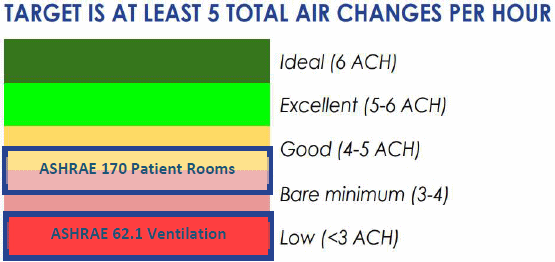
Understanding ASHRAE Air Change Rates: A Guide to Energy Efficiency and Savings
Are you looking to improve your home's or business's air quality, lower energy bills, and create a healthier indoor environment? Understanding ASHRAE (American Society of Heating, Refrigerating and Air-Conditioning Engineers) recommended Air Changes Per Hour (ACH) is a critical first step. ACH refers to the number of times the air in a specific space is completely replaced with fresh or filtered air in one hour. This article will break down ACH recommendations, explain how they impact energy consumption, and offer practical tips for optimizing air change rates for maximum savings.
What is Air Changes Per Hour (ACH)?
Essentially, ACH measures how quickly your HVAC system ventilates a room or building. A higher ACH value means more frequent air replacement, which can improve indoor air quality by removing pollutants, allergens, and odors. However, it also means your HVAC system has to work harder to heat or cool the incoming air, potentially increasing energy consumption.
The ideal ACH varies widely depending on the space's purpose, occupancy levels, and the presence of potential contaminants. For example, a hospital operating room will require a significantly higher ACH than a residential bedroom. Understanding these nuances is key to balancing air quality and energy efficiency.
ASHRAE Standards and ACH Recommendations
ASHRAE sets industry-standard guidelines for ventilation in various building types. These recommendations are based on extensive research and aim to balance air quality, comfort, and energy use. While ASHRAE standards are not legally binding in all jurisdictions, they are widely recognized as best practices and often incorporated into building codes.
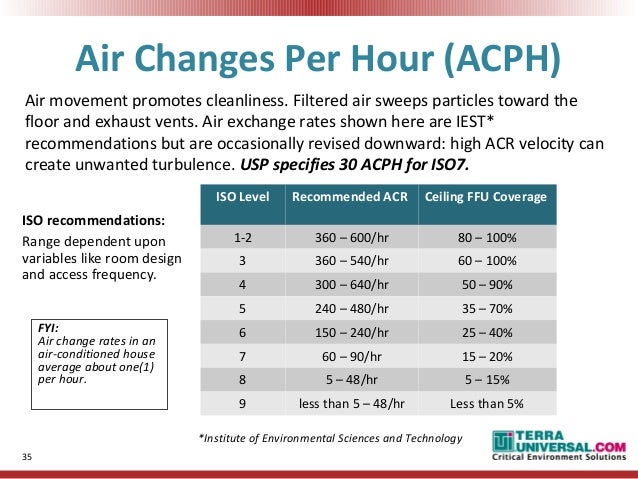
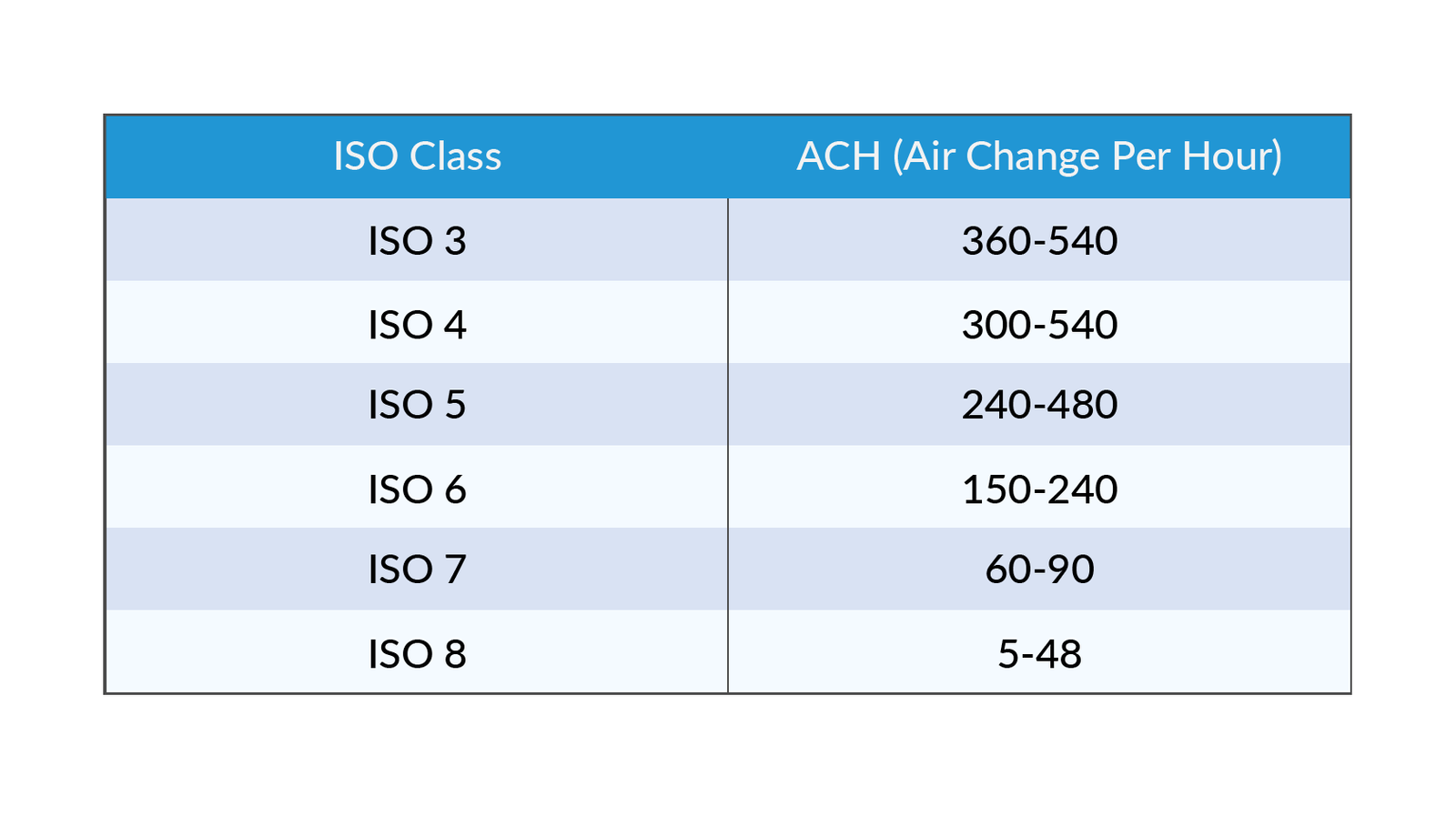
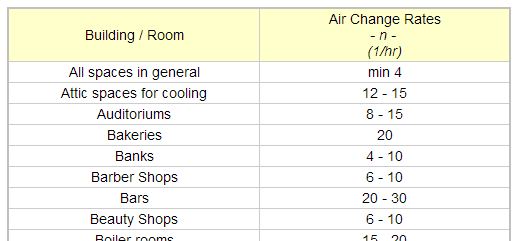
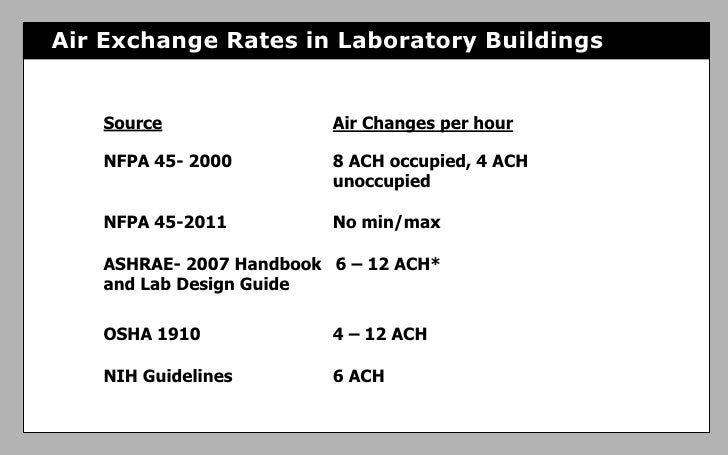
Here are some common ASHRAE recommended ACH values for different spaces:
- Residential Buildings: 0.35 ACH or 15 cubic feet per minute (CFM) per person, whichever is greater. This ensures adequate ventilation for removing indoor pollutants like carbon dioxide and volatile organic compounds (VOCs).
- Offices: Typically between 0.6 and 0.8 ACH. This range balances the need for fresh air with energy conservation in a space with moderate occupancy.
- Retail Stores: 0.5 to 1.0 ACH, depending on the type of merchandise and customer traffic. Areas with higher foot traffic require increased ventilation.
- Restaurants: 6 to 12 ACH in kitchen areas to remove smoke, grease, and odors. Dining areas typically require 4 to 8 ACH.
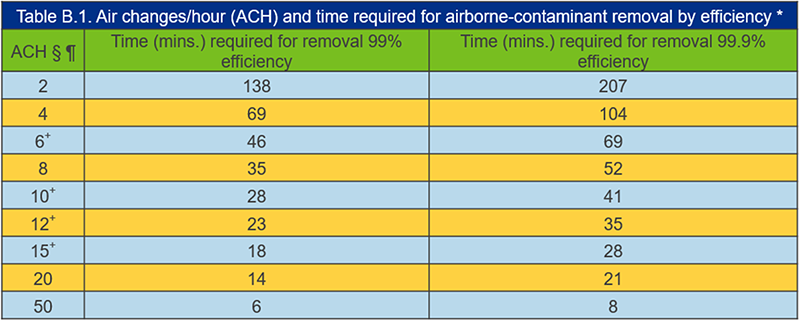
- Hospitals: ACH values vary significantly depending on the specific area. Operating rooms may require 15-20 ACH with HEPA filtration to maintain sterile conditions, while patient rooms may need 2-4 ACH.
It's crucial to consult the latest ASHRAE standards (specifically ASHRAE Standard 62.1 for ventilation for acceptable indoor air quality and ASHRAE Standard 62.2 for ventilation and acceptable indoor air quality in low-rise residential buildings) for the most up-to-date and detailed recommendations for your specific application.
The Energy Impact of ACH
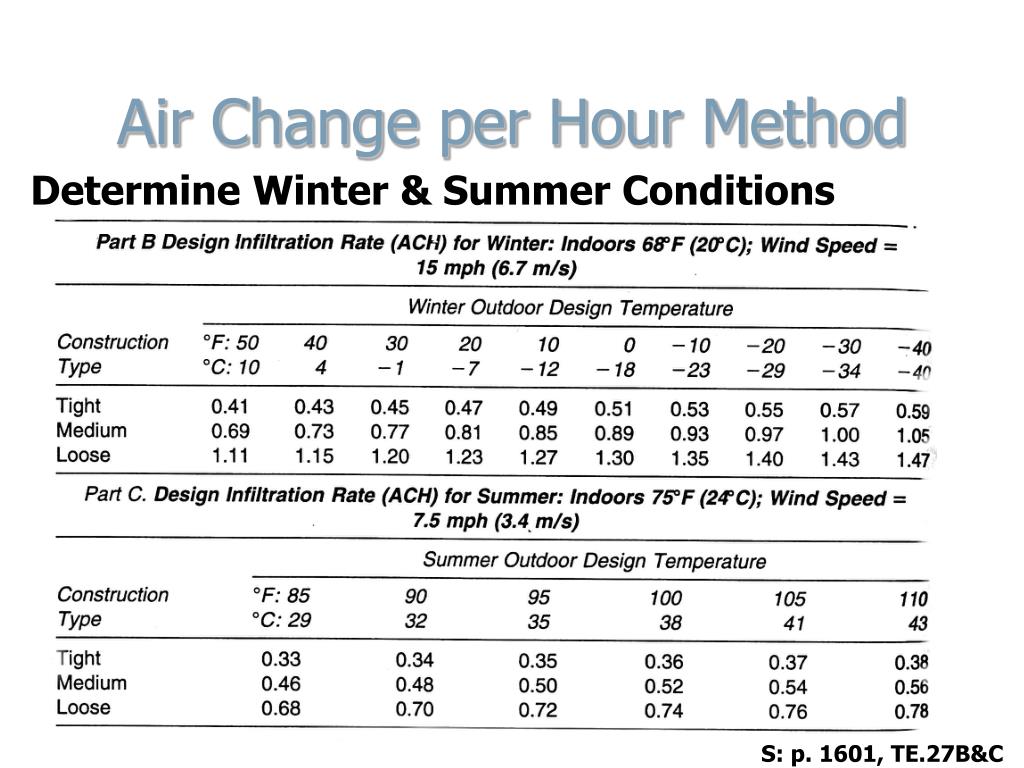
Increasing ACH directly impacts your energy bills. The more air your HVAC system needs to condition, the more energy it consumes. This is because the system must heat or cool the incoming air to maintain the desired temperature. In colder climates, increasing ACH means more heated air is exhausted, requiring the furnace to work harder. Similarly, in warmer climates, more cooled air is lost, increasing the workload for the air conditioner.
For example, consider a 1,500 square foot home with 8-foot ceilings, resulting in a volume of 12,000 cubic feet. If the ACH is increased from 0.5 to 1.0, the HVAC system needs to condition an additional 6,000 cubic feet of air per hour. This translates to a significant increase in energy consumption, especially during peak heating or cooling seasons.
"Finding the optimal ACH is about striking a balance. You need sufficient ventilation to maintain healthy indoor air quality, but excessive ventilation can lead to significant energy waste."
Strategies for Optimizing ACH and Saving Energy
Fortunately, there are several strategies to optimize ACH without sacrificing indoor air quality, leading to substantial energy savings:
- Demand-Controlled Ventilation (DCV): DCV systems use sensors to monitor occupancy levels, carbon dioxide concentration, and other air quality parameters. They automatically adjust ventilation rates based on real-time needs, reducing energy waste during periods of low occupancy. This is particularly effective in commercial buildings with fluctuating occupancy patterns.
- Energy Recovery Ventilation (ERV): ERV systems transfer heat and humidity between incoming and outgoing air streams. This pre-conditions the incoming air, reducing the load on the HVAC system. ERVs are highly effective in climates with significant temperature or humidity differences between indoor and outdoor air.
- Heat Recovery Ventilation (HRV): Similar to ERV, HRV systems primarily focus on heat transfer. They recover heat from outgoing air during the heating season and coolth during the cooling season, significantly reducing energy consumption.
- Improved Building Sealing: Air leakage through cracks, gaps, and poorly sealed windows and doors can significantly increase the required ACH. Sealing these leaks reduces the amount of uncontrolled air infiltration, minimizing the need for mechanical ventilation and saving energy. Conduct an energy audit to identify areas of air leakage.
- High-Efficiency HVAC Systems: Upgrading to a high-efficiency furnace or air conditioner can significantly reduce energy consumption, even with higher ACH values. Look for ENERGY STAR certified models with high Seasonal Energy Efficiency Ratio (SEER) and Heating Seasonal Performance Factor (HSPF) ratings.
- Smart Thermostats and Sensors: Smart thermostats can be programmed to adjust ventilation rates based on occupancy schedules and outdoor air conditions. Integrating air quality sensors allows for real-time monitoring and adjustments, ensuring optimal air quality and energy efficiency.
- Regular HVAC Maintenance: A properly maintained HVAC system operates more efficiently and effectively. Regular filter changes, coil cleaning, and ductwork inspections are essential for maintaining optimal performance and minimizing energy waste.
Calculating Your Home's ACH
While professional assessment is recommended, you can estimate your home's current ACH using the following formula:
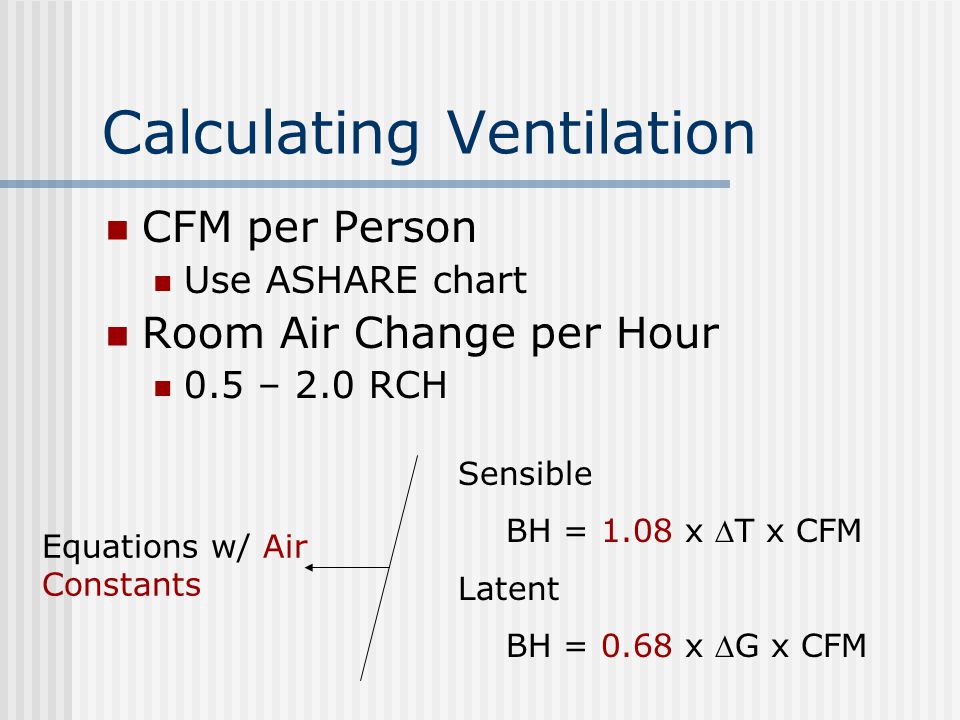
ACH = (CFM x 60) / Volume
Where:
- CFM = Airflow rate of your HVAC system in cubic feet per minute. This information can be found on your HVAC system's specifications.
- 60 = Minutes per hour.
- Volume = The volume of the space in cubic feet (length x width x height).
This calculation provides a rough estimate. Factors like air leakage and the effectiveness of your HVAC system can affect the actual ACH. For accurate assessment, consult an HVAC professional.
Government Rebates and Incentives
Many government agencies and utility companies offer rebates and incentives for energy-efficient HVAC upgrades and building improvements. These programs can significantly reduce the upfront cost of implementing energy-saving measures like installing ERV/HRV systems, upgrading to high-efficiency HVAC equipment, and improving building sealing. Check with your local utility company and state energy office for available programs.
The ROI of Optimizing ACH
Investing in strategies to optimize ACH offers a compelling return on investment (ROI). Reduced energy consumption translates to lower utility bills, while improved indoor air quality creates a healthier and more comfortable environment. Furthermore, government rebates and incentives can significantly offset the upfront costs, making these investments even more attractive.
For businesses, optimizing ACH can also improve employee productivity and reduce absenteeism. A healthier indoor environment can lead to happier and more productive employees, contributing to the bottom line.
Working with HVAC Professionals
Optimizing ACH requires careful consideration and expertise. Consulting with a qualified HVAC contractor is highly recommended. They can assess your specific needs, recommend appropriate solutions, and ensure proper installation and maintenance. Look for contractors who are knowledgeable about ASHRAE standards, energy-efficient technologies, and government rebates and incentives.
In conclusion, understanding and optimizing Air Changes Per Hour (ACH) is a crucial aspect of energy efficiency and indoor air quality. By implementing the strategies discussed in this article, you can create a healthier, more comfortable, and energy-efficient environment for your home or business, ultimately saving money and reducing your environmental impact.