At Its Most Basic A Control Requires

In the intricate world of Heating, Ventilation, and Air Conditioning (HVAC), understanding the fundamental principles of control systems is paramount. Whether you're a student just beginning your journey, a seasoned technician seeking to upgrade your skills, or an employer looking for qualified professionals, grasping the essence of HVAC controls is crucial for success. At its most basic, a control requires a few key elements to function effectively and safely. Understanding these elements is the foundation of a successful HVAC career.
The Core Elements of HVAC Controls
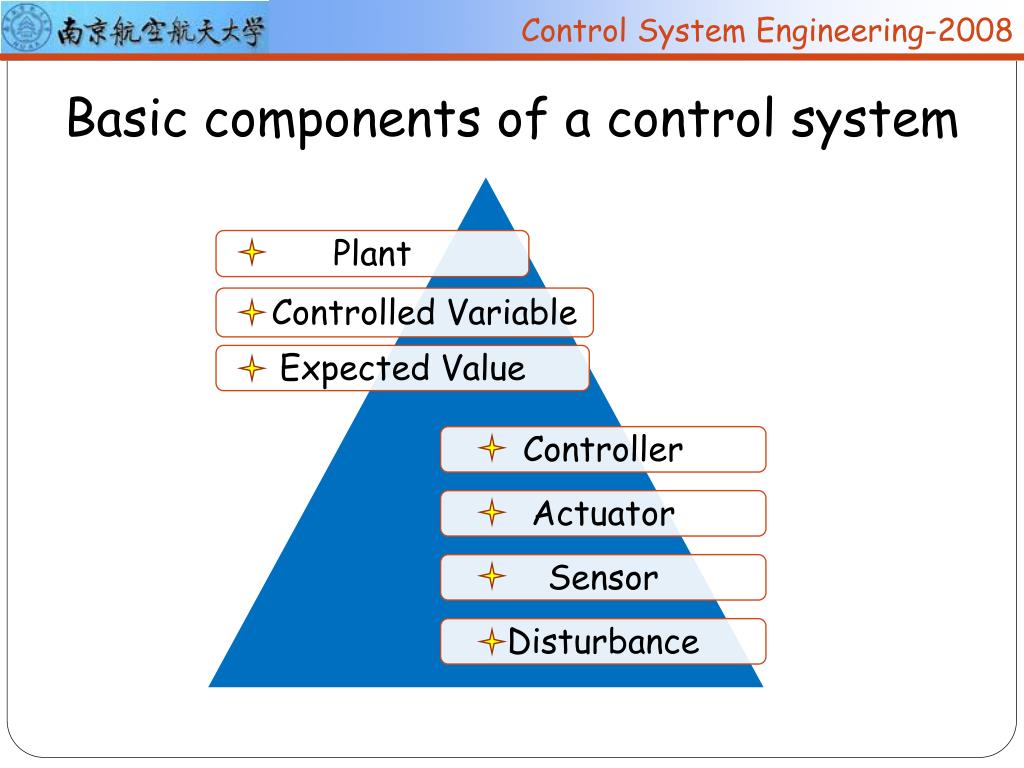
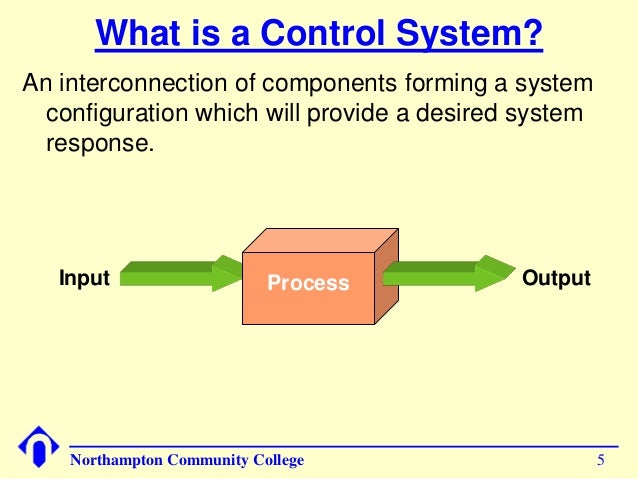
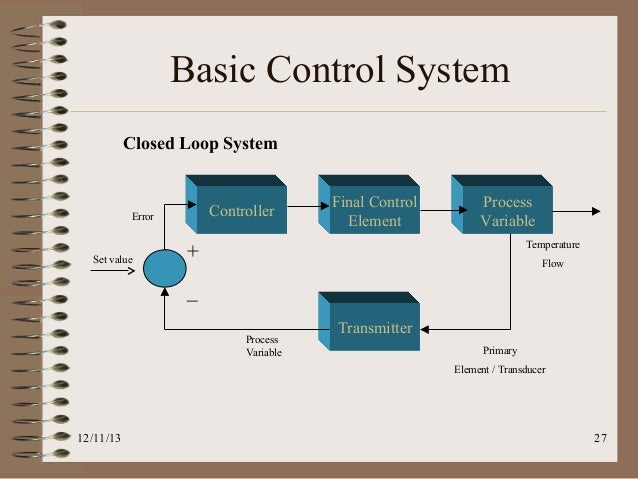
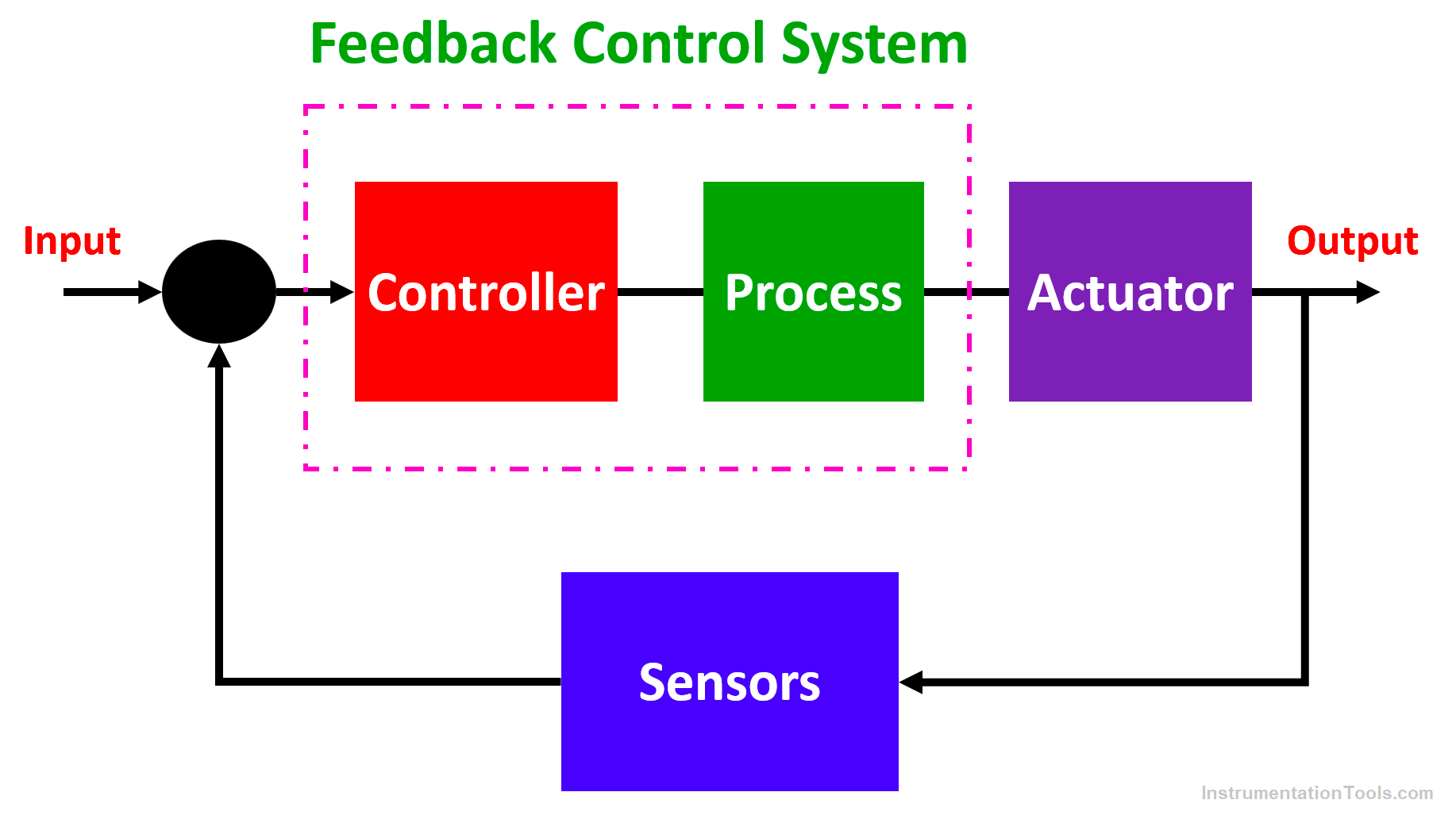
The primary function of any HVAC control system is to maintain a desired environment within a specified space. To achieve this, every control circuit, regardless of complexity, relies on these fundamental components:
1. A Controlled Variable
The controlled variable is the specific condition that the system is designed to regulate. This could be temperature, humidity, pressure, airflow, or even air quality (CO2 levels, particulate matter). In a typical residential thermostat scenario, the controlled variable is the room temperature. In a commercial building, it might be the temperature of chilled water supplied to air handlers.
2. A Sensor
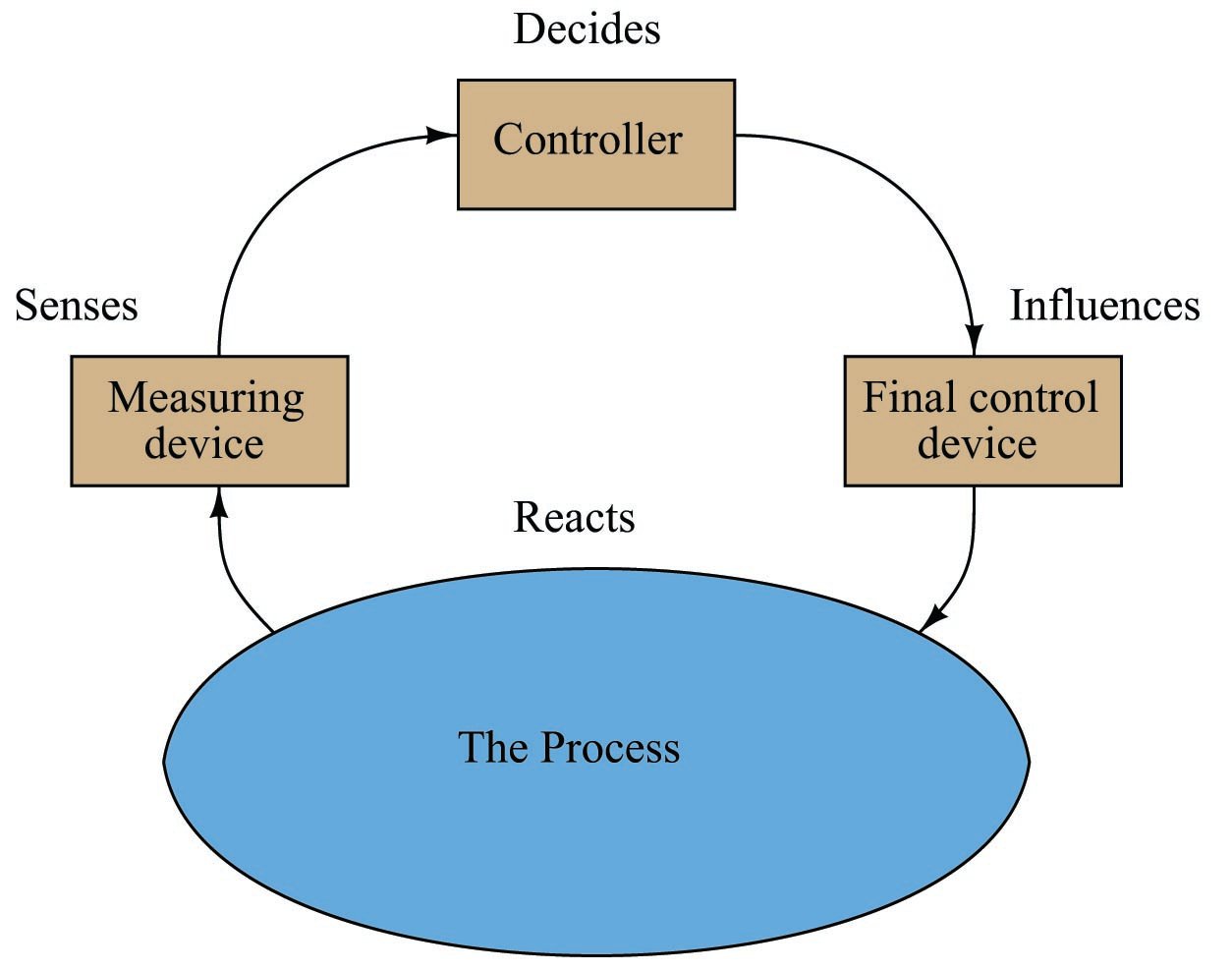
The sensor is the component that measures the controlled variable. It detects the current state of the controlled variable and provides feedback to the control system. Common HVAC sensors include:
- Thermistors: Measure temperature changes
- Hygrometers: Measure humidity levels
- Pressure Transducers: Measure pressure in ductwork or refrigerant lines
- Flow Meters: Measure airflow rates
- CO2 Sensors: Measure carbon dioxide concentration for ventilation control
Without a sensor, the control system has no knowledge of the actual conditions and cannot make informed adjustments. The accuracy and reliability of the sensor are critical to the overall performance of the control system.
3. A Controller
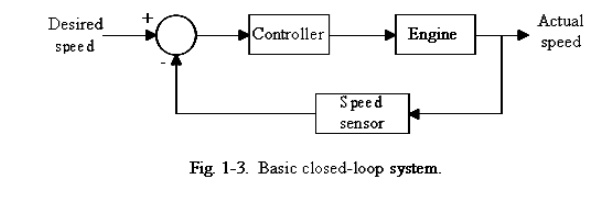
The controller is the "brain" of the control system. It receives input from the sensor, compares it to a desired setpoint (the target value for the controlled variable), and determines the appropriate corrective action. Controllers can range from simple electromechanical thermostats to sophisticated programmable logic controllers (PLCs) in large commercial and industrial systems.
The controller's function is to minimize the difference between the actual value (measured by the sensor) and the desired setpoint. This difference is known as the "error signal." The controller uses various algorithms (e.g., on/off, proportional, integral, derivative) to process the error signal and generate an output signal.
4. A Controlled Device (Actuator)
The controlled device, also known as an actuator, is the component that directly affects the controlled variable. It receives the output signal from the controller and takes action to correct the deviation from the setpoint. Examples of controlled devices include:
- Relays: Switch electrical circuits on or off
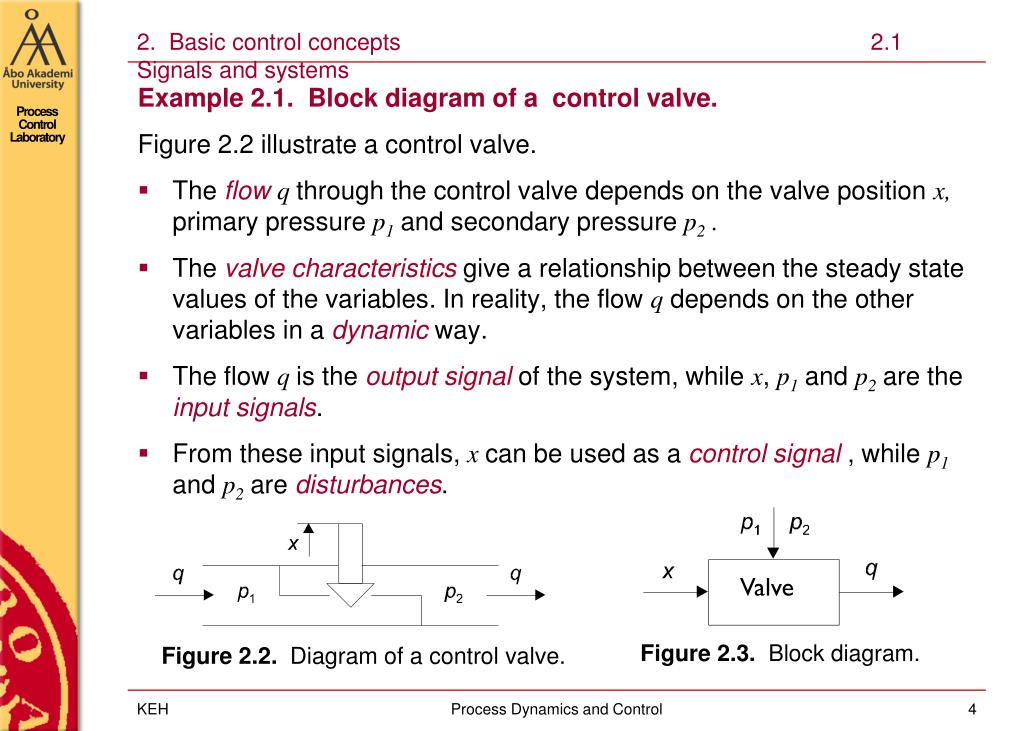
- Valves: Regulate the flow of fluids (e.g., water, refrigerant)
- Dampers: Control airflow within ductwork
- Variable Frequency Drives (VFDs): Adjust the speed of motors driving fans or pumps
- Heating Elements: Provide heat in electric heaters or furnaces
For instance, in a heating system, the controller might send a signal to a gas valve (the controlled device) to open and allow more gas to flow to the burner, increasing the heat output.
5. A Power Source
All control systems require a power source to operate. This can be a standard 120V AC outlet, a 24V AC transformer, or even batteries in some simpler devices. The power source provides the energy necessary for the sensor, controller, and controlled device to function.
HVAC Career Paths and the Importance of Controls Knowledge
A strong understanding of HVAC controls opens doors to various rewarding career paths. The U.S. Bureau of Labor Statistics projects a 6% growth in employment for HVAC mechanics and installers from 2022 to 2032, about as fast as the average for all occupations. Approximately 38,000 openings for HVAC mechanics and installers are projected each year, on average, over the decade.
Here are a few examples:
- HVAC Technician/Installer: Install, maintain, and repair HVAC systems in residential, commercial, and industrial settings. Understanding controls is vital for troubleshooting system malfunctions and optimizing performance. The median annual wage for HVAC mechanics and installers was $59,620 in May 2023.
- Building Automation Systems (BAS) Technician: Install, program, and maintain sophisticated BAS that control all aspects of a building's environment, including HVAC, lighting, and security. This role requires in-depth knowledge of control theory, networking, and programming.
- HVAC Controls Specialist: Focus on the design, installation, and programming of HVAC control systems. They often work for manufacturers, engineering firms, or large building owners.
- Energy Auditor: Assess the energy efficiency of buildings and identify opportunities for improvement. A strong understanding of HVAC controls is essential for analyzing system performance and recommending energy-saving strategies.
The Role of Certifications
Earning relevant certifications can significantly enhance your career prospects and earning potential in the HVAC field.
- NATE (North American Technician Excellence): NATE certification is widely recognized as a mark of excellence for HVAC technicians. Several NATE certifications focus specifically on controls, demonstrating expertise in this critical area. NATE certified technicians often command higher salaries and are more sought after by employers.
- EPA Section 608 Certification: Required for technicians who handle refrigerants. This certification covers proper refrigerant handling procedures and regulations designed to protect the environment.
- Building Performance Institute (BPI): BPI offers certifications related to building science and energy efficiency. These certifications are valuable for energy auditors and technicians involved in energy-saving retrofits.
Real-World Examples of Control System Applications
Consider these scenarios to illustrate the practical application of HVAC control principles:
Example 1: Zoned Heating and Cooling: A home with multiple zones, each with its own thermostat. The thermostats act as sensors, detecting the temperature in each zone. The controller (often a zone control panel) receives input from the thermostats and opens or closes dampers in the ductwork (the controlled device) to direct airflow to the zones that need heating or cooling. This ensures that each zone maintains its desired temperature, improving comfort and energy efficiency.
Example 2: Variable Air Volume (VAV) System: A commercial building with a VAV system. Each VAV box contains a thermostat (sensor) and a damper (controlled device). The controller modulates the damper position based on the zone's temperature, adjusting the airflow to meet the cooling or heating demand. The central air handling unit (AHU) uses a variable frequency drive (VFD) on the supply fan motor to adjust the total airflow based on the combined demand of all the VAV boxes, further optimizing energy consumption.
These examples demonstrate how the fundamental elements of control – sensor, controller, and controlled device – work together to achieve specific HVAC objectives.
Staying Ahead of the Curve: Industry Trends
The HVAC industry is constantly evolving, with new technologies and trends emerging regularly. It's crucial for HVAC professionals to stay informed about these developments to remain competitive.
- Smart Thermostats: These devices offer advanced features such as remote control, learning capabilities, and integration with other smart home systems.
- Building Automation Systems (BAS): BAS are becoming increasingly sophisticated, offering advanced control and monitoring capabilities for large buildings.
- Internet of Things (IoT): The IoT is enabling HVAC systems to be connected to the internet, allowing for remote monitoring, diagnostics, and control.
- Energy Efficiency Regulations: Governments are increasingly implementing stricter energy efficiency regulations, driving the development of more efficient HVAC systems and controls.
Understanding and adapting to these trends is essential for success in the HVAC industry.
Conclusion
A firm grasp of HVAC control fundamentals is essential for anyone seeking a successful career in this dynamic field. By understanding the core elements of a control system – the controlled variable, sensor, controller, controlled device, and power source – you'll be well-equipped to troubleshoot, maintain, and optimize HVAC systems in a variety of settings. Investing in certifications and staying abreast of industry trends will further enhance your skills and career prospects. Remember, at its core, a control requires a defined variable measured by a sensor processed by a controller to actuate a controlled device, and this foundation is key to your future success in HVAC.