At What Temperature Will A Heat Pump Not Work

Many homeowners rely on heat pumps for year-round comfort, efficiently providing both heating and cooling. But what happens when your heat pump struggles to keep your home warm during those frigid winter months? A common issue is the system seems to be running constantly, but the temperature inside remains stubbornly low. This often leaves homeowners wondering: "At what temperature will a heat pump simply stop working effectively?" And, more importantly, what can you do about it?
Understanding the Temperature Limits of Your Heat Pump
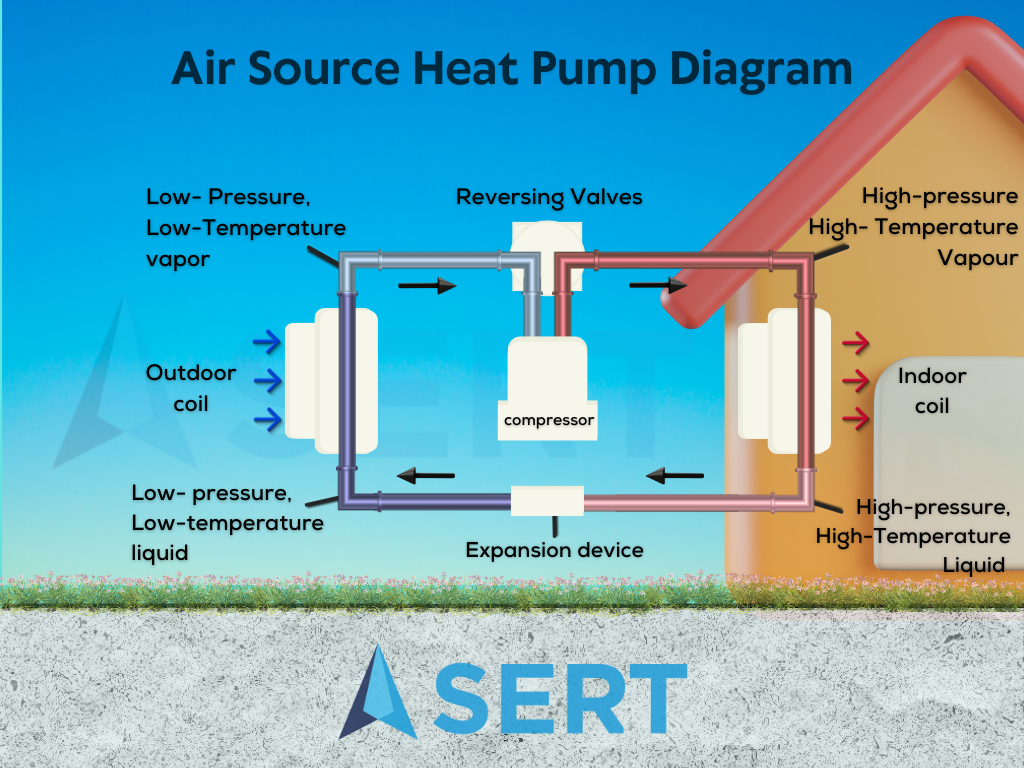
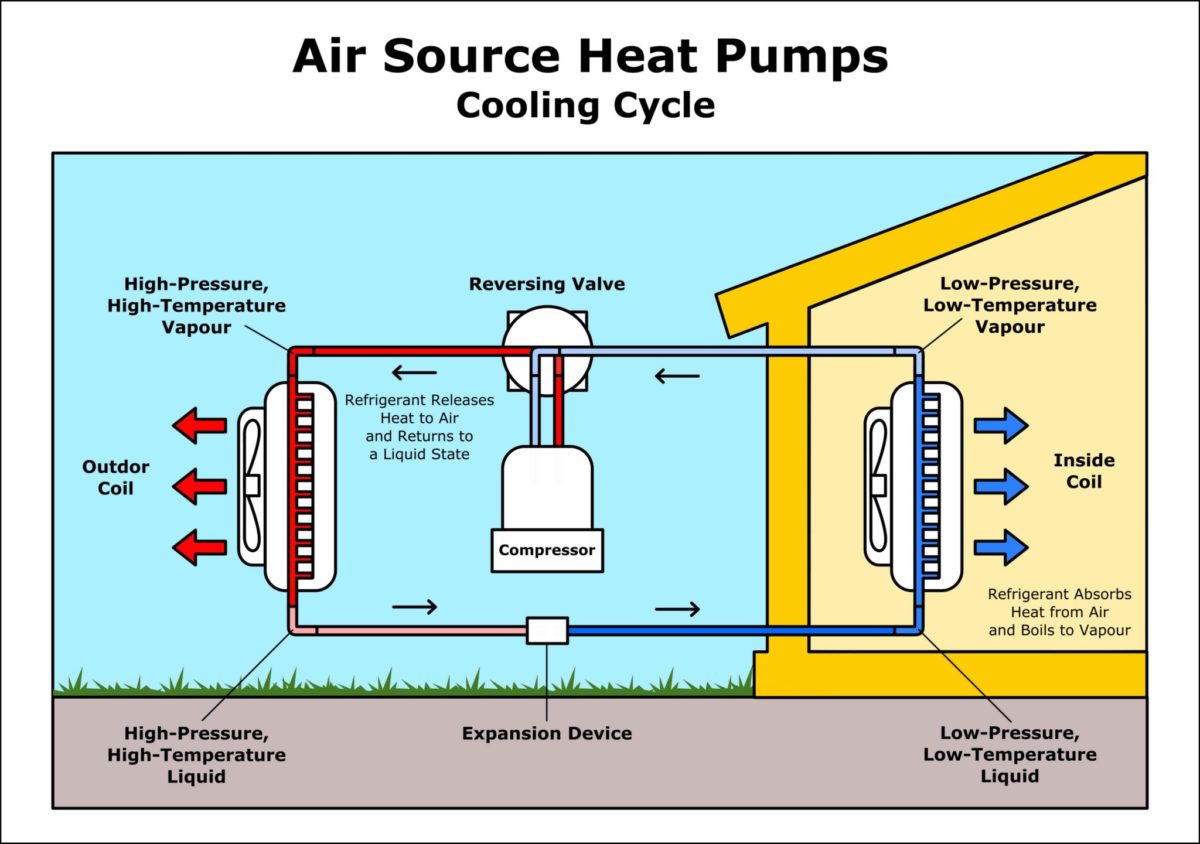
Heat pumps don't "stop working" at a specific temperature in the same way a car might break down. Instead, their efficiency and ability to provide adequate heat decreases as the outdoor temperature drops. Most heat pumps are designed to function efficiently down to around 25-40°F (-4 to 4°C). Below this range, they rely more heavily on their auxiliary heat, also known as emergency or supplemental heat, usually electric resistance heat, which is much less efficient.
The exact cutoff temperature varies depending on several factors:
- The age and model of your heat pump: Newer, high-efficiency models are typically designed to operate effectively at lower temperatures.
- The condition of your heat pump: A well-maintained system will perform better than one that's neglected.
- The insulation of your home: A poorly insulated home will lose heat faster, forcing the heat pump to work harder and potentially struggle to keep up.
Troubleshooting a Heat Pump That's Not Heating Adequately
If your heat pump seems to be struggling to heat your home when outdoor temperatures drop, don't panic! Here's a methodical approach to diagnosing the problem:
Step 1: Check the Thermostat
This might seem obvious, but it's the most common culprit! Double-check that your thermostat is set to "Heat" mode and that the set temperature is higher than the current room temperature.
- Without tools: Visually inspect the thermostat display. Make sure it's not set to "Cool" or "Auto". Increase the set temperature by a few degrees and observe if the heat pump responds.
- Check the batteries: If your thermostat is battery-powered, replace them with fresh ones. Low batteries can cause inaccurate readings and erratic behavior.
Step 2: Observe the Outdoor Unit
Go outside and take a look at your heat pump's outdoor unit. Note its condition and behavior.
- Without tools: Look for signs of ice or snow buildup on the unit. A thin layer of frost is normal during the defrost cycle, but excessive ice buildup indicates a problem. Listen for unusual noises, such as loud banging, grinding, or screeching.
Step 3: Feel the Airflow
Check the temperature of the air coming from your vents.
- Without tools: Place your hand near a vent. The air should feel warm, but not necessarily hot. If the air is barely lukewarm or cold, it suggests the heat pump isn't functioning properly.
- Note: During extremely cold weather, the air may feel cooler than you expect, even when the heat pump is working correctly. This is because the temperature difference between the air and your body is greater.
Step 4: Check the Air Filter
A dirty air filter restricts airflow, making the heat pump work harder and reducing its efficiency. This is often overlooked.
- Without tools: Locate your air filter (usually near the indoor unit or in a wall or ceiling vent). Remove it and inspect it. If it's visibly dirty or clogged, it needs to be replaced.
- DIY Action: Replace the air filter with a new one of the correct size and type. This is a simple and inexpensive way to improve your heat pump's performance.
Step 5: Inspect the Outdoor Unit for Obstructions
Ensure the outdoor unit is free from obstructions that could restrict airflow.
- Without tools: Check for leaves, branches, snow, or ice blocking the unit's fins or fan. Clear away any debris that's obstructing airflow. Make sure bushes and plants are trimmed back to allow for proper ventilation.
Step 6: Check the Breaker
A tripped breaker can cut power to the heat pump.
- Without tools: Locate your electrical panel. Look for a tripped breaker (it will be in the "off" or "middle" position). If you find a tripped breaker, flip it to the "off" position and then back to the "on" position.
- Caution: If the breaker trips again immediately, there may be a more serious electrical problem. Call a qualified electrician.
Step 7: Defrost Cycle Observation
Heat pumps use a defrost cycle to melt ice buildup on the outdoor coil. Observe if the defrost cycle is functioning correctly.
- Without tools: During the defrost cycle, the outdoor fan will stop, and the heat pump may emit a hissing or bubbling sound. You may also see steam rising from the unit. The auxiliary heat will typically activate during this time to prevent the indoor temperature from dropping. If the defrost cycle doesn't seem to be happening regularly (every 30-90 minutes in cold weather), or if ice buildup is excessive even after a defrost cycle, there may be a problem.
DIY Actions You Can Take
After completing the above steps, here are some simple DIY actions you can take:
- Replace the air filter: As mentioned earlier, this is a crucial step.
- Clear obstructions from the outdoor unit: Ensure proper airflow around the unit.
- Adjust thermostat settings: Try setting the thermostat a few degrees higher or using the "emergency heat" setting temporarily. Note: Using emergency heat should only be a temporary solution, as it's much less efficient.
When to Call a Professional HVAC Technician
If you've tried the DIY steps above and your heat pump is still not heating adequately, it's time to call a professional HVAC technician. Certain issues require specialized knowledge and equipment to diagnose and repair safely. Do not attempt to repair refrigerant leaks or work with electrical components if you are not qualified.
Here are some situations that warrant professional help:
- Refrigerant leaks: Low refrigerant levels will significantly reduce your heat pump's performance. Refrigerant leaks require specialized equipment to detect and repair.
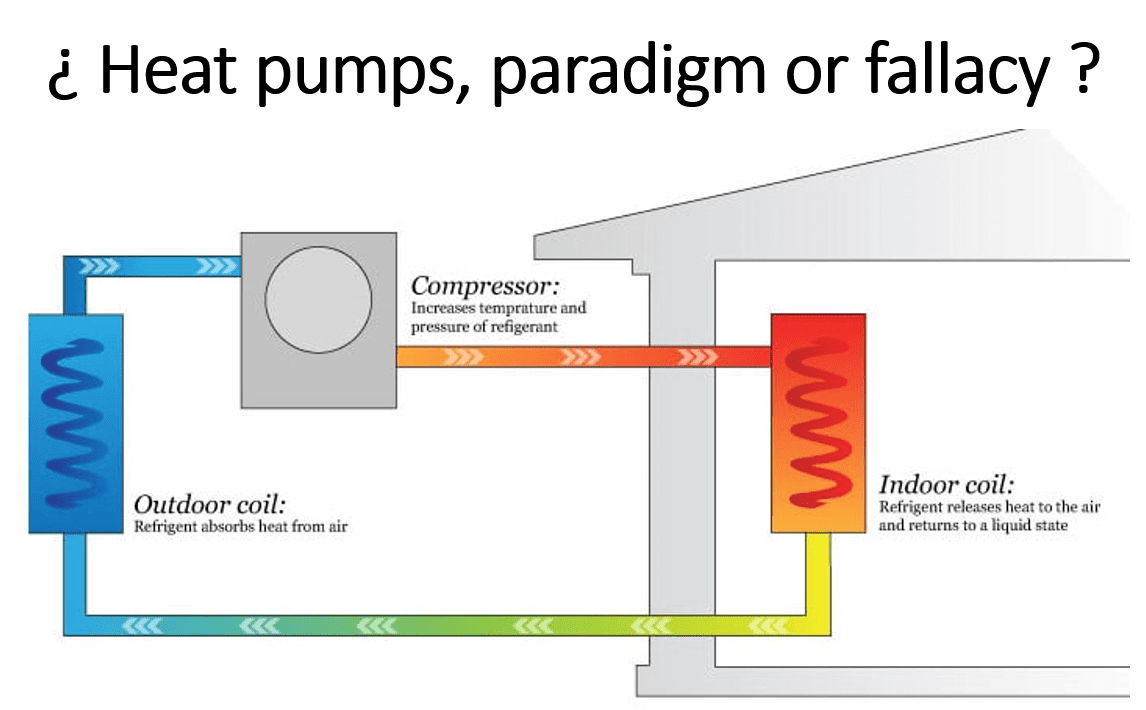
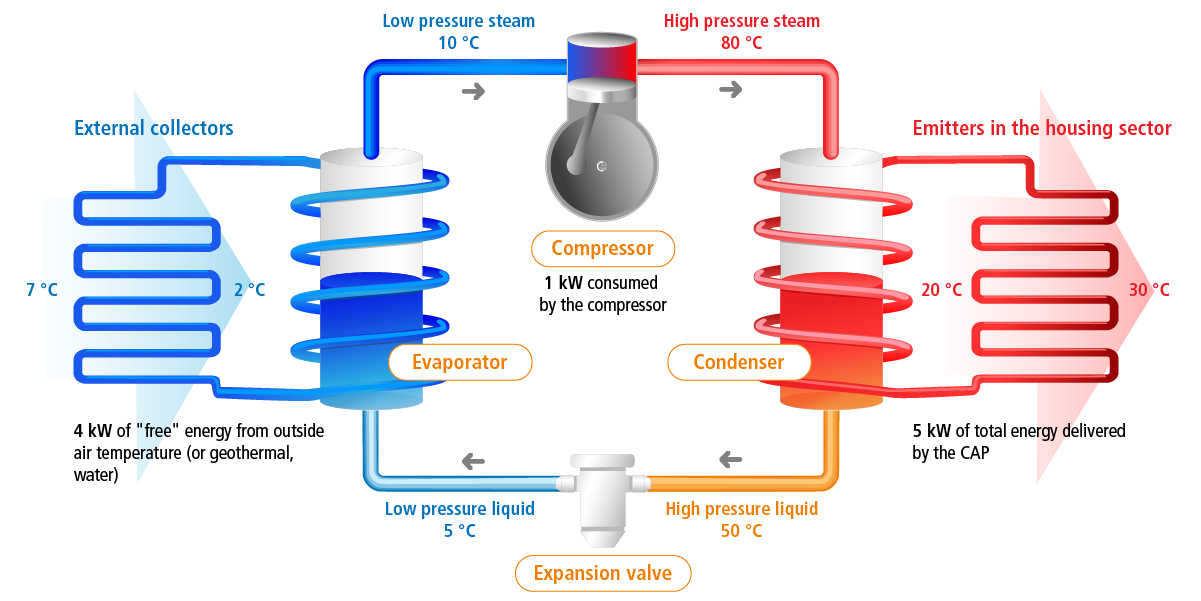
- Compressor problems: The compressor is the heart of the heat pump. If it's failing, the entire system will suffer.
- Electrical issues: If you suspect an electrical problem, such as a repeatedly tripping breaker or burned wires, call a qualified electrician.
- Unusual noises: Loud banging, grinding, or screeching noises from the heat pump indicate a mechanical problem.
- Excessive ice buildup: If the defrost cycle is not working correctly, leading to excessive ice buildup, a technician can diagnose and repair the issue.
- The outdoor fan is not running: This could indicate a motor failure or other electrical problem.
- Your heat pump is old: If your heat pump is over 10-15 years old, it may be nearing the end of its lifespan. A technician can assess its condition and recommend whether to repair or replace it.
- Auxiliary heat is running constantly: While auxiliary heat is meant to supplement the heat pump during cold weather, constant reliance on it indicates an underlying problem with the heat pump itself.
Preventative Maintenance: The Key to Longevity and Efficiency
The best way to avoid heat pump problems is to schedule regular preventative maintenance with a qualified HVAC technician. During a maintenance visit, the technician will:
- Clean the coils: Dirty coils reduce heat transfer efficiency.
- Check refrigerant levels: Low refrigerant levels can significantly reduce performance.
- Inspect electrical connections: Loose connections can cause problems.
- Lubricate moving parts: This helps to prevent wear and tear.
- Test the defrost cycle: Ensure it's functioning correctly.
- Inspect the ductwork: Leaks in the ductwork can waste energy.
By following these troubleshooting steps and investing in preventative maintenance, you can ensure that your heat pump provides reliable and efficient heating for years to come. Remember, knowing when to call a professional is just as important as knowing what you can do yourself. Don't hesitate to seek expert help when needed to keep your home comfortable and your energy bills under control.