Atmospheric Vs Direct Vent Water Heater
Choosing a new water heater can feel overwhelming. With various types and technologies available, it's crucial to understand the differences to make an informed decision. Two common types, atmospheric vent and direct vent water heaters, differ significantly in how they exhaust combustion gases. This guide explores the pros, cons, features, and costs of each, helping you determine the best fit for your needs.
Understanding Atmospheric Vent Water Heaters
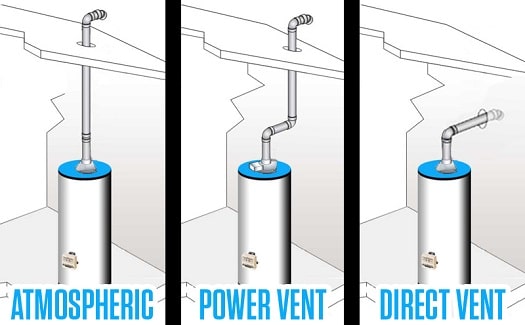
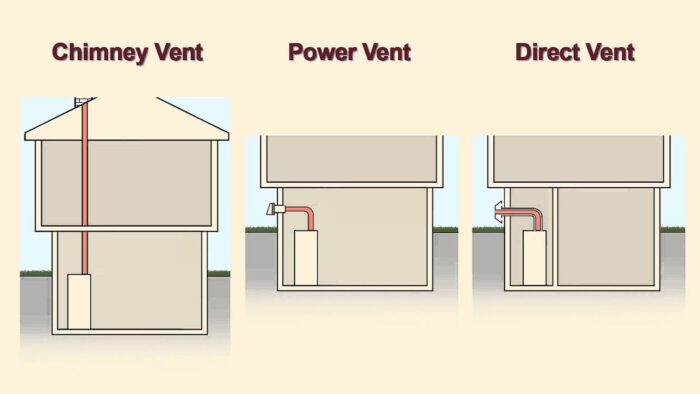
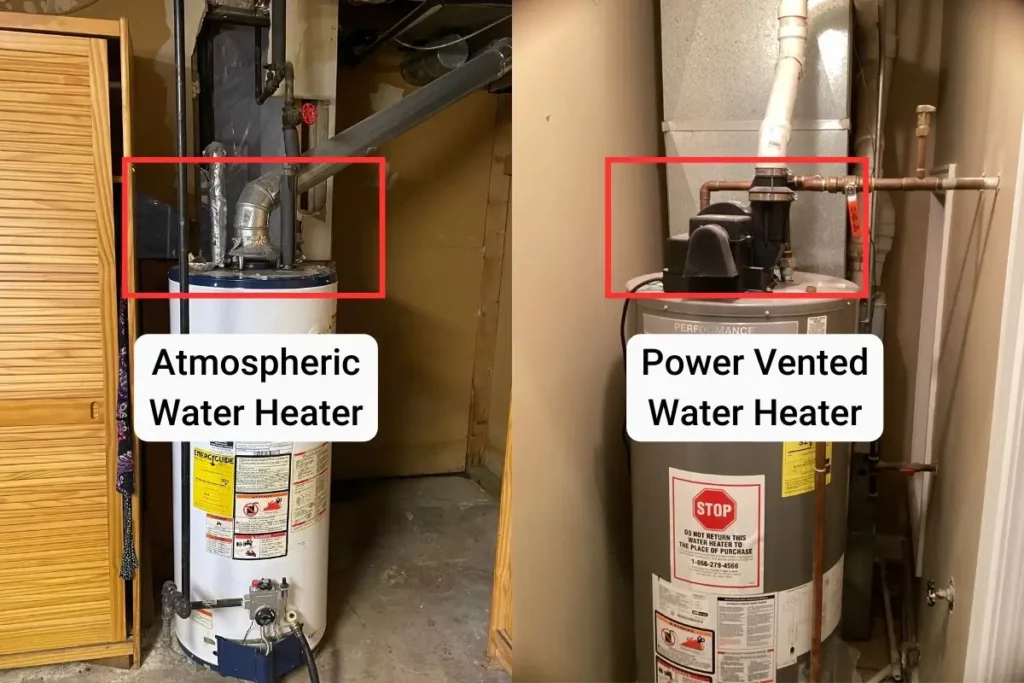
Atmospheric vent water heaters, also known as natural draft water heaters, are the most traditional and often the least expensive option. They rely on natural convection to vent exhaust gases through a chimney or vent stack. The burner at the bottom heats the water, and the resulting hot gases rise and exit the building through the venting system.
Pros of Atmospheric Vent Water Heaters:
- Lower Initial Cost: Atmospheric vent models typically have a lower purchase price compared to direct vent or power vent options. This makes them an attractive choice for budget-conscious homeowners.
- Simpler Installation: Installation is generally straightforward, particularly when replacing an existing atmospheric vent heater that uses the same venting system.
- Fewer Components: Fewer electronic components translate to less potential for mechanical failure and simpler repairs.
Cons of Atmospheric Vent Water Heaters:
- Lower Energy Efficiency: Atmospheric vent heaters tend to be less energy-efficient than other types. A significant amount of heat is lost through the venting process. Look for an Energy Factor (EF) rating to gauge efficiency. Older models can have very low EF ratings.
- Draft Sensitivity: They are susceptible to backdrafting, where exhaust gases are drawn back into the home instead of exiting through the vent. This is a serious safety hazard, as these gases contain carbon monoxide.
- Chimney Dependency: Requires a dedicated chimney or vent stack. If your home lacks a suitable chimney, installing one can be costly.
- Limited Installation Options: Placement is restricted to areas with proper venting access.
Features and Considerations:
- Draft Diverter: A key component is the draft diverter, which helps prevent downdrafts and ensures proper venting.
- Thermocouple: A safety device that shuts off the gas supply if the pilot light goes out.
- Sizes: Available in various tank sizes to meet different household hot water demands.
Pricing and Brands:
Atmospheric vent water heaters typically range from $300 to $800 for the unit itself, excluding installation costs. Popular brands include Rheem, Bradford White, and A. O. Smith. Keep in mind that installation can add several hundred dollars to the total cost.
Exploring Direct Vent Water Heaters
Direct vent water heaters utilize a sealed combustion system. They draw combustion air from outside the home and vent exhaust gases directly outside through a dedicated vent pipe, typically through a wall. This eliminates the need for a chimney and reduces the risk of backdrafting.
Pros of Direct Vent Water Heaters:
- Enhanced Safety: The sealed combustion system minimizes the risk of carbon monoxide leaks and backdrafting.
- Improved Energy Efficiency: Direct vent models are generally more energy-efficient than atmospheric vent heaters due to the sealed combustion process.
- Flexible Installation Options: They can be installed in areas without a chimney or vent stack, offering greater flexibility in placement.
- Reduced Condensation: The sealed combustion system reduces condensation within the unit, potentially extending its lifespan.
Cons of Direct Vent Water Heaters:
- Higher Initial Cost: Direct vent water heaters typically have a higher purchase price compared to atmospheric vent models.
- More Complex Installation: Installation can be more complex, requiring proper sealing of the vent pipes and connections.
- Venting Requirements: Requires a specific venting configuration that meets local codes.
- Potential for Noise: Some models can produce noise from the blower fan used to exhaust gases.
Features and Considerations:
- Sealed Combustion Chamber: Prevents indoor air from being used for combustion, improving safety and efficiency.
- Two-Pipe System: Uses one pipe to draw in fresh air and another to exhaust gases.
- Electronic Ignition: Offers reliable and efficient ignition of the burner.
Pricing and Brands:
Direct vent water heaters generally range from $800 to $1500 or more, excluding installation. Brands like Rheem, Bradford White, and A. O. Smith also offer direct vent models. Installation costs can be higher than atmospheric vent heaters due to the more complex venting requirements.
Atmospheric Vent vs. Direct Vent: A Detailed Comparison
Let's break down the key differences between atmospheric vent and direct vent water heaters:
| Feature | Atmospheric Vent | Direct Vent |
|---|---|---|
| Venting System | Natural draft, chimney or vent stack | Sealed combustion, two-pipe system |
| Combustion Air Source | Indoor air | Outdoor air |
| Energy Efficiency | Lower (lower EF rating) | Higher (higher EF rating) |
| Safety | Higher risk of backdrafting and carbon monoxide leaks | Lower risk of backdrafting and carbon monoxide leaks |
| Installation Cost | Lower | Higher |
| Initial Cost | Lower | Higher |
| Installation Flexibility | Limited to areas with existing chimney or vent stack | More flexible, can be installed in areas without a chimney |
| Noise Level | Generally quieter | May produce noise from blower fan |
Choosing the Right Water Heater for Your Home
The best type of water heater for your home depends on several factors, including your budget, existing venting system, and safety concerns. Here's a guide to help you make the right choice:
- Budget: If you're on a tight budget, an atmospheric vent water heater might be the most affordable option initially. However, consider the long-term operating costs due to lower energy efficiency.
- Existing Venting System: If you have a functioning chimney or vent stack in good condition, an atmospheric vent heater can be a cost-effective replacement. If not, a direct vent heater might be the better choice.
- Safety Concerns: If you're concerned about carbon monoxide leaks or backdrafting, a direct vent water heater offers enhanced safety features.
- Energy Efficiency: If you prioritize energy savings and lower utility bills, a direct vent water heater is a more efficient option.
- Installation Requirements: Evaluate the installation requirements and costs for each type. A direct vent heater may require more complex installation, but it offers greater flexibility in placement.
Maintenance and Warranty Considerations
Proper maintenance is essential for extending the lifespan of any water heater. Regular flushing of the tank to remove sediment is recommended. You should also inspect the venting system annually to ensure it's clear of obstructions. Consider hiring a qualified HVAC technician for routine maintenance and inspections.
Warranty terms vary depending on the manufacturer and model. Most water heaters come with a limited warranty that covers parts and labor for a specific period. Be sure to read the warranty carefully and understand the terms and conditions. Warranties often range from 3 to 10 years. Registering your water heater with the manufacturer is crucial for warranty coverage.
Popular Brands and Models
Here are some popular brands and models to consider when shopping for atmospheric vent and direct vent water heaters:
- Rheem: Offers a wide range of both atmospheric and direct vent models, known for their reliability and energy efficiency.
- Bradford White: A reputable brand known for its high-quality water heaters with durable construction.
- A. O. Smith: Provides a variety of water heater options, including both atmospheric and direct vent models, with advanced features and technology.
Specific models to research include:
- Rheem Performance Platinum Series: Available in both atmospheric and direct vent options, offering high efficiency and advanced features.
- Bradford White Defender Safety System: A popular atmospheric vent model with enhanced safety features.
- A. O. Smith Signature Series: A versatile line of water heaters with both atmospheric and direct vent options.
Conclusion
Choosing between an atmospheric vent and a direct vent water heater requires careful consideration of your individual needs and circumstances. While atmospheric vent heaters offer a lower initial cost, direct vent models provide enhanced safety, improved energy efficiency, and greater installation flexibility. By understanding the pros and cons of each type, you can make an informed decision that will provide reliable hot water for years to come.