Atosa Freezer Evaporator Fan Not Working

Troubleshooting Atosa Freezer Evaporator Fan Issues: A Comprehensive Guide for HVAC Professionals
The evaporator fan is a crucial component of any freezer, particularly in commercial units like those manufactured by Atosa. Its primary function is to circulate cold air across the evaporator coil, ensuring consistent temperatures and preventing ice buildup. When the evaporator fan malfunctions, it can lead to a cascade of problems, including temperature fluctuations, food spoilage, and ultimately, equipment downtime. This article provides a detailed guide for diagnosing and resolving evaporator fan issues in Atosa freezers, offering valuable insights for HVAC students, experienced technicians, and employers alike.
Understanding the Importance of the Evaporator Fan
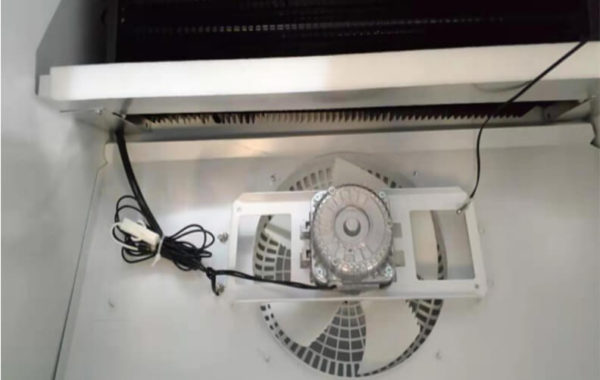
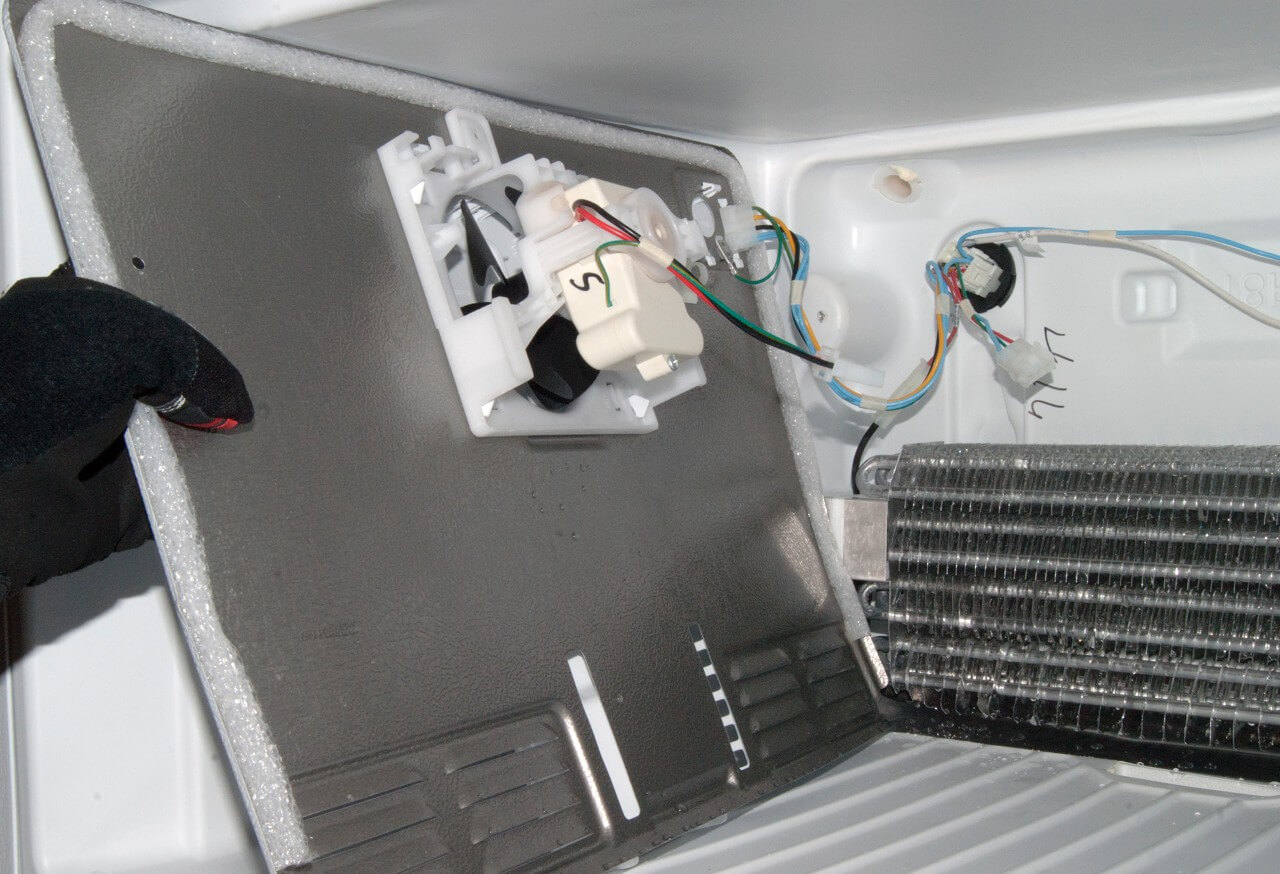
Before diving into troubleshooting, it's essential to understand the role of the evaporator fan. The evaporator coil contains the refrigerant that absorbs heat from inside the freezer. The fan's job is to move air across this coil, maximizing heat transfer and distributing the chilled air throughout the freezer compartment. A properly functioning fan ensures uniform cooling, which is critical for preserving food quality and preventing bacterial growth.
In Atosa freezers, as with most commercial refrigeration systems, the evaporator fan often operates continuously. This constant operation makes it a common point of failure. Recognizing the signs of a failing fan is the first step toward preventing more significant problems.
Symptoms of a Failing Atosa Freezer Evaporator Fan
Several telltale signs indicate a potential issue with the evaporator fan in an Atosa freezer:
- Elevated Freezer Temperature: This is often the first and most noticeable symptom. If the fan isn't circulating air, the freezer won't maintain its set temperature.
- Uneven Cooling: Some areas of the freezer may be colder than others, indicating inadequate air circulation.
- Excessive Ice Buildup: Without proper airflow, moisture can freeze on the evaporator coil, leading to ice accumulation. This ice further reduces cooling efficiency.
- Unusual Noises: Grinding, squealing, or rattling sounds coming from the fan motor are strong indicators of a mechanical problem.
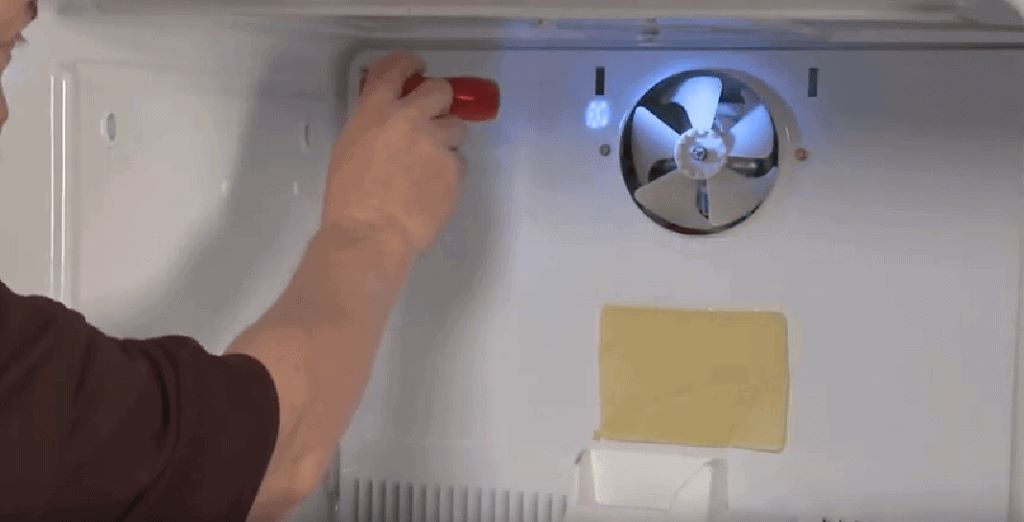
- Fan Not Rotating: This is the most obvious sign. If the fan blades are not spinning when the compressor is running, there's definitely an issue.
Troubleshooting Steps: A Systematic Approach
Diagnosing an evaporator fan problem requires a systematic approach. Here's a step-by-step guide:
- Safety First: Always disconnect the power to the freezer before performing any electrical troubleshooting. This is a crucial safety precaution.
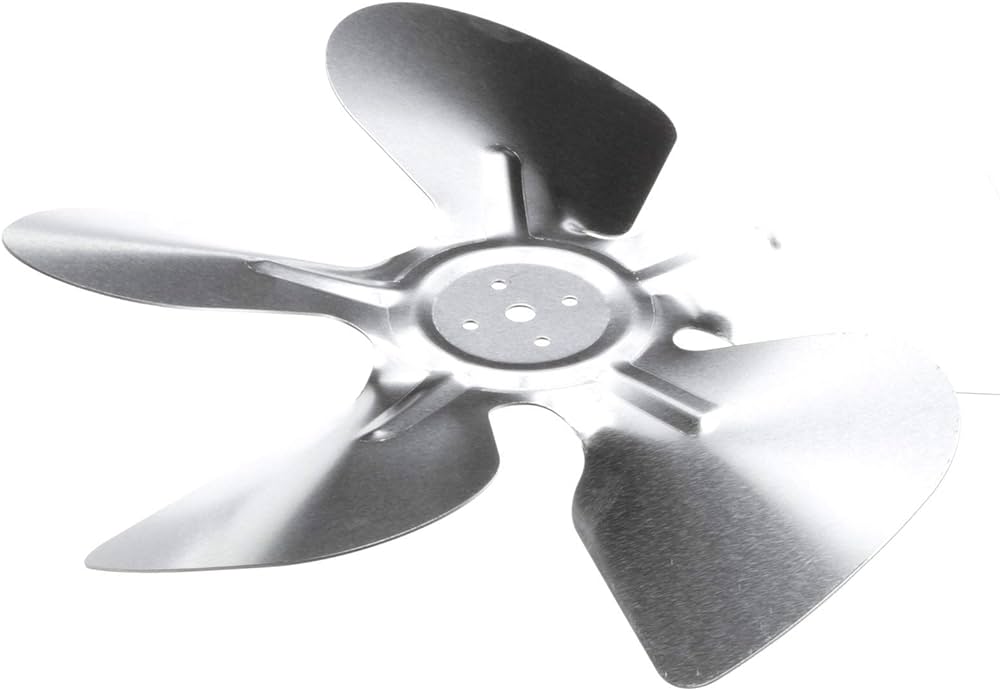
- Visual Inspection: Check the fan blades for obstructions. Ice buildup is a common culprit. If ice is present, manually defrost the coil to ensure proper airflow. Also, inspect the blades for physical damage or warping.
- Manual Rotation Test: With the power off, try manually rotating the fan blades. They should spin freely. If there's resistance or binding, the motor bearings may be failing.
- Voltage Check: Use a multimeter to verify that the fan motor is receiving the correct voltage. Consult the freezer's wiring diagram to determine the appropriate voltage. A lack of voltage indicates a wiring problem, a faulty control board, or a tripped breaker.
- Continuity Test: If voltage is present, use a multimeter to check the continuity of the fan motor windings. An open circuit indicates a burned-out motor.
- Capacitor Check (If Applicable): Some Atosa freezers use a capacitor to start the fan motor. A faulty capacitor can prevent the motor from starting. Use a capacitor tester to check the capacitor's capacitance.
- Overload Protector: The fan motor might have an overload protector. Check its condition. If tripped, it can indicate a motor problem.
Common Causes and Solutions
Based on the troubleshooting steps, here are some common causes and their corresponding solutions:
- Ice Buildup: Defrost the evaporator coil. Check the defrost timer and heater to ensure they are functioning correctly. Consider improving door seals to reduce moisture entry.
- Faulty Fan Motor: Replace the fan motor. When replacing, ensure you use the correct replacement part specified for your Atosa freezer model.
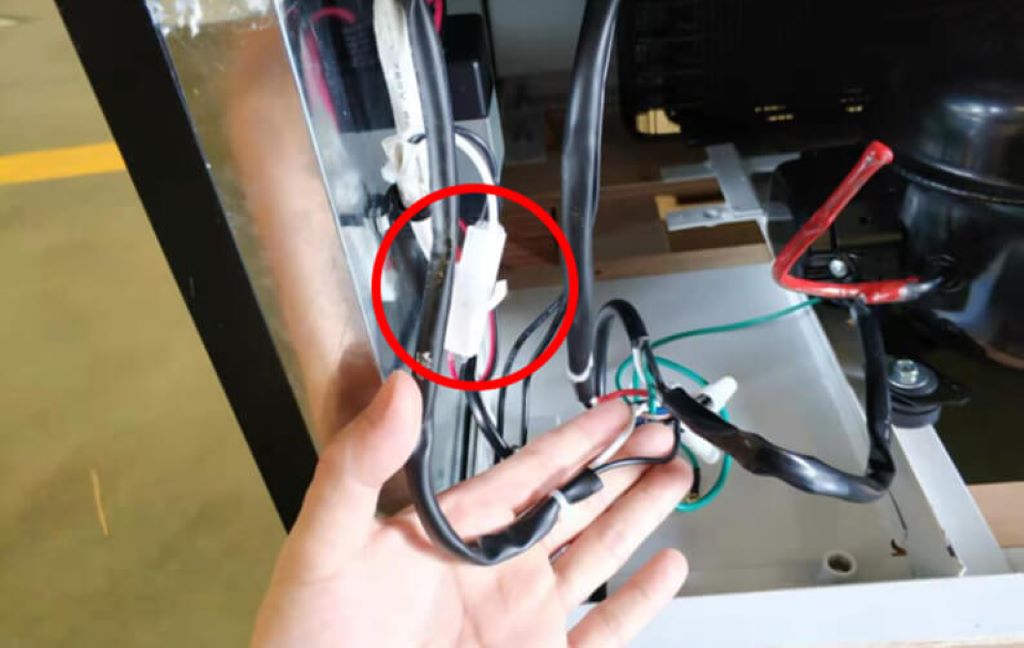
- Wiring Problems: Inspect the wiring for loose connections, damaged insulation, or corrosion. Repair or replace any damaged wiring.
- Faulty Control Board: If the control board isn't sending power to the fan motor, it may need to be replaced. This usually requires expertise and should be handled by a qualified technician.
- Bad Capacitor: Replace the capacitor with one of the same specifications.
- Obstruction: Remove any physical obstructions blocking the fan blades.
The HVAC Career Landscape: Opportunities and Certifications
The demand for skilled HVAC technicians is consistently growing. According to the U.S. Bureau of Labor Statistics, the job outlook for HVAC mechanics and installers is projected to grow 6 percent from 2022 to 2032, about as fast as the average for all occupations. Approximately 41,600 openings for HVAC mechanics and installers are projected each year, on average, over the decade. This includes replacement jobs for those who retire or leave the occupation.
Salaries vary depending on experience, location, and specialization. The median annual wage for HVAC mechanics and installers was $59,620 in May 2023. The lowest 10 percent earned less than $36,270, and the highest 10 percent earned more than $99,400.
To excel in this field, obtaining relevant certifications is crucial. Here are some key certifications:
- EPA Section 608 Certification: This is mandatory for any technician who handles refrigerants. It covers regulations related to refrigerant handling and disposal.
- NATE (North American Technician Excellence) Certification: NATE certification demonstrates competency in specific HVAC areas, such as refrigeration service or installation.
- HVAC Excellence Certification: Similar to NATE, HVAC Excellence offers certifications in various HVAC specializations.
- State and Local Licenses: Many states and municipalities require HVAC technicians to be licensed. Requirements vary by location.
Career Paths in HVAC: From Entry-Level to Expert
An HVAC career can take many paths. Here are a few examples:
- Entry-Level Technician: Typically starts as an apprentice, assisting experienced technicians with installations and repairs. This phase involves learning the fundamentals of HVAC systems.
- Service Technician: Focuses on diagnosing and repairing HVAC equipment. Requires strong troubleshooting skills and knowledge of electrical and mechanical systems.
- Installation Technician: Specializes in installing new HVAC systems. Requires knowledge of building codes and proper installation techniques.
- Commercial Refrigeration Technician: Specializes in refrigeration, particularly with larger systems as found in grocery stores, restaurants, and industrial settings.
- HVAC Design Engineer: Designs HVAC systems for buildings, considering factors such as energy efficiency, ventilation, and air quality. Requires a strong understanding of engineering principles.
- HVAC Sales Engineer: Sells HVAC equipment and services to businesses. Requires technical knowledge, sales skills, and customer service abilities.
- HVAC Instructor: Teaches HVAC skills at vocational schools or community colleges. Requires extensive knowledge and the ability to effectively communicate technical concepts.
Real-World Example: Consider Sarah, who started as an HVAC apprentice after completing a vocational program. She earned her EPA 608 certification and then pursued NATE certification in refrigeration. After several years of experience, she became a lead service technician, specializing in commercial refrigeration systems for restaurants and supermarkets. Her dedication and expertise allowed her to earn a comfortable salary and enjoy a rewarding career.
Employer Perspective: Hiring and Training HVAC Professionals
For employers in the HVAC industry, finding and retaining skilled technicians is a constant challenge. Key strategies for attracting and retaining talent include:
- Competitive Compensation and Benefits: Offering competitive salaries, health insurance, retirement plans, and paid time off is essential for attracting top talent.
- Training and Development Opportunities: Investing in ongoing training and development programs helps technicians stay up-to-date with the latest technologies and best practices. Sponsoring certifications also helps.
- Career Advancement Opportunities: Providing clear pathways for career advancement motivates employees and encourages them to stay with the company long-term.
- Positive Work Environment: Creating a positive and supportive work environment is crucial for employee satisfaction and retention.
- Investing in Tools and Equipment: Ensuring that technicians have access to the latest tools and equipment allows them to perform their jobs efficiently and effectively.
Employers should actively seek candidates with relevant certifications (EPA 608, NATE, HVAC Excellence) and experience. Apprenticeship programs are an excellent way to train new technicians and build a pipeline of skilled workers.
Staying Ahead of the Curve: Industry Trends
The HVAC industry is constantly evolving. Staying informed about the latest trends is essential for both technicians and employers. Some key trends include:
- Energy Efficiency: With increasing concerns about climate change, there's a growing demand for energy-efficient HVAC systems.
- Smart HVAC Systems: Smart thermostats and other connected devices are becoming increasingly popular, allowing for remote monitoring and control of HVAC systems.
- Refrigerant Regulations: Regulations regarding refrigerants are constantly changing, with a focus on phasing out ozone-depleting substances and reducing greenhouse gas emissions. Technicians need to stay up-to-date with these regulations.
- Renewable Energy Integration: Integrating HVAC systems with renewable energy sources, such as solar panels, is becoming more common.
Conclusion
Troubleshooting an Atosa freezer evaporator fan requires a systematic approach, a solid understanding of HVAC principles, and the right tools. By following the steps outlined in this guide, HVAC technicians can effectively diagnose and resolve evaporator fan issues, ensuring optimal freezer performance and preventing costly downtime. With a strong job outlook, competitive salaries, and diverse career paths, the HVAC industry offers excellent opportunities for skilled professionals. Continuous learning, professional certifications, and a commitment to staying ahead of industry trends are key to success in this dynamic field.