Attic Exhaust Fans Pros And Cons
Attic exhaust fans, also known as attic ventilation fans, have long been touted as a solution for reducing energy costs and improving home comfort. But are they truly the energy-saving heroes they're often made out to be? This comprehensive guide delves into the pros and cons of attic exhaust fans, providing you with the information you need to make an informed decision for your home or business.
What are Attic Exhaust Fans and How Do They Work?
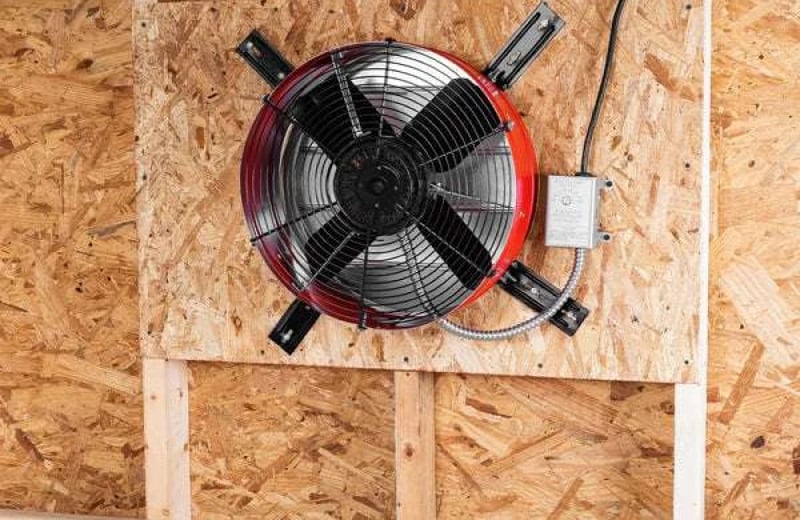
Attic exhaust fans are designed to remove hot air from your attic space. During the summer, the sun heats your roof, causing the attic temperature to soar. This heat can then radiate down into your living spaces, forcing your air conditioner to work harder and consume more energy. Attic fans work by drawing cooler outside air into the attic through vents (usually soffit vents) and exhausting the hot air through the fan itself. This process can, in theory, reduce the temperature in your attic, leading to lower cooling costs.
There are two main types of attic fans:
- Thermostatically Controlled Fans: These fans turn on automatically when the attic temperature reaches a pre-set level. This is the most common type.
- Humidistat-Controlled Fans: These fans activate when the humidity level in the attic reaches a certain point. They are often used in conjunction with a thermostat to combat both heat and moisture.
The Pros of Attic Exhaust Fans: Potential Benefits
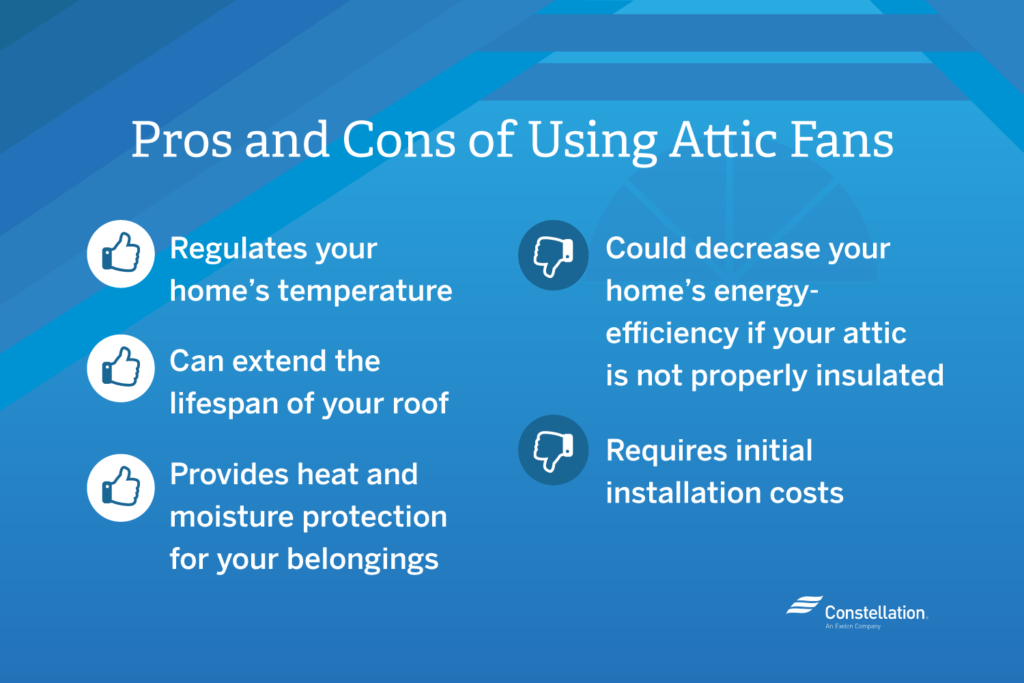
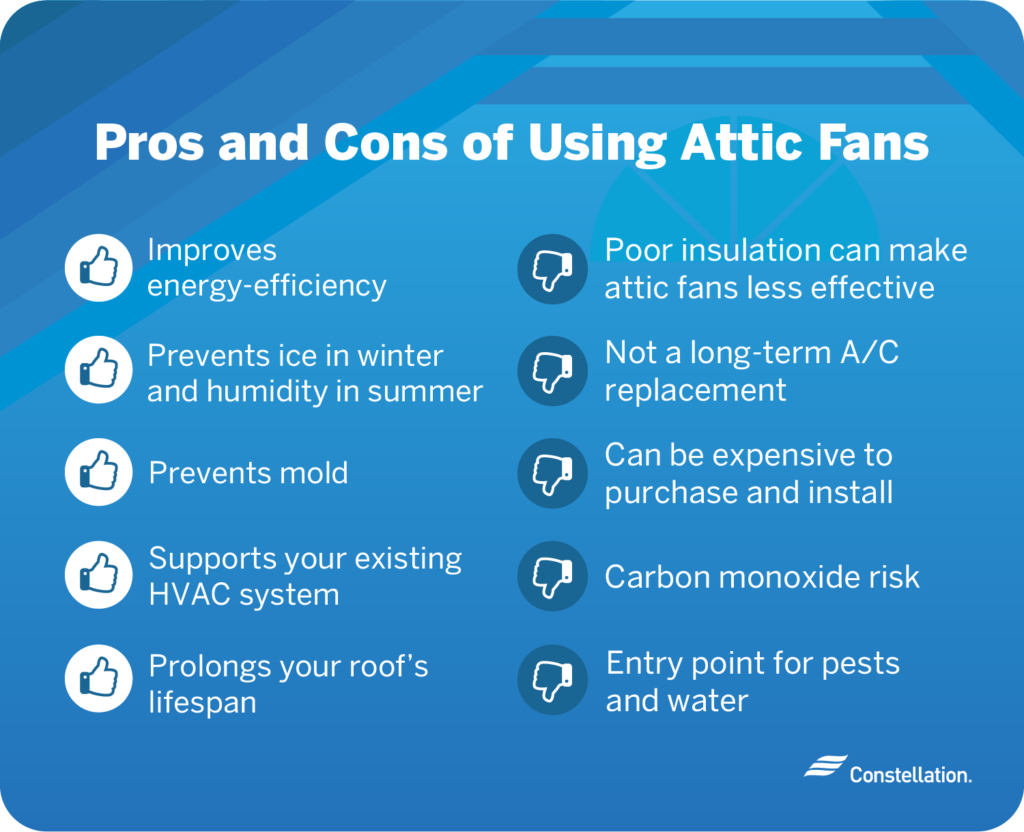
When properly installed and used in the right circumstances, attic fans can offer several advantages:
Reduced Cooling Costs
The primary benefit of an attic fan is the potential for lower cooling bills. By removing hot air from the attic, the fan reduces the heat load on your air conditioning system. This means your AC unit doesn't have to work as hard to maintain a comfortable temperature, resulting in energy savings. Estimates vary widely, but some studies suggest potential savings of up to 10-30% on cooling costs. The actual savings depend on factors such as climate, insulation levels, and the size of your attic.
Improved Home Comfort
A cooler attic can lead to a more comfortable living environment, particularly in upstairs rooms. Removing excess heat prevents it from radiating into your living spaces, helping to maintain a more consistent temperature throughout your home. This can be particularly noticeable during peak summer months.
Extended Roof Lifespan
High attic temperatures can contribute to the deterioration of roofing materials, such as shingles. By reducing attic heat, an attic fan can help extend the lifespan of your roof and prevent premature aging. This can save you money in the long run by delaying the need for roof repairs or replacement.
Moisture Control
In humid climates, attic fans can help to remove excess moisture from the attic. This can prevent the growth of mold and mildew, which can damage your home's structure and pose health risks. Humidistat-controlled fans are particularly effective at moisture control.
Improved Air Quality
By drawing fresh air into the attic, an attic fan can help to improve air circulation and reduce the buildup of stale, stagnant air. This can contribute to better indoor air quality and a healthier living environment.
The Cons of Attic Exhaust Fans: Potential Drawbacks
Despite the potential benefits, attic fans also have several drawbacks that should be carefully considered:
Increased Energy Consumption
Attic fans themselves consume electricity. While the goal is to reduce overall energy consumption, the fan's electricity usage can offset some or all of the savings from reduced air conditioning use. It's crucial to choose an energy-efficient fan model and to use it only when necessary. Look for Energy Star certified models, which are designed to use less energy.
Negative Pressure Issues
Attic fans can create negative pressure within your home. This means the fan is drawing air out of the attic faster than it can be replenished through vents. This negative pressure can pull conditioned air from your living spaces into the attic, further increasing your energy costs. It can also draw in unwanted pollutants and allergens from crawl spaces or attached garages.
Potential for Ice Dams
In cold climates, attic fans can exacerbate the formation of ice dams. By drawing warm air from the house into the attic, the fan can melt snow on the roof. This melted snow then refreezes at the eaves, forming ice dams that can damage your roof and cause water leaks. Proper insulation and sealing of air leaks are crucial to prevent this issue.
Noise Pollution
Attic fans can be noisy, especially older or poorly maintained models. The noise can be disruptive, particularly if the fan is located near bedrooms or living areas. Consider the noise level of the fan before purchasing it and ensure it is properly installed to minimize vibrations.
Maintenance Requirements
Attic fans require periodic maintenance to ensure they are operating efficiently and safely. This includes cleaning the fan blades, lubricating the motor, and checking the wiring. Neglecting maintenance can lead to reduced performance, increased energy consumption, and potential safety hazards.
Smart HVAC Integration and Attic Fans
The integration of smart home technology with attic fans offers potential for improved energy savings and convenience. Smart thermostats can be programmed to communicate with attic fans, turning them on or off based on temperature, humidity, and time of day. Some smart attic fans even have built-in sensors that monitor attic conditions and adjust the fan's speed accordingly.
For example, you could program your smart thermostat to turn on the attic fan when the attic temperature reaches a certain level, but only during daylight hours when solar gain is highest. This can help to maximize energy savings and minimize unnecessary fan operation. You can also receive alerts on your smartphone if the attic temperature or humidity exceeds pre-set thresholds, allowing you to take proactive measures to address potential problems.
Making the Right Decision: Is an Attic Fan Right for You?
The decision of whether or not to install an attic fan is not a one-size-fits-all answer. It depends on a variety of factors, including:
- Climate: Attic fans are generally more effective in hot, sunny climates with long cooling seasons.
- Insulation Levels: Adequate attic insulation is crucial to prevent heat from radiating into your living spaces and to minimize heat loss in the winter.
- Attic Ventilation: Proper attic ventilation is essential to ensure that the attic fan can effectively exhaust hot air and draw in cooler outside air.
- Home Construction: Homes with airtight construction and well-sealed attics are less likely to benefit from attic fans.
Before installing an attic fan, it's important to have your home professionally evaluated by an HVAC contractor or energy auditor. They can assess your specific needs and recommend the most appropriate solutions for improving energy efficiency and comfort.
Consider the following steps:
- Conduct an Energy Audit: A professional energy audit can identify areas where your home is losing energy and recommend cost-effective solutions.
- Improve Insulation: Adding insulation to your attic is often the most effective way to reduce energy costs.
- Seal Air Leaks: Sealing air leaks around windows, doors, and other openings can prevent conditioned air from escaping and reduce the strain on your HVAC system.
- Evaluate Existing Ventilation: Ensure that your attic has adequate ventilation, including soffit vents and ridge vents.
- Consider a Whole-House Fan: In some cases, a whole-house fan may be a more effective and energy-efficient alternative to an attic fan.
Rebates and Incentives
Many utility companies and government agencies offer rebates and incentives for energy-efficient home improvements, including attic fans. Check with your local utility company and the Energy Star website to see if any rebates are available in your area. These rebates can help to offset the cost of installing an attic fan and make it a more attractive investment.
Conclusion
Attic exhaust fans can be a valuable tool for reducing energy costs and improving home comfort, but they are not a panacea. It's essential to carefully weigh the pros and cons, consider your specific needs, and consult with a qualified professional before making a decision. By taking a holistic approach to energy efficiency and addressing underlying issues such as insulation and air leaks, you can maximize your energy savings and create a more comfortable and sustainable living environment.
Remember, proper insulation and air sealing are often the most effective ways to improve energy efficiency. An attic fan should be viewed as a supplemental measure, rather than a primary solution.