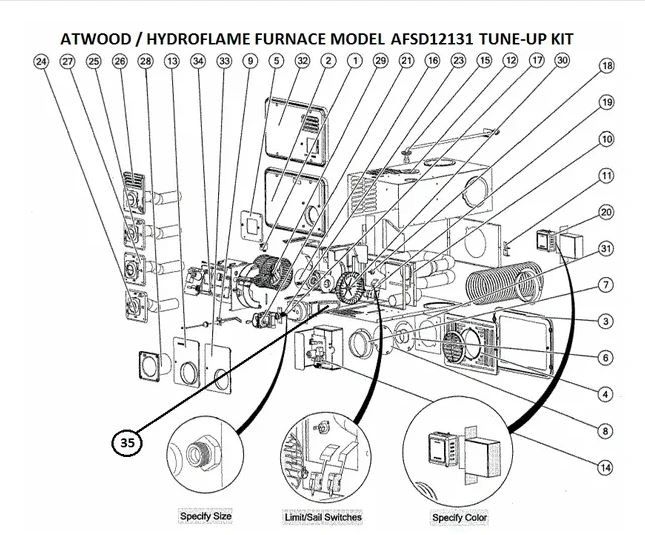
Atwood Hydro Flame Rv Furnace Troubleshooting

Atwood Hydro Flame RV Furnace Troubleshooting: A Comprehensive Guide for Homeowners
RV furnaces are essential for comfortable camping, especially during colder months. Among the popular brands, Atwood Hydro Flame furnaces are known for their reliability. However, like any mechanical system, they can encounter problems. This guide provides a step-by-step approach to troubleshooting common issues, helping you diagnose and potentially fix your Atwood Hydro Flame furnace before calling a professional.
Safety First!
Before you start any troubleshooting, prioritize your safety:
- Disconnect Power: Turn off the RV's main power breaker and disconnect the propane supply.
- Carbon Monoxide Detector: Ensure your RV has a working carbon monoxide detector. Malfunctioning furnaces can leak dangerous gases.
- Ventilation: Work in a well-ventilated area.
- Proper Tools: Use the correct tools for the job to avoid damaging components or injuring yourself.
- Propane Leaks: If you smell propane, immediately shut off the supply and evacuate the RV. Call a qualified technician.
Tools You'll Need
Gather these tools before you begin:
- Screwdrivers (Phillips and flathead)
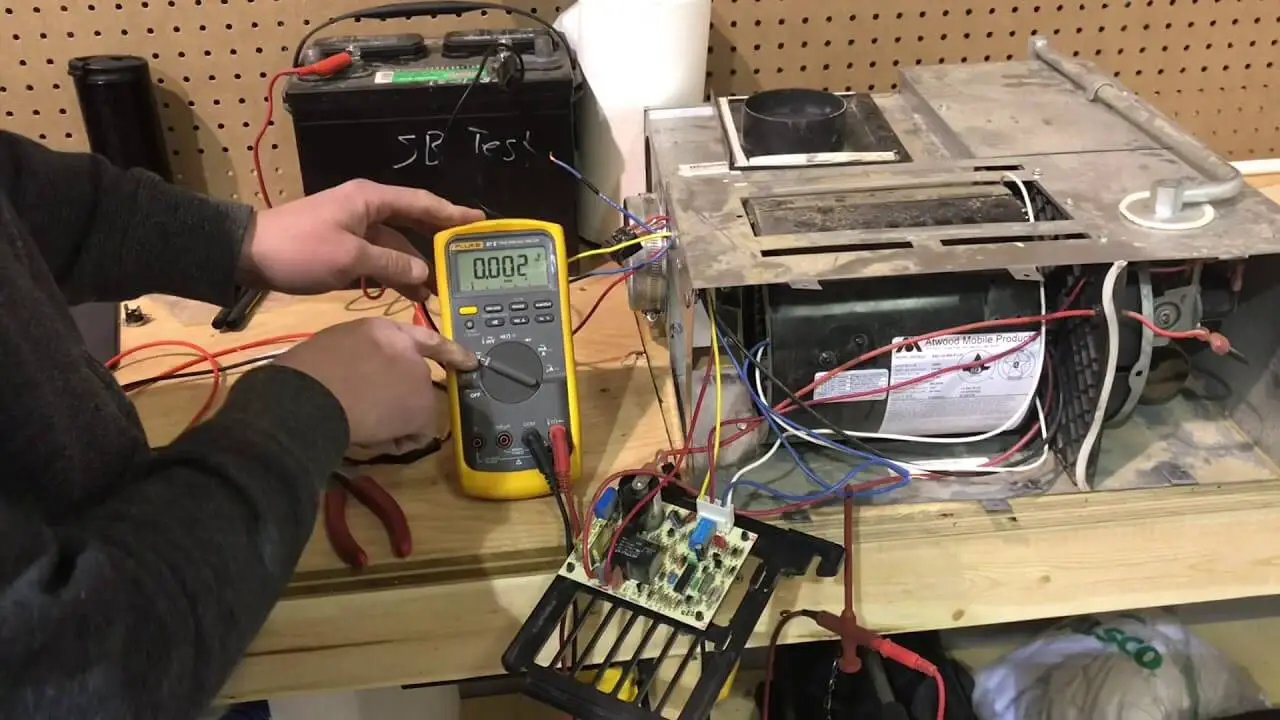
- Multimeter
- Socket set
- Wrench set
- Voltmeter
- Pliers
- Wire stripper/crimper
- Cleaning brush or vacuum
- Safety glasses
- Work gloves
Common Atwood Hydro Flame Furnace Problems and Solutions
Let's dive into the most frequent issues you might encounter:
1. Furnace Not Turning On
This is a common problem, and the source could be simple:
- Check the Thermostat: Ensure the thermostat is set correctly to "heat" and the desired temperature is above the current room temperature. Verify the thermostat is receiving power.
- Battery Voltage: RV furnaces require a good 12V DC power supply. A weak battery is a frequent culprit. Check the battery voltage with a multimeter. It should be above 12 volts when the furnace is trying to start.
- Fuse Check: Locate the furnace fuse in the RV's fuse panel and inspect it. Replace if blown. Often a 15 or 20 amp fuse.
- Sail Switch: The sail switch is a safety device that detects airflow. If the blower motor isn't moving enough air, the sail switch won't close, and the furnace won't ignite. Check for obstructions in the blower wheel or ductwork. A dirty blower wheel will cause problems. Clean the blower wheel carefully.
2. Furnace Turns On But Doesn't Ignite
If the blower motor runs, but the furnace doesn't ignite, consider these:
- Propane Supply: Verify that your propane tanks are full and the valves are open. Check other propane appliances (stove, water heater) to confirm propane flow.
- Gas Valve: The gas valve controls the flow of propane to the burner. A faulty gas valve might not open. Test the gas valve with a multimeter to see if it's receiving voltage when the furnace is trying to ignite. Caution: Working with gas requires expertise. If you are uncomfortable, call a professional.
- Igniter/Electrode: The igniter creates the spark to ignite the propane. Inspect the igniter for cracks or damage. Clean it with fine-grit sandpaper if it appears dirty. If you are using a spark igniter, make sure it is clean and properly positioned. If the igniter is not sparking replace it.
- Flame Sensor: The flame sensor detects the presence of a flame. If the flame sensor is dirty or faulty, it will shut off the gas valve as a safety measure. Clean the flame sensor with fine-grit sandpaper. A rusty or corroded flame sensor might require replacement.
3. Furnace Cycles On and Off (Short Cycling)
Short cycling means the furnace turns on, runs for a short time, and then shuts off, repeating the cycle.
- Overheating: This is the most common cause. Check for blocked vents or returns. Ensure adequate airflow around the furnace. Restricted airflow can cause the furnace to overheat and shut down.
- Limit Switch: The limit switch is a safety device that shuts off the furnace if it overheats. If the limit switch is tripping repeatedly, it indicates a more serious problem, such as a faulty blower motor or restricted airflow. Check the limit switch for continuity with a multimeter. It should have continuity when the furnace is cool.
- Thermocouple (Older Models): Older Atwood furnaces may use a thermocouple instead of a flame sensor. A faulty thermocouple can cause short cycling.
4. Furnace Emits Unusual Noises
Strange noises can indicate various problems:
- Rattling: Loose screws, panels, or debris in the ductwork can cause rattling. Inspect the furnace and ductwork for loose components.
- Squealing: A squealing noise usually indicates a problem with the blower motor. The bearings might be worn or the motor might be failing. Lubricate the blower motor bearings (if accessible) or consider replacing the motor.
- Popping: Popping sounds can be caused by expanding and contracting metal as the furnace heats up and cools down. This is usually normal, but excessive popping could indicate a problem with the heat exchanger.
5. Furnace Produces a Burning Smell
A burning smell is a serious concern and should be addressed immediately.
- Dust and Debris: The most common cause is dust and debris burning off the heat exchanger. This usually happens when the furnace is first turned on after a period of inactivity. Run the furnace for a short time to burn off the debris.
- Electrical Components: A burning smell could also indicate a problem with electrical components, such as the blower motor or wiring. Inspect the wiring and components for signs of burning or damage. Disconnect the power immediately if you suspect an electrical problem.
- Foreign Objects: Check for foreign objects that may have fallen into the furnace or ductwork.
Troubleshooting Chart Summary
| Problem | Possible Cause | Solution |
|---|---|---|
| Furnace Not Turning On | Thermostat Setting, Battery Voltage, Blown Fuse, Sail Switch | Check thermostat, test battery, replace fuse, inspect sail switch/blower |
| Turns On, Doesn't Ignite | Propane Supply, Gas Valve, Igniter/Electrode, Flame Sensor | Check propane, test gas valve, clean/replace igniter, clean flame sensor |
| Short Cycling | Overheating, Limit Switch, Thermocouple (older) | Check airflow, test limit switch, replace thermocouple |
| Unusual Noises | Loose Components, Blower Motor, Expanding Metal | Tighten screws, lubricate/replace blower motor, inspect heat exchanger |
| Burning Smell | Dust/Debris, Electrical, Foreign Object | Burn off debris, inspect wiring, remove object |
DIY vs. Calling a Professional
Many basic troubleshooting steps, such as checking fuses, cleaning components, and verifying propane supply, can be safely performed by DIY enthusiasts. However, complex repairs involving gas valves, electrical wiring, and heat exchangers should be left to qualified HVAC technicians.
When to Call a Professional:
- You smell propane.
- You suspect a gas leak.
- You are uncomfortable working with gas or electricity.
- The furnace requires repairs to the gas valve or heat exchanger.
- You are unable to diagnose the problem after performing basic troubleshooting.
Estimated Repair Costs
Repair costs can vary depending on the problem and the technician's labor rates. Here's a general estimate:
- Simple Repairs (fuse replacement, cleaning): $50 - $150
- Igniter/Flame Sensor Replacement: $150 - $300
- Gas Valve Replacement: $300 - $500
- Blower Motor Replacement: $400 - $700
- Heat Exchanger Replacement: $800 - $1500 (or consider furnace replacement)
These are estimates, and it's always best to get a quote from a qualified technician before proceeding with any repairs.
Preventative Maintenance
Regular maintenance can help prevent furnace problems and extend its lifespan:
- Annual Inspection: Have a qualified technician inspect and service your furnace annually.
- Clean the Blower Wheel: Regularly clean the blower wheel to ensure proper airflow.
- Check Vents and Returns: Ensure vents and returns are clear of obstructions.
- Inspect Ductwork: Inspect the ductwork for leaks or damage.
- Replace Air Filter: If your furnace has one, replace the air filter regularly.
By following these troubleshooting steps and preventative maintenance tips, you can keep your Atwood Hydro Flame RV furnace running smoothly and enjoy comfortable camping for years to come.