Automatic Gas Shut Off Valve For Commercial Kitchen

Automatic Gas Shut-Off Valves: Boosting Commercial Kitchen Safety and Efficiency
Commercial kitchens are energy guzzlers. From ovens and ranges to fryers and broilers, these spaces rely heavily on natural gas, contributing significantly to operational costs. But what if you could enhance safety, reduce energy waste, and even qualify for rebates, all while streamlining your kitchen's operations? The answer lies in automatic gas shut-off valves (AGSVs).
Understanding Automatic Gas Shut-Off Valves
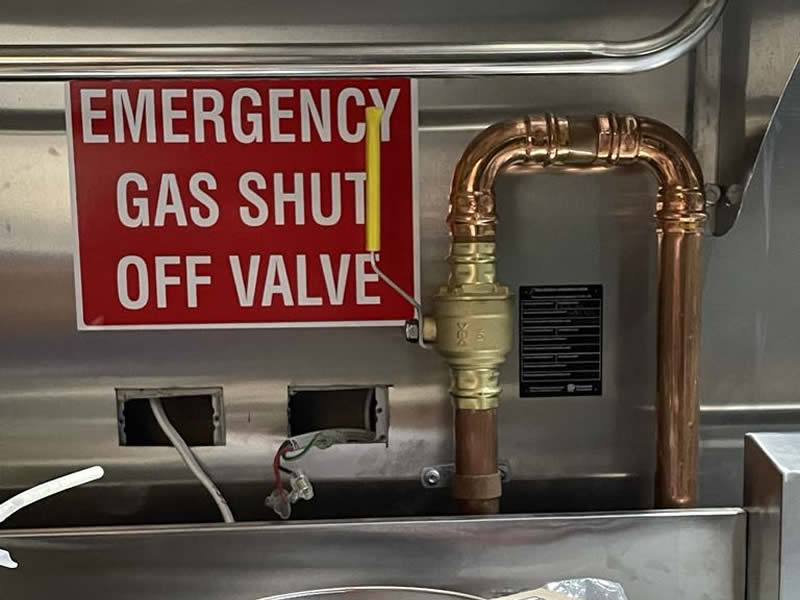
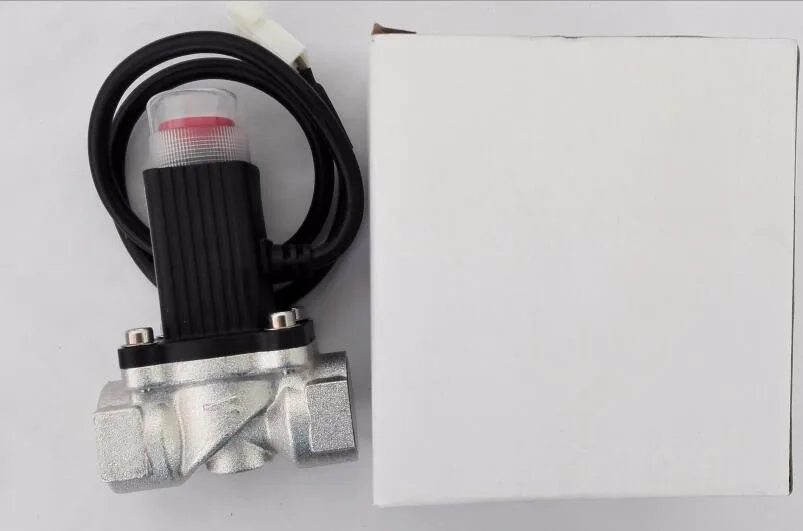
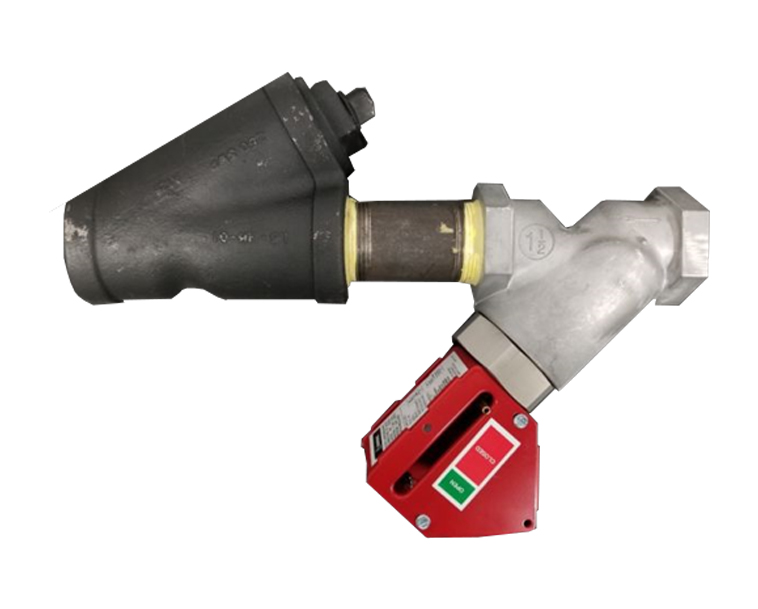
An AGSV is a safety device designed to automatically cut off the gas supply to kitchen appliances in the event of a hazard. Traditionally, these valves were manually operated, requiring someone to physically turn them off. However, modern AGSVs offer automation and intelligent control, providing significant advantages.
These valves typically integrate with other kitchen systems, such as:
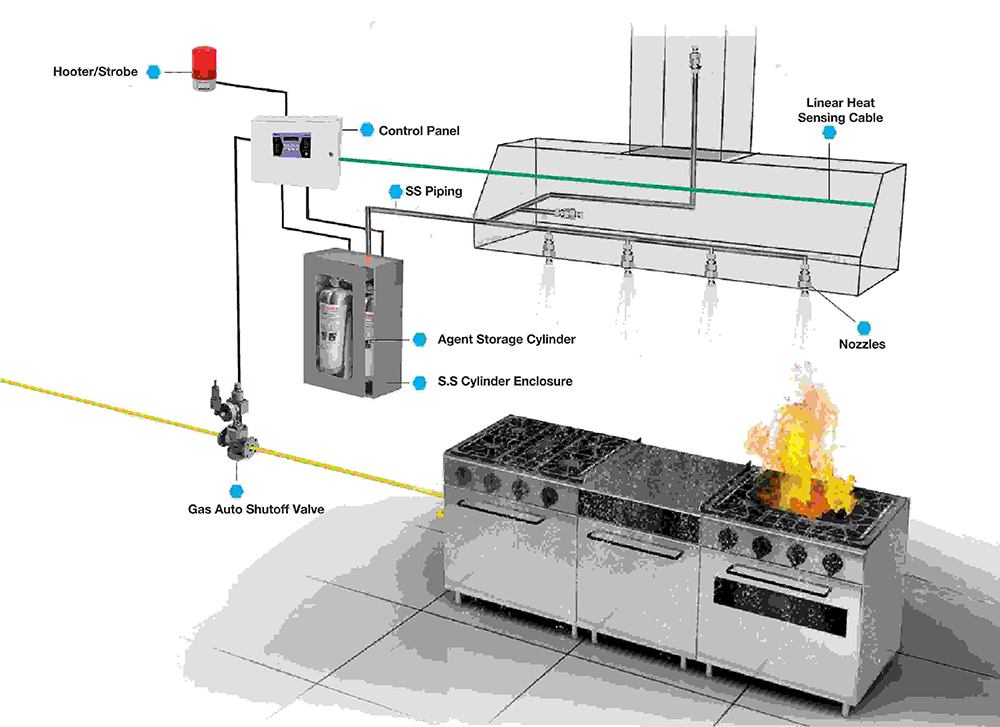
- Fire Suppression Systems: The most common integration. In case of a fire, the AGSV automatically shuts off the gas supply, preventing the fire from escalating due to fuel supply.
- Exhaust Hood Systems: Many jurisdictions mandate that the gas supply is interlocked with the exhaust hood. If the hood isn't operating, the AGSV prevents gas appliances from being used, reducing the risk of carbon monoxide build-up and wasted energy.
- Seismic Sensors: In earthquake-prone areas, seismic sensors can trigger the AGSV, preventing gas leaks and potential explosions following an earthquake.
- Smart HVAC and Building Management Systems (BMS): Integrating AGSVs with smart systems allows for remote monitoring, control, and automated shut-off based on pre-programmed schedules or sensor readings (e.g., detecting a gas leak).
The Benefits of Automatic Gas Shut-Off Valves
Investing in an AGSV offers a multifaceted return, impacting safety, efficiency, and cost-effectiveness.
Enhanced Safety
The primary benefit is improved safety. AGSVs reduce the risk of gas leaks, fires, and explosions. By automatically cutting off the gas supply in emergencies, they protect employees, customers, and property. This is especially critical during off-hours when no one is present to manually shut off the gas.
Reduced Energy Waste
Energy waste in commercial kitchens is a significant concern. AGSVs help address this in several ways:
- Eliminating Pilot Light Waste: Some older appliances rely on continuous pilot lights, which consume gas even when the appliance isn't in use. While newer appliances often use electronic ignition, an AGSV can ensure that no gas is wasted overnight or during periods of inactivity, even if older equipment is still in use.
- Optimizing Appliance Usage: When integrated with a BMS, the AGSV can be programmed to shut off gas supply to specific appliances during periods of low demand or when the kitchen is closed. This prevents standby energy consumption.
- Preventing Leaks: A sudden, unexplained drop in gas pressure can automatically trigger the AGSV shutoff, saving energy and preventing a dangerous buildup of leaked gas.
Cost Savings
The reduced energy waste translates directly into cost savings. While the initial investment in an AGSV may seem substantial, the long-term return on investment (ROI) can be significant.
Consider this hypothetical scenario: A restaurant spends $5,000 per month on natural gas. An AGSV reduces gas consumption by 10% through optimized usage and leak prevention. This results in a monthly saving of $500, or $6,000 annually. The AGSV pays for itself in a relatively short timeframe.
Beyond direct energy savings, AGSVs can also lower insurance premiums. Insurance companies often offer discounts to businesses that implement safety measures, such as automatic gas shut-off systems.
Compliance and Rebates
Many jurisdictions require AGSVs in commercial kitchens, particularly those with exhaust hood systems. Installing an AGSV ensures compliance with local codes and regulations, avoiding potential fines and penalties.
Furthermore, many utility companies and government agencies offer rebates and incentives for businesses that invest in energy-efficient equipment, including AGSVs. These rebates can further reduce the initial cost of the system and accelerate the ROI. Check with your local utility company and the Energy Star program for available rebates and incentives.
Integrating AGSVs with Smart HVAC Systems
The true potential of AGSVs is unlocked when integrated with smart HVAC and building management systems. This integration allows for:
- Remote Monitoring and Control: Monitor gas consumption in real-time, receive alerts in case of leaks or malfunctions, and remotely shut off the gas supply from anywhere with an internet connection.
- Automated Scheduling: Program the AGSV to shut off the gas supply to specific appliances based on pre-defined schedules. For example, the AGSV can automatically shut off the gas to the fryer at the end of the night and turn it back on before the morning shift.
- Data Analysis and Optimization: Track gas consumption patterns, identify areas of waste, and optimize appliance usage to maximize energy savings. This data can be crucial for making informed decisions about equipment upgrades and operational improvements.
- Integration with Smart Thermostats and Sensors: Connect the AGSV to smart thermostats and sensors to automatically adjust gas consumption based on occupancy, temperature, and other factors. For example, if a kitchen is unoccupied, the gas supply to certain appliances can be automatically reduced or shut off.
The integration with smart systems elevates AGSVs from simple safety devices to powerful energy management tools. By combining safety with efficiency, these systems offer a compelling value proposition for commercial kitchens.
Choosing the Right AGSV for Your Needs
Selecting the appropriate AGSV requires careful consideration of several factors:
- Gas Line Size and Capacity: The AGSV must be properly sized to handle the gas flow requirements of your kitchen appliances. Consult with a qualified HVAC contractor to determine the correct size.
- Voltage and Power Requirements: Ensure that the AGSV is compatible with your electrical system.
- Integration Capabilities: Consider the type of integration you need. Do you require integration with a fire suppression system, exhaust hood system, or BMS? Choose an AGSV that supports the necessary protocols and communication standards.
- Certifications and Approvals: Look for AGSVs that are certified by reputable organizations, such as UL (Underwriters Laboratories) or CSA (Canadian Standards Association). These certifications ensure that the valve meets stringent safety and performance standards.
- Installation and Maintenance: Choose an AGSV that is relatively easy to install and maintain. Consider the availability of local service and support.
Installation and Maintenance
Proper installation is crucial for the safe and reliable operation of an AGSV. It's strongly recommended to hire a licensed and qualified HVAC contractor to install the valve. The contractor will ensure that the valve is properly sized, connected, and integrated with other kitchen systems.
Regular maintenance is also essential. Schedule periodic inspections to check for leaks, corrosion, and other signs of damage. The AGSV should be tested regularly to ensure that it functions properly in the event of an emergency. Consult the manufacturer's recommendations for specific maintenance procedures.
Example Data and Comparisons
A study conducted by the U.S. Department of Energy found that implementing energy-efficient measures in commercial kitchens, including AGSVs, can reduce energy consumption by up to 30%. Another study by the California Energy Commission showed that AGSVs can save restaurants an average of $500 to $1,000 per year on their gas bills.
Compared to manually operated gas shut-off valves, AGSVs offer superior safety and convenience. Manually operated valves rely on human intervention, which can be slow or unreliable in emergencies. AGSVs, on the other hand, provide automatic and instantaneous shut-off, minimizing the risk of damage and injury.
Conclusion: A Smart Investment for a Safer, More Efficient Kitchen
Automatic gas shut-off valves are no longer a luxury; they are a necessity for modern commercial kitchens. By enhancing safety, reducing energy waste, and improving operational efficiency, AGSVs offer a compelling return on investment. Whether you're a restaurant owner looking to lower your energy bills or an HVAC contractor seeking to provide your customers with the best solutions, AGSVs are a smart choice.
Embrace the power of automation and integration to create a safer, more sustainable, and more profitable commercial kitchen. Remember to consult with qualified professionals to select and install the right AGSV for your specific needs, and take advantage of available rebates and incentives to maximize your savings.
Don't wait for a disaster to happen. Invest in an AGSV today and protect your business, your employees, and the environment.