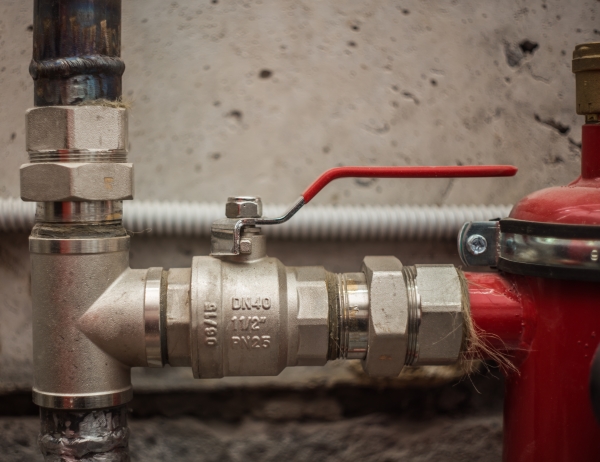
Automatic Main Water Shut Off Valve

Frequently Asked Questions: Automatic Main Water Shut Off Valves
Water damage is a serious threat to homes and businesses. An automatic main water shut off valve can provide a critical layer of protection, but many property owners have questions about how they work and whether they're the right solution. This FAQ addresses common concerns and provides straightforward answers.
Q: What is an automatic main water shut off valve and how does it work?
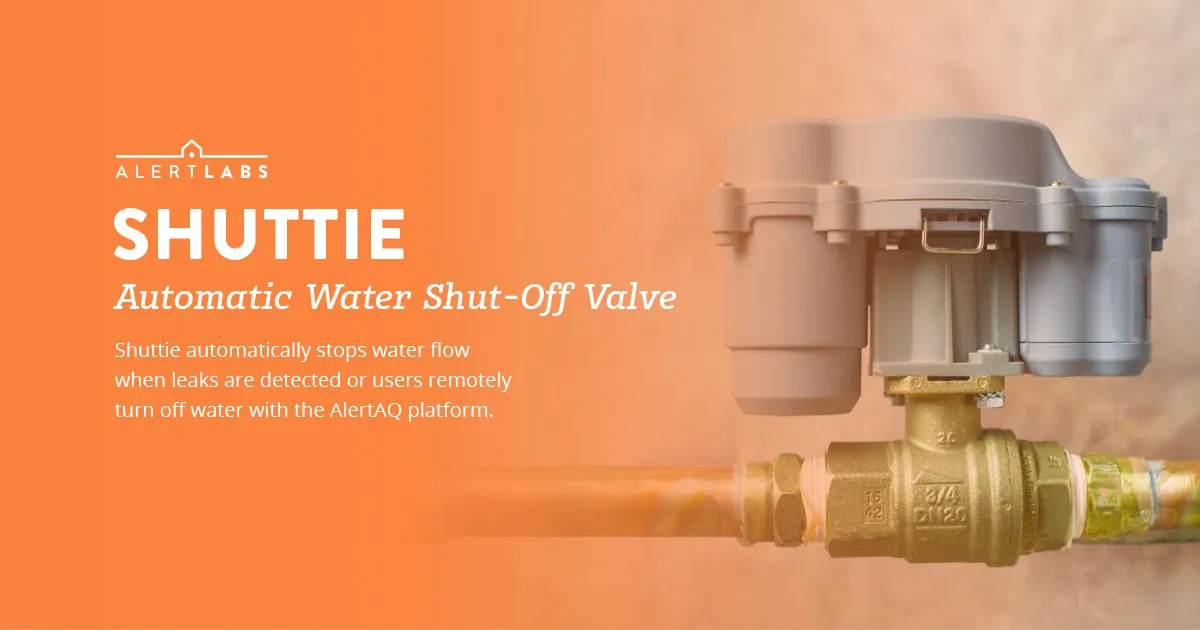
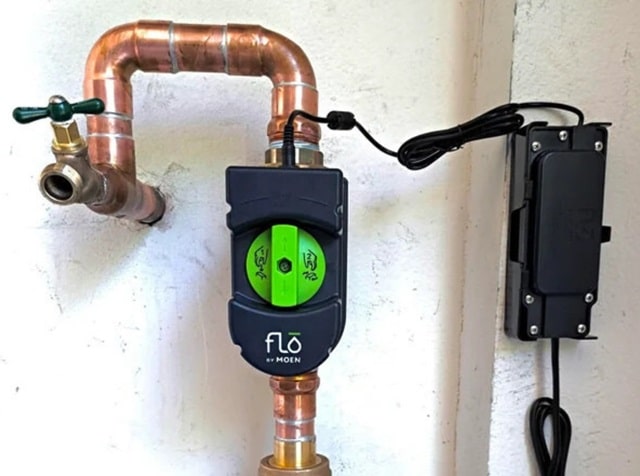
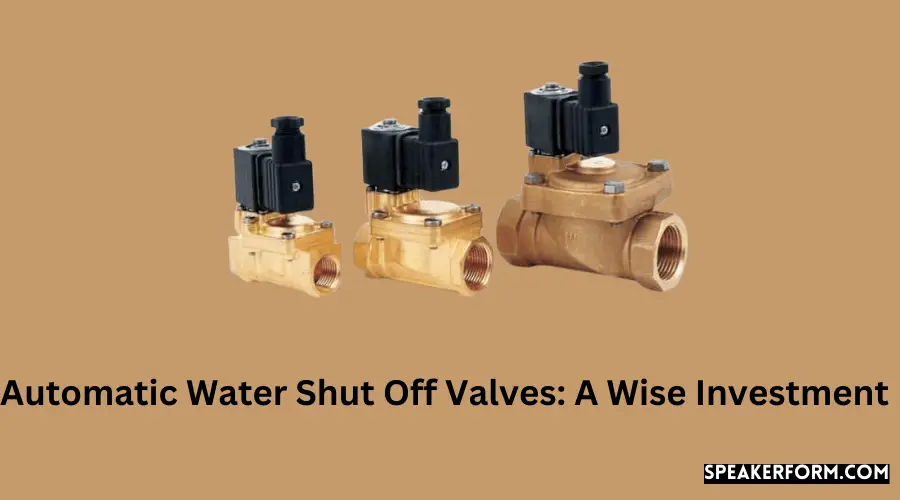
An automatic main water shut off valve is a device installed on your main water line that automatically shuts off the water supply to your entire property when it detects a problem, like a leak. Think of it as a safety net for your plumbing.
Here's the basic process:
- Sensors Detect Problems: Most systems use water sensors placed in areas prone to leaks (under sinks, near toilets, washing machines, water heaters, etc.). Some systems also monitor water flow for unusual patterns.
- Signal Transmission: When a sensor detects water, it sends a signal to the shut off valve controller.
- Valve Activation: The controller activates a motorized valve that closes the main water line, stopping the flow of water into your home or building.
- Alerts: Many systems also send alerts to your smartphone, tablet, or computer, notifying you of the shut off and the potential leak.
In essence, it's an early warning and rapid response system designed to minimize water damage.
Q: Why would I need an automatic main water shut off valve? What are the benefits?
The primary benefit is preventing or minimizing extensive water damage. Even small leaks can cause significant damage over time, leading to mold growth, structural problems, and costly repairs. A shut off valve offers several key advantages:
- Leak Detection and Prevention: Quickly detects leaks from burst pipes, dripping faucets, appliance malfunctions, and other plumbing issues.
- Reduced Water Damage: By shutting off the water supply immediately upon detecting a leak, it minimizes the amount of water released, drastically reducing potential damage.
- Lower Insurance Premiums: Some insurance companies offer discounts to homeowners and businesses who install automatic shut off valves. Contact your insurer to inquire.
- Peace of Mind: Provides peace of mind knowing your property is protected, especially when you're away for extended periods. Imagine being on vacation and getting an alert about a leak – you can address it remotely before it becomes a major catastrophe.
- Water Conservation: By quickly stopping leaks, it helps conserve water, reducing your water bill and benefiting the environment.
- Remote Monitoring and Control: Many systems allow you to monitor water usage and even shut off the water remotely via a smartphone app. This can be useful if you suspect a leak but are not at the property.
- Protection against frozen pipe bursts: Some advanced systems can even detect freezing temperatures and proactively shut off the water to prevent pipes from bursting in cold weather.
Essentially, it's an investment in protecting your property and minimizing the financial and emotional stress associated with water damage.
Q: What are the different types of automatic main water shut off valves available?
There are several types of automatic main water shut off valves, each with its own features and benefits. The best choice for you depends on your specific needs and budget.
- Leak Detection Systems: These systems rely on water sensors placed throughout your property. When a sensor detects water, it signals the valve to shut off. These are the most common type and are effective for detecting leaks from various sources.
- Flow-Based Systems: These systems monitor water flow patterns. If the system detects unusual or excessive water usage (e.g., continuous flow for an extended period), it will shut off the water. This can be useful for detecting slow leaks that might not trigger a sensor immediately.
- Pressure-Based Systems: These systems monitor the water pressure in your plumbing system. A sudden drop in pressure can indicate a burst pipe, triggering the valve to shut off.
- Freeze Protection Systems: As mentioned earlier, these systems monitor the temperature of your pipes. If the temperature drops below a certain threshold, the system will shut off the water to prevent freezing and bursting. Some systems combine freeze detection with leak detection for comprehensive protection.
- Manual Override: All systems should include a manual override feature, allowing you to shut off or turn on the water manually in case of a power outage or system malfunction. Familiarize yourself with the location and operation of the manual override.
When choosing a system, consider the size of your property, the areas most prone to leaks, and the features that are most important to you.
Q: How is an automatic main water shut off valve installed? Is it a DIY project?
While some homeowners may be tempted to install an automatic main water shut off valve themselves, it is generally recommended to hire a qualified plumber. Improper installation can lead to leaks, system malfunctions, and even damage to your plumbing system.
Here's why professional installation is usually the best approach:
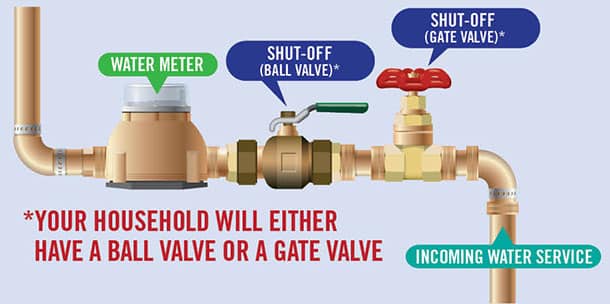
- Proper Valve Placement: The valve needs to be installed on the main water line after the water meter and pressure regulator (if applicable). A plumber will know the correct location and ensure proper access for maintenance and repairs.
- Secure Connections: Plumbing connections need to be watertight to prevent leaks. A plumber has the tools and expertise to make secure connections that will last.
- Electrical Wiring (if applicable): Some systems require electrical wiring to power the valve and sensors. A plumber can ensure the wiring is done safely and according to code.
- System Configuration and Testing: A plumber can properly configure the system, test the sensors, and ensure that the valve shuts off correctly when a leak is detected. They can also walk you through the system's features and operation.
- Warranty Considerations: In many cases, the manufacturer's warranty may be voided if the system is not installed by a licensed professional.
- Building Codes and Permits: Some jurisdictions may require permits for plumbing work. A plumber will be familiar with local building codes and can obtain any necessary permits.
While the upfront cost of professional installation may be higher, it's an investment in the long-term reliability and performance of the system.
Q: How much do automatic main water shut off valves cost, including installation?
The cost of an automatic main water shut off valve system can vary widely depending on the type of system, the number of sensors, the complexity of the installation, and the brand.
Here's a general breakdown of the costs:
- Valve and Sensor System: The cost of the valve and sensor system itself can range from $200 to $1,500 or more. Simple leak detection systems with a few sensors tend to be on the lower end of the price range, while more sophisticated systems with advanced features (like flow monitoring, freeze protection, and remote control) will be more expensive.
- Installation Costs: Professional installation can add $300 to $1,000 or more to the total cost. The actual cost will depend on the complexity of the installation (e.g., the accessibility of the main water line, the need for electrical wiring, etc.) and the plumber's hourly rate.
- Ongoing Costs: Some systems may require a monthly subscription fee for remote monitoring and alerts. Be sure to factor in these recurring costs when evaluating different systems.
To get an accurate estimate, it's best to get quotes from several licensed plumbers in your area. Be sure to ask for a detailed breakdown of the costs, including the cost of the valve and sensor system, the installation labor, and any ongoing fees.
While the initial investment may seem significant, remember that it's a relatively small price to pay compared to the cost of repairing water damage, which can easily run into thousands or even tens of thousands of dollars.
Q: How do I maintain my automatic main water shut off valve?
Proper maintenance is essential to ensure that your automatic main water shut off valve system functions reliably. Fortunately, maintenance is usually straightforward. Here are some key maintenance tips:
- Regularly Test the System: Test the system at least every six months to ensure that the valve shuts off correctly when a leak is simulated. Most systems have a test button that you can press to trigger the shut off. Follow the manufacturer's instructions for testing.
- Check the Sensors: Inspect the sensors regularly for signs of damage or corrosion. Clean the sensors with a damp cloth if necessary. Replace the sensors if they are not functioning properly. Many sensors have a limited lifespan (e.g., 5-10 years), so be sure to replace them as needed.
- Check the Valve: Inspect the valve for leaks or other signs of damage. If you notice any problems, contact a plumber for repairs.
- Replace Batteries (if applicable): Some sensors and controllers are battery-powered. Replace the batteries regularly to ensure that the system is always operational.
- Keep the Area Around the Valve Clear: Ensure that the area around the valve is clear of obstructions so that it can be easily accessed for maintenance and repairs.
- Follow the Manufacturer's Instructions: Refer to the manufacturer's instructions for specific maintenance recommendations for your system.
- Consider Professional Inspection: Consider having a plumber inspect your system annually to ensure that it is functioning properly and to identify any potential problems before they become major issues.
By following these simple maintenance tips, you can help ensure that your automatic main water shut off valve system provides reliable protection against water damage for years to come.
Q: What happens during a power outage? Will the valve still work?
This is a very important question. The functionality of an automatic main water shut off valve during a power outage depends on the system's design.
- Battery Backup: Many systems come with a battery backup that will power the valve and sensors in the event of a power outage. The battery backup will typically last for several hours or even days, depending on the system and the battery capacity. Make sure to check the battery's charge level regularly and replace it as needed.
- Manual Override: As mentioned earlier, all systems should have a manual override feature. This allows you to manually shut off or turn on the water in case of a power outage or system malfunction. Learn how to use the manual override and keep the tool required to operate it readily available.
- Systems Without Backup: Some systems may not have a battery backup. In this case, the valve will likely remain in its current position (either open or closed) during a power outage. If the valve was open when the power went out, it will remain open. If the valve was closed (e.g., due to a leak detection), it will remain closed.
Before purchasing a system, be sure to ask about its power outage capabilities and choose a system with a battery backup if you want to ensure that it will continue to function during a power outage. Always familiarize yourself with the location and operation of the manual override, regardless of whether the system has a battery backup.