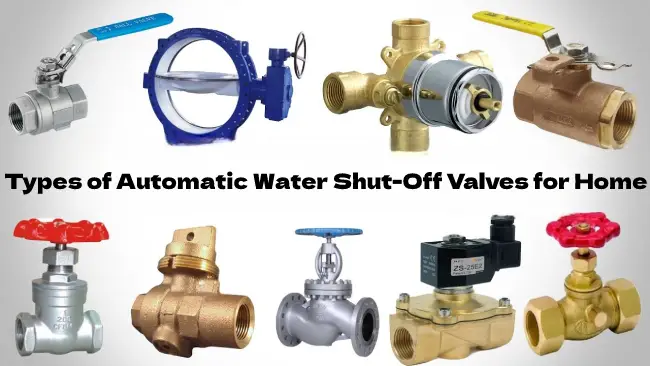
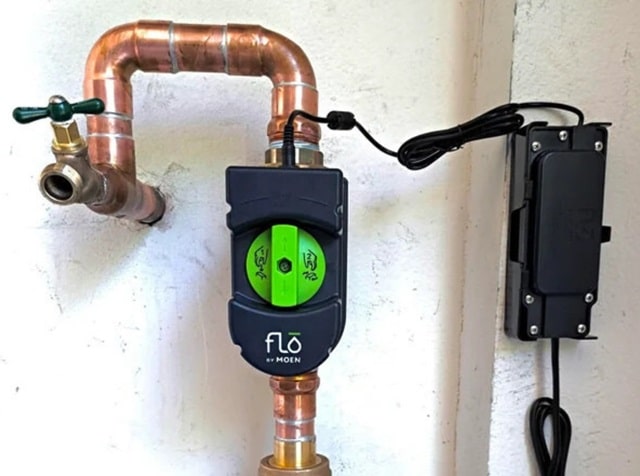
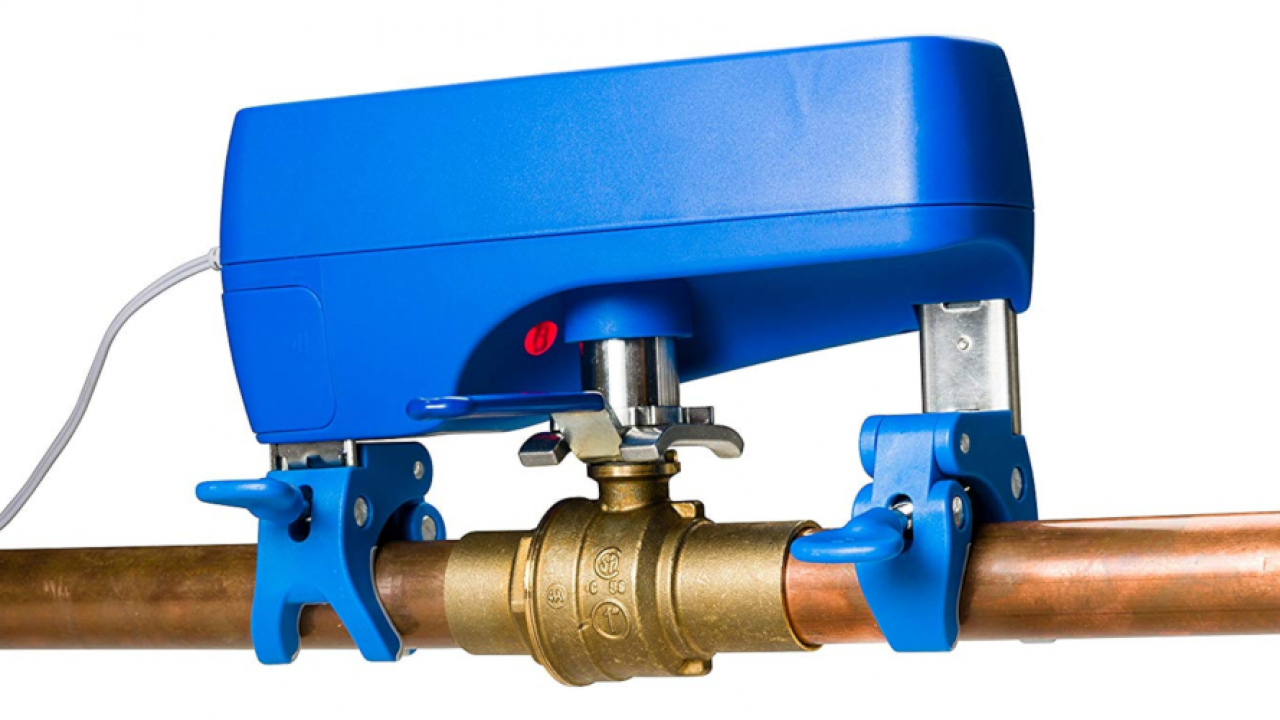
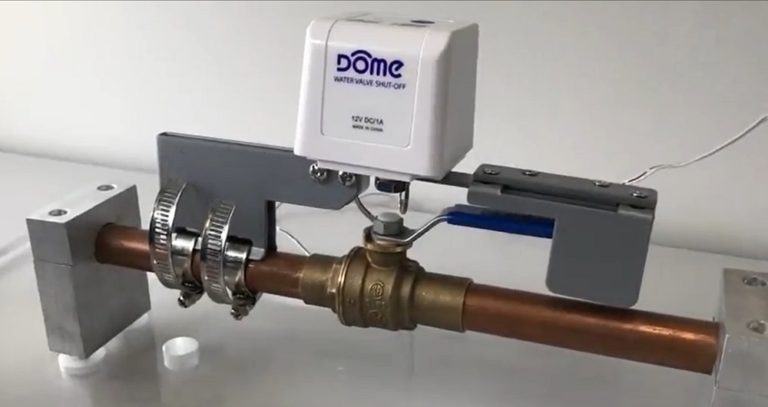
Automatic Water Shut Off Valve For Homes

One of the most unsettling experiences for a homeowner is discovering a leak – whether it's a dripping faucet, a burst pipe, or a slow, insidious seep behind a wall. The potential for water damage and the resulting repair costs can be substantial. This is where automatic water shut-off valves come in, offering a layer of protection by automatically turning off your water supply when a leak is detected. However, like any piece of technology, these valves can sometimes malfunction. This guide will walk you through troubleshooting common problems with your automatic water shut-off valve, helping you diagnose the issue and potentially resolve it yourself, while also knowing when it's time to call in a professional.
Common Problems and Troubleshooting Steps
1. The Valve Fails to Shut Off During a Known Leak
This is arguably the most critical failure. If you know you have a leak (perhaps you've triggered a sensor manually), but the valve doesn't shut off, immediate action is required.
Diagnosis:
- Verify Power Supply: The most common culprit is a loss of power.
- Step 1: Check the power outlet the valve is plugged into. Is it working? Test it with another appliance. If not, check the breaker in your electrical panel. A tripped breaker is a simple fix.
- Step 2: If the outlet is fine, check the valve's power cord for any damage or loose connections. Replace the cord if necessary.
- Step 3: If the valve has a battery backup, ensure the battery is charged or replace it. A dead battery can prevent the valve from functioning during a power outage.
- Inspect the Valve Itself: Look for any visible damage to the valve body, wiring, or control panel.
- Check Sensor Connectivity: If the valve relies on external leak sensors, ensure they are properly connected and transmitting signals to the valve.
- Test the Valve Manually: Most valves have a manual override. Use this to try closing the valve. If it closes manually but not automatically, the problem likely lies in the sensor or control circuitry.
DIY Fixes:
- Reset the Valve: Many valves have a reset button. Pressing it may clear any temporary glitches. Consult your valve's manual for the proper reset procedure.
- Reconnect or Replace Sensors: If the sensors appear damaged or disconnected, try reconnecting them securely. If they are clearly damaged, replace them with compatible sensors.
When to Call a Professional:
- If the valve fails to close manually, the mechanical components inside the valve itself may be faulty. Do not attempt to disassemble the valve. This requires specialized knowledge and could damage your plumbing.
- If you suspect an electrical problem within the valve's control unit (e.g., you see burnt components or smell burning), do not attempt to repair it yourself. Contact a qualified electrician or plumber.
- If you've tried the above steps and the valve still doesn't respond to sensor input, the control circuitry is likely malfunctioning, and professional repair or replacement is necessary.
- If the leak persists despite your efforts, contact a plumber immediately to address the source of the leak and prevent further damage.
2. The Valve Shuts Off Unexpectedly (False Alarm)
A false alarm can be disruptive and frustrating. It's important to determine the cause to prevent future occurrences.
Diagnosis:
- Check for Actual Leaks: Thoroughly inspect all areas near leak sensors, including under sinks, around toilets, and near appliances like washing machines and dishwashers. Even a small amount of moisture can trigger a sensor.
- Sensor Placement: Ensure sensors are not placed in areas prone to condensation or minor spills. Relocate them if necessary.
- Sensor Sensitivity: Some sensors are overly sensitive. Adjust the sensitivity settings if possible (consult your valve's manual).
- Sensor Malfunction: Sensors can fail. Try swapping sensors to see if the problem follows a particular sensor. If it does, replace the faulty sensor.
- Interference: In rare cases, radio frequency interference can trigger wireless sensors. Try relocating the valve's control unit or sensors to reduce interference.
DIY Fixes:
- Dry the Sensors: If sensors are wet, dry them thoroughly and reset the valve.
- Relocate Sensors: Move sensors away from areas prone to moisture.
- Adjust Sensitivity: Reduce the sensitivity of overly sensitive sensors.
- Replace Batteries: Low batteries in wireless sensors can sometimes cause erratic behavior. Replace them.
When to Call a Professional:
- If the valve continues to shut off unexpectedly even after you've checked for leaks and addressed sensor placement/sensitivity, the problem might be with the valve's control system itself. A professional plumber or electrician can diagnose and repair the issue.
- If you suspect electrical interference is causing the false alarms and you're unable to resolve it by relocating the components, consult with an electrician experienced in troubleshooting such issues.
3. The Valve Emits a Warning Sound or Error Code
Many automatic water shut-off valves have built-in diagnostic features and will alert you to potential problems via an audible alarm or error code on the control panel.
Diagnosis:
- Consult the Manual: This is the most important step. The manual will explain the meaning of the specific warning sound or error code.
- Check for Common Issues: Based on the manual's description of the error, check for the most likely causes, such as low battery, sensor disconnection, or valve obstruction.
DIY Fixes:
- Replace the Battery: A low battery is a common cause of warnings.
- Reconnect Sensors: Ensure sensors are securely connected.
- Clear Obstructions: If the error code indicates a valve obstruction, carefully inspect the area around the valve for any debris that might be blocking its operation.
When to Call a Professional:
- If the error code indicates a more serious problem, such as a motor failure or a control board malfunction, professional repair is required.
- If you're unable to understand the meaning of the error code or are uncomfortable performing the recommended troubleshooting steps, it's best to consult a qualified plumber or electrician.
4. The Valve is Difficult to Open or Close Manually
A stiff or unresponsive manual valve can indicate a problem with the valve's internal mechanism.
Diagnosis:
- Check for Debris: Inspect the valve body for any visible debris that might be obstructing its movement.
- Lubricate the Valve: Apply a silicone-based lubricant to the valve's moving parts. This can help to loosen any corrosion or buildup.
DIY Fixes:
- Clean the Valve: Carefully clean the valve body and surrounding area to remove any debris.
- Lubricate Moving Parts: Apply silicone-based lubricant to the valve stem and any other moving parts.
When to Call a Professional:
- If the valve remains difficult to operate even after cleaning and lubrication, the internal mechanism may be damaged or corroded. Professional repair or replacement is necessary.
- Do not force the valve. This could damage it further and potentially cause a leak.
Preventative Maintenance
Regular maintenance can help prevent problems with your automatic water shut-off valve and ensure it functions reliably when you need it most.
- Inspect Sensors Regularly: Check sensors for damage, corrosion, and proper placement.
- Test the Valve Periodically: Manually trigger the valve to shut off and verify that it functions correctly.
- Replace Batteries: Replace batteries in wireless sensors and the valve's backup battery on a regular basis (as recommended by the manufacturer).
- Keep the Area Around the Valve Clear: Ensure there is no debris or obstructions around the valve that could interfere with its operation.
Safety First!
Before performing any troubleshooting steps, always turn off the power to the valve and shut off the main water supply to your home if you suspect a leak or are working on the valve itself. This will prevent electrical shock and water damage.
Remember, while this guide provides helpful troubleshooting steps, safety is paramount. If you're uncomfortable performing any of these tasks, or if you suspect a serious problem, don't hesitate to call a qualified plumber or electrician. A small investment in professional help can save you from costly repairs and potential water damage in the long run.