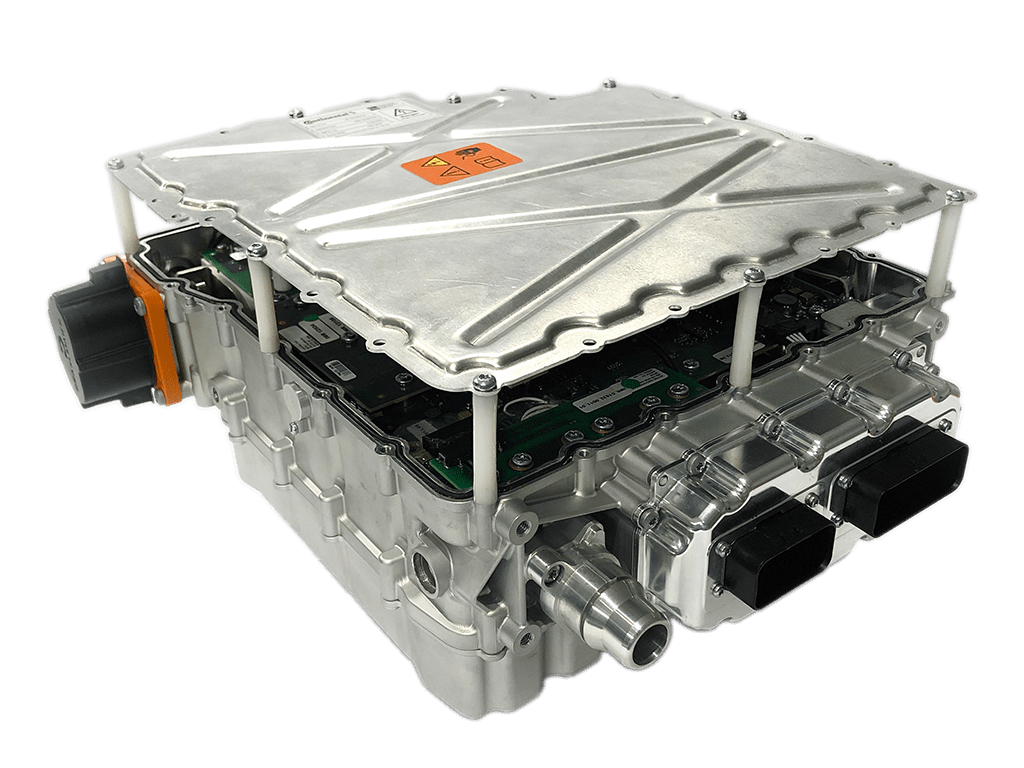
Auxiliary Power Units For Electric Vehicles
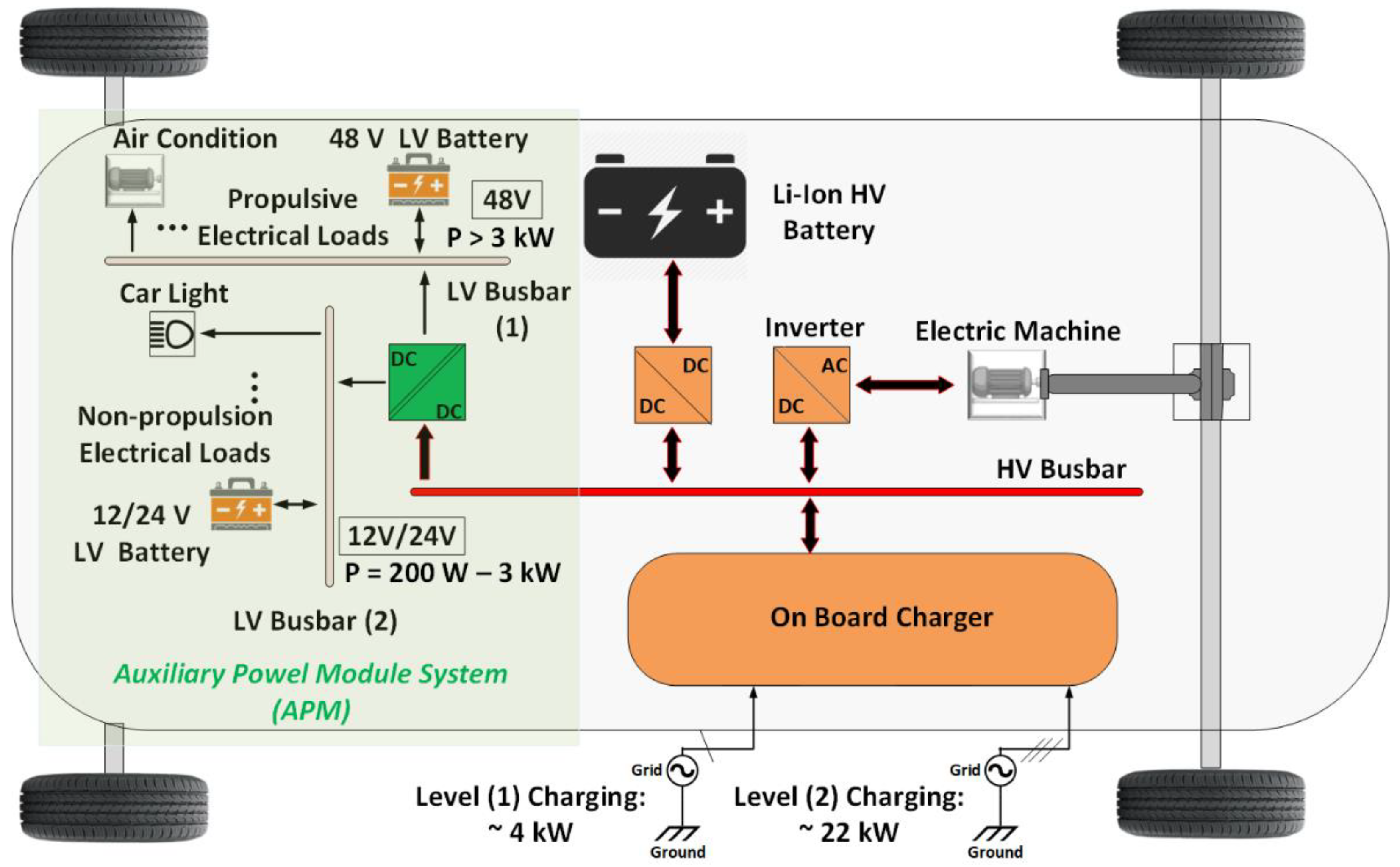
Just like a regular car, an electric vehicle (EV) may have an Auxiliary Power Unit (APU). While not as common as in traditional combustion engine vehicles, and serving a different purpose, an APU in an EV provides power for auxiliary systems, increasing range and efficiency. This article will guide you through troubleshooting common issues related to EV APUs, but it's crucial to remember that working with EVs involves high voltages and potentially dangerous components. Always prioritize safety and consult a qualified technician when in doubt.
Let's start with a familiar scenario: your refrigerator stops working. It's frustrating, and the first instinct is to panic. But before calling a repair technician, there are a few basic checks you can perform to identify the problem and potentially fix it yourself. Think of troubleshooting an EV APU as a similar process, starting with the simple things and moving to more complex areas.
Troubleshooting a Refrigerator: A Simple Analogy
Let's quickly review how you might troubleshoot a malfunctioning refrigerator. This analogy will highlight the principles we'll apply to EV APUs.
Step 1: Power Supply
The first thing to check is the power supply. Is the refrigerator plugged in? Is the outlet working? Try plugging a lamp into the same outlet to verify it has power. A tripped circuit breaker is another common culprit. Locate your electrical panel and check if the breaker for the refrigerator circuit has tripped. If so, reset it. If it trips again immediately, there might be a short circuit requiring professional attention.
Step 2: Basic Settings
Make sure the refrigerator's temperature settings are correct. A accidentally turned-off thermostat can easily cause the issue. Are the controls set appropriately? Is the door sealing properly? A worn-out door seal can cause the refrigerator to run constantly and eventually fail.
Step 3: Simple Component Checks
Listen to the refrigerator. Do you hear the compressor running? If not, there could be a problem with the compressor itself or its starting relay. However, dealing with the compressor involves potentially dangerous refrigerants and electrical components, so it's best left to a qualified technician. You might, however, check the condenser coils (usually located at the back of the refrigerator) to see if they are clean. Dust buildup can reduce efficiency.
When to Call a Professional:
- If the refrigerator continues to malfunction after checking the power supply, settings, and basic components.
- If you suspect a refrigerant leak.
- If you're uncomfortable working with electrical components.
Now, let's apply these principles to troubleshooting an EV APU.
Troubleshooting Your EV APU: A Step-by-Step Guide
Keep in mind that EV APUs are complex systems. This guide offers basic troubleshooting steps. Any work involving high-voltage components should ONLY be performed by qualified and certified EV technicians.
Understanding Your EV APU
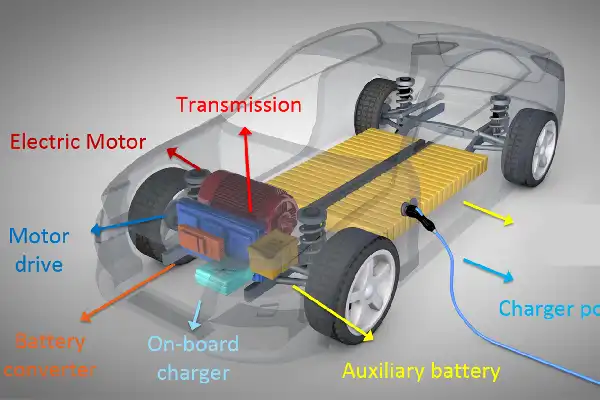
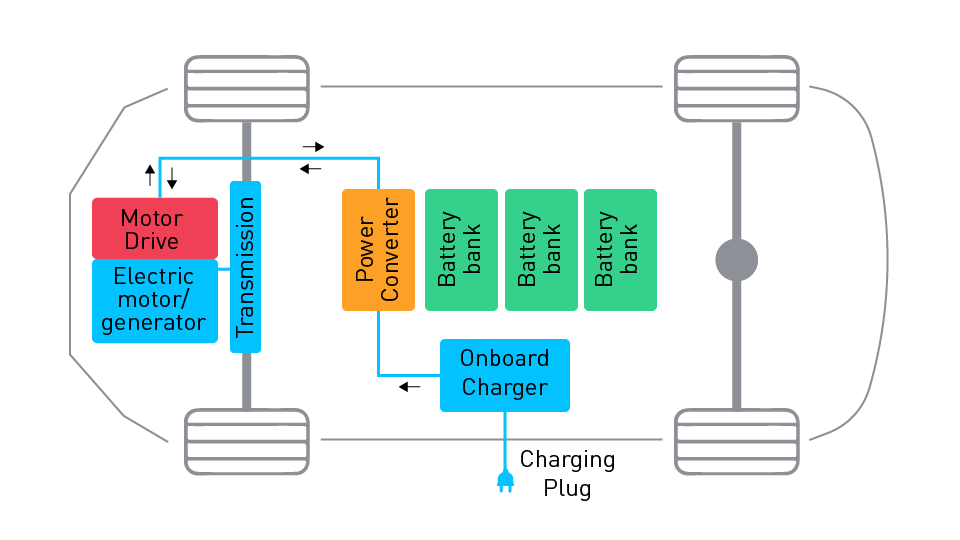
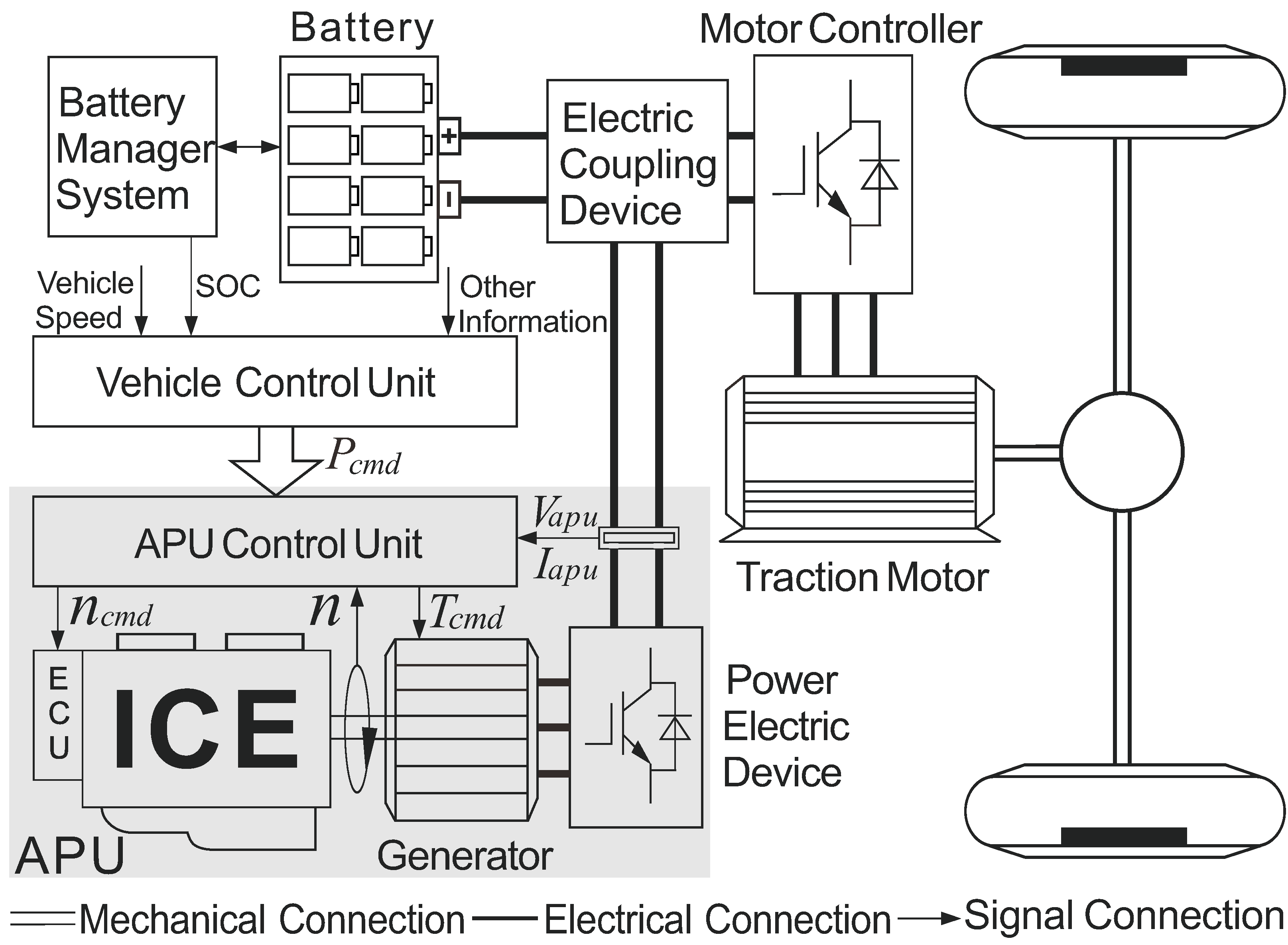
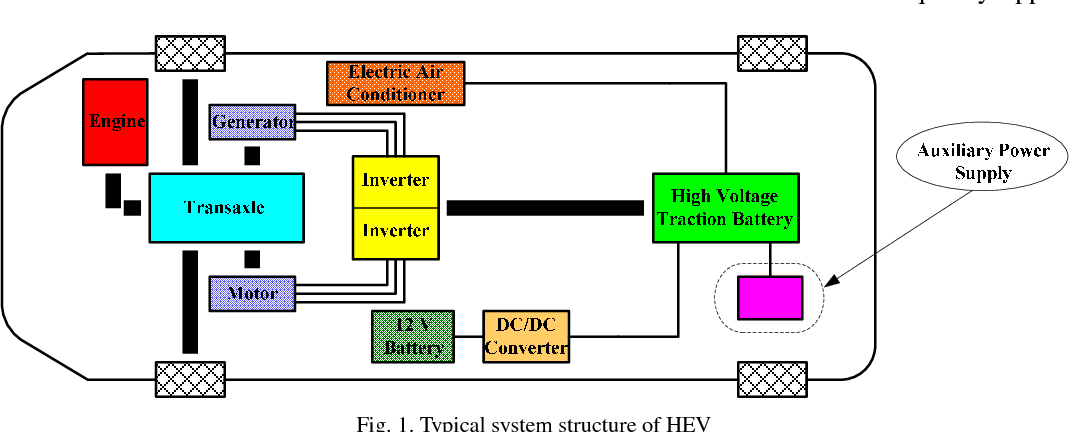
First, you need to understand what type of APU your EV has, if any. Some EVs don't have a dedicated APU; instead, they might use the main traction battery to power auxiliary systems. If your EV *does* have an APU, it's most likely one of these types:
- Fuel Cell APU: Uses hydrogen to generate electricity.
- Internal Combustion Engine (ICE) APU: A small gasoline or diesel engine powering a generator. Less common in newer EVs.
- Battery-Based APU: An additional battery pack dedicated to auxiliary systems.
Your vehicle's owner's manual should provide information about the APU and its specifications.
Step 1: Identifying the Symptoms
Before you start troubleshooting, carefully document the symptoms. When did the problem start? What were you doing when it occurred? What systems are affected?
Common symptoms of an APU issue include:
- Reduced range.
- Error messages on the dashboard related to the APU.
- Auxiliary systems (like climate control or power steering) not functioning correctly.
- Unusual noises coming from the APU compartment.
- Difficulty starting (if it's an ICE-based APU).
Step 2: Checking the Basics – Warnings and System Information
Never ignore warning lights or error messages on your dashboard. These are your EV's way of telling you something is wrong. Consult your owner's manual to understand the meaning of the specific error codes.
- Dashboard Warnings: Pay close attention to any APU-specific warnings. Note the exact wording of the message and any accompanying error codes.
- Vehicle Information System: Many EVs have a vehicle information system that provides details about the state of various components, including the APU. Access this system through the infotainment screen or a dedicated app (if available). Look for any abnormal readings or error flags.
Step 3: Visual Inspection (Safe Areas Only)
Perform a visual inspection of the APU compartment only if it is readily accessible and does NOT involve removing any panels or working near high-voltage components.
- Connections: Look for loose or corroded connections. If you see any, carefully try to tighten them (with the vehicle turned off). Do not touch any wires or connectors that are marked as high voltage.
- Fluid Levels (ICE APUs): If your APU is ICE-based, check the coolant and oil levels. Low fluid levels can cause overheating and damage. Consult your owner's manual for the correct fluid types.
- Leaks: Look for signs of leaks (coolant, oil, fuel) around the APU compartment. Any leaks should be addressed by a qualified technician.
- Physical Damage: Check for any physical damage to the APU or its components.
Step 4: Checking the APU Battery (If Applicable)
If your EV has a battery-based APU, it might have its own separate battery. Checking this battery involves specific procedures. Refer to your owner's manual for instructions.
- Voltage Check: Use a multimeter to check the voltage of the APU battery. A significantly low voltage indicates a potential battery issue. Exercise extreme caution when working with batteries and electricity.
- Connections: Ensure the battery terminals are clean and free of corrosion.
Step 5: Fuel Cell APU Checks (If Applicable)
Fuel cell APUs are complex and require specialized diagnostic tools and knowledge. Troubleshooting fuel cell APUs should always be left to qualified technicians. However, you can perform some basic checks:
- Hydrogen Supply: Ensure that the hydrogen fuel supply is connected and that there is sufficient hydrogen available.
- Ventilation: Make sure the APU's ventilation system is clear of obstructions.
Step 6: ICE APU Specific Checks (If Applicable)
If your EV uses an ICE-based APU, some of the troubleshooting steps are similar to those for a regular gasoline engine.
- Fuel Supply: Ensure there is sufficient fuel in the APU's fuel tank.
- Spark Plug: If the APU is difficult to start, the spark plug might be faulty. Replacing a spark plug involves working with electrical components, so proceed with caution.
- Air Filter: A dirty air filter can restrict airflow and cause the APU to run poorly. Check and replace the air filter if necessary.
When to Call a Professional
Any time you are unsure about a procedure or feel uncomfortable working with the APU, it's best to call a qualified EV technician. Here are some specific situations where professional help is essential:
- High-Voltage Components: Never attempt to repair or replace any high-voltage components yourself.
- Complex Diagnostics: If the troubleshooting steps above don't identify the problem, the issue likely requires specialized diagnostic tools and expertise.
- Fuel Cell APUs: Troubleshooting fuel cell APUs requires specific training and equipment.
- Engine Problems (ICE APUs): Major engine problems (e.g., knocking, misfires) should be addressed by a qualified mechanic.
- Warning Lights Persist: If warning lights or error messages continue to appear after you've performed basic troubleshooting, seek professional assistance.
Important Safety Precautions
Safety is paramount when working with electric vehicles. Always follow these precautions:
- Disconnect the Power: Before performing any work on the APU, disconnect the 12V auxiliary battery. Consult your owner's manual for the correct procedure.
- High-Voltage Awareness: Be aware of the location of high-voltage components and avoid touching them.
- Wear Protective Gear: Wear appropriate safety glasses and gloves when working with tools or fluids.
- Consult the Manual: Always refer to your vehicle's owner's manual for specific instructions and safety information.
- If in Doubt, Don't: If you're unsure about a procedure, don't attempt it. Seek professional assistance.
By following these steps and prioritizing safety, you can troubleshoot common EV APU issues effectively. Remember that some repairs require professional expertise, and it's always best to err on the side of caution when dealing with high-voltage systems.