Average Cost Of 5 Ton Ac Unit

One of the most frustrating experiences for a homeowner, especially during the peak of summer, is dealing with a malfunctioning air conditioning unit. Beyond the discomfort, a broken AC can lead to anxiety about repair costs, especially when facing the potential expense of a new unit. If your 5-ton AC unit is struggling – maybe it’s not cooling effectively, cycling on and off frequently, or making unusual noises – understanding the potential causes and knowing how to troubleshoot some common issues can save you time, money, and stress. This guide will walk you through a step-by-step diagnosis process, covering some simple DIY fixes and helping you determine when it’s time to call a professional. We will not only address common problems but also touch upon the "Average Cost Of 5 Ton Ac Unit" so that you are informed about repair vs. replacement.
Understanding Your 5-Ton AC Unit
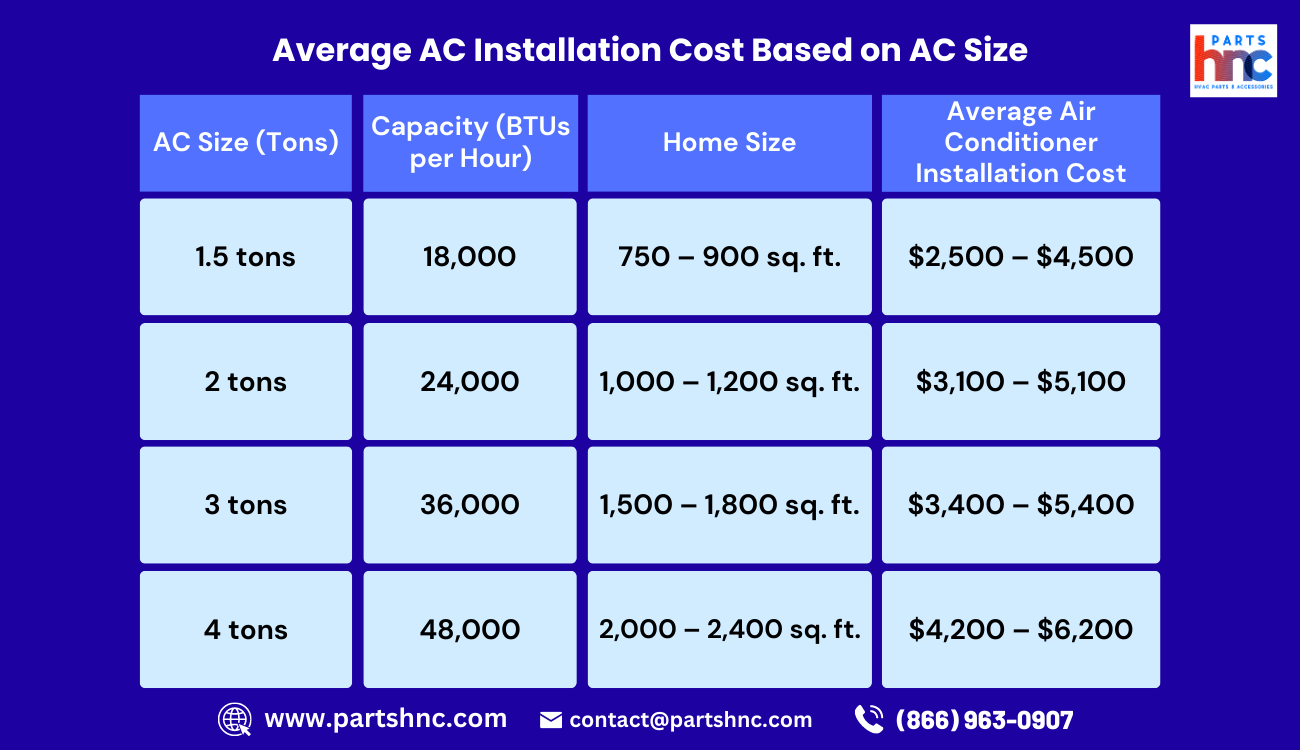
Before we dive into troubleshooting, let's briefly discuss what a 5-ton AC unit actually *is*. The term "ton" in air conditioning refers to the amount of heat the unit can remove from a space in one hour. One ton is equivalent to 12,000 BTUs (British Thermal Units). So, a 5-ton unit can remove 60,000 BTUs of heat per hour. This size is generally appropriate for homes ranging from 2,000 to 2,500 square feet, depending on factors like insulation, climate, and window efficiency. Using an undersized unit will result in constant running and inadequate cooling, while an oversized unit will cycle on and off frequently, leading to humidity issues and increased wear and tear.
Knowing the specifications of your unit, including its age, model number, and SEER rating (Seasonal Energy Efficiency Ratio), will be helpful when discussing issues with a technician and when considering replacement options. This information is usually found on a sticker located on the outdoor condenser unit.
Common AC Problems & DIY Troubleshooting
Here's a breakdown of common AC problems you might encounter, along with DIY troubleshooting steps:
1. AC Not Cooling Effectively
This is the most frequent complaint. Before assuming the worst, try these steps:
- Check the Thermostat: Ensure your thermostat is set to "Cool" mode and the temperature is set lower than the current room temperature. It sounds obvious, but it's a common oversight. Also, verify that the batteries in your thermostat are functioning correctly. A low battery can cause erratic behavior.
- Inspect the Air Filter: A dirty air filter restricts airflow, forcing your AC unit to work harder and reducing its cooling capacity. This is the most common culprit! Locate your air filter (usually near the indoor air handler or furnace). Remove the filter and hold it up to the light. If you can't see much light through it, it's time to replace it. Replace the filter with a new one of the correct size and type. Aim to replace your air filter every 1-3 months, depending on usage and air quality.
- Examine the Outdoor Condenser Unit: The outdoor unit (the condenser) is responsible for releasing heat. Make sure it's not blocked by plants, debris, or even snow/ice in colder climates. Clear away any obstructions within at least 2-3 feet of the unit. Look for bent fins on the condenser. These fins help dissipate heat. Gently straighten bent fins with a fin comb (available at most hardware stores). Be careful not to damage the coils!
- Check the Circuit Breaker: Locate the circuit breaker for your AC unit (usually a double-pole breaker in your electrical panel). Ensure the breaker is in the "On" position. If it's tripped (in the "Off" or middle position), reset it by switching it fully to the "Off" position and then back to "On." If the breaker trips repeatedly, there's likely an electrical issue that requires professional attention.
2. AC Unit is Cycling On and Off Frequently (Short Cycling)
Short cycling is when your AC unit turns on and off in short bursts, rather than running for longer, more efficient cycles. This can indicate several problems:
- Airflow Obstruction: Repeat the air filter check described above. A severely clogged filter is a prime suspect. Also, make sure that registers in your house are not blocked by furniture or drapes.
- Oversized AC Unit: As mentioned earlier, an oversized unit cools the space too quickly and then shuts off, leading to short cycling. This is less of a DIY fix and more of a potential issue identified during installation.
- Refrigerant Leaks: Low refrigerant can cause the unit to short cycle. This requires a professional diagnosis and repair. You can't detect a refrigerant leak yourself.
- Dirty Evaporator Coils: The evaporator coils are located inside the indoor air handler and absorb heat from the air. If they become dirty, they can't function efficiently, leading to short cycling. While you *can* attempt to clean the evaporator coils yourself with a specialized coil cleaner, this is a delicate process and can easily damage the coils. It's generally best left to a professional.
3. AC Unit is Making Unusual Noises
Strange noises are often a sign of a mechanical problem. Here are some common noises and what they might indicate:
- Banging or Clanging: This could indicate a loose or broken part, such as a fan blade or compressor component. Immediately turn off the AC unit and call a professional. Continuing to run the unit with a banging noise can cause further damage.
- Squealing: A squealing noise could indicate a worn-out belt or a failing motor bearing. Replacing a belt is a relatively simple DIY task if you're comfortable working with mechanical equipment. However, replacing a motor bearing requires specialized tools and knowledge.
- Hissing: A hissing sound could indicate a refrigerant leak. As mentioned before, refrigerant leaks require professional attention. Do not attempt to repair a refrigerant leak yourself!
- Buzzing: A buzzing sound could indicate an electrical problem, such as a loose wire or a failing capacitor. Turn off the AC unit and call a professional. Electrical problems can be dangerous.
4. Water Leaking From AC Unit
Water leaks can be caused by several issues:
- Clogged Condensate Drain Line: This is the most common cause of water leaks. The condensate drain line carries water away from the evaporator coils. Over time, algae, mold, and debris can clog the line, causing water to back up and leak. Locate the condensate drain line (usually a PVC pipe near the indoor air handler). You can try clearing the clog with a wet/dry vacuum or by carefully using a stiff wire to break up the blockage. You can also pour a cup of distilled white vinegar down the drain line periodically to help prevent clogs.
- Damaged Drain Pan: The drain pan collects water from the evaporator coils. If the pan is cracked or damaged, it can leak. A damaged drain pan will need to be replaced, which may require professional assistance depending on its location and accessibility.
- Frozen Evaporator Coils: If the evaporator coils freeze, the melting ice can overflow the drain pan. This can be caused by low refrigerant, a dirty air filter, or a blocked airflow. Address the underlying cause of the frozen coils (refer to the sections above).
Average Cost Of 5 Ton Ac Unit: Repair vs. Replacement Considerations
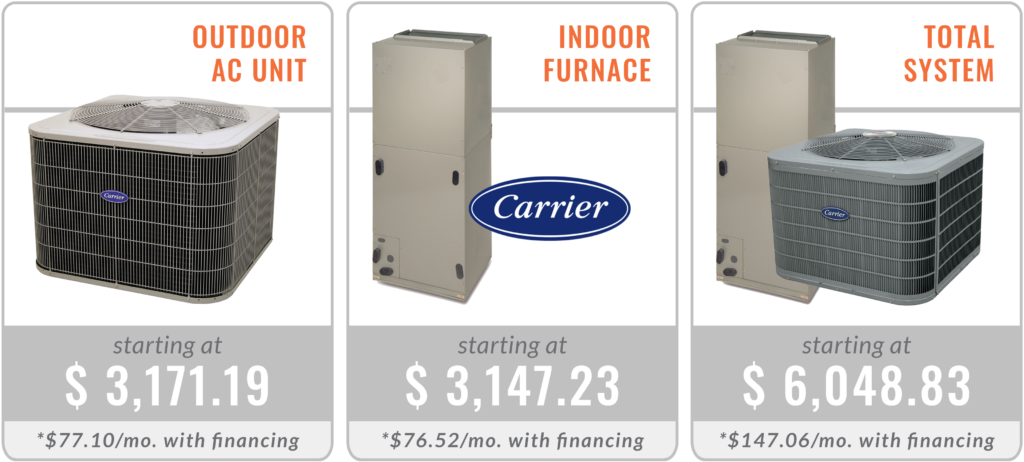
Now let's discuss the financial aspect. The "Average Cost Of 5 Ton Ac Unit" for *replacement* can vary significantly depending on several factors:
- Brand and Model: Higher-end brands and models with higher SEER ratings typically cost more.
- SEER Rating: Units with higher SEER ratings are more energy-efficient but also more expensive upfront. However, they can save you money on your energy bills in the long run.
- Installation Costs: Installation costs can vary depending on the complexity of the job and the contractor's rates.
- Location: Prices can vary by geographic location.
Generally, you can expect to pay between $5,000 and $10,000 or more for a new 5-ton AC unit, including installation. Getting multiple quotes from reputable HVAC contractors is crucial to ensure you're getting a fair price.
When deciding whether to repair or replace your AC unit, consider the following factors:
- Age of the Unit: If your unit is more than 10-15 years old, it may be nearing the end of its lifespan and replacement might be a more cost-effective option in the long run.
- Cost of Repair: If the repair cost is more than 50% of the cost of a new unit, replacement is often recommended.
- Frequency of Repairs: If you're constantly having to repair your AC unit, it's a sign that it's nearing the end of its life.
- Energy Efficiency: Newer AC units are significantly more energy-efficient than older models. Replacing your old unit with a new, high-SEER model can save you money on your energy bills.
For example, if you are quoted $4000 for a compressor repair on a 12-year-old unit and a new 5-ton unit costs $7000 installed, it makes sense to replace the unit. However, if a simple capacitor replacement costs $300, repairing would be the sensible choice.
When to Call a Professional
While some AC issues can be resolved with DIY troubleshooting, there are certain situations where it's essential to call a professional HVAC technician:
- Refrigerant Leaks: Handling refrigerant requires specialized equipment and training. It's illegal and dangerous to attempt to repair a refrigerant leak yourself.
- Electrical Problems: Working with electricity can be extremely dangerous. If you suspect an electrical problem, turn off the AC unit and call a professional.
- Compressor Issues: The compressor is the heart of the AC unit. Compressor repairs are complex and require specialized knowledge and equipment.
- Major Mechanical Problems: If you hear loud banging, clanging, or other unusual noises, it's likely a sign of a major mechanical problem that requires professional attention.
- You're Uncomfortable or Unsure: If you're not comfortable working with electrical or mechanical equipment, or if you're unsure about how to diagnose or repair a problem, it's always best to call a professional.
Before calling a technician, gather as much information as possible about the problem. Note down the symptoms, any noises you're hearing, and any troubleshooting steps you've already taken. This will help the technician diagnose the problem more quickly and accurately.
When choosing an HVAC contractor, be sure to:
- Get multiple quotes.
- Check their licensing and insurance.
- Read online reviews.
- Ask for references.
- Ensure they offer a warranty on their work.
Preventive Maintenance
The best way to avoid AC problems and extend the life of your unit is to perform regular preventive maintenance. Here are some key maintenance tasks:
- Change the air filter regularly (every 1-3 months).
- Keep the outdoor condenser unit clean and free of debris.
- Clean the condensate drain line periodically.
- Schedule an annual maintenance checkup with a qualified HVAC technician. During a maintenance checkup, the technician will inspect the unit, clean the coils, check the refrigerant levels, and lubricate moving parts.
By following these tips, you can keep your 5-ton AC unit running efficiently and reliably for years to come and avoid the unexpected sticker shock of a full replacement. And remember, while this guide provides helpful information, it's not a substitute for professional advice. When in doubt, consult with a qualified HVAC technician.