Back Pressure Regulator Vs Pressure Regulator

Back Pressure Regulator vs. Pressure Regulator: Choosing the Right Valve for Your HVAC System
When it comes to maintaining optimal performance and safety in your HVAC system, understanding the role of pressure regulators is crucial. While often used interchangeably, back pressure regulators and standard pressure regulators serve distinct purposes. This guide will break down the differences between these two critical components, helping you make an informed decision for your home or business.
Understanding Pressure Regulators
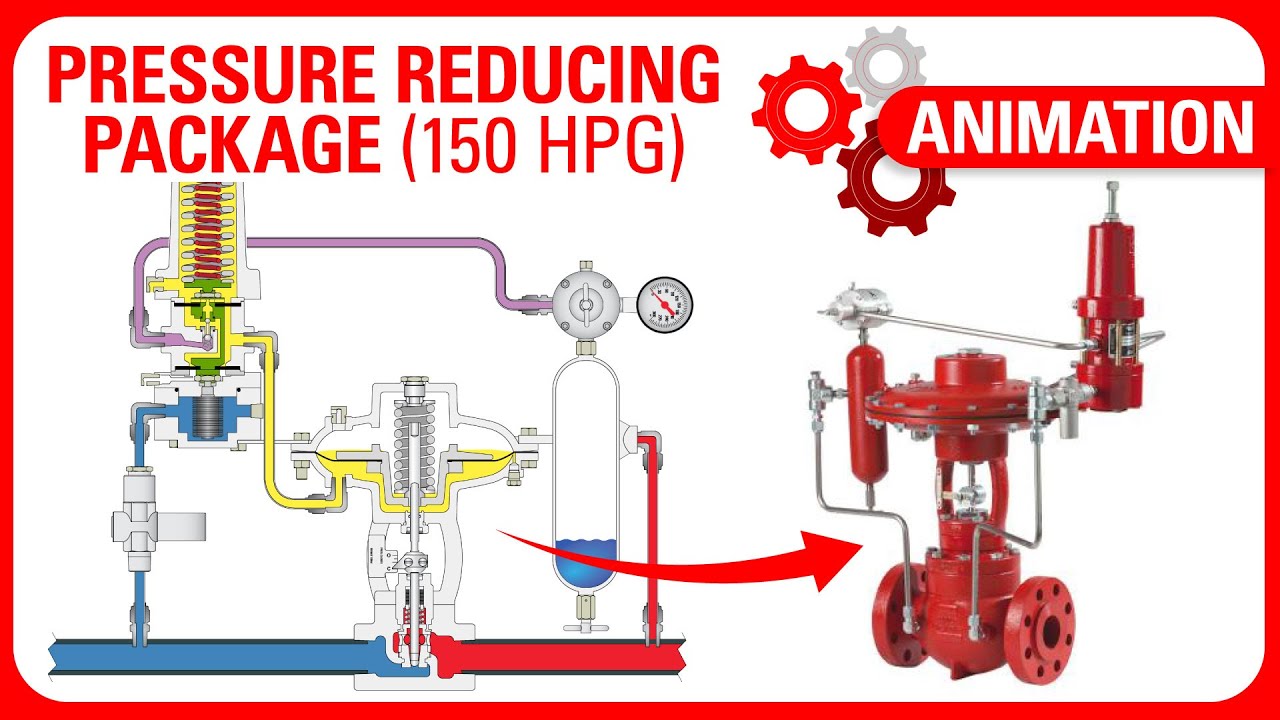
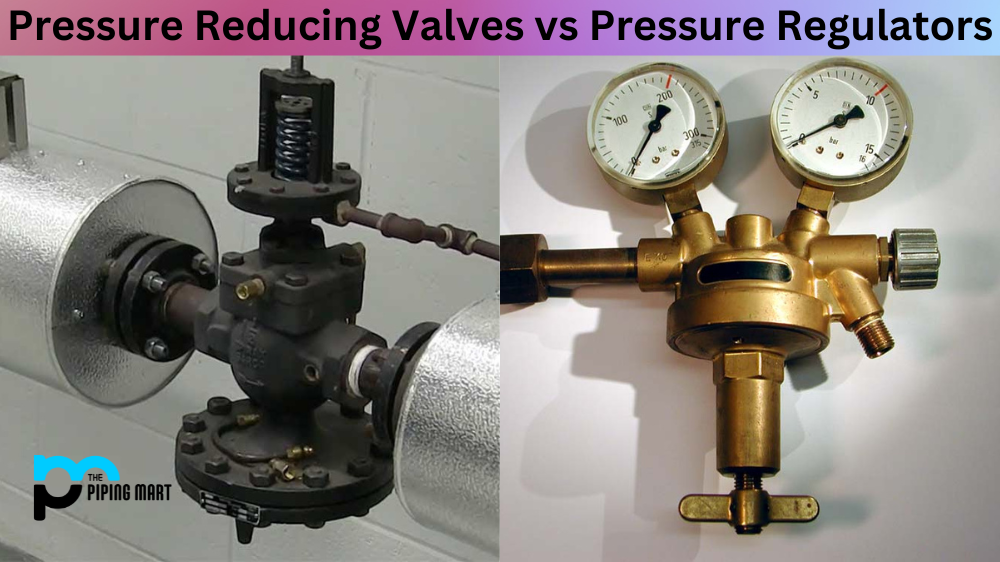
A pressure regulator, also known as a pressure reducing valve (PRV), is designed to reduce the pressure of a fluid or gas to a lower, more manageable level. Imagine a water line with excessively high pressure. A pressure regulator ensures a steady, safe output pressure for your appliances and plumbing fixtures.
How Pressure Regulators Work
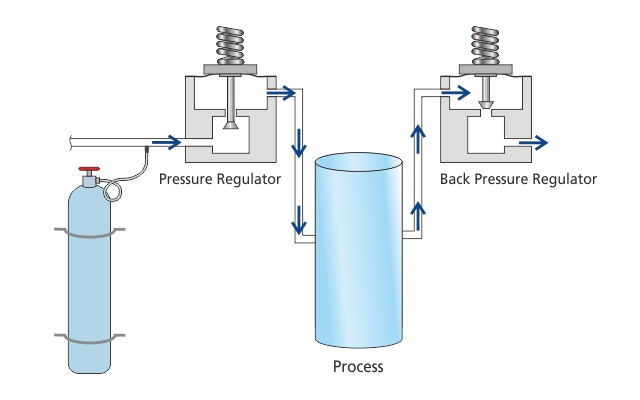
Pressure regulators work by using a spring-loaded diaphragm. The inlet pressure acts on one side of the diaphragm, while the spring pressure acts on the other. When the outlet pressure exceeds the setpoint determined by the spring, the valve closes, reducing the flow and thus the pressure. When the outlet pressure drops below the setpoint, the valve opens, allowing more flow to maintain the desired pressure.
Applications of Pressure Regulators in HVAC
- Gas Furnaces: Regulating the gas supply pressure to ensure efficient and safe combustion.
- Refrigerant Systems: Maintaining consistent refrigerant pressure for optimal cooling and heating performance.
- Water Heaters: Controlling water pressure to prevent damage to the tank and plumbing.
Delving into Back Pressure Regulators
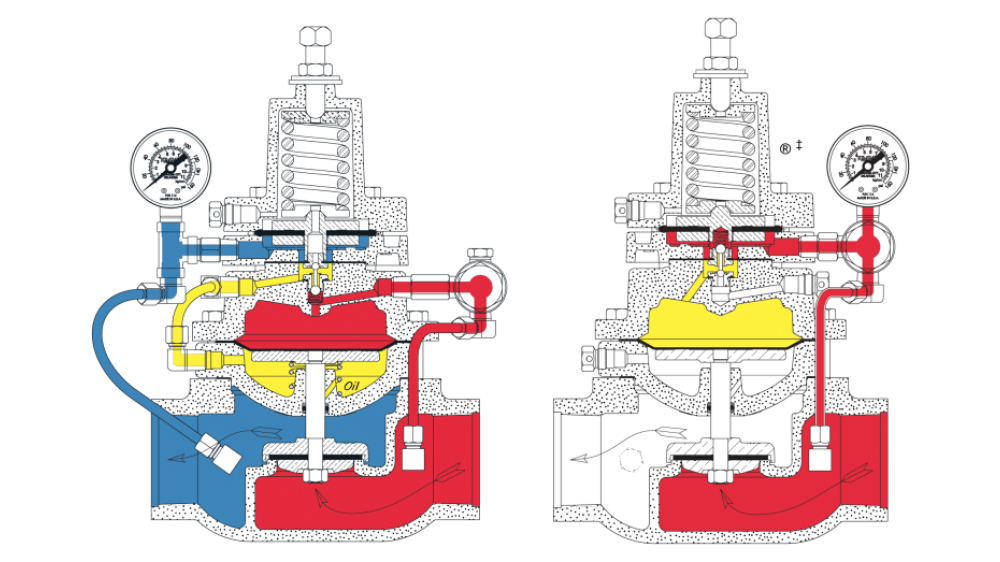
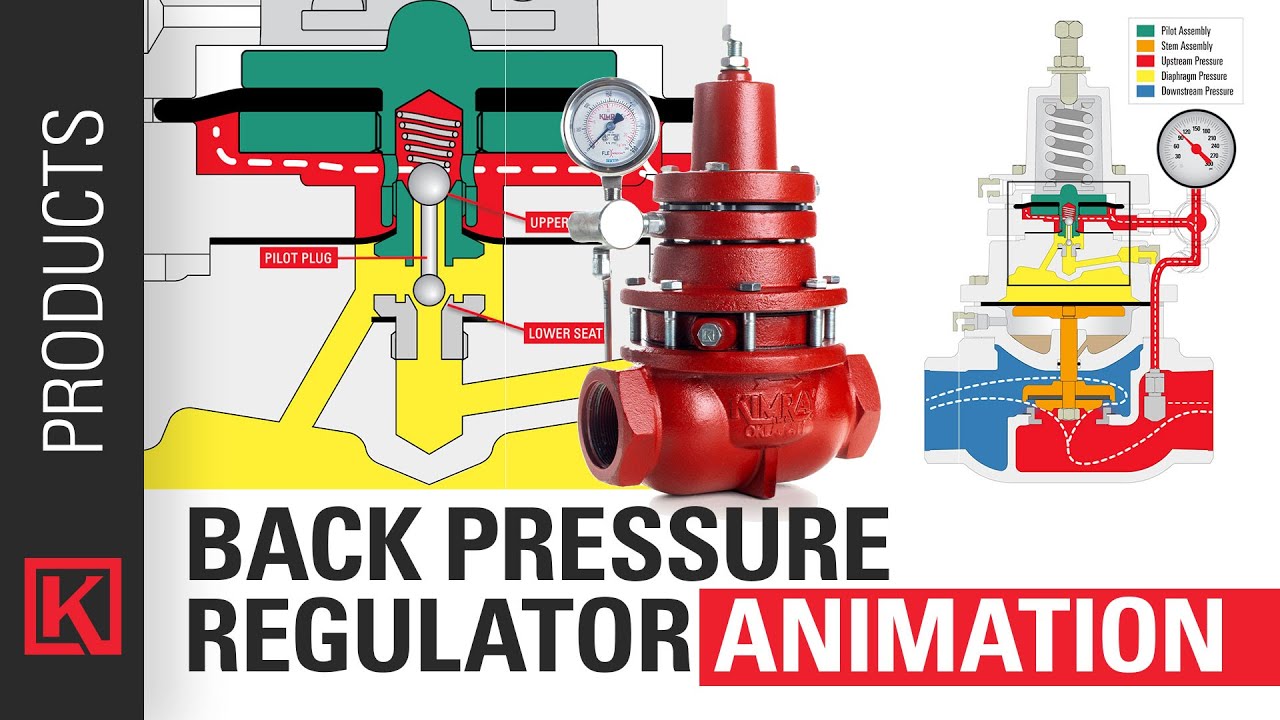
Unlike pressure regulators, back pressure regulators (also called pressure sustaining valves or relief valves) are designed to maintain a minimum upstream pressure. They achieve this by opening to relieve excess pressure when the upstream pressure exceeds a predetermined setpoint. Think of it as a safety valve, preventing pressure build-up in the system.
The Mechanics of Back Pressure Regulators
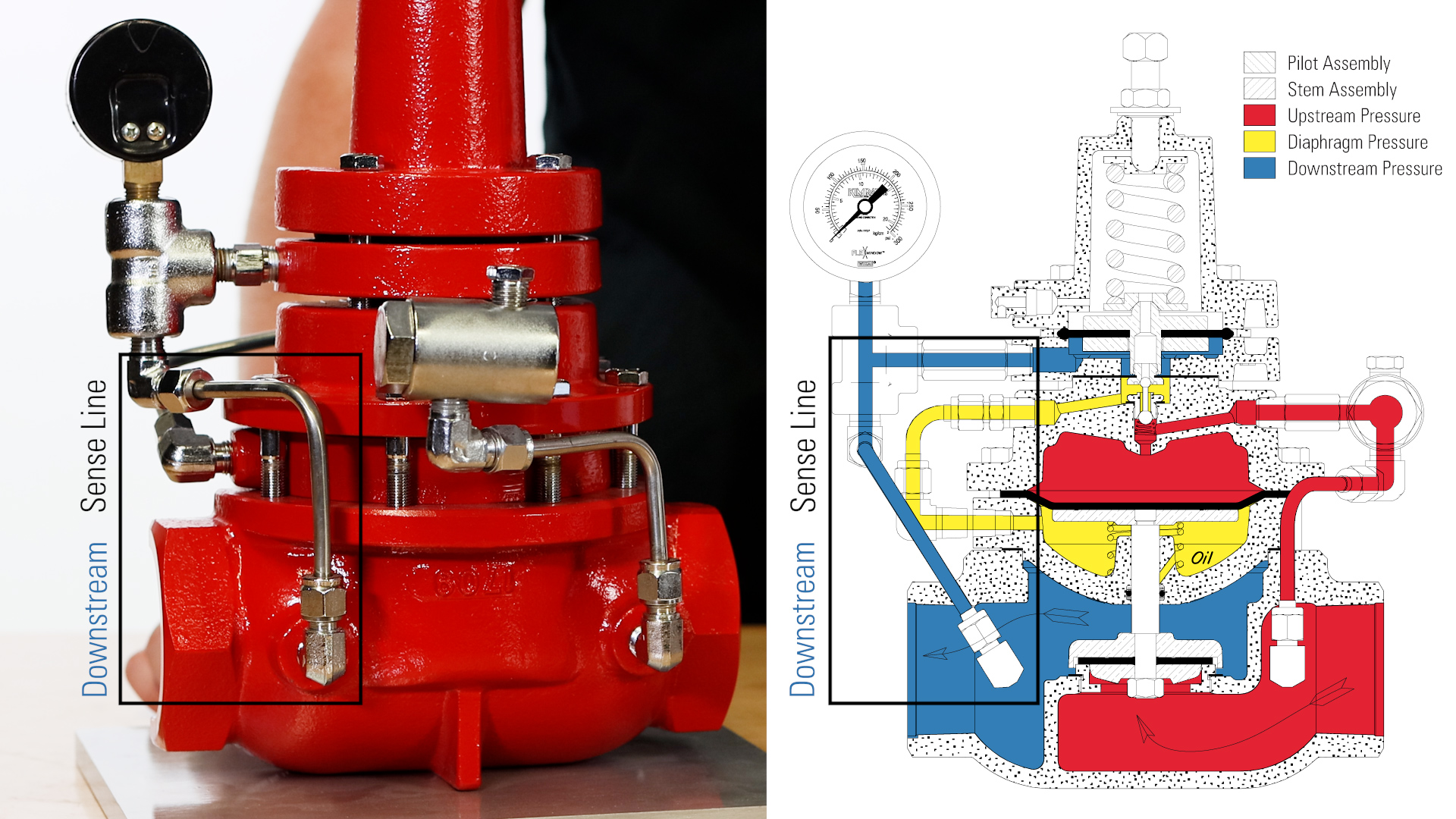
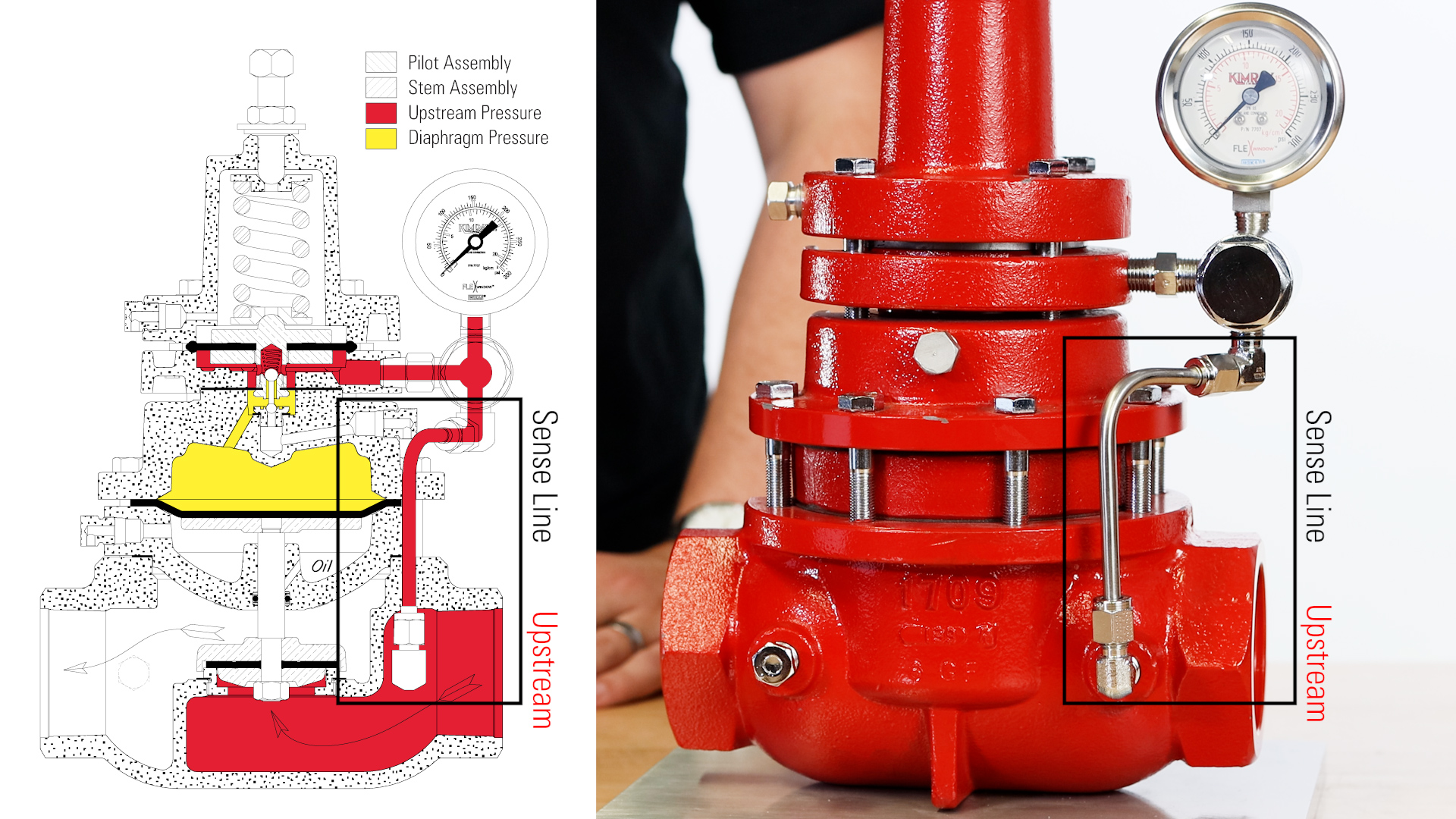
Back pressure regulators operate in the opposite manner of standard pressure regulators. The spring force in a back pressure regulator tends to keep the valve closed. As the upstream pressure increases, it eventually overcomes the spring force, causing the valve to open and relieve the excess pressure downstream. Once the upstream pressure falls below the setpoint, the spring force closes the valve again.
HVAC Applications of Back Pressure Regulators
- Chillers: Maintaining minimum pressure in the evaporator to prevent freezing.
- Refrigerant Recovery Systems: Controlling the pressure during refrigerant recovery to prevent damage to equipment and ensure safe operation.
- Pump Protection: Preventing pump cavitation by maintaining a minimum pressure on the suction side.
- Maintaining a pressure at the inlet of another component Prevents downstream starvation.
Back Pressure Regulator Vs Pressure Regulator: Key Differences
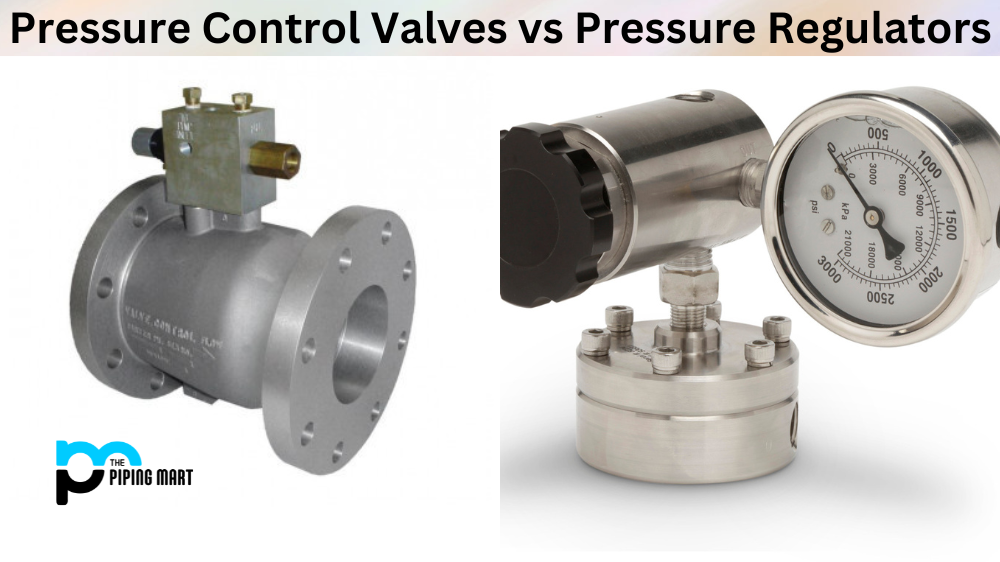
The core difference lies in their function: pressure regulators reduce downstream pressure, while back pressure regulators maintain a minimum upstream pressure.
| Feature | Pressure Regulator | Back Pressure Regulator |
|---|---|---|
| Function | Reduces downstream pressure to a setpoint. | Maintains minimum upstream pressure by relieving excess. |
| Normal State | Normally Open (closes to reduce pressure). | Normally Closed (opens to relieve pressure). |
| Application | Lowering and stabilizing pressure for appliances and processes. | Protecting equipment from overpressure and maintaining minimum required pressure. |
| Pressure Control | Downstream pressure control. | Upstream pressure control. |
Choosing the Right Valve for Your Needs
The selection of a pressure regulator or back pressure regulator depends entirely on the specific requirements of your HVAC system. Consider the following:
- Identify the Problem: Are you dealing with excessively high pressure downstream or the risk of pressure drops upstream?
- Pressure Range: Select a valve with a suitable pressure range for your application.
- Flow Rate: Ensure the valve can handle the required flow rate without causing excessive pressure drop.
- Fluid Compatibility: Choose a valve constructed from materials compatible with the fluid or gas being regulated (e.g., refrigerant, water, gas).
- Temperature Rating: Verify that the valve's temperature rating is appropriate for the operating conditions.
HVAC Brands and Models: A Quick Look
Several reputable HVAC manufacturers offer both pressure regulators and back pressure regulators. Some popular brands include:
- Honeywell: Known for reliable and durable valves suitable for various HVAC applications.
- Fisher: Offers a wide range of high-performance regulators for demanding industrial and commercial applications.
- Emerson (White-Rodgers): Provides cost-effective and reliable valves for residential and light commercial HVAC systems.
- REGO-FIX: Specializes in high-precision regulators for gas and liquid control applications.
When evaluating specific models, consider factors such as:
- Materials of Construction: Brass, stainless steel, and plastic are common materials. Stainless steel offers superior corrosion resistance.
- Connection Type: Common connection types include threaded, flanged, and welded.
- Adjustment Mechanism: Look for valves with easy-to-adjust setpoints.
- Certifications: Ensure the valve meets relevant industry standards and certifications (e.g., ASME, ANSI).
AFUE, SEER, and HSPF Ratings: A Refresher
While pressure regulators themselves don't have AFUE, SEER, or HSPF ratings, their proper function contributes to the overall efficiency of your HVAC system. Keeping your system running at optimal pressure improves efficiency and lowers operating costs.
- AFUE (Annual Fuel Utilization Efficiency): Measures the efficiency of a furnace in converting fuel into heat.
- SEER (Seasonal Energy Efficiency Ratio): Measures the cooling efficiency of an air conditioner or heat pump.
- HSPF (Heating Seasonal Performance Factor): Measures the heating efficiency of a heat pump.
Warranties and Maintenance
Most pressure regulators and back pressure regulators come with a limited warranty, typically covering defects in materials and workmanship. The warranty period can range from one to five years, depending on the manufacturer and model.
Proper maintenance is essential for ensuring the longevity and reliability of your valves. Regular maintenance tasks may include:
- Visual Inspection: Check for leaks, corrosion, and damage.
- Pressure Testing: Verify that the valve is maintaining the desired pressure setpoint.
- Cleaning: Remove any debris or contaminants that may be affecting the valve's performance.
- Replacement: Replace worn or damaged valves promptly to prevent system failures.
Pricing Considerations
The cost of pressure regulators and back pressure regulators can vary widely depending on the size, materials, features, and brand. Small, basic valves for residential applications may cost as little as $20-$50, while larger, high-performance valves for industrial applications can cost hundreds or even thousands of dollars.
When budgeting for your HVAC system, factor in the cost of installation and any necessary accessories, such as gauges, fittings, and tubing.
Conclusion
Choosing between a back pressure regulator and a pressure regulator is crucial for maintaining the safety and efficiency of your HVAC system. By understanding the distinct functions of these valves, you can make an informed decision that optimizes the performance of your equipment and protects it from damage. Whether you're a homeowner, real estate investor, or HVAC contractor, this guide provides the essential information you need to select the right valves for your specific needs. Always consult with a qualified HVAC professional for proper installation and maintenance to ensure the long-term reliability of your system. Neglecting proper pressure regulation can lead to inefficiency, equipment damage, and potentially dangerous situations.