Bad Compressor Ac Unit
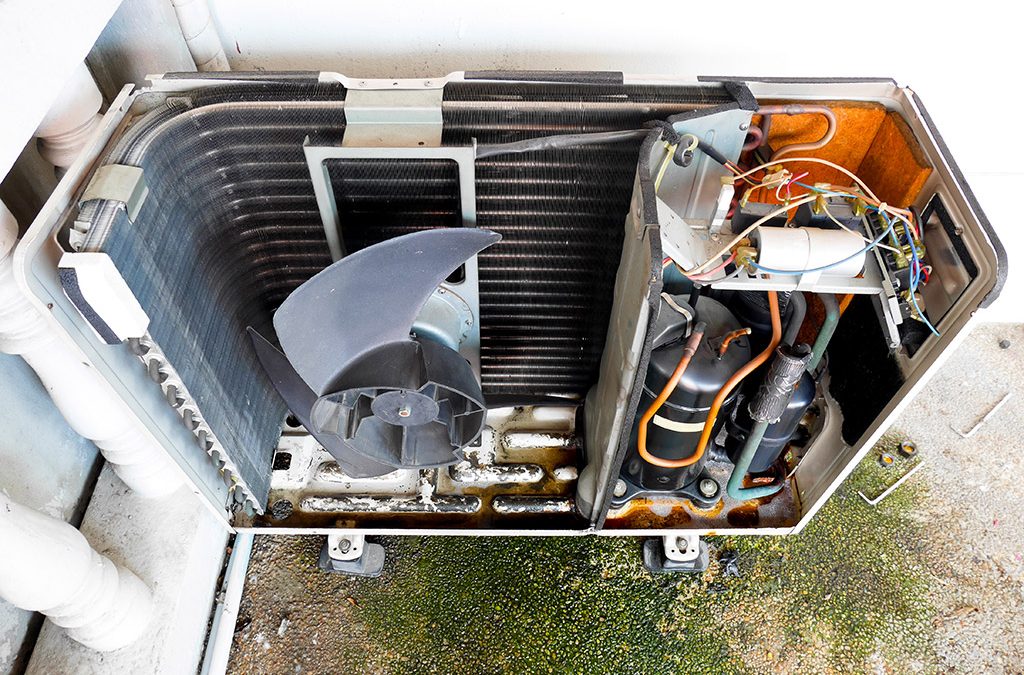
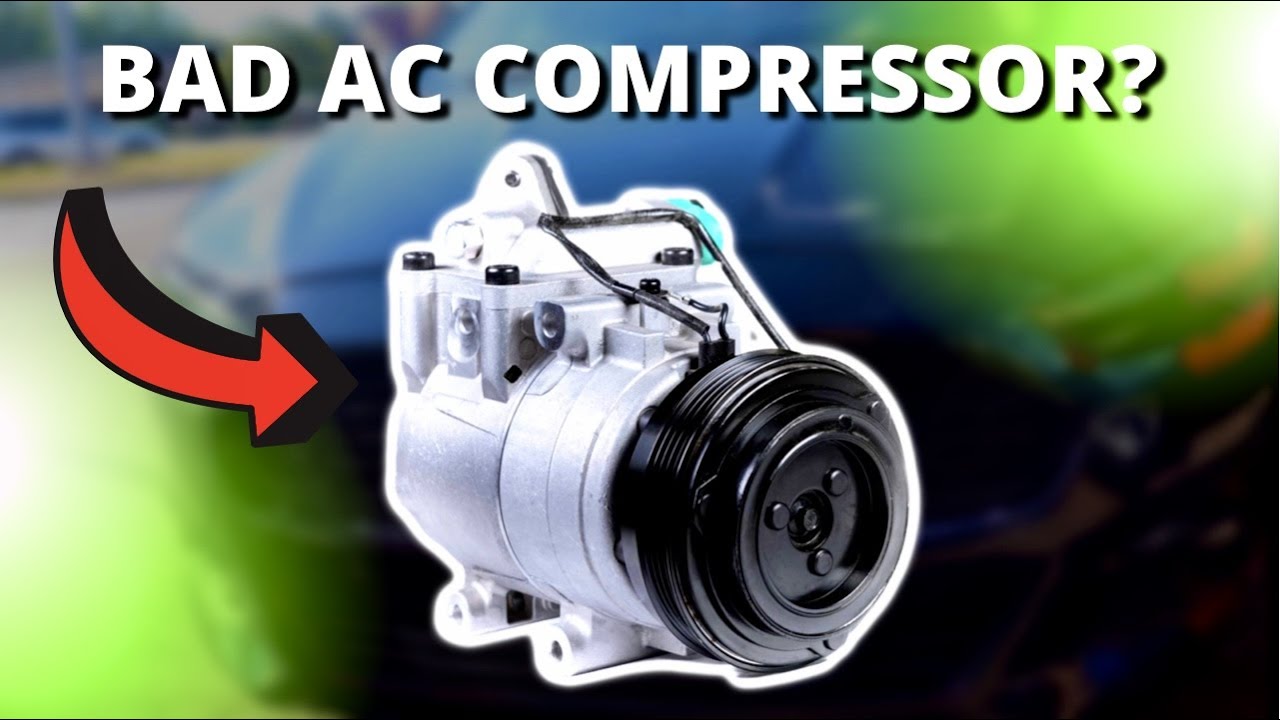
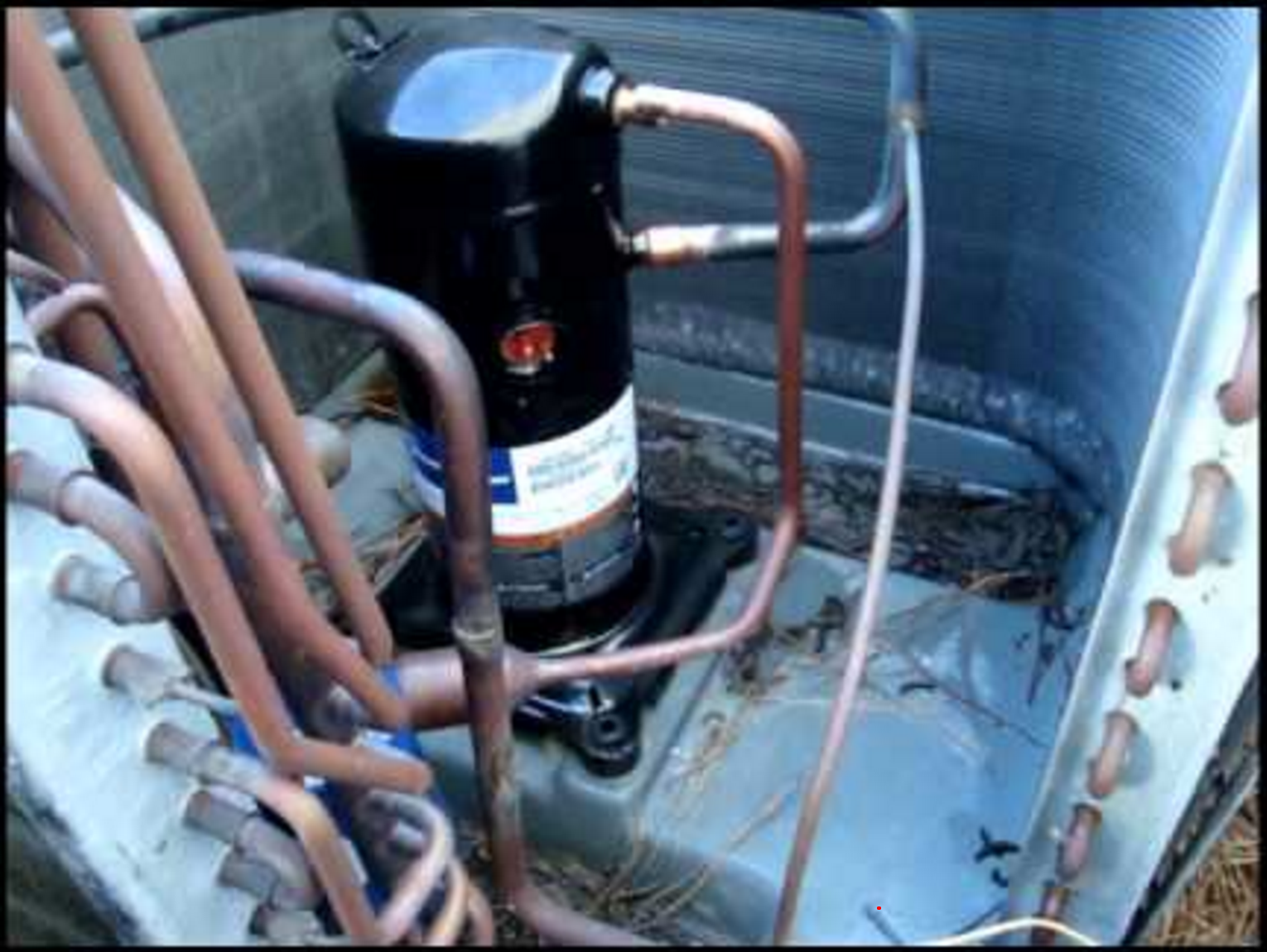
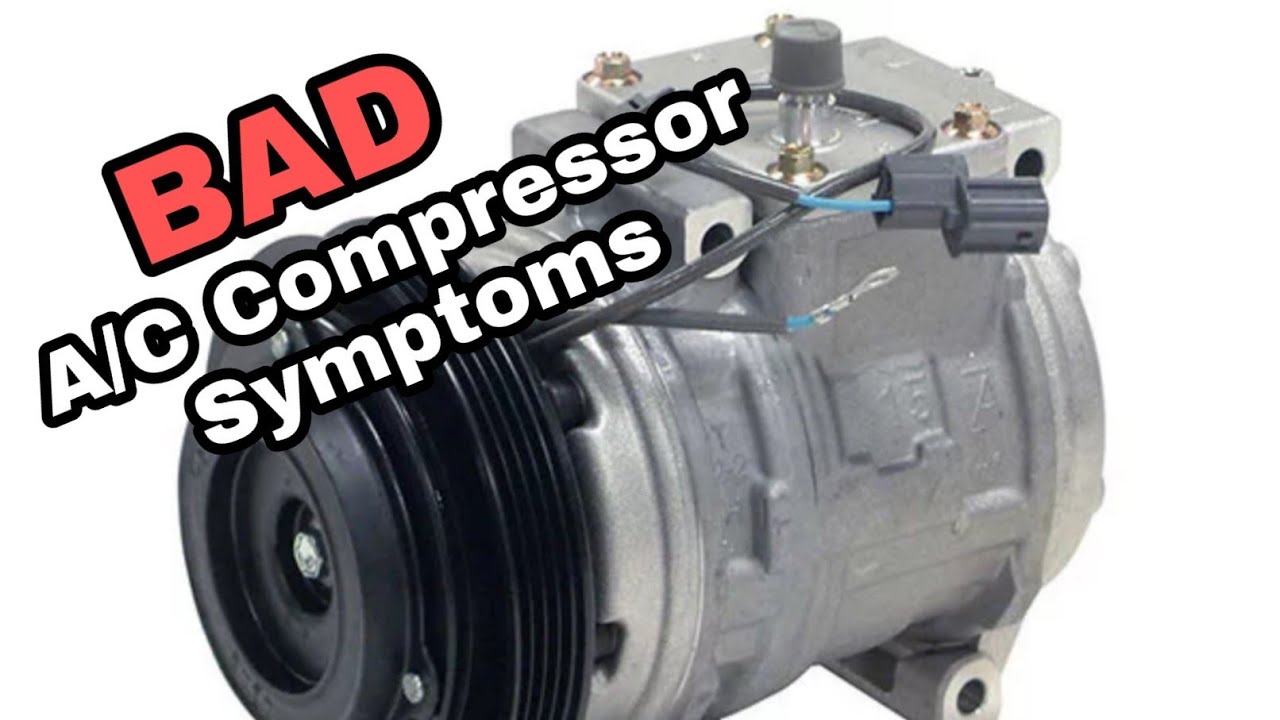
The heart of any air conditioning system is the compressor. It's responsible for circulating refrigerant, the lifeblood of your cooling system, and enabling the heat exchange process that keeps your home or building comfortable. When a compressor fails, the entire AC unit grinds to a halt, leaving you sweltering. Understanding the causes, symptoms, and potential solutions for a failing or bad compressor is crucial for homeowners, HVAC technicians, and facility managers alike.
What Does an AC Compressor Do?
Think of the compressor as the pump in a swimming pool system. It takes refrigerant in as a low-pressure gas and compresses it into a high-pressure, high-temperature gas. This process requires significant energy and is where a large portion of your AC's electricity consumption occurs. This high-pressure refrigerant then moves to the condenser coil (usually the outdoor unit), where it releases heat. After releasing heat, it changes state into a high-pressure liquid and flows to the evaporator coil (usually inside your air handler or furnace). At the evaporator, it absorbs heat from the inside air, cooling it before returning to the compressor as a low-pressure gas, completing the cycle. A properly functioning compressor ensures this cycle continues smoothly and efficiently.
Common Causes of Compressor Failure
Several factors can contribute to AC compressor failure. Understanding these potential issues can help prevent premature breakdowns and extend the lifespan of your system:
Refrigerant Leaks
A refrigerant leak is one of the most common culprits. Without the proper amount of refrigerant, the compressor has to work harder to achieve the desired cooling effect. This overwork can lead to overheating and eventually, failure. Leaks can occur at various points in the system, including connections, coils, and valves. Identifying and repairing leaks promptly is critical.
Contamination
Contamination within the refrigerant lines can also cause significant damage. This contamination can be in the form of moisture, air, or even debris from a previous compressor failure. These contaminants can react with the refrigerant and oil, creating acids and sludge that damage the compressor's internal components. Proper evacuation of the system during installation or repairs is essential to prevent contamination.
Overheating
Overheating is a major cause of compressor failure. It can result from low refrigerant, blocked condenser coils, or a faulty fan motor on the outdoor unit. When the compressor overheats, the internal components can expand and seize, leading to permanent damage. Ensure adequate airflow around the outdoor unit and regularly clean the condenser coils to prevent overheating.
Electrical Issues
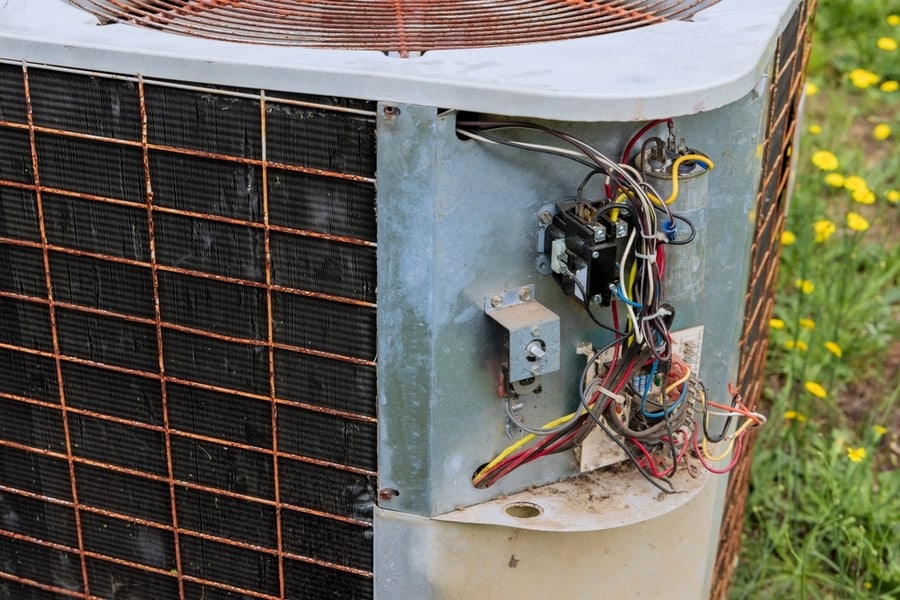
Electrical problems, such as voltage fluctuations, faulty capacitors, or damaged wiring, can also lead to compressor failure. These issues can cause the compressor to run inefficiently, overheat, or even short circuit. Regular electrical inspections and maintenance can help identify and address potential electrical problems before they damage the compressor.
Improper Installation or Maintenance
A poorly installed AC system is a ticking time bomb. Incorrect refrigerant charge, improperly sized ductwork, or inadequate insulation can all put undue stress on the compressor. Similarly, neglecting routine maintenance, such as filter changes and coil cleaning, can contribute to compressor failure over time. Proper installation and regular maintenance are crucial for ensuring the longevity of your compressor.
Symptoms of a Failing AC Compressor
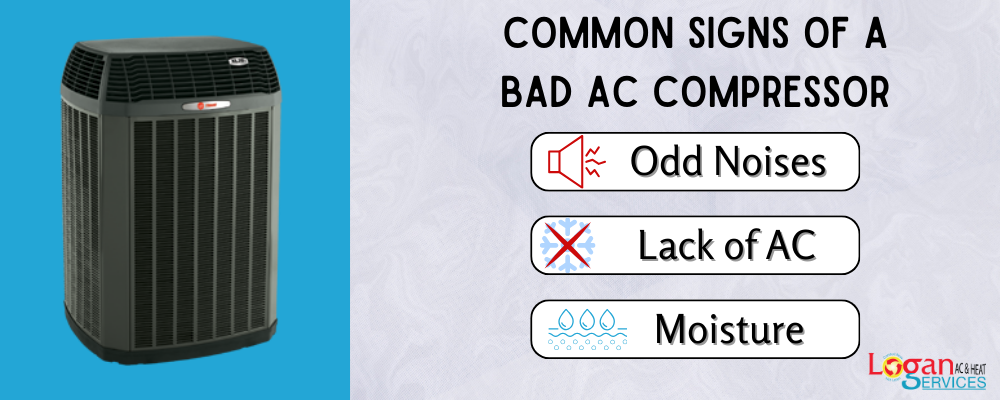
Recognizing the signs of a failing AC compressor early can save you from costly repairs or a complete system replacement. Here are some common symptoms to watch out for:
Weak Airflow
If your AC is running but the airflow is weak or non-existent, it could indicate a problem with the compressor. A failing compressor may not be able to circulate the refrigerant effectively, resulting in reduced cooling capacity and weak airflow.
Warm Air
If your AC is blowing warm air instead of cold air, it's a strong indication that the compressor is not functioning correctly. The compressor is responsible for compressing the refrigerant and facilitating the heat exchange process. If it's failing, it won't be able to cool the air effectively.
Unusual Noises
Strange noises coming from your AC unit, such as banging, grinding, or hissing, can be a sign of a failing compressor. These noises can be caused by internal component damage, refrigerant leaks, or electrical issues. Ignoring these noises can lead to further damage and eventual compressor failure.
Increased Energy Bills
A sudden spike in your energy bills without a corresponding change in usage patterns can indicate a problem with your AC compressor. A failing compressor has to work harder to achieve the same level of cooling, resulting in increased energy consumption.
Tripped Circuit Breaker
If your AC unit repeatedly trips the circuit breaker, it could be a sign of an electrical problem within the compressor. A short circuit or overload can cause the breaker to trip, protecting the electrical system from damage. Ignoring this issue can lead to further electrical damage and potential fire hazards.
Diagnosing Compressor Problems
Accurately diagnosing AC compressor problems requires specialized tools and knowledge. It's best left to qualified HVAC technicians. Common diagnostic procedures include:
Visual Inspection
A visual inspection of the compressor and surrounding components can reveal obvious signs of damage, such as refrigerant leaks, burnt wiring, or corrosion.
Electrical Testing
Electrical testing can help determine if the compressor is receiving the correct voltage and current. It can also identify shorts, opens, or ground faults within the compressor's electrical components.
Refrigerant Pressure Testing
Measuring the refrigerant pressure can help determine if there are any leaks in the system or if the refrigerant charge is incorrect. Low refrigerant pressure can indicate a leak, while high pressure can indicate a blockage or other problem.
Compressor Performance Testing
Specialized equipment can be used to measure the compressor's performance, such as its pumping capacity and efficiency. This testing can help determine if the compressor is functioning within its specifications.
Repair or Replace: Making the Right Decision
Once the compressor problem is diagnosed, you'll need to decide whether to repair or replace it. Several factors influence this decision:
Age of the Unit
If your AC unit is more than 10-15 years old, replacing the entire unit may be more cost-effective than repairing the compressor. Older units are often less efficient and may have other components nearing the end of their lifespan. Investing in a new, more efficient unit can save you money on energy bills in the long run.
Cost of Repair
Get quotes from multiple HVAC technicians for both repair and replacement options. Compare the cost of the repair to the cost of a new unit. If the repair cost is close to half the cost of a new unit, replacement is often the better option.
Warranty Coverage
Check your AC unit's warranty to see if the compressor is still covered. If it is, the repair or replacement may be covered by the warranty, saving you a significant amount of money.
Efficiency Considerations
Newer AC units are significantly more energy-efficient than older models. Replacing your old AC unit with a new, high-efficiency model can save you money on energy bills and reduce your carbon footprint. Look for units with a high SEER (Seasonal Energy Efficiency Ratio) rating for optimal energy savings.
Cost of Compressor Repair and Replacement
The cost of AC compressor repair or replacement varies depending on several factors, including the type of compressor, the brand of the AC unit, and the complexity of the repair. Generally, compressor repair can range from $500 to $1500, while compressor replacement can cost between $1500 and $4500 or more. These numbers don't include additional expenses like refrigerant and labor. It's always best to get quotes from multiple HVAC technicians to ensure you're getting a fair price.
Preventative Maintenance for a Long-Lasting Compressor
The best way to avoid compressor failure is to implement a preventative maintenance program. Regular maintenance can help identify and address potential problems before they cause significant damage. Here are some essential maintenance tasks:
Regular Filter Changes
Change your air filters regularly, typically every 1-3 months. Dirty air filters restrict airflow, causing the compressor to work harder and potentially overheat.
Coil Cleaning
Clean the condenser coils regularly, typically once or twice a year. Dirty coils reduce the AC unit's efficiency and can cause the compressor to overheat.
Refrigerant Level Checks
Have a qualified HVAC technician check the refrigerant level annually. Low refrigerant levels can indicate a leak and cause the compressor to work harder.
Professional Inspections
Schedule annual professional inspections of your AC system. A qualified HVAC technician can identify potential problems and perform necessary maintenance to keep your system running smoothly.
SEER Ratings and Energy Efficiency
When considering a new AC unit, pay attention to the SEER (Seasonal Energy Efficiency Ratio) rating. SEER measures an AC unit's cooling efficiency over an entire season. The higher the SEER rating, the more efficient the unit. Modern AC units have SEER ratings ranging from 13 to 25 or higher. Investing in a high-SEER unit can save you a significant amount of money on energy bills over the lifespan of the unit.
In conclusion, understanding the function, causes of failure, symptoms, and maintenance requirements of an AC compressor is essential for homeowners, HVAC technicians, and facility managers. By taking preventative measures and addressing problems promptly, you can extend the lifespan of your compressor and keep your AC system running efficiently for years to come. Regular professional maintenance is an investment that pays off in the long run, saving you money on energy bills and preventing costly repairs.