Baseboard Covers For Hot Water Heat

Baseboard Covers for Hot Water Heat: A Comprehensive Guide
Hot water baseboard heaters are a common and efficient heating solution, particularly in older homes. However, their appearance can often be less than desirable. Peeling paint, rust, and outdated designs can detract from a room's aesthetics. Enter baseboard covers, an increasingly popular solution to refresh your heating system without the expense and hassle of full replacement. This guide will explore everything you need to know about baseboard covers for hot water heat, helping you make an informed decision.
What are Baseboard Covers?
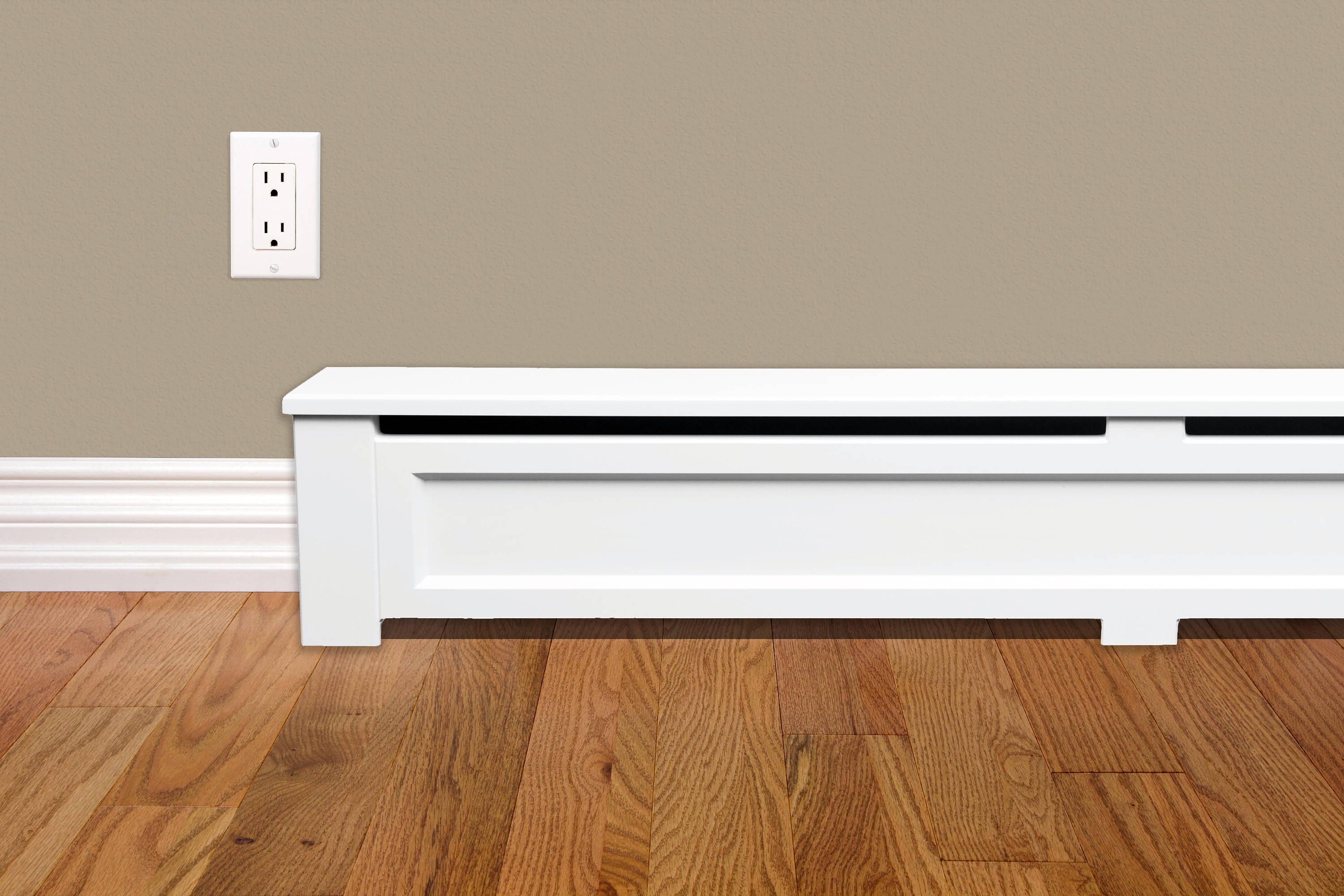
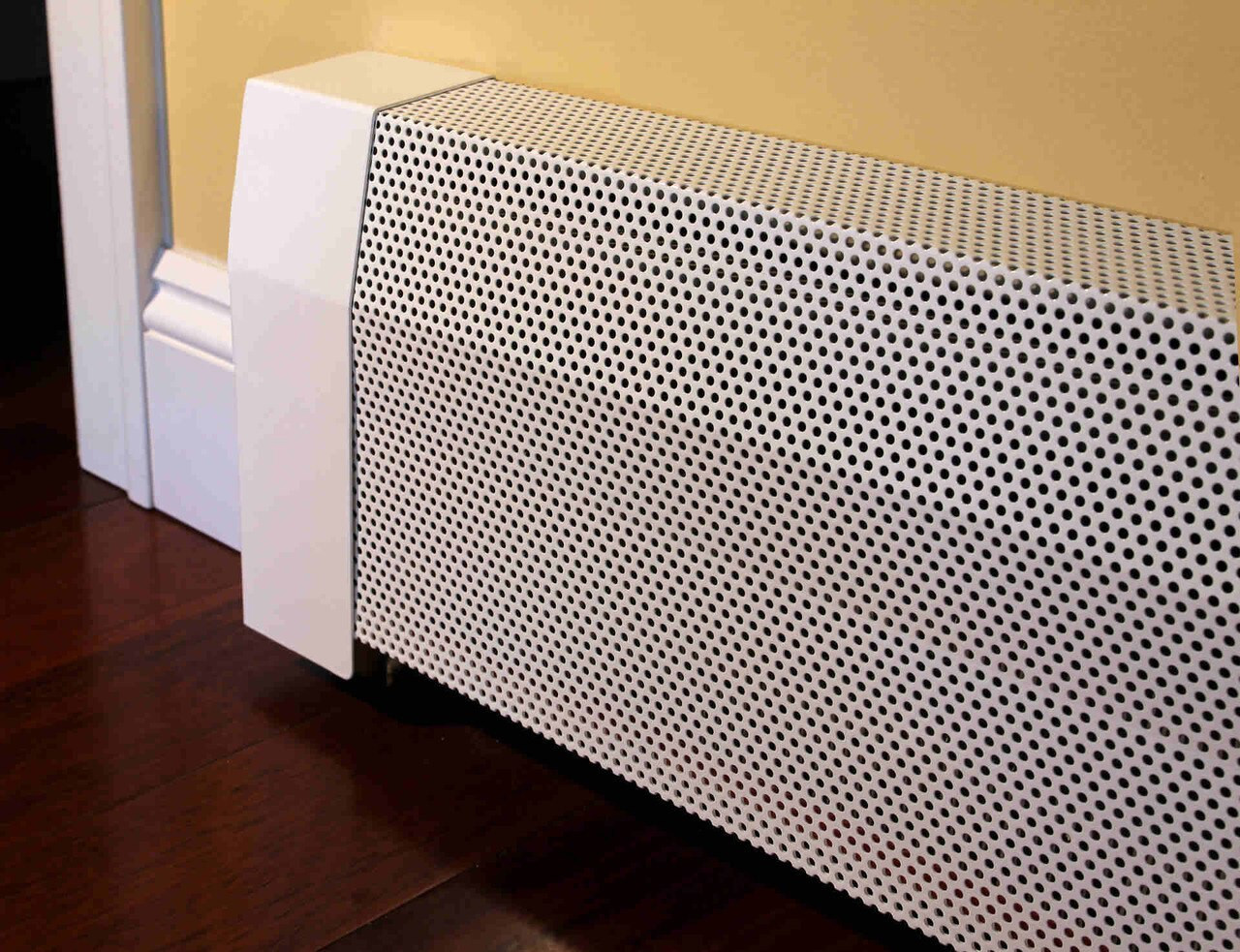
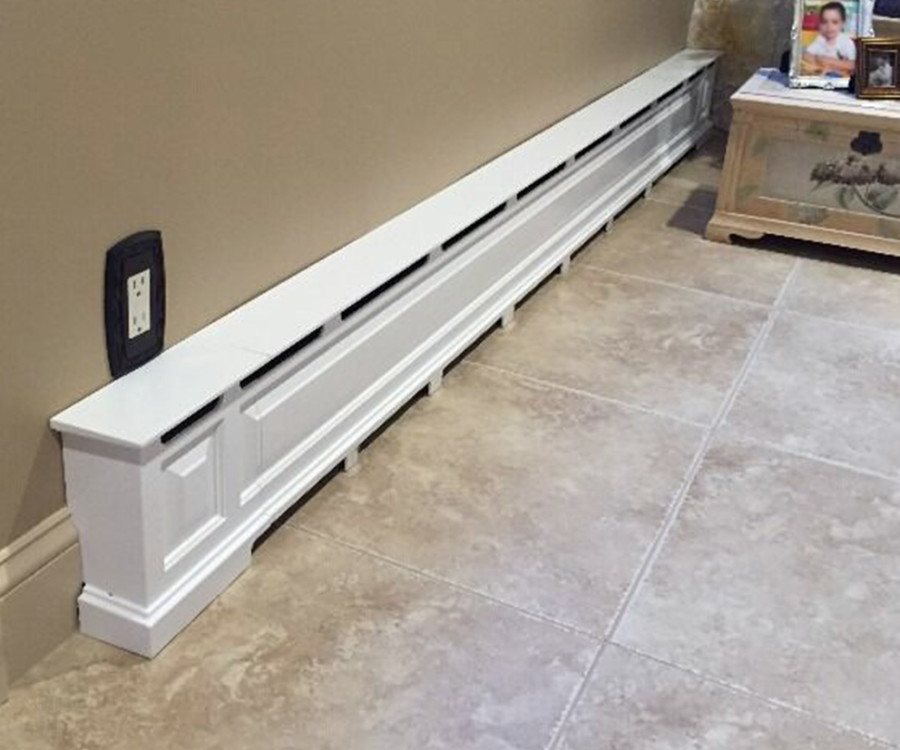
Baseboard covers are essentially decorative shells that snap over your existing hot water baseboard heaters. They provide a clean, modern look while also offering functional benefits like improved safety (reducing the risk of burns) and easier cleaning. They are generally made from steel or plastic and come in a variety of styles and colors to match your decor.
Benefits of Installing Baseboard Covers
- Aesthetic Improvement: This is the primary reason most homeowners choose baseboard covers. They instantly transform old, unsightly heaters into sleek, contemporary features.
- Enhanced Safety: Covers can reduce the surface temperature of the exposed heater, making them safer for children and pets.
- Easy Cleaning: Cleaning conventional baseboard heaters can be a chore. Covers offer a smooth, easily wipeable surface, simplifying maintenance.
- Protection from Damage: Covers protect the original heater from bumps, scratches, and spills, potentially extending its lifespan.
- Simple Installation: Most baseboard cover systems are designed for easy DIY installation, saving on professional installation costs.
Drawbacks to Consider
- Cost: While less expensive than replacing the entire heating system, baseboard covers still represent a financial investment. Costs vary based on material, brand, and the length of covers needed.
- Potential Reduction in Heat Output: While minimal, some covers *may* slightly reduce heat output. This is more likely with thicker, less conductive materials. Look for covers designed to maximize heat transfer.
- Space Requirements: Baseboard covers add slightly to the overall dimensions of the heater. Ensure you have adequate space, especially in tight areas.
- Compatibility: Not all covers are compatible with all baseboard heater types. Verify compatibility before purchasing.
- Maintenance: While easier to clean, some covers can accumulate dust underneath them, requiring periodic removal and cleaning.
Types of Baseboard Covers
Steel Baseboard Covers
Steel covers are a popular choice due to their durability, excellent heat transfer properties, and sleek appearance. They are typically powder-coated for a long-lasting, rust-resistant finish.
Pros:
- Durable and long-lasting
- Excellent heat transfer
- Resistant to rust and dents
- Available in a variety of styles and colors
Cons:
- Can be more expensive than plastic covers
- May require cutting tools for custom lengths
Plastic Baseboard Covers
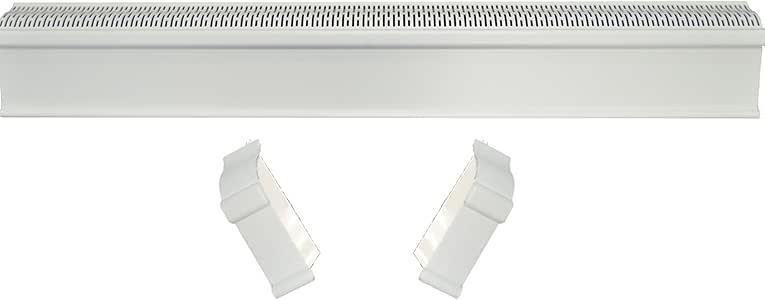
Plastic covers are a more affordable option. They are lightweight, easy to install, and come in a wide range of colors and styles. However, they may not be as durable as steel covers and may not transfer heat as efficiently.
Pros:
- Affordable
- Lightweight and easy to install
- Available in a wide range of colors and styles
- Resistant to rust
Cons:
- Less durable than steel covers
- May not transfer heat as efficiently
- Can be prone to dents and scratches
Factors to Consider When Choosing Baseboard Covers
Material
As discussed above, steel and plastic are the two primary materials. Consider your budget, durability needs, and aesthetic preferences when choosing between them.
Style
Baseboard covers come in a variety of styles, from traditional to modern. Choose a style that complements your home's decor. Some covers feature rounded edges, while others have a more angular design.
Color
Most manufacturers offer a range of colors to choose from. White is a popular choice as it blends well with most interiors, but other options like black, almond, and gray are also available.
Size and Compatibility
Accurately measure your existing baseboard heaters to ensure you purchase covers that fit properly. Consider the height, depth, and length of your heaters. Check the manufacturer's specifications to verify compatibility with your specific heater type.
Installation
Most baseboard covers are designed for easy DIY installation. However, some systems may require more complex assembly or cutting. Read the installation instructions carefully before purchasing.
Heat Output
While most modern covers are designed to minimize heat loss, it's still a factor to consider. Look for covers with features like open slots or fins that promote airflow and maximize heat transfer. Reading customer reviews can provide real-world insights into heat output performance.
Safety Features
If you have children or pets, prioritize covers with safety features like rounded edges and secure attachments to prevent accidental burns or injuries.
Popular Brands and Models
Several reputable brands offer high-quality baseboard covers. Here are a few to consider:
- Baseboarders: Known for their durable steel covers and easy installation. They offer a variety of styles and colors. They are a popular choice, although they can be more expensive.
- Hydronic Alternatives: Offers a range of steel and plastic covers, focusing on compatibility and ease of use.
- HVAC Premium: Provides budget-friendly plastic covers in various sizes and colors.
- Better Baseboard: Offers a unique telescopic design.
When choosing a specific model, consider the following features:
- Telescopic Design: These covers are adjustable in length, making them ideal for odd-sized heaters.
- Rounded Edges: Provides added safety, especially in homes with children.
- Rust-Resistant Finish: Ensures long-lasting durability.
- Easy-to-Clean Surface: Simplifies maintenance.
Pricing
Baseboard cover prices vary depending on the material, brand, style, and length. Plastic covers typically range from $15 to $30 per linear foot, while steel covers can range from $30 to $60 per linear foot.
For example, a 4-foot section of plastic cover from HVAC Premium might cost around $60, while a 4-foot section of steel cover from Baseboarders could cost around $120 - $240. It's crucial to calculate the total linear footage you need and compare prices from different retailers before making a purchase.
Installation Tips
- Measure Accurately: Precise measurements are crucial for a proper fit. Measure the length, height, and depth of your existing baseboard heaters.
- Prepare the Surface: Clean the existing heaters thoroughly before installing the covers. Remove any dust, dirt, or debris.
- Follow Instructions: Read and follow the manufacturer's installation instructions carefully.
- Use Proper Tools: Depending on the cover type, you may need tools like a screwdriver, measuring tape, and possibly a hacksaw or metal shears for cutting.
- Secure Attachments: Ensure that the covers are securely attached to the heaters to prevent them from shifting or falling off.
Maintenance Tips
- Regular Cleaning: Wipe down the covers regularly with a damp cloth to remove dust and dirt.
- Vacuuming: Use a vacuum cleaner with a brush attachment to remove dust and debris from underneath the covers.
- Inspect Periodically: Check the covers periodically for any signs of damage or wear and tear. Replace any damaged covers promptly.
Are Baseboard Covers Right for You?
Baseboard covers are an excellent option for homeowners looking to improve the appearance and safety of their hot water baseboard heaters without the expense of a full system replacement. They are easy to install, require minimal maintenance, and can significantly enhance the aesthetic appeal of your home. By carefully considering the factors outlined in this guide, you can choose the right baseboard covers to meet your needs and budget.
Before purchasing, review warranty details from the manufacturer. Standard warranties often cover manufacturing defects for a limited period. Also be sure to consider if rebates or tax incentives may be available from local or federal agencies.