Baseboard Heat Air Bleeder Valve

One of the most frustrating experiences for homeowners, especially during the cold winter months, is a baseboard heater that's warm in some spots but cold in others, or worse, not heating at all. Often, this issue is due to trapped air within the heating system. Thankfully, you can often resolve this yourself by bleeding the air from your baseboard heaters using the air bleeder valve.
Understanding the Culprit: Trapped Air
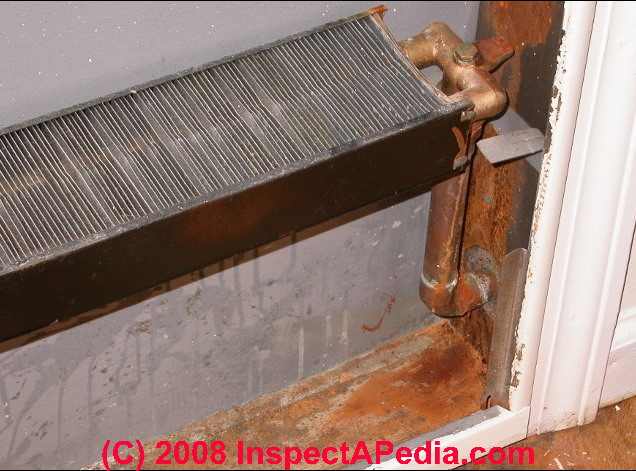
Hydronic baseboard heating systems circulate hot water through pipes and finned elements within the baseboard units. Over time, air can accumulate in these systems. This air acts as an insulator, preventing the hot water from effectively transferring heat to the fins and, consequently, to your room. Think of it like this: air pockets create "blockages" that disrupt the flow of hot water, causing uneven or nonexistent heating.
Diagnosis: Is Air the Problem?
Before diving into the fix, let's confirm that trapped air is indeed the culprit. Here's how to diagnose the issue:
- Listen Carefully: With the heating system running, listen closely to your baseboard heaters. Do you hear gurgling, hissing, or bubbling sounds? These are telltale signs of air trapped within the system.
- Touch and Feel: Carefully touch the baseboard heater along its length. Are there sections that are noticeably colder than others? Air tends to collect in the highest points, so pay particular attention to the areas near the top of the baseboard unit.
- Check the Boiler Pressure: Low boiler pressure can sometimes contribute to air problems. Consult your boiler's manual to determine the correct pressure range. If the pressure is consistently low, it could indicate a leak in the system, which allows air to enter. (This requires professional attention).
DIY Fix: Bleeding Your Baseboard Heaters
Bleeding your baseboard heaters is a relatively simple process that most homeowners can handle themselves. It involves releasing the trapped air through the air bleeder valve. Safety First: Always allow the system to cool down before attempting to bleed the heaters. Hot water can cause serious burns.
What You'll Need:
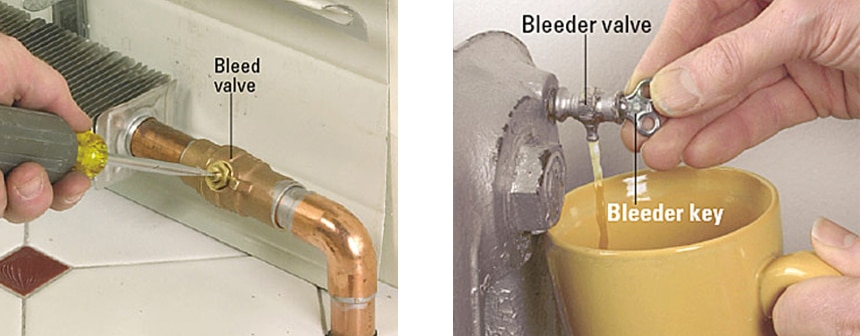
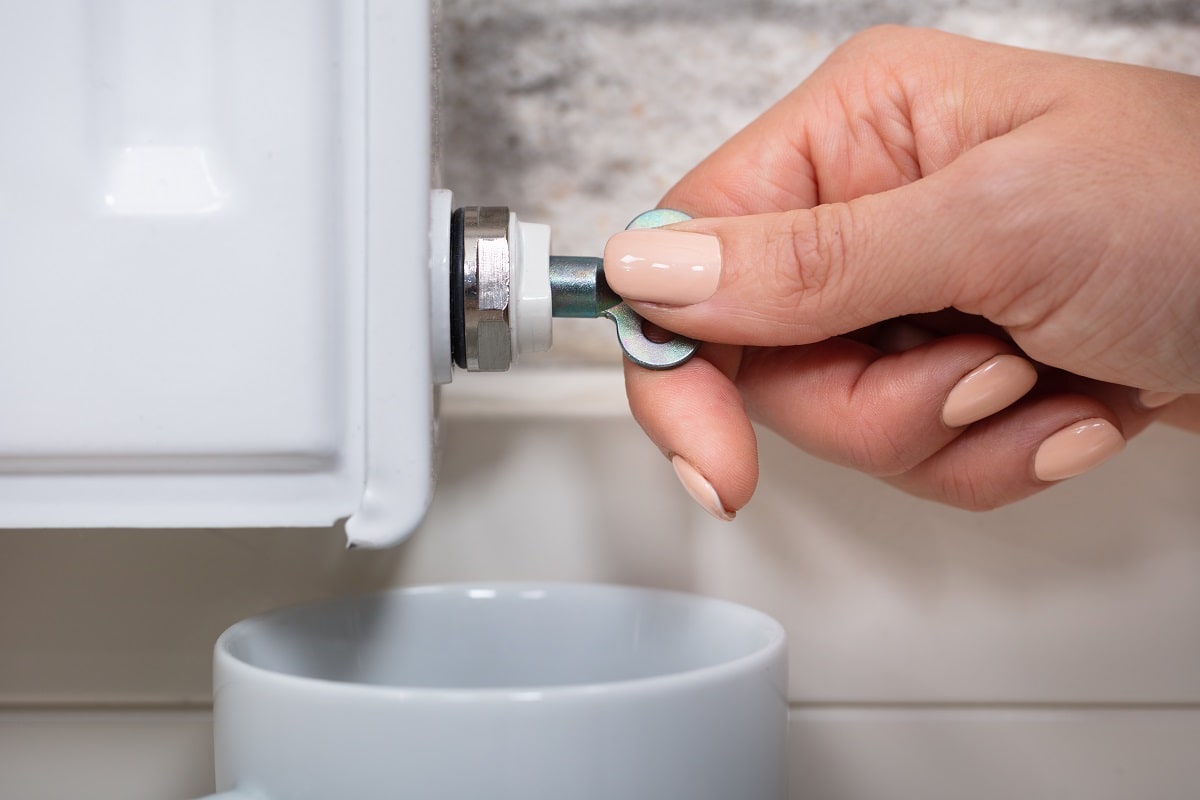
- Baseboard Bleeder Key: This is a small, specialized wrench designed to fit the bleeder valves. You can find these at most hardware stores. Some valves require a flathead screwdriver instead.
- Small Container: To catch any water that comes out during the bleeding process. An old bowl, cup, or even a rag will work.
- Towel or Rags: To protect your floors and clean up any spills.
Step-by-Step Bleeding Guide:
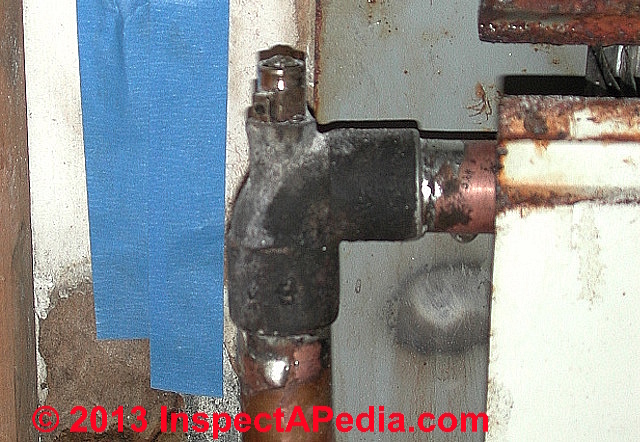
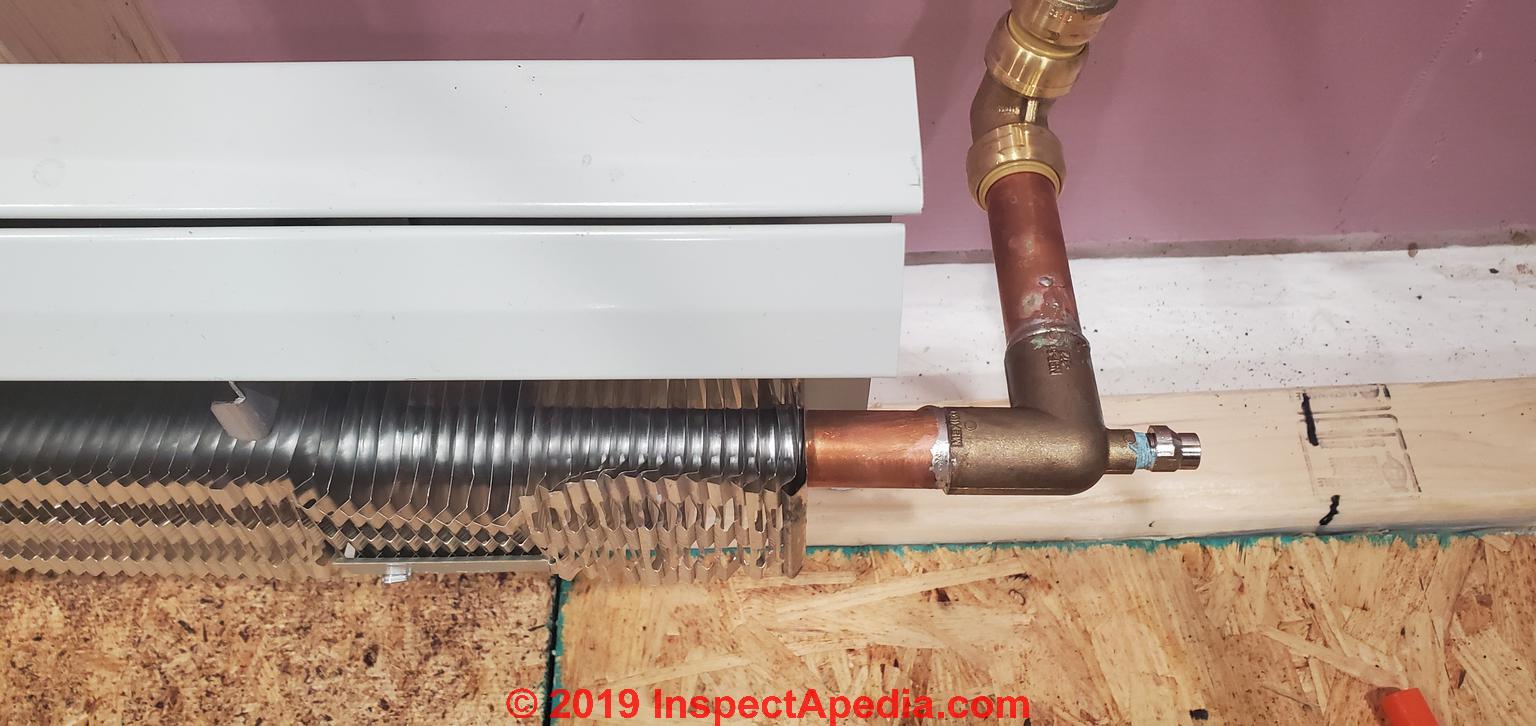
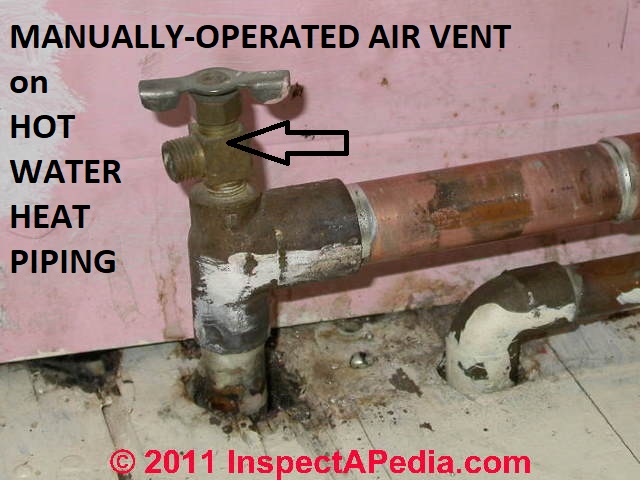
- Locate the Bleeder Valve: The bleeder valve is usually a small, often brass-colored, fitting located at the top or end of the baseboard heater. It may be hidden behind a removable panel on the heater. It might be a small square or slotted screw.
- Prepare for Water: Place your container directly beneath the bleeder valve to catch any water that escapes. Cover the surrounding area with a towel to protect your floor.
- Insert the Bleeder Key: Carefully insert the bleeder key into the valve. If your valve requires a screwdriver, position the screwdriver securely in the slot.
- Open the Valve Slowly: Slowly and gently turn the bleeder key (or screwdriver) counterclockwise. You should hear a hissing sound as air escapes. Don't open the valve too much, as this can cause water to spray out forcefully.
- Release the Air: Continue to turn the key until only water comes out. There may be some sputtering and spitting initially, but eventually, a steady stream of water should emerge.
- Close the Valve: Once all the air is released and only water is flowing, carefully close the bleeder valve by turning the key (or screwdriver) clockwise until it's snug. Don't overtighten, as this can damage the valve.
- Wipe Up Any Spills: Clean up any water that may have spilled during the process.
- Repeat for All Heaters: Repeat steps 1-7 for all the baseboard heaters in your home, starting with the heater furthest from the boiler and working your way back. This ensures that you're systematically removing air from the entire system.
- Check Boiler Pressure Again: After bleeding all the heaters, check the boiler pressure. Bleeding the system may lower the pressure, so you might need to add water to the system to bring it back to the recommended range (consult your boiler's manual for instructions).
Important Considerations and Troubleshooting Tips:
- Stubborn Valves: If the bleeder valve is stuck and won't open, do not force it. Applying excessive force can damage the valve. Try applying a penetrating oil (like WD-40) and letting it sit for a few minutes before attempting to open the valve again. If it still won't budge, it's best to call a professional.
- Leaking Valves: If the bleeder valve continues to leak after you've closed it, try tightening it slightly. If the leak persists, the valve may be damaged and need to be replaced. (This might be a job for a plumber).
- Water Hammering: If you hear loud banging noises in your pipes (water hammering), it's often a sign of trapped air. Bleeding the system should help resolve this issue.
- Systematic Approach: Always start bleeding the heaters furthest from the boiler and work your way back. This ensures that you're effectively removing air from the entire system.
- Monitor Boiler Pressure: Keep a close eye on your boiler pressure after bleeding the system. If the pressure drops significantly, it could indicate a leak.
When to Call a Professional:
While bleeding baseboard heaters is a relatively straightforward DIY task, there are certain situations where it's best to call a qualified heating professional. Here are some red flags:
- Persistent Air Problems: If you're constantly having to bleed your baseboard heaters, it indicates a larger underlying issue, such as a leak in the system or a problem with the expansion tank.
- Low Boiler Pressure: If your boiler pressure is consistently low, despite adding water, it suggests a leak that needs to be located and repaired.
- Boiler Issues: If you notice any problems with your boiler itself, such as unusual noises, leaks, or a failure to heat, do not attempt to fix it yourself. Boiler repairs can be dangerous and should only be performed by qualified professionals.
- Damaged Valves: If you damage a bleeder valve or are unable to repair a leaking valve, it's best to call a plumber to replace it.
- Lack of Confidence: If you're uncomfortable working with plumbing or heating systems, don't hesitate to call a professional. It's always better to err on the side of caution.
- Radiant floor heating systems: Bleeding a radiant floor heating system can be complex. Unless you have prior experience, it is best to call a professional.
- Repeated Zone Valve Issues: If the issues are isolated to one zone of your house and the zone valve is not working properly or leaking, call a professional.
In summary: If you're dealing with a simple case of trapped air, bleeding your baseboard heaters can be a quick and easy fix. However, if you encounter any of the above red flags, don't hesitate to call a professional. Your safety and the proper functioning of your heating system are paramount.
Long-Term Prevention
Once you've successfully bled your baseboard heaters, there are a few steps you can take to help prevent air from accumulating in the system in the future:
- Automatic Air Vents: Consider installing automatic air vents on your baseboard heaters. These vents automatically release trapped air, preventing it from interfering with heating performance. However, be aware that these vents themselves can fail or leak over time, so they may require periodic maintenance or replacement.
- Expansion Tank Inspection: Your boiler's expansion tank is designed to accommodate the expansion and contraction of water as it heats and cools. If the expansion tank is failing, it can contribute to air problems. Have the tank inspected periodically by a professional.
- Regular System Maintenance: Schedule regular maintenance for your heating system with a qualified technician. This will help identify and address any potential issues before they become major problems. This includes checking pressure, valves, and overall system efficiency.
By following these tips, you can keep your baseboard heating system running smoothly and efficiently for years to come, ensuring a warm and comfortable home throughout the winter months.