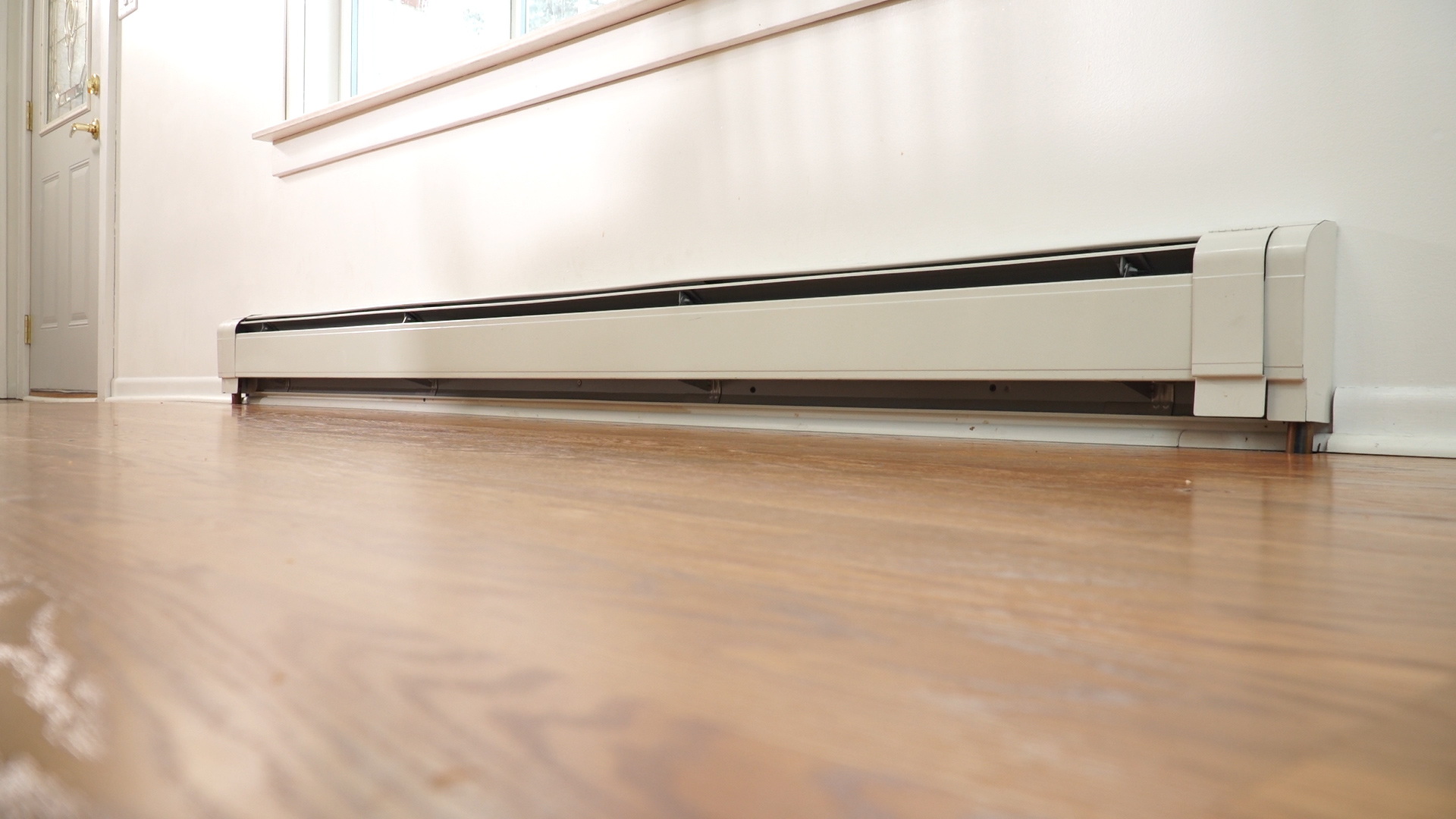
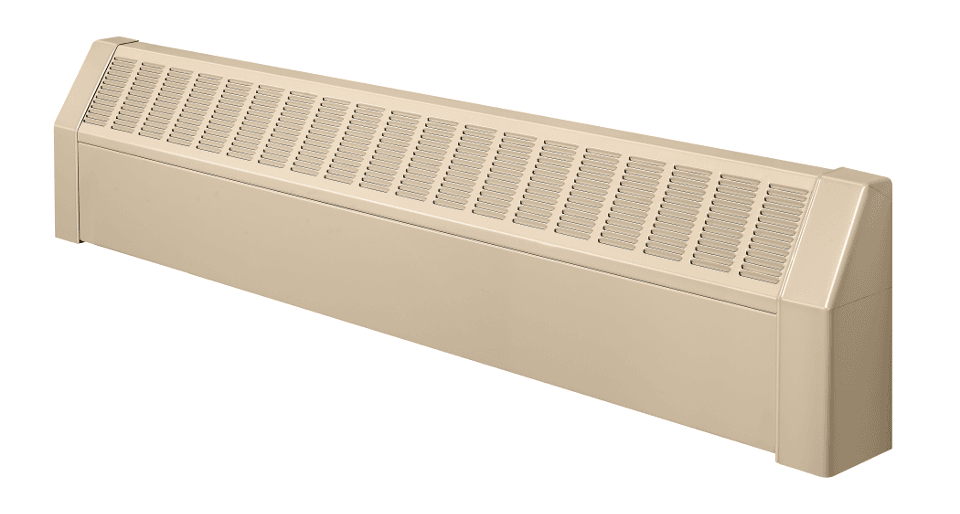
Baseboard Heaters Hot Water

Baseboard heaters using hot water are a common and efficient way to provide zonal heating in residential and commercial buildings. Understanding how these systems work, their installation, maintenance, and troubleshooting is crucial for a successful career in the HVAC industry. This article will provide a comprehensive overview of hot water baseboard heating systems, career paths related to them, necessary certifications, and industry trends relevant to HVAC professionals.
How Hot Water Baseboard Heaters Work
Hot water baseboard heaters are a type of radiant heating system. Unlike forced-air systems that blow heated air through ducts, baseboard heaters radiate heat directly into the room. Here's a breakdown of the process:
- Water Heating: A boiler, fueled by natural gas, propane, oil, or electricity, heats water to a specific temperature, typically between 140°F and 180°F.
- Circulation: A circulator pump pushes the heated water through a network of pipes.
- Heat Emission: The hot water flows through the baseboard heater elements, which consist of metal fins attached to a pipe. These fins increase the surface area for heat transfer.
- Radiant Heat: The fins radiate heat into the room, warming the air and objects in the space.
- Return: The cooled water returns to the boiler to be reheated, completing the cycle.
These systems are prized for their quiet operation, even heat distribution, and efficiency in maintaining consistent temperatures. However, improper installation or lack of maintenance can lead to issues like leaks, uneven heating, and reduced efficiency.
Career Paths Related to Hot Water Baseboard Heaters
Several career paths involve working with hot water baseboard heating systems. Here are a few examples:
HVAC Technician
HVAC technicians are the backbone of the industry. They install, maintain, and repair heating, ventilation, and air conditioning systems, including hot water baseboard heaters. Their responsibilities include:
- Installing new baseboard heating systems, ensuring proper piping, connections, and boiler operation.
- Troubleshooting issues such as leaks, pump failures, and thermostat malfunctions.
- Performing routine maintenance, including bleeding air from the system, checking water pressure, and inspecting for corrosion.
- Advising customers on energy-efficient upgrades and system improvements.
Example: Sarah started as an HVAC apprentice after completing a vocational program. Over five years, she gained experience with various heating systems, specializing in hydronic heating, including hot water baseboard heaters. She now leads a team of technicians, focusing on large-scale residential installations.
HVAC Installer
HVAC installers primarily focus on the installation of new HVAC systems. Their expertise is crucial for ensuring systems are set up correctly from the start. For hot water baseboard heaters, this includes:
- Measuring and cutting pipes.
- Connecting baseboard units to the hot water supply and return lines.
- Installing and connecting boilers.
- Pressure testing the system to ensure no leaks.
Example: David, an HVAC installer, started his career with a focus on new construction. He quickly developed expertise in installing complex hydronic heating systems in custom homes. His attention to detail and understanding of building codes made him a highly sought-after installer.
HVAC Service Technician
Service technicians specialize in the maintenance and repair of existing HVAC systems. This role requires strong diagnostic skills and the ability to quickly identify and resolve problems with minimal disruption to the customer.
- Diagnosing issues with hot water baseboard heaters, such as cold spots, leaks, and pump failures.
- Repairing or replacing faulty components, such as pumps, valves, and thermostats.
- Performing preventative maintenance to ensure optimal system performance.
Example: Maria, a service technician, has built a loyal customer base by providing prompt and reliable service. Her ability to quickly diagnose and repair complex issues with hot water baseboard systems has made her a valuable asset to her company.
HVAC Design Engineer
HVAC design engineers are responsible for designing HVAC systems that meet the specific needs of a building. This includes selecting the appropriate type and size of equipment, calculating heating and cooling loads, and ensuring the system complies with building codes and energy efficiency standards.
Example: John, an HVAC design engineer, specializes in sustainable building design. He incorporates energy-efficient hydronic heating systems, including hot water baseboard heaters, into his designs to minimize energy consumption and reduce environmental impact.
Essential Certifications for HVAC Professionals
Certifications are crucial for demonstrating competency and increasing earning potential in the HVAC industry. Here are some key certifications:
- NATE (North American Technician Excellence): NATE certification is widely recognized as a mark of excellence in the HVAC industry. It demonstrates that a technician has the knowledge and skills to properly install, maintain, and repair HVAC systems. Specific NATE certifications related to hydronic heating can significantly enhance career prospects.
- EPA 608 Certification: Required by the EPA for technicians who handle refrigerants. While not directly related to hot water baseboard heaters, it's often a requirement for broader HVAC roles. The different types of EPA 608 certifications are Type I, Type II, Type III, and Universal.
- HVAC Excellence Certifications: Offers a range of certifications covering various HVAC topics, including heating, air conditioning, and refrigeration.
- State and Local Licenses: Many states and municipalities require HVAC technicians to be licensed. Licensing requirements vary, but typically involve passing an exam and demonstrating a certain level of experience.
Obtaining these certifications demonstrates a commitment to professional development and can lead to higher salaries and greater career opportunities.
Salary Expectations in the HVAC Industry
Salaries in the HVAC industry vary depending on experience, location, and certifications. According to the U.S. Bureau of Labor Statistics, the median annual wage for HVAC mechanics and installers was $51,390 in May 2022. However, experienced technicians with specialized skills and certifications can earn significantly more. Here's a general overview:
- Entry-Level HVAC Technician: $35,000 - $45,000 per year
- Experienced HVAC Technician: $50,000 - $70,000 per year
- HVAC Service Manager: $70,000 - $90,000 per year
- HVAC Design Engineer: $75,000 - $100,000+ per year
Salaries are generally higher in areas with a high cost of living and strong demand for HVAC services. Investing in certifications and continuing education can significantly increase earning potential.
Industry Trends Affecting Hot Water Baseboard Heaters
Several trends are shaping the future of the HVAC industry and impacting the demand for technicians with expertise in hot water baseboard heaters:
- Energy Efficiency: Increasing focus on energy efficiency is driving demand for high-efficiency heating systems, including advanced hot water baseboard heaters with modulating boilers and smart controls.
- Smart Home Technology: Integration of smart home technology, such as smart thermostats and remote monitoring systems, is becoming increasingly common. Technicians need to be proficient in installing and troubleshooting these technologies.
- Geothermal Heating: Geothermal heating systems, which use the earth's natural heat to provide heating and cooling, are gaining popularity. These systems often incorporate hydronic heating, including hot water baseboard heaters.
- Sustainability: A growing emphasis on sustainable building practices is driving demand for environmentally friendly heating solutions.
Staying up-to-date on these trends is crucial for HVAC professionals to remain competitive and provide value to their customers.
Troubleshooting Common Issues
Understanding common issues with hot water baseboard heaters is essential for efficient troubleshooting. Here are a few examples:
- Cold Spots: Often caused by air trapped in the system. Bleeding the baseboard heaters can resolve this issue.
- Leaks: Can occur at pipe connections, valves, or the baseboard units themselves. Identifying and repairing leaks promptly is crucial to prevent water damage.
- No Heat: Could be due to a faulty thermostat, a malfunctioning circulator pump, or a problem with the boiler.
- Uneven Heating: May be caused by imbalances in the system or blockages in the pipes.
Proper diagnosis and repair techniques are vital for maintaining the efficiency and reliability of hot water baseboard heating systems.
The Future of Hot Water Baseboard Heating
While newer technologies like heat pumps are gaining traction, hot water baseboard heating remains a relevant and efficient heating solution, particularly in older homes and regions with cold climates. Its simplicity, reliability, and even heat distribution make it a preferred choice for many homeowners. The key to its future lies in embracing new technologies, such as smart controls and high-efficiency boilers, to further enhance its energy efficiency and performance.
For HVAC professionals, specializing in hydronic heating systems like hot water baseboard heaters offers a rewarding and stable career path. By obtaining the necessary certifications, staying up-to-date on industry trends, and providing excellent service, technicians can build successful and fulfilling careers in this field.
Important Note: Always follow local building codes and manufacturer's instructions when installing, maintaining, or repairing hot water baseboard heating systems. Safety should always be the top priority.