Benefits Of Reverse Flow Smoker
Understanding the Allure and Applications of Reverse Flow Smokers: An HVAC Perspective
The world of culinary arts and, surprisingly, HVAC systems, share a common thread: the precise control and manipulation of airflow for optimal results. While HVAC professionals focus on temperature and air quality within buildings, the makers and users of reverse flow smokers are deeply invested in heat and smoke distribution for cooking. As an HVAC specialist, understanding the principles behind these smokers can broaden your knowledge base and potentially open doors to niche applications within the food service industry. This article explores the benefits of reverse flow smokers and how HVAC expertise can be relevant in this domain.
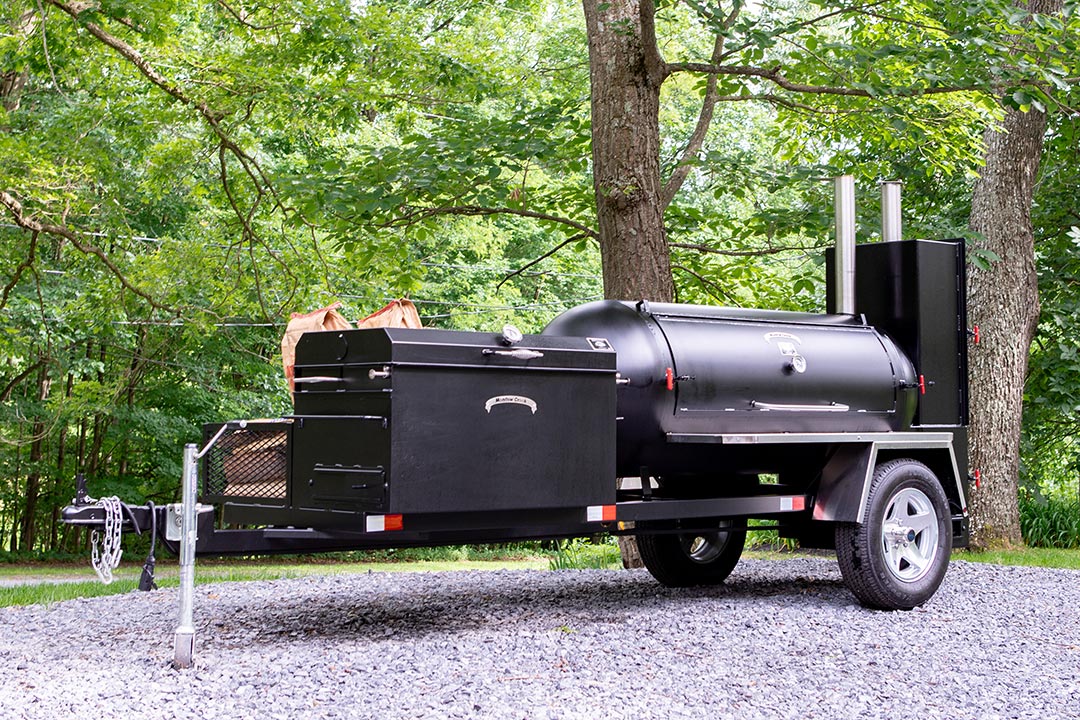
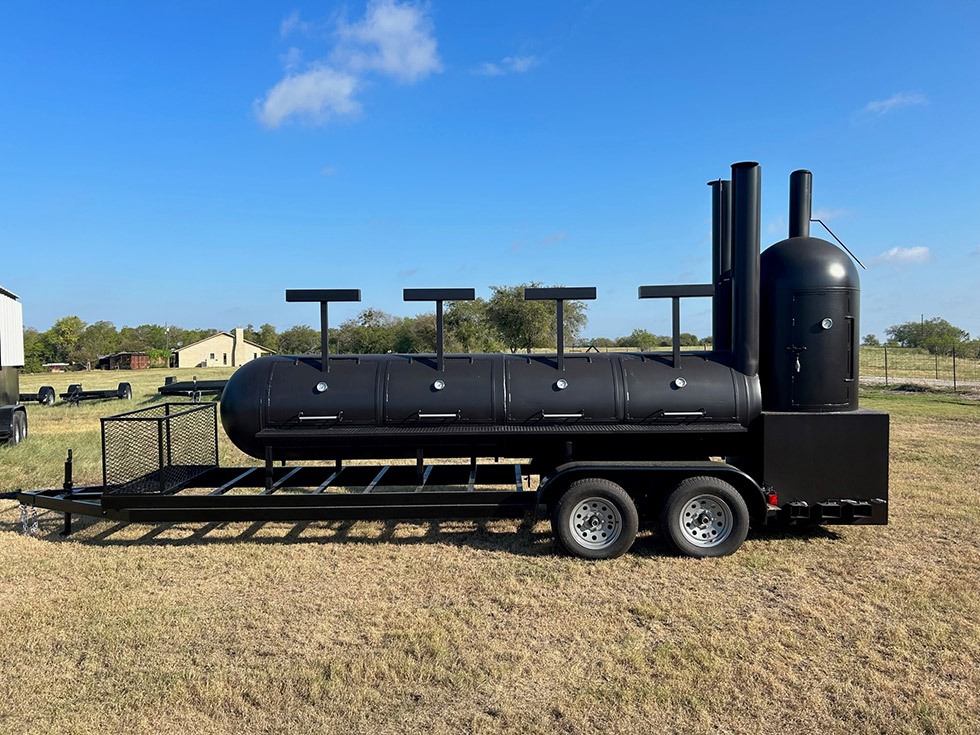
What is a Reverse Flow Smoker?
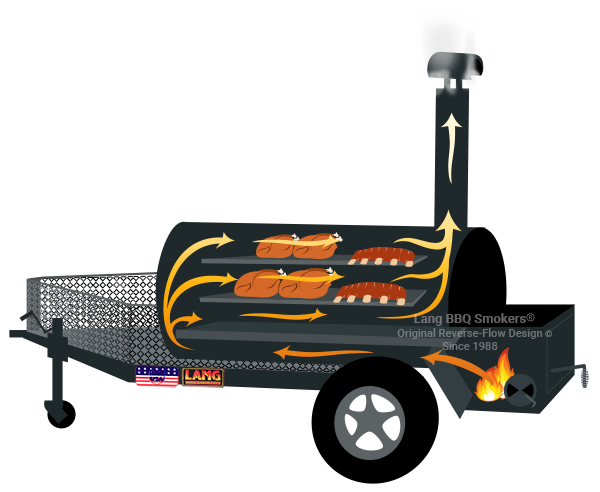
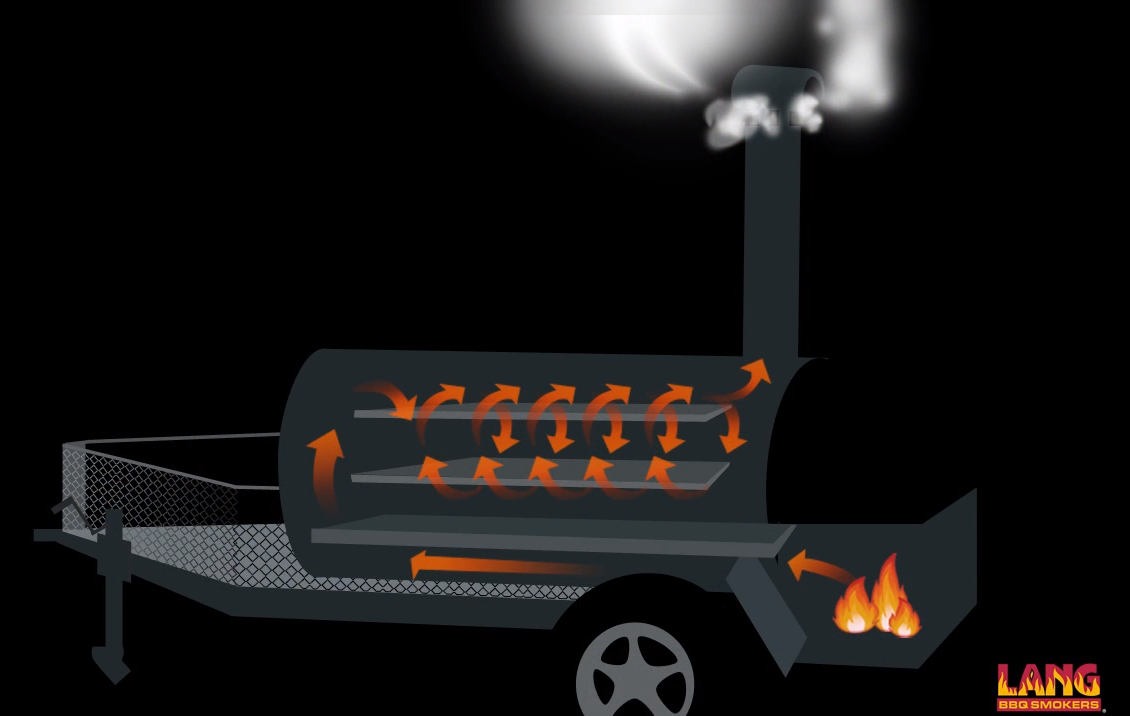
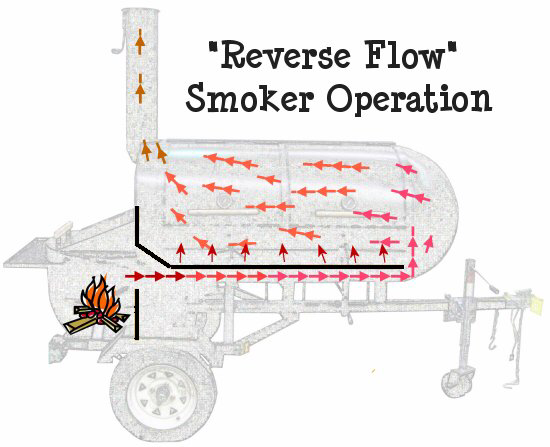
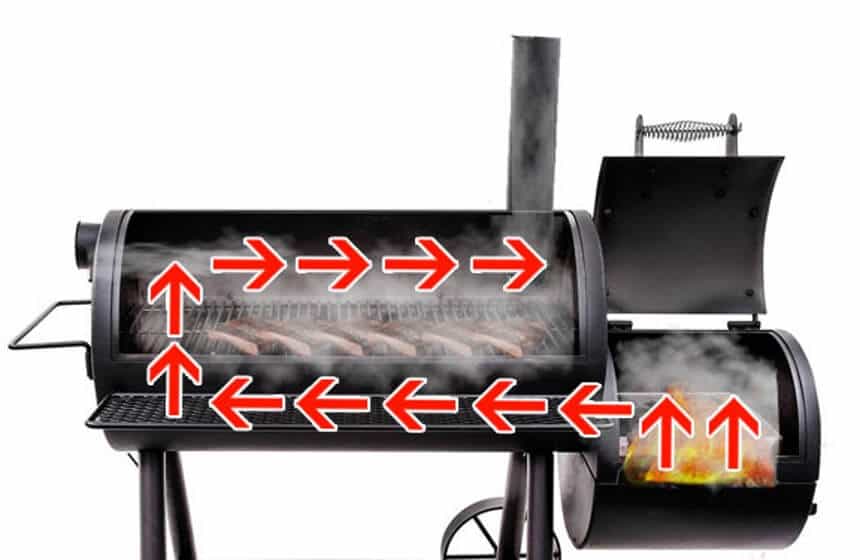
Unlike traditional smokers where heat and smoke rise directly from the firebox to the cooking chamber and out the exhaust, a reverse flow smoker features a baffle plate that forces the smoke to travel beneath the cooking grates before rising and exiting the smoker. This design has several key benefits:
- Even Heat Distribution: The baffle plate acts as a heat sink, absorbing direct radiant heat from the fire and radiating it evenly across the cooking chamber. This minimizes hot spots and ensures consistent cooking temperatures throughout.
- Moist Cooking Environment: The longer smoke path and baffle plate design help to retain moisture within the cooking chamber, resulting in juicier and more tender smoked meats.
- Enhanced Smoke Flavor: By forcing the smoke to travel further and linger longer, the food absorbs more of the smoky flavor.
Benefits Explored: Why Reverse Flow Smokers Are Superior
The advantages of reverse flow smokers translate into tangible benefits for the user:
- Superior Temperature Control: HVAC technicians understand the importance of precise temperature control. Reverse flow smokers offer greater temperature stability compared to traditional models, reducing the need for constant adjustments. This is due to the thermal mass of the baffle plate and the more efficient heat distribution.
- Reduced Flare-Ups: The baffle plate shields the food from direct flames, minimizing the risk of flare-ups that can char the outside of the meat before it's cooked through.
- Larger Cooking Capacity: The even heat distribution allows for more usable cooking space, as all areas of the chamber maintain a consistent temperature. This is especially important for commercial applications.
- Improved Fuel Efficiency: While not their primary design objective, the efficient heat retention of reverse flow smokers often leads to slightly improved fuel efficiency compared to direct flow models.
HVAC Principles in Smoker Design and Operation
The core principles of HVAC – heat transfer, airflow management, and temperature control – are directly applicable to the design and operation of reverse flow smokers. HVAC technicians possess a unique understanding of these principles that can be valuable in:
- Designing More Efficient Smokers: Understanding airflow dynamics, heat transfer coefficients, and insulation properties can lead to the development of more efficient and effective smoker designs.
- Troubleshooting Smoker Performance Issues: HVAC technicians can diagnose and resolve issues related to temperature fluctuations, uneven cooking, and draft problems.
- Optimizing Smoker Operation: Applying HVAC knowledge can help users fine-tune their smoking techniques to achieve optimal results, taking into account factors like ambient temperature, fuel type, and cooking load.
Career Opportunities for HVAC Professionals in the Food Service Industry
While not a traditional career path for HVAC professionals, the food service industry offers several opportunities where their expertise can be valuable. These roles may not directly involve smoker maintenance, but a strong understanding of thermodynamics and airflow is beneficial:
- Commercial Kitchen Equipment Repair: HVAC technicians can expand their skillset to include the repair and maintenance of other commercial kitchen equipment, such as ovens, refrigerators, and ventilation systems.
- Food Safety and Compliance: Knowledge of HVAC systems and airflow patterns is essential for ensuring proper ventilation and temperature control in commercial kitchens, which is critical for food safety and compliance with health regulations.
- Energy Efficiency Consulting: HVAC consultants can help restaurants and food processing facilities optimize their energy consumption by identifying inefficiencies in their HVAC systems and recommending energy-saving measures.
The Bureau of Labor Statistics (BLS) projects strong employment growth for HVACR mechanics and installers, with a median annual wage of $51,390 as of May 2021. This figure can vary significantly based on experience, location, and specialization. Adding expertise in areas like commercial kitchen equipment or food safety can further enhance earning potential.
Relevant Certifications and Training
While specific certifications for smoker maintenance don't exist, several certifications are highly valuable for HVAC professionals seeking opportunities in the food service industry:
- EPA 608 Certification: Required for handling refrigerants, which is essential for working on refrigeration equipment in commercial kitchens.
- NATE Certification: Demonstrates competency in HVACR knowledge and skills. Different NATE certifications are available, allowing technicians to specialize in areas like commercial refrigeration.
- RSES (Refrigeration Service Engineers Society) Membership and Certifications: RSES offers a range of certifications covering various aspects of refrigeration and air conditioning.
- Food Safety Certifications (e.g., ServSafe): Understanding food safety principles is crucial for working in the food service industry.
Real-World Example: Transitioning from HVAC to Smoker Design
Consider the story of John, an HVAC technician with 10 years of experience. John, a passionate BBQ enthusiast, began experimenting with building his own smokers. His HVAC background gave him a distinct advantage in understanding airflow dynamics and heat transfer. He started by modifying existing smoker designs and eventually developed his own innovative reverse flow smoker that boasted superior temperature control and fuel efficiency. John's passion, combined with his HVAC expertise, led him to start a successful business manufacturing and selling his custom-designed smokers. This demonstrates how HVAC skills can be leveraged in unexpected and rewarding ways.
The Future of Smoking Technology and HVAC
The lines between traditional smoking and modern technology are blurring. We're seeing the rise of smart smokers with digital temperature controls, integrated sensors, and even remote monitoring capabilities. These advancements rely heavily on the same principles that govern HVAC systems, creating new opportunities for HVAC professionals to contribute to the evolution of smoking technology. As manufacturers strive to create more efficient, precise, and user-friendly smokers, the demand for expertise in airflow management, temperature control, and automation will only continue to grow.
Conclusion: A Surprising Synergy
While seemingly disparate fields, HVAC and the world of reverse flow smokers share a fundamental connection: the control and manipulation of air and heat. By understanding the principles behind these smokers, HVAC professionals can broaden their knowledge base, expand their skillset, and potentially open doors to new and exciting career opportunities within the food service industry. The demand for skilled technicians with a strong understanding of thermodynamics and airflow will continue to grow as both industries evolve and innovate. So, whether you're an HVAC student, an experienced technician, or an employer seeking skilled workers, recognizing the synergy between HVAC and smoking technology can lead to unexpected and rewarding outcomes.
Remember to always prioritize safety and adhere to all relevant regulations and codes when working with any type of heating or cooling equipment, including smokers. Continued education and professional development are crucial for staying ahead in the ever-evolving HVAC industry.