Best Air Conditioning Systems For Home
Frequently Asked Questions: Choosing the Best Air Conditioning System for Your Home
Finding the right air conditioning system can be a challenge. This FAQ aims to answer your most pressing questions, helping you make an informed decision that fits your needs and budget. We'll cover the most common types of AC systems, factors to consider, and tips for optimal performance.
Q1: What are the main types of air conditioning systems available for homes?
There are several types of AC systems commonly used in residential settings. Here's a brief overview:
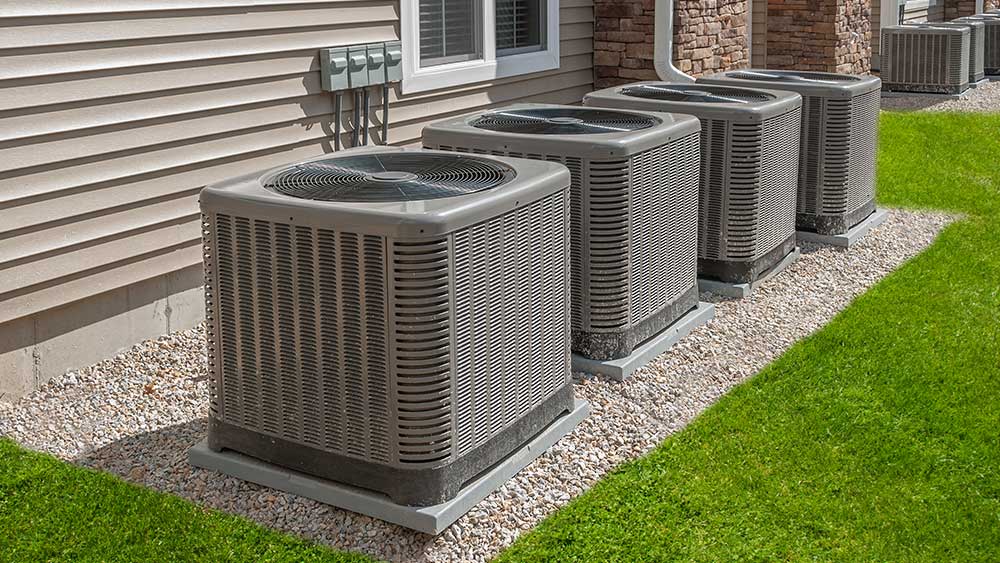
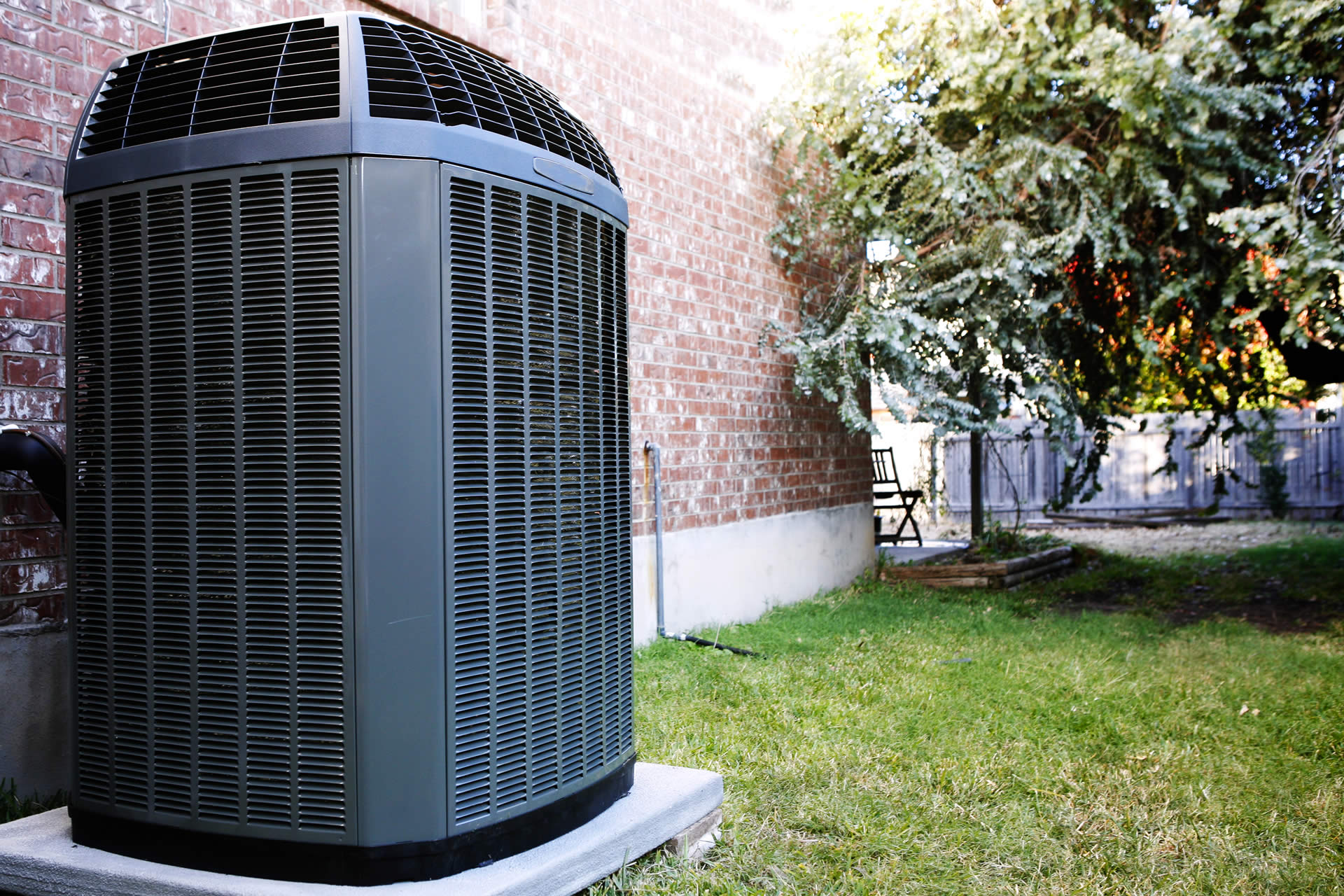
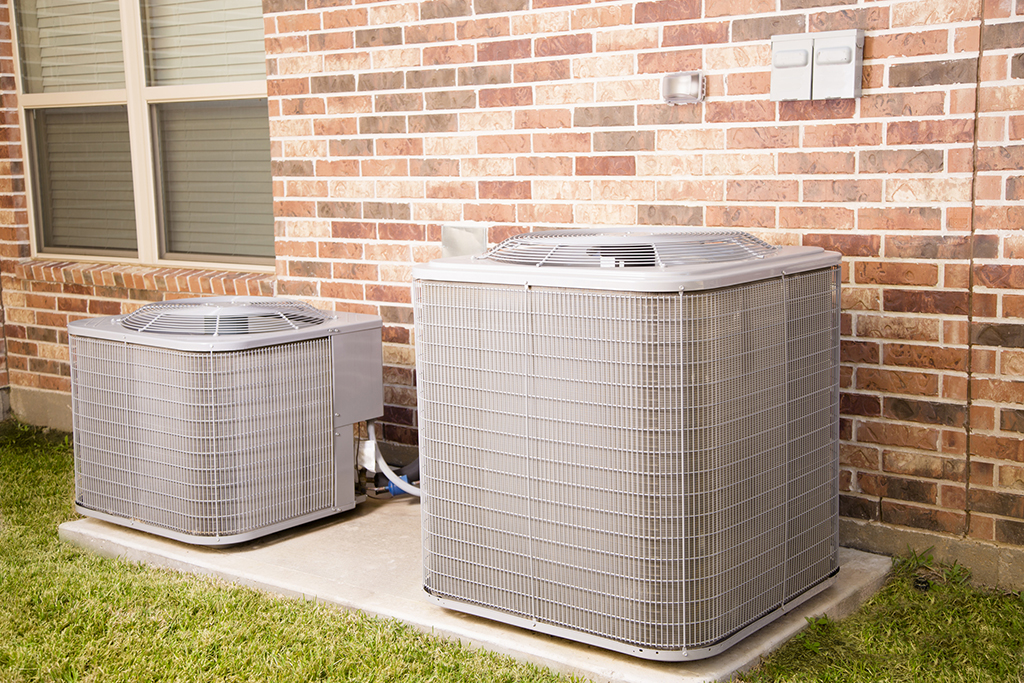
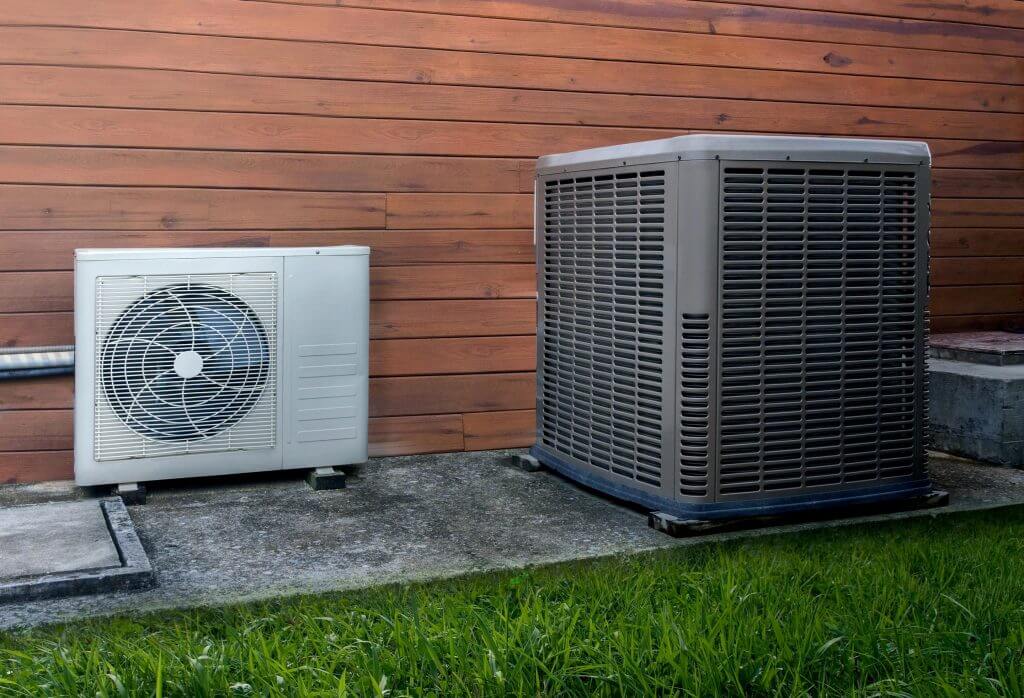
- Central Air Conditioning: These systems use a network of ducts to distribute cooled air throughout your entire home. They are ideal for homes with existing ductwork and offer efficient, whole-house cooling.
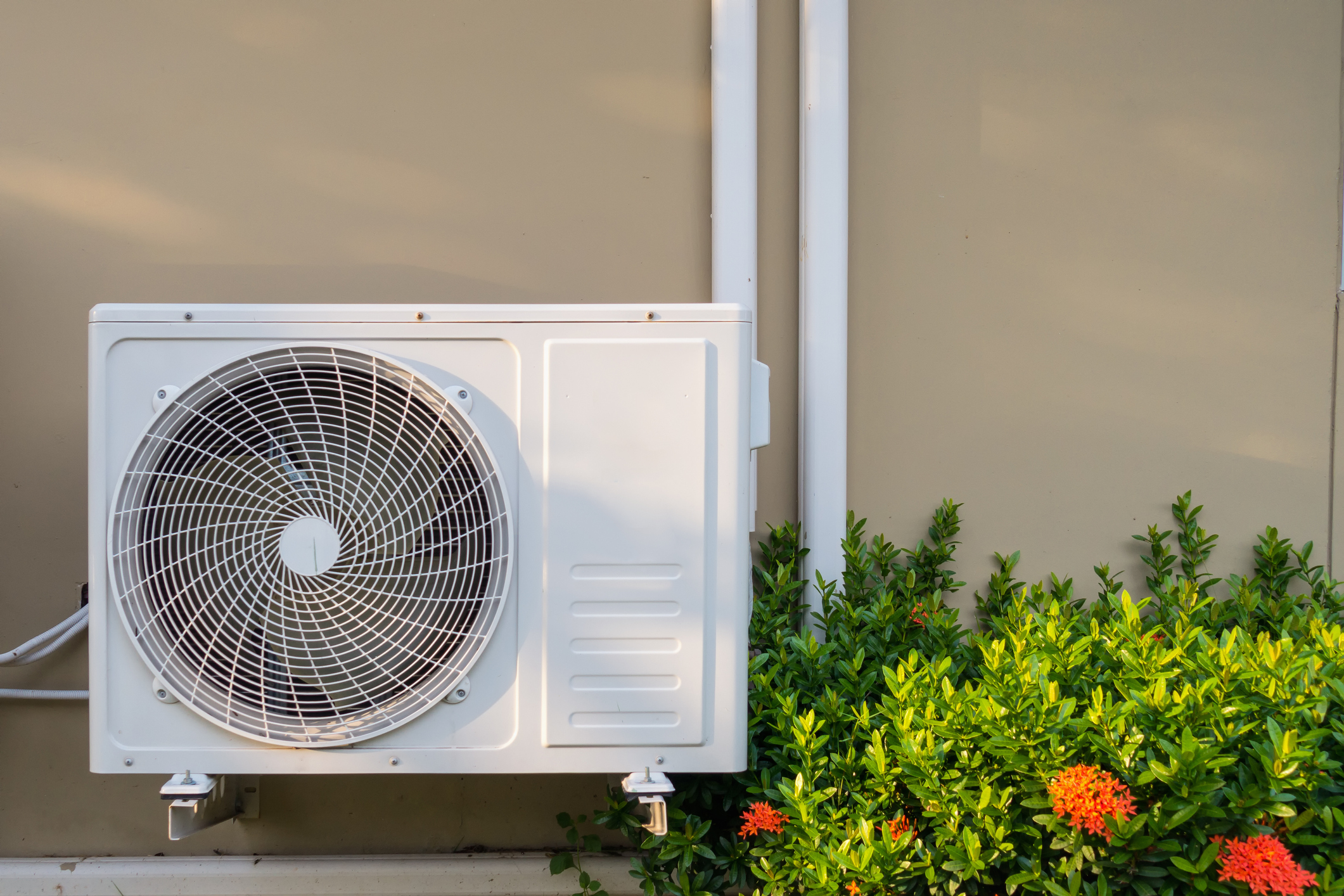
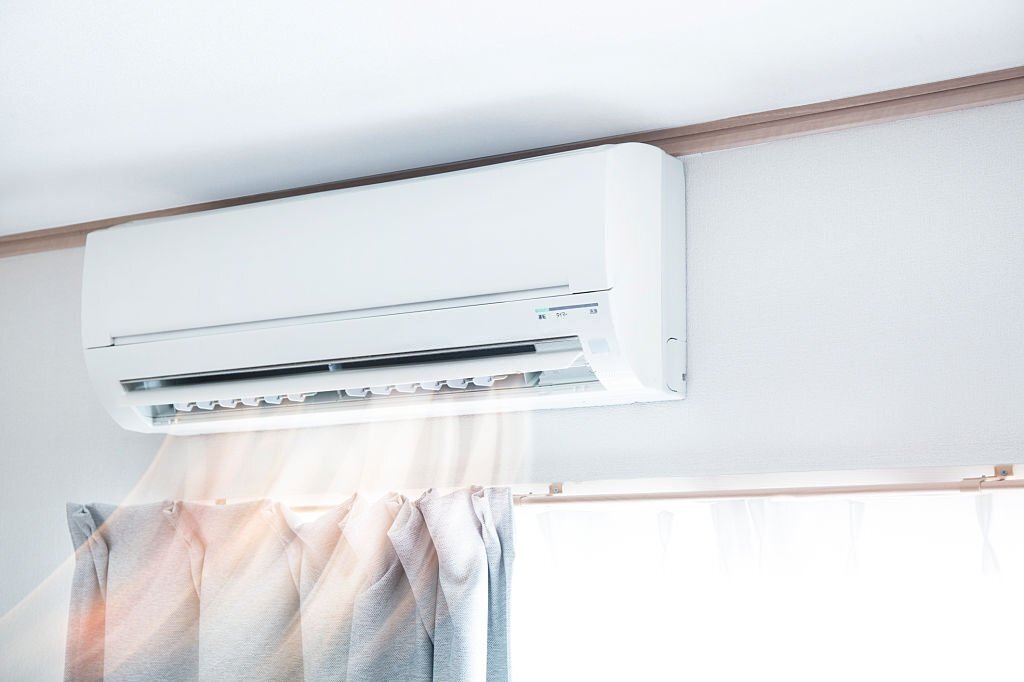
- Ductless Mini-Split Systems: These systems consist of an outdoor compressor/condenser and one or more indoor air handlers. They are ductless, making them perfect for homes without existing ductwork, room additions, or targeted cooling of specific areas.
- Window Air Conditioners: These are single-unit systems that fit into a window opening. They are the most affordable option and suitable for cooling individual rooms.
- Portable Air Conditioners: These are freestanding units that can be moved from room to room. They require venting to the outside through a window.
- Geothermal Heat Pumps: These systems use the earth's constant temperature to provide both heating and cooling. While they have a higher upfront cost, they are very energy-efficient and can save you money in the long run.
Q2: How do I determine the right size (BTU) of air conditioner for my home?
Choosing the correct size AC unit is crucial for both comfort and energy efficiency. An undersized unit will struggle to cool your space adequately, while an oversized unit will cycle on and off too frequently, leading to inconsistent temperatures and higher energy bills.
BTU, or British Thermal Units, is the measurement used to indicate the cooling capacity of an air conditioner. Here's a simplified guideline:
- Room Size: A general rule of thumb is to use 20 BTU per square foot of living space. For example, a 200-square-foot room would require approximately 4,000 BTU.
- Other Factors: Consider additional factors that can influence your cooling needs:
- Sun Exposure: Rooms with heavy sun exposure will require more BTU.
- Ceiling Height: Higher ceilings require more cooling capacity.
- Number of Occupants: More people generate more heat.
- Insulation: Poor insulation will increase cooling needs.
It is always best to consult with a qualified HVAC professional to accurately assess your cooling needs and recommend the appropriate size AC unit. They can perform a load calculation that takes into account all relevant factors.
Q3: What is SEER, and why is it important when choosing an air conditioner?
SEER stands for Seasonal Energy Efficiency Ratio. It's a rating that measures the cooling efficiency of an air conditioner over an entire cooling season. The higher the SEER rating, the more energy-efficient the unit is, and the lower your energy bills will be.
Why is SEER important?
- Energy Savings: Higher SEER ratings translate to significant energy savings over the lifespan of the air conditioner.
- Lower Utility Bills: More efficient units consume less electricity, resulting in lower monthly bills.
- Environmental Impact: Energy-efficient AC units reduce your carbon footprint.
- Rebates and Incentives: Many utility companies and government programs offer rebates and incentives for installing high-SEER air conditioners.
The minimum SEER rating currently mandated by the U.S. Department of Energy is 14 for most regions, but models with SEER ratings of 16 or higher are available and offer even greater energy savings. Consider investing in a higher SEER rating if you plan to use your air conditioner frequently.
Q4: What are the benefits of a ductless mini-split system compared to central air conditioning?
Ductless mini-split systems offer several advantages over traditional central air conditioning systems, particularly in specific situations:
- No Ductwork Required: This makes them ideal for homes without existing ductwork, additions, or retrofits.
- Zoned Cooling: You can control the temperature in individual rooms or zones, allowing for customized comfort and energy savings. Only cool the rooms you are using!
- Energy Efficiency: Many mini-split systems have very high SEER ratings, making them more energy-efficient than older central air conditioners.
- Easy Installation: Installation is typically less complex and less disruptive than installing ductwork for central AC.
- Quiet Operation: Mini-split systems are generally quieter than window units or central AC units.
However, there are also some potential drawbacks to consider:
- Aesthetics: Some people find the indoor air handlers to be less aesthetically pleasing than traditional vents.
- Cost: Mini-split systems can be more expensive upfront than window units, and comparable in price to central AC, depending on the number of zones.
Q5: How can I maintain my air conditioning system to ensure optimal performance and longevity?
Regular maintenance is essential for keeping your air conditioning system running efficiently and extending its lifespan. Here are some key maintenance tasks:
- Clean or Replace Air Filters Regularly: Dirty air filters restrict airflow, reducing efficiency and potentially damaging the unit. Check your filters monthly and clean or replace them as needed (typically every 1-3 months).
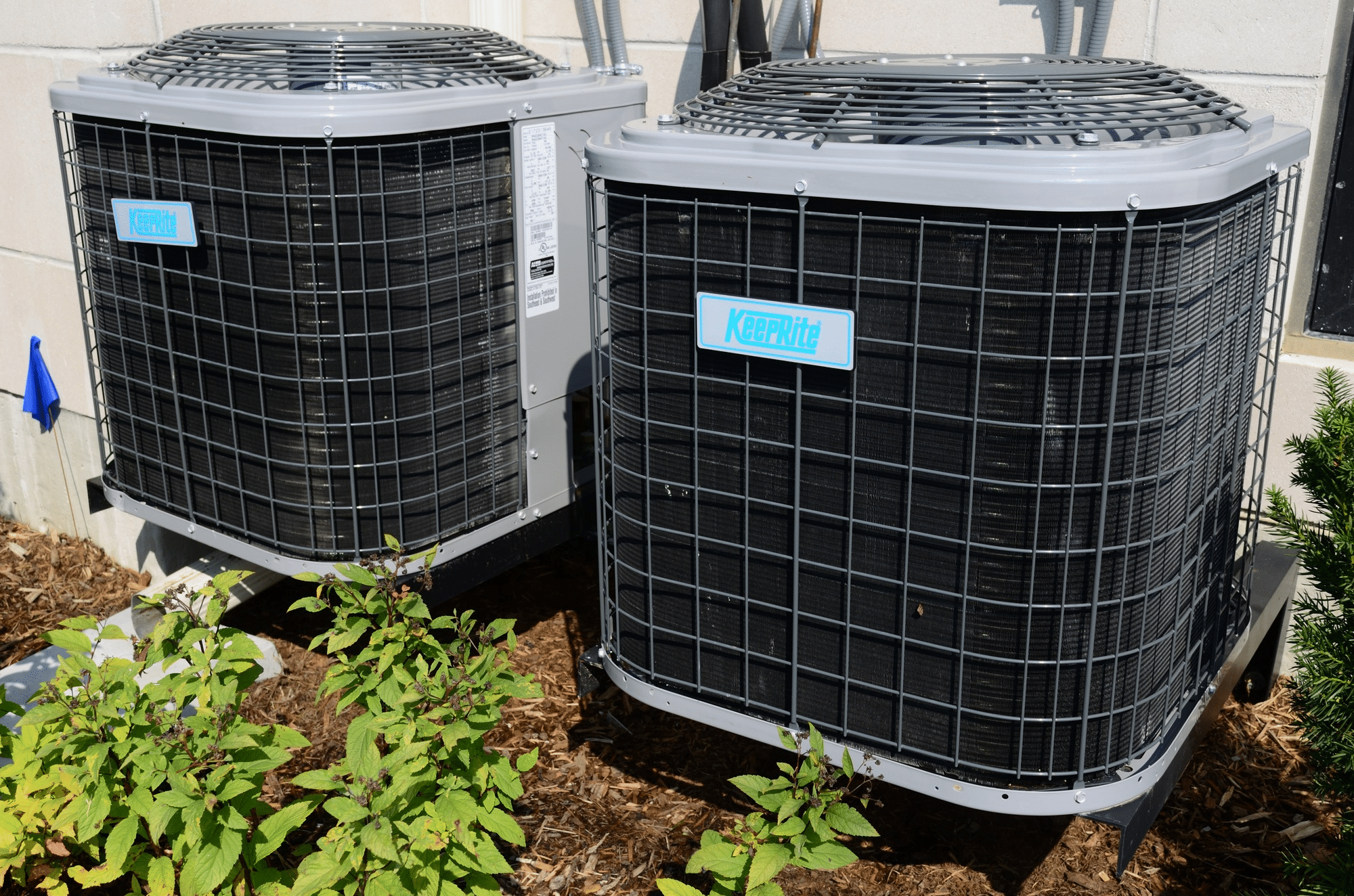
- Clean the Outdoor Unit: Remove any debris (leaves, grass clippings, etc.) from around the outdoor unit to ensure proper airflow. You can gently hose down the fins to remove dirt and grime.
- Inspect and Clean the Condensate Drain Line: A clogged drain line can cause water damage. You can use a wet/dry vacuum to clear any blockages.
- Schedule Professional Maintenance: Have your AC system professionally inspected and serviced annually by a qualified HVAC technician. They can check refrigerant levels, clean coils, and identify any potential problems before they become major issues.
- Keep Vents Clear: Ensure that furniture and other obstructions are not blocking air vents, allowing for proper air circulation.
Proper maintenance not only improves performance but also helps prevent costly repairs and extends the life of your AC system.
Q6: What are some signs that my air conditioner needs to be repaired or replaced?
Knowing the warning signs of a failing air conditioner can help you avoid a complete system breakdown during the hottest months of the year. Here are some common indicators that your AC may need professional attention:
- Insufficient Cooling: If your AC is not cooling your home adequately, even when set to a low temperature, there may be a problem with the refrigerant, compressor, or other components.
- Uneven Cooling: If some rooms are colder than others, it could indicate ductwork issues, zoning problems, or a failing compressor.
- Strange Noises: Unusual noises such as banging, grinding, or screeching can be signs of mechanical problems.
- Foul Odors: Musty or burning smells can indicate mold growth, electrical issues, or other problems.
- Increased Energy Bills: A sudden increase in your energy bills without a change in usage habits could be a sign that your AC is losing efficiency.
- Frequent Cycling: If your AC is turning on and off frequently (short cycling), it could be a sign of an oversized unit or a problem with the compressor.
- Water Leaks: Water leaks around the indoor or outdoor unit can indicate a clogged drain line or other issues.
- Age of the Unit: If your air conditioner is 10-15 years old or older, it may be nearing the end of its lifespan and may be more cost-effective to replace it with a newer, more efficient model.
If you notice any of these signs, it's important to contact a qualified HVAC technician for diagnosis and repair. Delaying repairs can lead to more serious problems and potentially shorten the lifespan of your AC system.
Q7: What are smart thermostats, and how can they improve the efficiency of my air conditioning system?
Smart thermostats are programmable thermostats that offer advanced features and connectivity, allowing you to control your home's temperature remotely and optimize energy usage. They can significantly improve the efficiency of your air conditioning system.
Benefits of Smart Thermostats:
- Remote Control: You can adjust the temperature from your smartphone or other device, even when you're away from home.
- Learning Capabilities: Some smart thermostats learn your heating and cooling preferences and automatically adjust the temperature based on your schedule.
- Geofencing: Smart thermostats can use your smartphone's location to detect when you're approaching home and automatically adjust the temperature accordingly.
- Energy Reports: Smart thermostats provide detailed energy reports, allowing you to track your energy usage and identify areas where you can save money.
- Zoning Capabilities: Some smart thermostats can be integrated with zoned cooling systems, allowing you to control the temperature in individual rooms or zones.
- Integration with Smart Home Systems: Smart thermostats can be integrated with other smart home devices, such as smart lights and smart blinds, to create a more automated and energy-efficient home.
By automating temperature adjustments and providing valuable insights into your energy usage, smart thermostats can help you save money on your energy bills and reduce your carbon footprint.