Best Air Purifiers For Home 2025
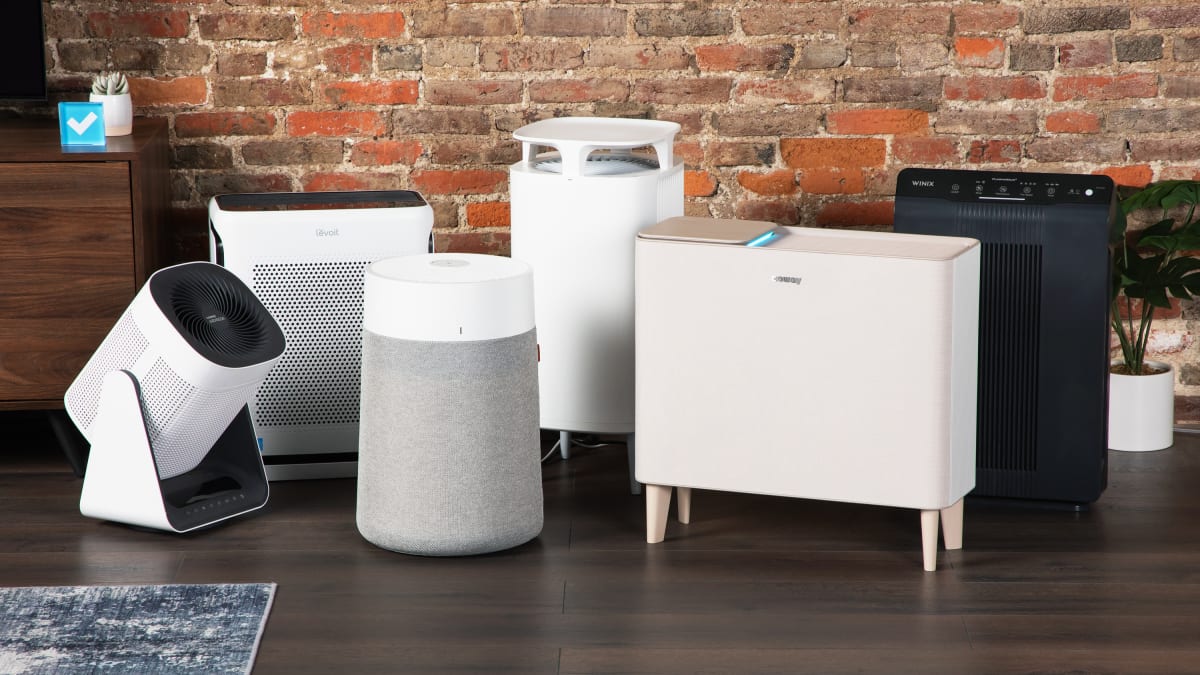
Choosing the right air purifier for your home can feel overwhelming. With so many models and technologies available, navigating the options for 2025 requires understanding your specific needs and the capabilities of different purifiers. This guide will break down the essential features, technologies, and factors to consider when selecting the best air purifier for your home, ensuring cleaner and healthier air for you and your family.
Understanding Your Air Quality Needs
Before diving into specific air purifier models, it's crucial to assess your home's air quality needs. This involves identifying the primary pollutants you want to eliminate and the size of the area you need to purify.
Identifying Common Indoor Pollutants
Indoor air can be more polluted than outdoor air. Common pollutants include:
* Particulate Matter (PM): This includes dust, pollen, pet dander, smoke, and mold spores. HEPA filters are specifically designed to capture these particles. Think of HEPA filters as very fine nets that trap even the tiniest airborne solids. * Volatile Organic Compounds (VOCs): These are gases emitted from household products like paints, cleaning supplies, furniture, and even some building materials. Symptoms of VOC exposure can range from mild irritation to more serious health issues. Activated carbon filters are used to absorb these gaseous pollutants. * Odors: Cooking smells, pet odors, and musty smells can significantly impact your home's comfort. Activated carbon filters are again your primary defense here, although some purifiers use additional technologies for odor control. * Allergens: Pollen, pet dander, dust mites, and mold spores are common allergens. Efficient air purification is key for allergy sufferers. * Bacteria and Viruses: While air purifiers can't eliminate all pathogens, some models offer features like UV-C light to help reduce airborne microorganisms.Room Size and CADR
The size of the room where you'll be using the air purifier is a critical factor in determining the right model. Air purifiers are rated by their Clean Air Delivery Rate (CADR). CADR measures how quickly a purifier can clean a room of a specific size.
Here’s how to interpret CADR ratings:
* Higher CADR = Faster Cleaning: A higher CADR means the purifier can clean the air in a larger room more quickly and effectively. * Match CADR to Room Size: Manufacturers often provide recommended room sizes for their purifiers based on CADR ratings. Always check these recommendations to ensure the purifier is suitable for your space.To calculate the CADR you need, multiply the room's square footage by the ceiling height to get the cubic footage. Then, aim for a CADR rating that will exchange the air at least 4-5 times per hour. This is often simplified by looking for the room size recommendation on the air purifier's specifications.
Key Air Purifier Technologies
Understanding the different technologies used in air purifiers will help you make an informed decision. The most common technologies include:
HEPA Filtration
HEPA (High-Efficiency Particulate Air) filters are the gold standard for particle removal. They are designed to capture at least 99.97% of particles that are 0.3 microns in diameter. This includes dust, pollen, pet dander, mold spores, and smoke. Almost all quality air purifiers use HEPA filters.
Activated Carbon Filtration
Activated carbon filters are essential for removing gases, odors, and VOCs. The activated carbon is treated to create a large surface area, allowing it to absorb a wide range of pollutants. The more activated carbon a filter contains, the better its ability to absorb gases and odors. Think of activated carbon like a sponge with millions of tiny pores that soak up unwanted smells and chemicals.
UV-C Light
Some air purifiers incorporate UV-C (ultraviolet C) light to kill bacteria, viruses, and mold spores. UV-C light damages the DNA of these microorganisms, preventing them from reproducing. However, the effectiveness of UV-C light depends on the intensity and exposure time. Make sure the UV-C light is properly shielded to prevent exposure to humans, as direct UV-C exposure can be harmful.
Ionizers and Ozone Generators
Ionizers produce negatively charged ions that attach to airborne particles, making them heavier and causing them to fall out of the air. While ionizers can help remove particles, they can also generate ozone, a known lung irritant. Ozone generators, specifically designed to produce high levels of ozone, are generally not recommended for home use due to the potential health risks.
Pre-Filters
Pre-filters are the first line of defense in an air purifier. They capture larger particles like dust, pet hair, and lint, extending the life of the HEPA and activated carbon filters. Pre-filters are typically washable or easily replaceable.
Features to Consider in 2025 Air Purifiers
Beyond the core technologies, consider these features when choosing an air purifier:
Smart Features
Many new air purifiers come with smart features, such as Wi-Fi connectivity, app control, and air quality monitoring. These features allow you to remotely control the purifier, track air quality levels, and receive filter replacement reminders. Integration with smart home assistants like Amazon Alexa and Google Assistant is also becoming increasingly common.
Air Quality Sensors
Air quality sensors automatically detect pollutants in the air and adjust the purifier's fan speed accordingly. This ensures that the purifier is only running at the necessary speed, saving energy and extending filter life. Look for purifiers with sensors that can detect both particulate matter and VOCs.
Filter Replacement Indicators
Filter replacement indicators alert you when it's time to replace the filters. This is important for maintaining the purifier's effectiveness. Some purifiers use timers, while others use sensors to monitor filter performance.
Noise Level
The noise level of an air purifier is an important consideration, especially if you plan to use it in a bedroom or office. Look for purifiers with a low noise rating (measured in decibels, dB) and a quiet mode for nighttime use.
Energy Efficiency
Energy-efficient air purifiers consume less electricity, saving you money on your energy bill. Look for purifiers with the Energy Star certification.
Design and Aesthetics
While function is paramount, the design and aesthetics of an air purifier can also be important. Choose a purifier that complements your home décor and doesn't take up too much space.
Top Air Purifier Recommendations for 2025
While specific models will vary depending on availability and evolving technology, here are some general recommendations based on different needs:
Best Overall:
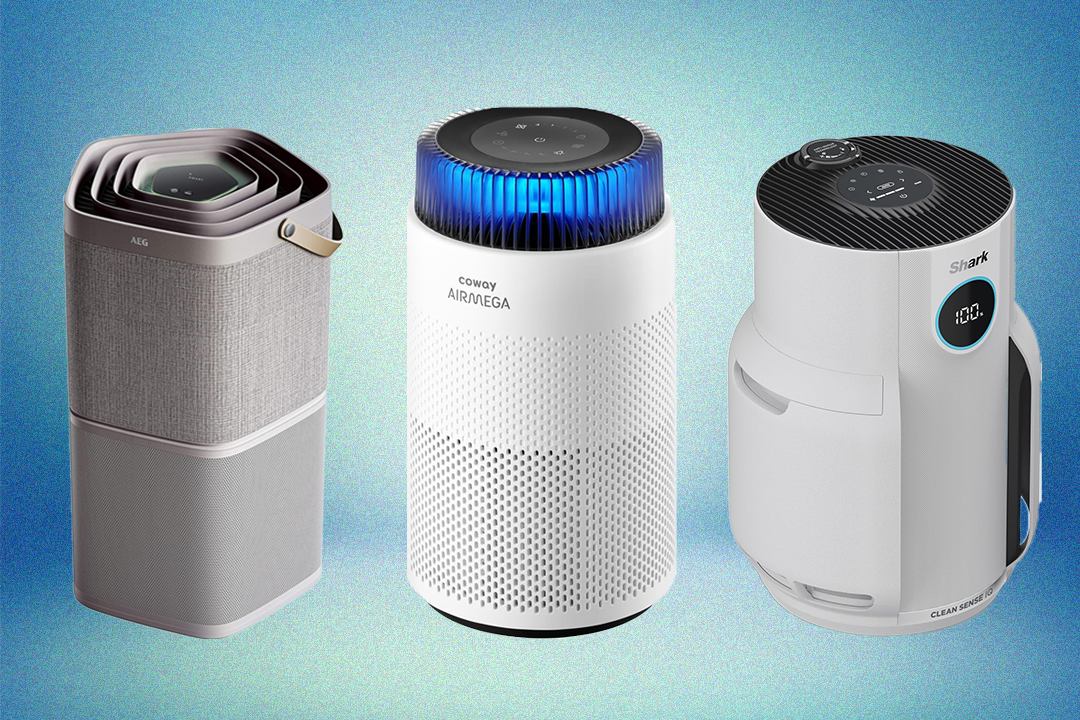
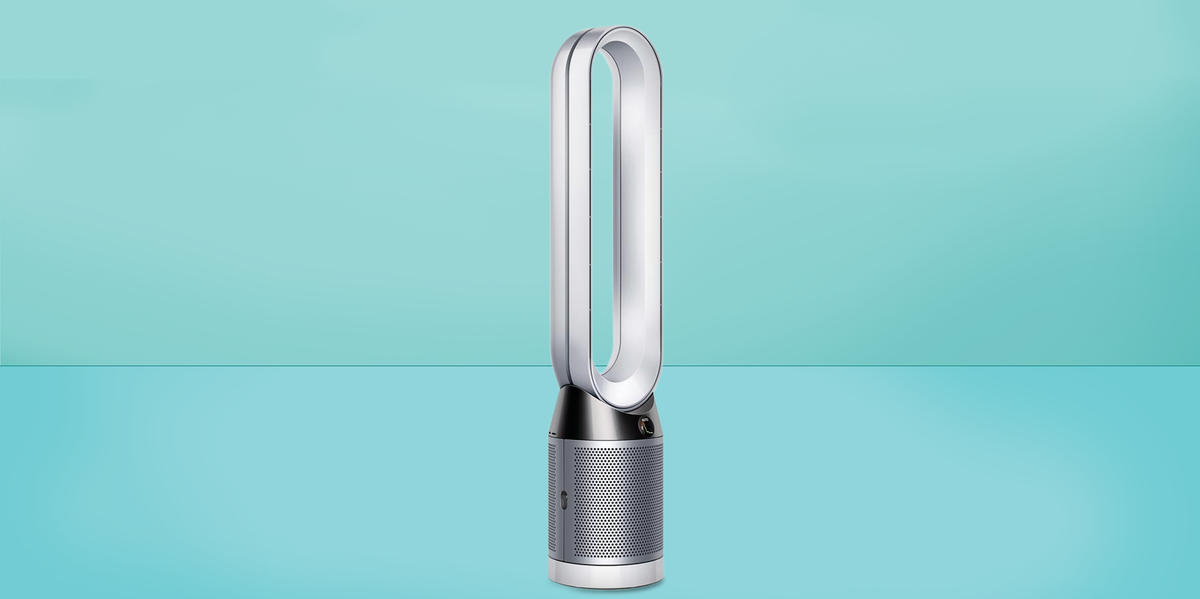
Look for models that combine HEPA filtration, activated carbon filtration, and smart features. Brands like Dyson, Blueair, and Coway consistently receive high ratings for overall performance and reliability.
Best for Allergies:
Choose a purifier with a high CADR rating and a true HEPA filter. Consider models specifically designed for allergy sufferers, often featuring enhanced filtration for pollen, pet dander, and dust mites. Brands like Alen and Austin Air are often recommended for allergy relief.
Best for Smoke:
Air purifiers for smoke require a robust activated carbon filter to remove smoke particles and odors. Models with multi-layer filtration systems and high CADR ratings are ideal. Brands known for their smoke removal capabilities include IQAir and Winix.
Best for Small Spaces:
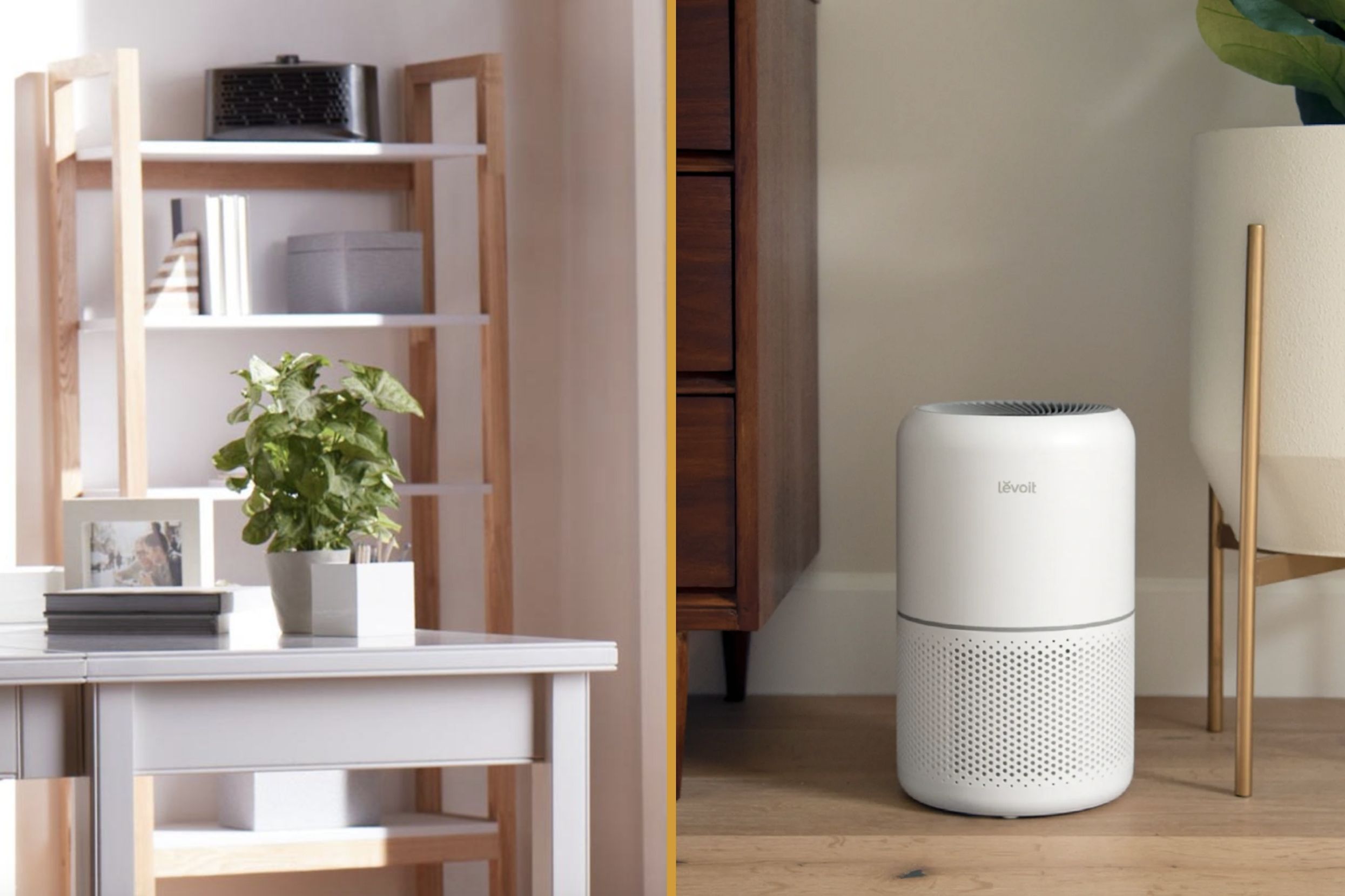
For small rooms or offices, consider a compact and portable air purifier with a HEPA filter and activated carbon filter. Look for models that are lightweight and easy to move. Brands like Levoit and GermGuardian offer a range of small and affordable air purifiers.
Best Smart Air Purifier:
If you value connectivity and control, choose a smart air purifier with Wi-Fi connectivity, app control, and compatibility with smart home assistants. Brands like Dyson and Blueair offer models with advanced smart features, including air quality monitoring, filter replacement reminders, and remote control.
Maintenance and Filter Replacement
Maintaining your air purifier is essential for ensuring its continued effectiveness. This includes regularly cleaning the pre-filter and replacing the HEPA and activated carbon filters as recommended by the manufacturer.
Pre-Filter Cleaning: Clean the pre-filter every 1-2 weeks to remove dust and debris. This can usually be done by vacuuming or washing the filter with mild soap and water.
HEPA Filter Replacement: HEPA filters typically need to be replaced every 6-12 months, depending on usage and air quality conditions. Check the manufacturer's recommendations for your specific model.
Activated Carbon Filter Replacement: Activated carbon filters usually need to be replaced every 3-6 months, depending on the level of pollutants in your home. Replace the filter more frequently if you notice odors or a decrease in performance.
Following Manufacturer's Instructions: Always follow the manufacturer's instructions for cleaning and replacing filters. Using the wrong type of filter or failing to replace filters on time can reduce the purifier's effectiveness and even damage the unit.
Conclusion
Investing in a high-quality air purifier can significantly improve your indoor air quality and create a healthier living environment. By understanding your specific needs, the different technologies available, and the key features to consider, you can choose the best air purifier for your home in 2025. Remember to prioritize HEPA filtration for particle removal, activated carbon filtration for gases and odors, and consider smart features and air quality sensors for enhanced convenience and performance. Don't forget to maintain your air purifier properly by cleaning the pre-filter and replacing the filters as recommended by the manufacturer.