Best Electrostatic Air Filter For Furnace
Electrostatic Air Filters for Furnaces: A Homeowner's Guide
Maintaining a clean and efficient furnace is crucial for comfortable and healthy indoor air quality. One of the simplest yet most effective ways to achieve this is by using the right air filter. Among the various options available, electrostatic air filters have gained popularity due to their potential for improved filtration and reusability. This guide explores everything you need to know about electrostatic air filters for your furnace, helping you make an informed decision.
What is an Electrostatic Air Filter?
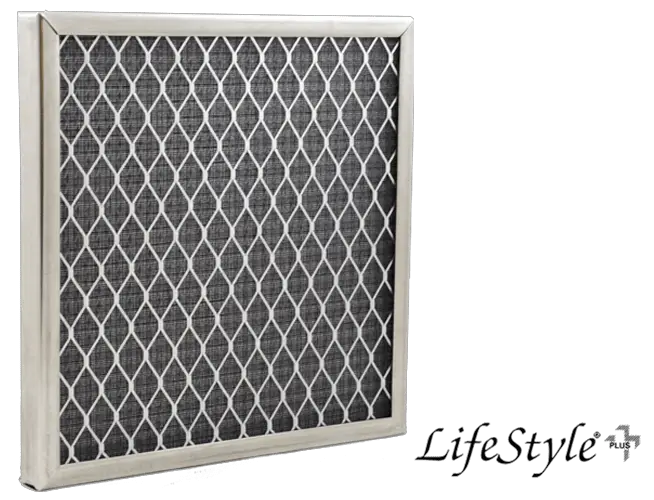
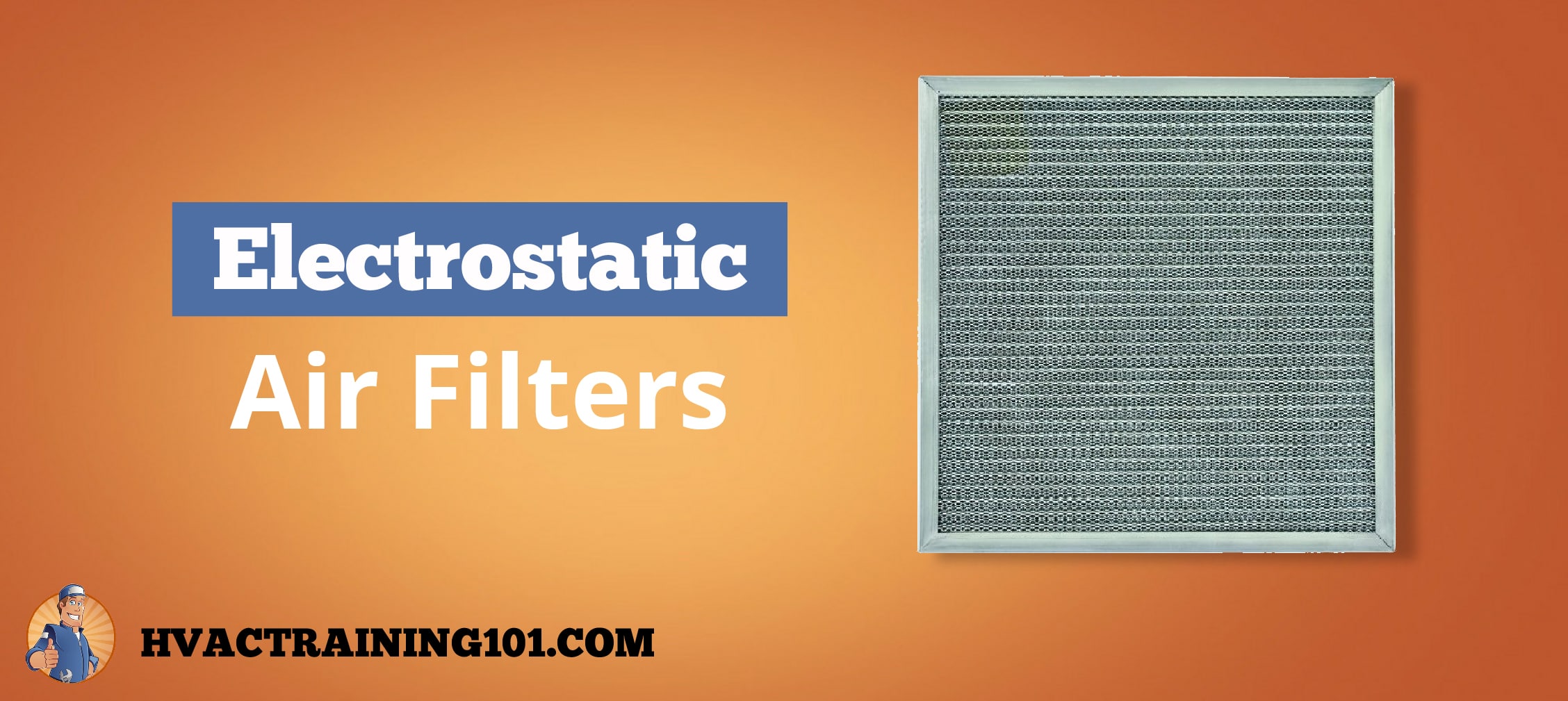
An electrostatic air filter uses static electricity to attract and trap airborne particles. Unlike traditional fiberglass or pleated filters that rely solely on physical barriers, electrostatic filters utilize a charge generated by airflow to enhance their filtration capabilities. This allows them to capture smaller particles, such as dust, pollen, pet dander, and even some bacteria and viruses, leading to cleaner air circulating throughout your home.
How Electrostatic Air Filters Work
The process involves several key steps:
- Airflow: Air is forced through the filter by the furnace fan.
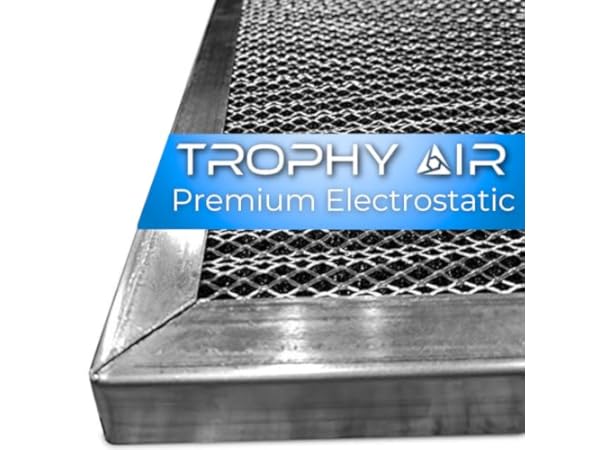
- Charge Generation: The filter material, often made of interwoven synthetic fibers or metal mesh, creates a static electric charge as air passes through it.
- Particle Attraction: This static charge attracts airborne particles, acting like a magnet.
- Particle Capture: The charged particles adhere to the filter fibers, preventing them from recirculating into your home.
Benefits of Using Electrostatic Air Filters
- Improved Air Quality: Electrostatic filters capture smaller particles compared to basic fiberglass filters, resulting in cleaner and healthier air.
- Reusable and Washable: Many electrostatic filters are designed to be washed and reused, saving you money on replacements. This also reduces waste, making them an environmentally friendly option.
- Cost-Effective (Long Term): While the initial cost may be higher than disposable filters, the reusability of electrostatic filters can lead to significant cost savings over time.
- Reduced Allergens: Effectively captures pollen, pet dander, and dust mites, providing relief for allergy sufferers.
- Potentially Reduced HVAC Maintenance: By removing more dust and debris, electrostatic filters help keep your furnace components cleaner, potentially reducing the need for frequent maintenance.
Types of Electrostatic Air Filters
Electrostatic air filters come in several variations:
- Washable Electrostatic Filters: These are the most common type, designed for repeated use. They require regular cleaning to maintain their effectiveness.
- Permanent Electrostatic Filters: Similar to washable filters but often made of more durable materials. They are designed to last for several years with proper care.
- Electronic Air Cleaners: While not strictly "filters," these devices use electronic fields to charge and capture particles. They are more complex and expensive than standard electrostatic filters. (Consult with a professional for these types)
Choosing the Right Electrostatic Air Filter for Your Furnace
Selecting the appropriate filter involves considering several factors:
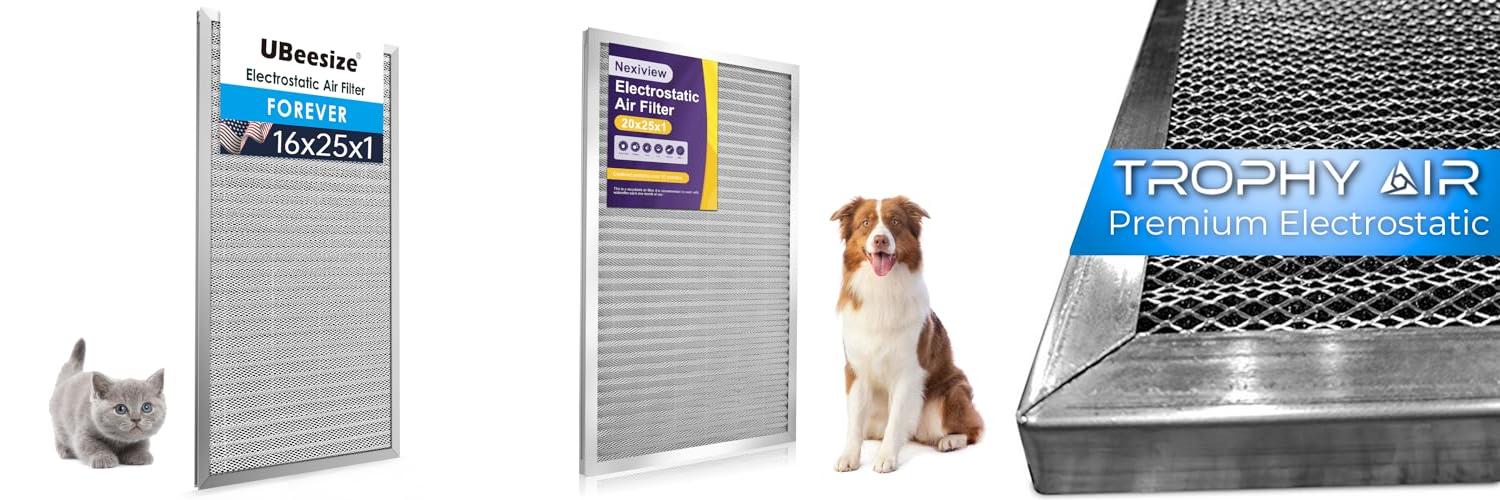
- Filter Size: Measure the dimensions of your current filter (length, width, and thickness) and purchase an electrostatic filter that matches those measurements. Most filters will have the dimensions printed on the side of the frame.
- MERV Rating: The Minimum Efficiency Reporting Value (MERV) rating indicates the filter's ability to capture particles. Higher MERV ratings (e.g., MERV 8-13) offer better filtration but can also restrict airflow. Check your furnace manufacturer's recommendations for the appropriate MERV rating. Going too high can damage your furnace.
- Filter Material: Look for filters made of durable and washable materials. Metal mesh or high-quality synthetic fibers are good options.
- Brand Reputation: Research different brands and read reviews to assess the quality and performance of their electrostatic filters.
Installing an Electrostatic Air Filter
Replacing your furnace filter is a simple DIY task. However, always ensure the furnace is powered off before you begin.
- Turn Off the Furnace: Locate the power switch for your furnace and turn it off.
- Locate the Filter Compartment: The filter compartment is usually located on the side or bottom of the furnace.
- Remove the Old Filter: Note the direction of airflow indicated on the old filter (usually with an arrow). This is important for installing the new filter correctly.
- Install the New Electrostatic Filter: Slide the new filter into the compartment, ensuring the airflow arrow points in the same direction as the old filter.
- Close the Filter Compartment: Securely close the filter compartment door or cover.
- Turn On the Furnace: Turn the power switch back on.
Cleaning and Maintaining Your Electrostatic Air Filter
Regular cleaning is essential to maintain the effectiveness of your electrostatic air filter. Here's how to do it:
- Remove the Filter: Turn off the furnace and remove the filter.
- Rinse with Water: Use a garden hose or utility sink to rinse the filter with water. Direct the water flow against the direction of airflow to dislodge trapped particles.
- Mild Detergent (Optional): If the filter is heavily soiled, you can use a mild detergent to clean it. Rinse thoroughly to remove all traces of detergent.
- Allow to Dry Completely: Allow the filter to air dry completely before reinstalling it. Do not use a hair dryer or other heat source, as this could damage the filter material.
- Reinstall the Filter: Once dry, reinstall the filter in the furnace.
Frequency: Clean your electrostatic air filter every 1-3 months, depending on the amount of dust and debris in your home.
Troubleshooting Common Issues
- Reduced Airflow: If you notice a decrease in airflow, the filter may be dirty. Clean the filter or consider a filter with a lower MERV rating.
- Noisy Furnace: A dirty filter can cause the furnace to work harder, resulting in unusual noises. Clean or replace the filter.
- Allergy Symptoms: If allergy symptoms persist despite using an electrostatic filter, ensure the filter is properly installed and cleaned regularly. You may also need to consider other air purification methods.
- Furnace Overheating: A severely clogged filter restricts airflow, which can cause the furnace to overheat. This is a serious problem. Immediately turn off the furnace and replace or clean the filter. If the problem persists, call a qualified HVAC technician.
When to Call a Professional
While replacing and cleaning your air filter is a simple DIY task, certain furnace issues require professional attention. Call a qualified HVAC technician if you experience any of the following:
- Furnace is not turning on.
- Unusual noises coming from the furnace (banging, grinding, etc.).
- Burning smell coming from the furnace.
- Carbon monoxide alarm is triggered.
- You are uncomfortable working with electrical components.
- You are unsure about any aspect of furnace maintenance or repair.
Estimated Repair Costs
Here's a general idea of potential costs associated with common furnace issues:
- Air Filter Replacement (Professional): $20 - $50 (includes the cost of the filter and labor)
- Furnace Cleaning and Maintenance: $100 - $300
- Igniter Replacement: $150 - $300
- Flame Sensor Replacement: $100 - $250
- Blower Motor Replacement: $300 - $800
- Heat Exchanger Replacement: $1000 - $2500 (This is a major repair, sometimes it's better to replace the entire furnace.)
Disclaimer: These are just estimates. The actual cost may vary depending on your location, the complexity of the repair, and the HVAC technician's rates. Always get quotes from multiple technicians before proceeding with any major repairs.
Safety Tips
- Always turn off the power to the furnace before performing any maintenance or repairs.
- Wear gloves when handling dirty air filters.
- Be careful when using water to clean air filters to avoid electrical hazards.
- If you are unsure about any aspect of furnace maintenance or repair, call a qualified HVAC technician.
- Never operate your furnace without an air filter in place.
Conclusion
Investing in an electrostatic air filter for your furnace can significantly improve your indoor air quality, save you money in the long run, and potentially extend the life of your HVAC system. By following the guidelines in this article, you can choose the right filter, install it correctly, and maintain it properly for optimal performance. Remember to prioritize safety and call a professional when needed to ensure your furnace operates safely and efficiently.