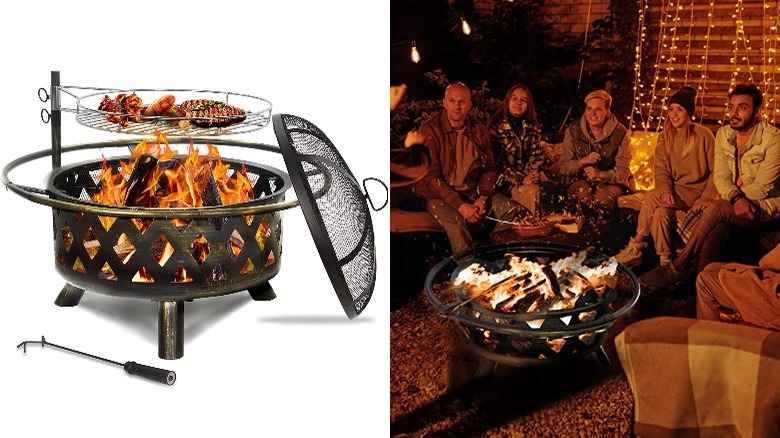
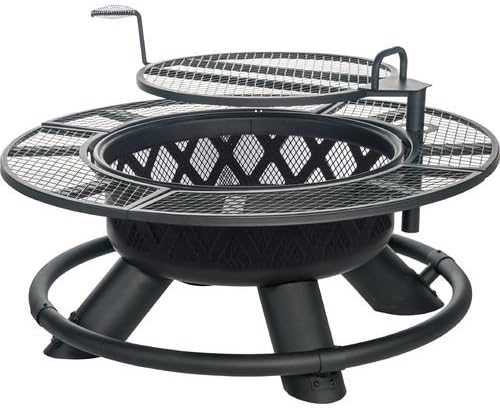
Best Fire Pit Grill

One of the most frustrating issues homeowners face with their fire pit grill is uneven heating or difficulty maintaining a consistent temperature. You might find one area intensely hot while another remains stubbornly cold. Or perhaps the grill initially heats up well, only to cool down quickly, making it challenging to cook food properly. Let's break down how to diagnose and potentially fix this problem.
Diagnosing Uneven Heating or Temperature Fluctuations
Before you call a professional, let's systematically investigate the potential causes. We'll start with the easiest checks, requiring no tools, and then move on to those needing basic equipment. Remember, safety is paramount. Always ensure the fire pit grill is completely cool before attempting any inspection or repair.
Step 1: Fuel Inspection (No Tools Required)
The type and quality of your fuel are crucial. This applies whether you're using propane, natural gas, charcoal, or wood.
- Propane/Natural Gas: Check the fuel level in your propane tank. A low tank is a common culprit for inadequate heat. If using natural gas, ensure the gas line valve is fully open. Also, inspect the regulator for any signs of damage or leaks. Don't use the grill if you suspect a gas leak. Immediately shut off the gas supply and call a professional.
- Charcoal: Ensure you're using enough charcoal. A thin layer won't generate sufficient heat. Also, the type of charcoal matters. Briquettes burn longer and more consistently than lump charcoal, but lump charcoal generally burns hotter. Consider mixing them for optimal results. Check for moisture. Damp charcoal is hard to light and burns poorly.
- Wood: Use seasoned, dry wood. Green wood is difficult to light and produces excessive smoke. The size of the wood pieces is also important. Large logs take longer to ignite and may not provide consistent heat, while small pieces burn quickly. A mix of sizes usually works best.
Action: Replenish or replace your fuel source. Try a different type of charcoal or wood. If using propane, get the tank refilled or exchanged. If using natural gas, check other appliances to ensure you have proper gas pressure.
Step 2: Airflow Obstruction (No Tools Required)
Proper airflow is essential for efficient combustion. Blockages can lead to uneven heating and temperature drops.
- Inspect the Burner (Propane/Natural Gas): Carefully examine the burner for any obstructions. Spiderwebs, insect nests, or debris can block the burner ports, preventing even gas flow. Look for soot or discoloration, which can indicate incomplete combustion.
- Check the Air Vents (Charcoal/Wood): Most charcoal and wood-burning fire pit grills have air vents at the bottom. Make sure these are open and free from ash or debris. Restricted airflow starves the fire of oxygen.
- Clear Ash and Debris: Regularly remove ash and debris from the fire pit. A buildup of ash can insulate the fire and prevent it from burning efficiently.
Action: Use a wire brush or pipe cleaner to carefully clear any obstructions from the burner ports or air vents. Regularly clean out the ash from the fire pit.
Step 3: Grill Grate Placement and Condition (No Tools Required)
The grill grate itself can impact heat distribution. An uneven or damaged grate can create hot and cold spots.
- Ensure Proper Placement: Make sure the grill grate is properly seated and level. An uneven grate can cause food to cook unevenly and affect airflow.
- Inspect for Damage: Check the grate for rust, cracks, or warping. A damaged grate can affect heat transfer and create uneven cooking surfaces.
- Clean the Grate: A dirty grill grate can impede heat transfer. Burnt-on food and grease act as insulation, preventing the heat from reaching the food.
Action: Reposition the grill grate to ensure it's level. Clean the grate thoroughly with a grill brush. If the grate is severely damaged, consider replacing it.
Step 4: Wind and Environmental Factors (No Tools Required)
External conditions can significantly impact the performance of your fire pit grill.
- Wind: Wind can blow heat away from the grill, causing temperature fluctuations and uneven cooking.
- Ambient Temperature: On cold days, the grill may take longer to heat up and may not reach its optimal temperature.
- Direct Sunlight: While seemingly counterintuitive, direct sunlight can sometimes interfere with temperature readings, especially on grills with built-in thermometers.
Action: Position the fire pit grill in a sheltered area away from direct wind. Consider using a wind guard or screen to block the wind. Allow the grill to preheat for a longer period on cold days.
Step 5: Burner Flame Inspection (Propane/Natural Gas - Requires Caution)
This step requires careful observation and a basic understanding of burner flames. Exercise extreme caution when working with gas flames.
- Flame Color: A healthy propane or natural gas flame should be blue with a slight yellow tip. A completely yellow or orange flame indicates incomplete combustion, which could be due to insufficient air or a dirty burner.
- Flame Size: The flames should be consistent in size and shape across the entire burner. Uneven or weak flames suggest a partial blockage or pressure issue.
- Flame Pattern: Look for flickering, lifting, or inconsistent flames. These can indicate drafts, pressure fluctuations, or burner problems.
Action: If you notice any unusual flame characteristics, immediately shut off the gas supply. Use a wire brush to gently clean the burner ports. If the problem persists, consult a professional.
Step 6: Gas Pressure Regulator Inspection (Propane/Natural Gas - Requires Basic Tools & Caution)
The gas pressure regulator controls the flow of gas to the burner. A faulty regulator can cause inconsistent heating or prevent the grill from reaching the desired temperature. This step requires basic tools and a degree of caution. If you're uncomfortable working with gas appliances, seek professional assistance.
- Visual Inspection: Check the regulator for any signs of damage, such as cracks, leaks, or corrosion.
- Pressure Test (Requires a Manometer - Not Recommended for Amateurs): A manometer can be used to measure the gas pressure. This is generally best left to a qualified technician. Incorrect gas pressure can be dangerous.
- Simple "Wiggle" Test (With Caution): With the gas supply turned OFF and the grill completely cool, gently wiggle the regulator connection. Excessive movement or looseness can indicate a problem.
Action: If you find visible damage or excessive play in the regulator, do not attempt to repair it yourself. Replace the regulator with a new one that is specifically designed for your fire pit grill. Follow the manufacturer's instructions carefully. If you're unsure, call a professional.
Step 7: Thermocouple/Thermopile Inspection (Propane/Natural Gas - Requires Basic Tools & Caution)
In some fire pit grills, particularly those with electronic ignition or safety shut-off features, a thermocouple or thermopile is used to sense the pilot flame and keep the gas valve open. A faulty thermocouple or thermopile can cause the pilot light to go out or prevent the main burner from lighting.
- Visual Inspection: Locate the thermocouple or thermopile near the pilot light. Check for any signs of damage, such as corrosion, bending, or fraying.
- Clean the Thermocouple/Thermopile: Use a fine-grit sandpaper or steel wool to gently clean the thermocouple/thermopile. This can remove any corrosion or buildup that may be interfering with its function.
- Check the Connection: Ensure the thermocouple/thermopile is securely connected to the gas valve. A loose connection can prevent it from working properly.
Action: Clean the thermocouple/thermopile. Ensure it's securely connected. If the problem persists, replace the thermocouple/thermopile. These are relatively inexpensive and can often be purchased at hardware stores or online.
When to Call a Professional
While many heating and cooling issues can be resolved with simple troubleshooting steps, some problems require the expertise of a qualified technician. Always call a professional in the following situations:
- Suspected Gas Leak: Never attempt to repair a gas leak yourself. Immediately shut off the gas supply and call your gas company or a qualified HVAC technician.
- Complex Burner Problems: If you've cleaned the burner and inspected the flames but the problem persists, there may be more serious internal issues that require professional diagnosis and repair.
- Faulty Gas Valve: Replacing a gas valve requires specialized knowledge and tools. It's best to leave this repair to a professional.
- Electrical Issues: If your fire pit grill has electronic ignition or other electrical components, and you suspect an electrical problem, call a qualified electrician.
- Uncertainty: If you're unsure about any aspect of the troubleshooting process, or if you feel uncomfortable working with gas appliances, don't hesitate to seek professional help. It's always better to be safe than sorry.
By following these steps, you can systematically diagnose and potentially resolve many common heating and cooling issues with your fire pit grill. Remember to prioritize safety and seek professional assistance when needed. With a little patience and effort, you can keep your fire pit grill running smoothly and enjoy years of outdoor cooking.
:max_bytes(150000):strip_icc()/bhg-wood-burning-fire-pits-test-barebones-living-cowboy-23in-grill-food52-donna-freydkin-01-9d91a5063627450db3ef34a21ec07e4d.jpg)