Best Floor Vent Covers For Air Flow

Floor vents play a critical role in distributing conditioned air throughout your home or building. However, standard vent covers often restrict airflow, leading to uneven temperatures, increased energy bills, and even strain on your HVAC system. Choosing the right floor vent cover can significantly improve airflow, comfort, and overall HVAC efficiency. This article will explore various floor vent cover options, focusing on those designed to optimize airflow, along with considerations for homeowners, HVAC technicians, and facility managers.
Understanding Airflow and Its Impact
Before diving into specific vent covers, it's crucial to understand the basics of airflow in HVAC systems. Airflow is measured in CFM (cubic feet per minute), representing the volume of air moving through a space. Insufficient airflow can lead to several problems:
- Temperature Imbalances: Some rooms may be too hot or too cold, creating discomfort.
- HVAC System Strain: The system works harder to compensate for poor airflow, reducing its lifespan and efficiency.
- Increased Energy Bills: A struggling HVAC system consumes more energy, resulting in higher utility costs.
- Dust and Allergen Buildup: Stagnant air can exacerbate dust and allergen accumulation.
Traditional vent covers often have narrow slots or stamped designs that significantly restrict airflow. Upgrading to more open and efficient vent covers can alleviate these issues.
Types of Floor Vent Covers Optimized for Airflow
Several types of floor vent covers are specifically designed to maximize airflow while maintaining aesthetic appeal and functionality:
Linear Bar Grille Vent Covers
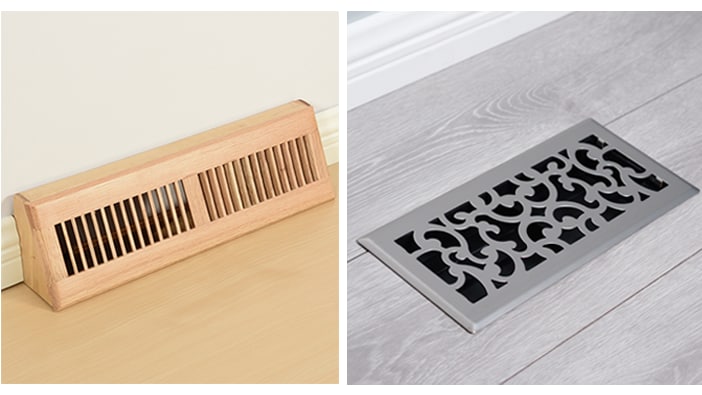
Linear bar grilles feature long, parallel bars that allow air to flow freely. They offer a sleek, modern look and are available in various materials like aluminum, steel, and wood. Their open design significantly reduces airflow resistance compared to traditional stamped vent covers.
Benefits:
- Excellent airflow
- Modern aesthetic
- Durable construction
- Easy to clean
Considerations:
- Can be more expensive than standard vent covers.
- May not be suitable for high-traffic areas if made of softer materials.
Louvered Vent Covers with Wide Spacing
While traditional louvered vent covers can restrict airflow, models with wider spacing between the louvers offer improved performance. Look for adjustable louvers to fine-tune the airflow direction and volume.
Benefits:
- Good airflow, especially with wider spacing
- Adjustable louvers for directional control
- Affordable option
Considerations:
- May not offer the same airflow as linear bar grilles.
- Can accumulate dust more easily.
Perforated Vent Covers
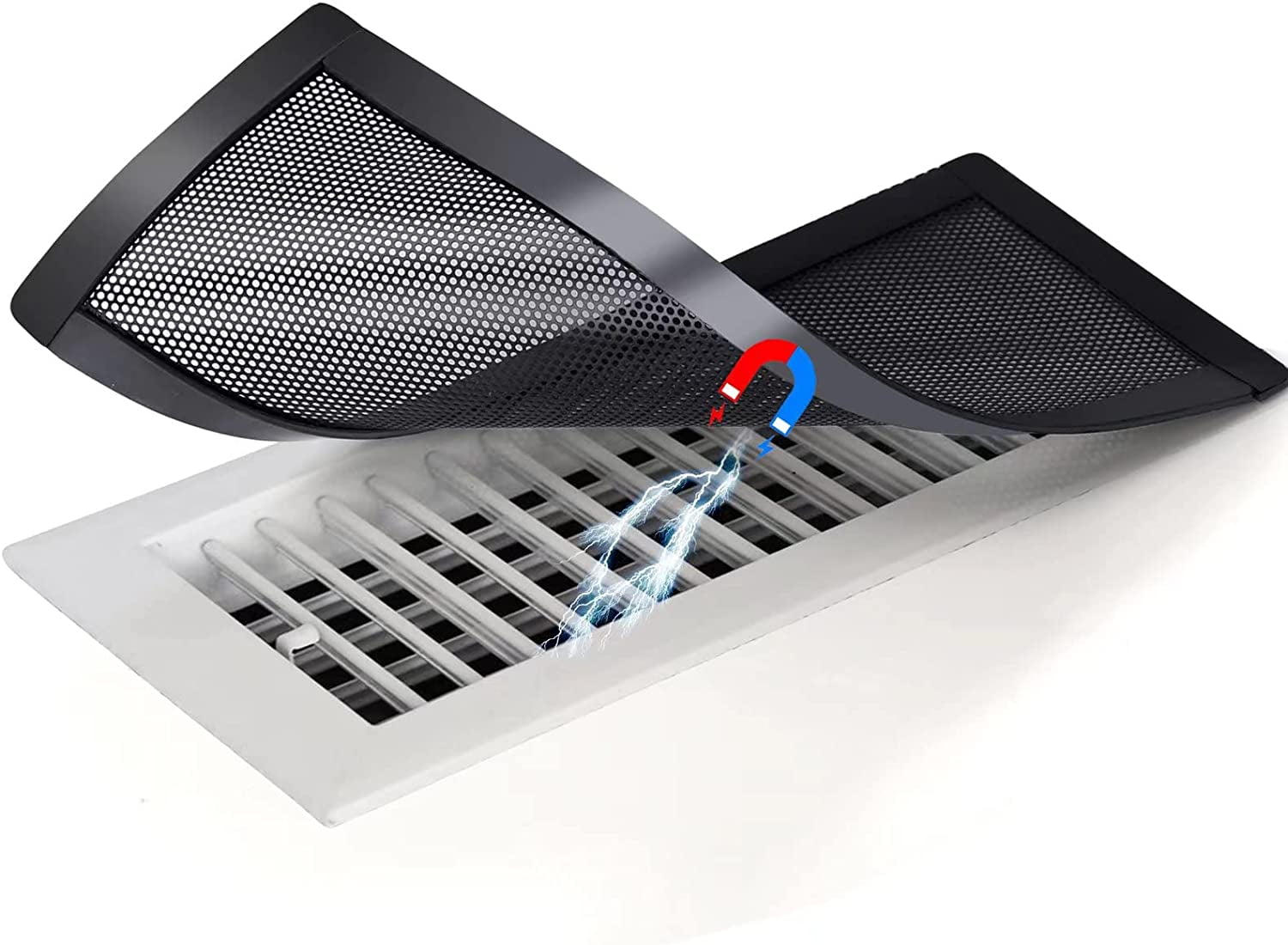
Perforated vent covers feature small, evenly spaced holes that allow air to pass through. The size and density of the perforations determine the airflow capacity. Models with larger and more numerous perforations offer better airflow.
Benefits:
- Improved airflow compared to standard stamped covers
- Durable and resistant to damage
- Aesthetically versatile
Considerations:
- Airflow may still be less than linear bar grilles.
- Can be challenging to clean if debris gets lodged in the perforations.
Vent Covers with Airflow Deflectors
Some vent covers incorporate deflectors to direct airflow more effectively. These deflectors can help distribute air more evenly throughout the room, reducing hot and cold spots.
Benefits:
- Improved air distribution
- Reduced drafts
- Enhanced comfort
Considerations:
- May not significantly increase overall airflow volume.
- Deflector design can affect appearance.
Factors to Consider When Choosing Floor Vent Covers
Selecting the right floor vent cover involves considering several factors:
- Airflow Requirements: Assess the airflow needs of each room based on its size, occupancy, and insulation levels. Larger rooms or those with poor insulation may require vent covers with higher airflow capacity.
- Aesthetic Preferences: Choose a vent cover that complements the room's decor. Consider the material, finish, and design.
- Foot Traffic: In high-traffic areas, opt for durable vent covers made of materials like steel or aluminum that can withstand wear and tear.
- Budget: Vent covers range in price from a few dollars to several hundred dollars. Set a budget and explore options within that range.
- Ease of Installation: Most vent covers are easy to install, but some may require minor modifications to the floor opening.
- Material and Durability: Choose a material that is durable, rust-resistant, and easy to clean. Common materials include steel, aluminum, wood, and plastic.
Installation Tips
Proper installation is crucial for maximizing the benefits of your new floor vent covers:
- Measure the Vent Opening: Accurately measure the dimensions of the existing vent opening to ensure a proper fit.
- Clean the Opening: Remove any debris or obstructions from the vent opening before installing the new cover.
- Secure the Cover: Ensure the vent cover is securely attached to the floor to prevent tripping hazards.
- Consider Under-Floor Adjustments: If possible, adjust the ductwork dampers under the floor to fine-tune airflow to each vent.
Cost Comparison
The cost of floor vent covers varies depending on the type, material, and size. Here's a general price range:
- Standard Stamped Vent Covers: $5 - $15
- Louvered Vent Covers: $10 - $30
- Perforated Vent Covers: $20 - $50
- Linear Bar Grille Vent Covers: $50 - $200+
While upgrading to high-airflow vent covers may involve a higher initial investment, the long-term benefits, such as reduced energy bills and improved comfort, can outweigh the cost.
Maintenance and Cleaning
Regular maintenance is essential to keep your floor vent covers functioning efficiently. Follow these tips:
- Vacuum Regularly: Vacuum the vent covers regularly to remove dust and debris.
- Wash as Needed: Periodically wash the vent covers with mild soap and water to remove stubborn dirt.
- Inspect for Damage: Inspect the vent covers for any signs of damage, such as rust or cracks, and replace them as needed.
- Clean the Ductwork: Consider professional duct cleaning every few years to remove accumulated dust and debris from the ductwork, which can significantly improve airflow.
Real-World Examples and System Performance
Consider a homeowner experiencing uneven temperatures in their two-story house. By replacing standard stamped vent covers on the second floor with linear bar grilles, they noticed a significant improvement in airflow and temperature consistency. The upstairs rooms, which were previously too warm in the summer, became much more comfortable.
In a commercial building, facility managers replaced the existing louvered vent covers with perforated vent covers in a large office space. This resulted in better air distribution, reduced employee complaints about temperature imbalances, and a measurable decrease in energy consumption.
The Role of HVAC Technicians
HVAC technicians play a crucial role in recommending and installing appropriate floor vent covers. They can assess the airflow needs of each room, advise on the best type of vent cover for specific applications, and ensure proper installation. They should also educate homeowners and facility managers about the importance of regular maintenance and cleaning.
Conclusion
Choosing the right floor vent covers is an often-overlooked aspect of HVAC system performance. By selecting vent covers optimized for airflow, you can improve comfort, reduce energy bills, and extend the lifespan of your HVAC system. Whether you're a homeowner, HVAC technician, or facility manager, understanding the different types of vent covers and their benefits will enable you to make informed decisions and create a more comfortable and efficient indoor environment. Remember that optimizing airflow is not just about the vent cover itself; a well-maintained and properly sized HVAC system is also essential for optimal performance. Proper insulation, sealed ductwork, and regular filter changes also contribute to efficient airflow and a comfortable indoor climate. Consult with a qualified HVAC professional to assess your specific needs and recommend the best solutions for your home or building. A balanced system, where supply and return airflows are optimized, is the key to achieving consistent temperatures and energy savings.