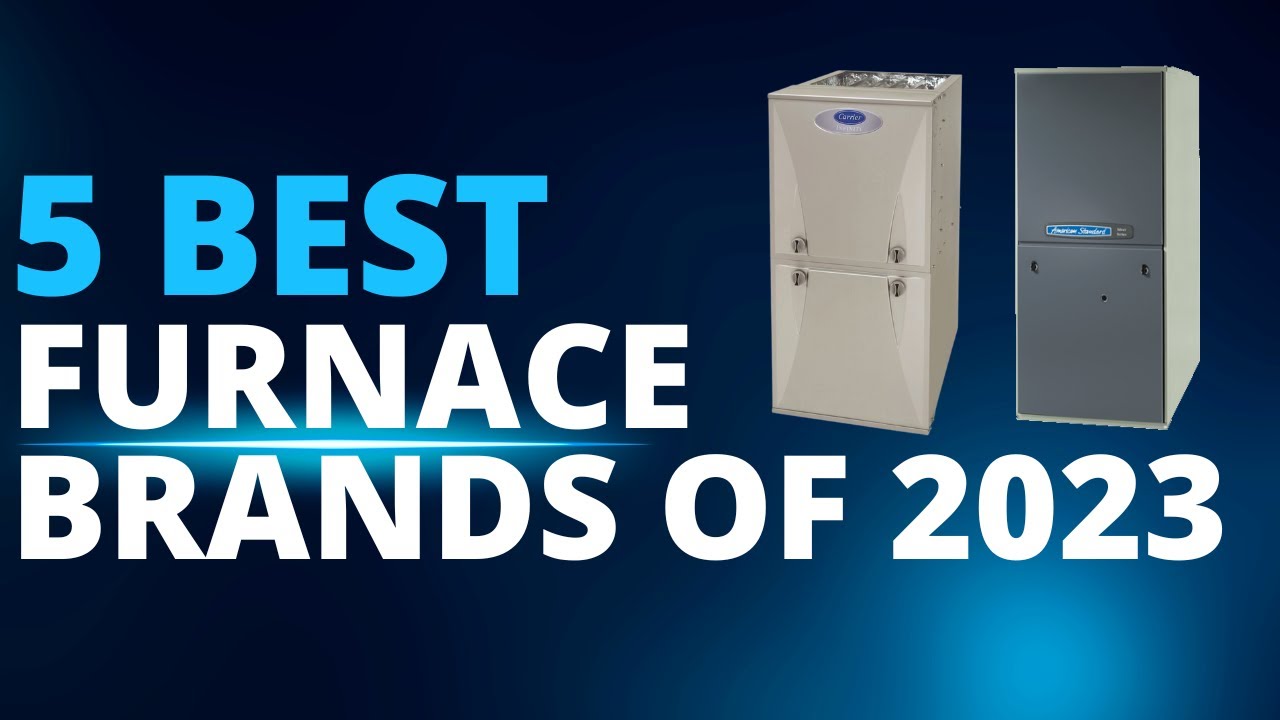
Best Gas Furnace Brands

Many homeowners face the frustrating situation of a furnace that's blowing cold air instead of warm air. It's an uncomfortable experience, especially during the colder months. While various issues can cause this, many are easily diagnosed and potentially fixed with a few simple steps. This guide will walk you through a methodical troubleshooting process, helping you identify the problem and determine if it's something you can handle yourself or if it's time to call in the professionals.
Troubleshooting Cold Air From Your Furnace
Before you start, always turn off the power to your furnace at the breaker box. This is a crucial safety precaution to prevent electrical shock.
Step 1: Check the Thermostat
This might seem obvious, but it's the most common culprit. Ensure your thermostat is:
- Set to "Heat" mode: Double-check that the thermostat is actually in heating mode and not set to "Cool" or "Off."
- Set to a temperature higher than the current room temperature: Increase the set temperature a few degrees to ensure the furnace is actually being called upon to heat.
- Check the battery: A dead or dying battery can cause thermostat malfunctions. Replace the battery with a new one.
What you can check without tools: All of the above.
DIY Action: Adjust the thermostat settings accordingly. Replace the thermostat battery.
Step 2: Inspect the Air Filter
A clogged air filter is a major cause of furnace problems, including blowing cold air. A dirty filter restricts airflow, causing the furnace to overheat and potentially shut down, or preventing the burners from igniting properly.
How to check: Locate the air filter slot (usually in the furnace itself or in the return air duct). Remove the filter and hold it up to the light. If you can't easily see light through it, it's likely clogged.
What you can check without tools: Visual inspection of the filter.
DIY Action: Replace the dirty air filter with a new one of the correct size. It's a good practice to replace your air filter every 1-3 months, depending on usage and air quality.
Step 3: Examine the Gas Supply
If the furnace isn't getting gas, it can't produce heat. Check the following:
- Main gas supply: Ensure the main gas valve to your house is turned on. This is usually located near your gas meter.
- Furnace gas valve: Locate the gas valve on the furnace itself. Make sure it's in the "on" position. It is usually a lever or knob that should be parallel to the gas pipe when on.
- Other gas appliances: Check if other gas appliances (like your stove or water heater) are working. If they're not, it could indicate a problem with the main gas supply.
CAUTION: If you smell gas at any point, immediately leave the area and call your gas company or fire department from a safe location.
What you can check without tools: Visual inspection of gas valves and checking other gas appliances.
DIY Action: If the main gas valve was accidentally turned off, carefully turn it back on. If other gas appliances are not working, and you suspect a problem with the main gas supply, contact your gas company immediately.
Step 4: Check the Pilot Light (for older furnaces)
Some older furnaces have a pilot light that needs to be lit. A blown-out pilot light is a common reason for a furnace blowing cold air.
How to check: Locate the pilot light assembly (refer to your furnace's manual if needed). Look for a small flame. If there's no flame, the pilot light is out.
What you can check without tools: Visual inspection of the pilot light.
DIY Action: Most furnaces have instructions on how to relight the pilot light printed directly on the unit. Follow these instructions carefully. Usually, it involves turning a gas control knob to "Pilot," pressing and holding it while lighting the pilot with a lighter or igniter, and then holding the knob for a specified time before releasing it. If you are uncomfortable relighting the pilot light, call a professional HVAC technician.
Step 5: Look for Obvious Damage
Give your furnace a visual inspection. Look for any obvious signs of damage, such as:
- Burned wires: Check for wires that are frayed, burned, or disconnected.
- Damaged components: Look for any broken or cracked parts.
- Leaks: Check for any signs of water or gas leaks.
CAUTION: Do not touch any exposed wires or damaged components.
What you can check without tools: Visual inspection for obvious damage.
DIY Action: If you see any obvious damage, do NOT attempt to fix it yourself. Contact a qualified HVAC technician immediately.
Step 6: Check the Blower Motor
The blower motor circulates air through your home. If it's not working correctly, the air coming from your vents might feel cool, even if the burners are working.
Checking with basic equipment (Multimeter): After turning off power to the furnace, you can use a multimeter to check the blower motor's capacitor. A faulty capacitor is a common cause of blower motor failure. The capacitor is usually a cylindrical component connected to the blower motor. With the multimeter set to capacitance, carefully touch the probes to the capacitor terminals (make sure to discharge the capacitor first – there are tutorials online for safely doing this). If the reading is significantly lower than the capacitor's rated value (printed on the capacitor itself), the capacitor is likely bad.
What you need: Multimeter, screwdriver (to access the capacitor – after power is OFF).
DIY Action (with caution and only if comfortable): If you identify a bad capacitor, you might be able to replace it yourself. However, this involves working with electrical components and requires a good understanding of electrical safety. If you are not comfortable doing this, it is best to call a professional. Make sure you replace the capacitor with one of the exact same specifications (voltage and capacitance).
When to Call a Professional
While these DIY steps can address many common issues, some problems require the expertise of a qualified HVAC technician. Call a professional if:
- You smell gas: This is a serious safety hazard and should be addressed immediately by your gas company or fire department.
- You suspect a carbon monoxide leak: Carbon monoxide is a deadly gas, and if you suspect a leak, evacuate your home and call 911.
- You are uncomfortable working with gas or electrical components: It's better to be safe than sorry.
- You have tried the above steps and the furnace is still blowing cold air: The problem might be more complex, such as a faulty gas valve, a malfunctioning control board, or a problem with the heat exchanger.
- Your furnace is making unusual noises: Banging, rattling, or squealing noises can indicate serious mechanical problems.
Best Gas Furnace Brands (and Why Brand Matters Less Than Maintenance)
While the brand of your gas furnace can influence its longevity and features, consistent maintenance is by far the most crucial factor in its performance and lifespan. A well-maintained lower-end furnace will often outlast a neglected higher-end model.
However, here's a brief overview of some of the generally well-regarded gas furnace brands:
- Carrier: Known for their high-efficiency models and innovative technology. Often considered a premium brand.
- Trane: Another top-tier brand, Trane furnaces are known for their reliability and durability.
- Lennox: Offers a wide range of furnaces, from basic models to high-efficiency, feature-rich options.
- Rheem/Ruud: Considered a good value brand, offering a balance of performance and affordability.
- Goodman: A budget-friendly option, Goodman furnaces are often chosen for their lower upfront cost.
Why brand matters less than maintenance:
- Airflow Restrictions: Neglecting air filter changes will cause any brand of furnace to overheat, reducing efficiency and lifespan.
- Igniter Issues: Dust and debris can cause igniters to fail, regardless of the brand. Regular cleaning can prevent this.
- Component Wear: All mechanical components wear down over time. Regular inspections and maintenance can identify and address potential problems before they lead to major breakdowns.
- Combustion Efficiency: Properly tuned burners burn fuel more efficiently, saving you money and reducing emissions. Regular maintenance ensures optimal combustion.
Maintenance Tips for ANY Gas Furnace Brand:
- Change air filters regularly (every 1-3 months).
- Schedule annual professional maintenance. An HVAC technician will inspect and clean the furnace, check for leaks, and ensure all components are functioning properly.
- Keep the area around the furnace clean and free of debris.
- Ensure proper ventilation. The furnace needs adequate airflow for efficient combustion.
- Consider installing a carbon monoxide detector. This is a vital safety precaution.
By following these troubleshooting steps and prioritizing regular maintenance, you can keep your gas furnace running efficiently and reliably for years to come, regardless of the brand you choose.